History loves a clean narrative. We want our heroes pure and our villains irredeemable. But the truth? It’s messier than a casino floor at 3 AM. The figures we learned about in textbooks weren’t cardboard cutouts of virtue or evil. They were flesh and blood people who made choices that don’t fit neatly into our modern moral frameworks.
Let’s be real, most of what we think we know about history’s biggest names comes from sanitized textbooks and Hollywood. The reality is far more interesting, and honestly, far more uncomfortable. These five figures carried contradictions that would make your head spin. Ready to have some of your assumptions challenged?
1. Thomas Jefferson: The Liberty-Loving Enslaver

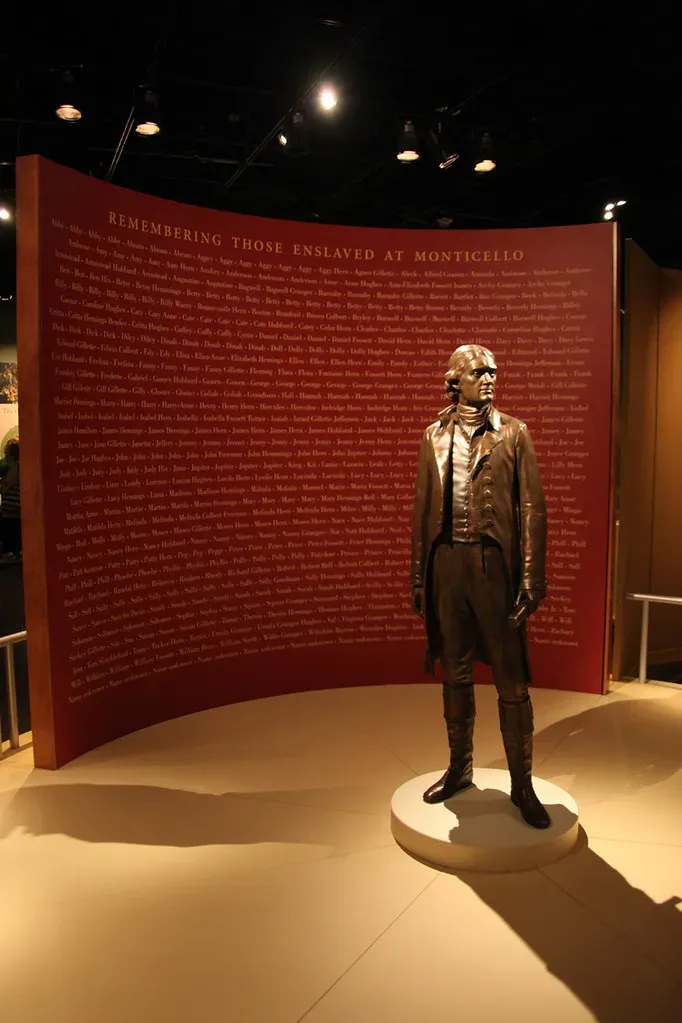
Thomas Jefferson penned some of the most beautiful words about human freedom ever written. “All men are created equal” still gives people chills. Yet this same man owned over 600 enslaved people throughout his lifetime. He didn’t just own them either. He calculated their monetary value down to the dollar and relied on their labor to maintain his lavish lifestyle at Monticello.
Here’s where it gets even stranger. Jefferson genuinely seemed to believe slavery was morally wrong. He wrote passionate arguments against it, called it a “moral depravity” and a “hideous blot.” But when it came time to free his own enslaved workers? He freed only a handful, most of them members of the Hemings family. The rest remained in bondage.
His relationship with Sally Hemings adds another layer of complexity. DNA evidence strongly suggests he fathered several of her children, yet he never publicly acknowledged them. The power imbalance makes consent impossible to establish by any modern standard. Jefferson lived his entire life as a walking contradiction, preaching ideals he refused to practice.
What makes Jefferson so complicated isn’t that he was secretly evil. It’s that he genuinely believed in liberty while simultaneously denying it to hundreds of people. He represents the uncomfortable truth that even brilliant minds can compartmentalize in ways we find incomprehensible today.
2. Mother Teresa: The Saint With a Dark Side

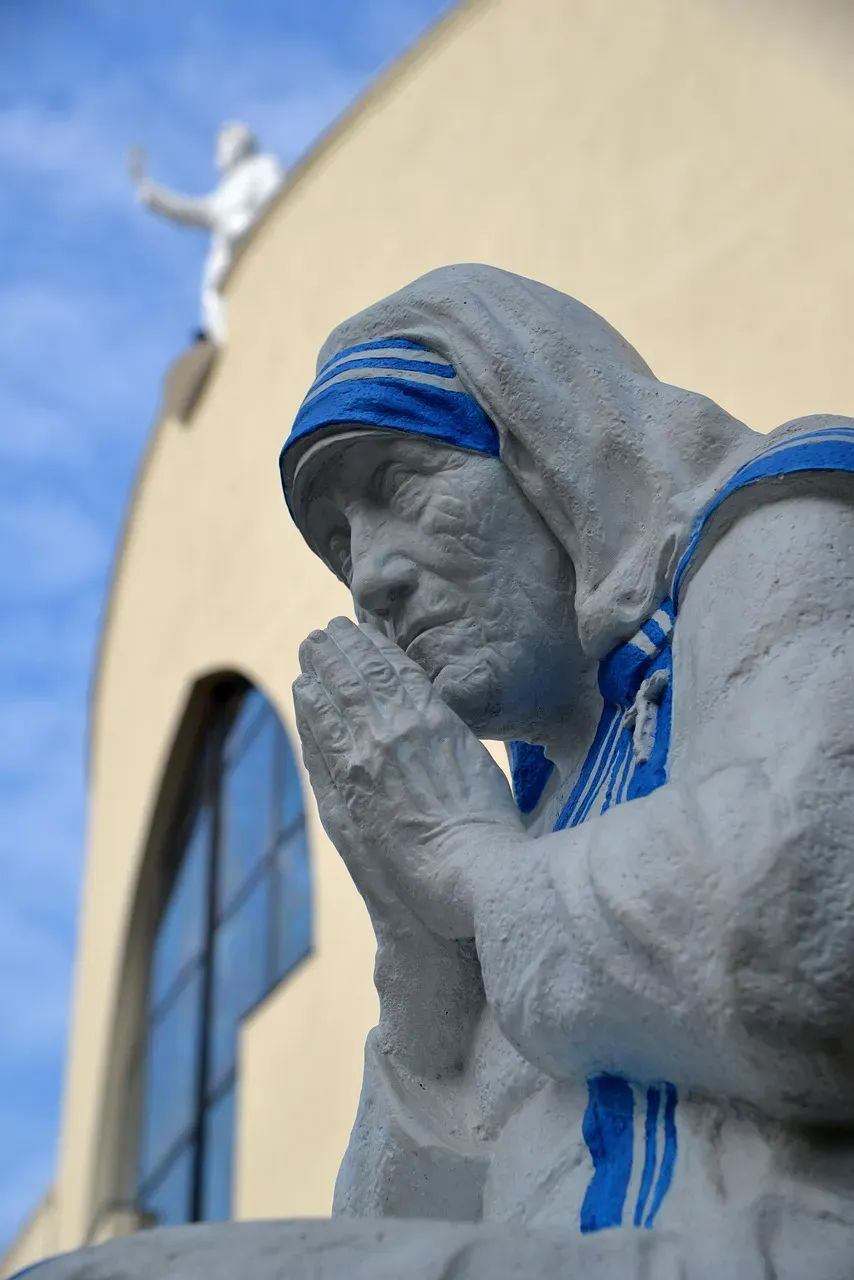
Mother Teresa is practically synonymous with selfless charity. Millions see her as the embodiment of compassion. The Catholic Church fast-tracked her to sainthood. But dig into her actual practices, and the picture gets murky fast.
Her facilities in Calcutta were often described as houses of suffering rather than healing. Former volunteers reported that pain medication was rarely administered, even when available. She believed suffering brought people closer to Jesus. Patients lay on hard cots with minimal medical intervention, conditions that shocked visiting doctors.
Meanwhile, when Mother Teresa herself fell ill, she sought treatment at world-class hospitals in California and Europe. The hypocrisy is glaring. She accepted millions in donations but didn’t invest in proper medical equipment or trained staff. Christopher Hitchens, who investigated her work extensively, called her “a fanatic, a fundamentalist, and a fraud.”
She also baptized dying patients without their consent and accepted money from dictators without asking questions. Her mission seemed less about alleviating suffering and more about converting souls. It’s hard to reconcile the gentle image we see in photos with these documented practices.
3. Winston Churchill: The War Hero Who Caused Famine

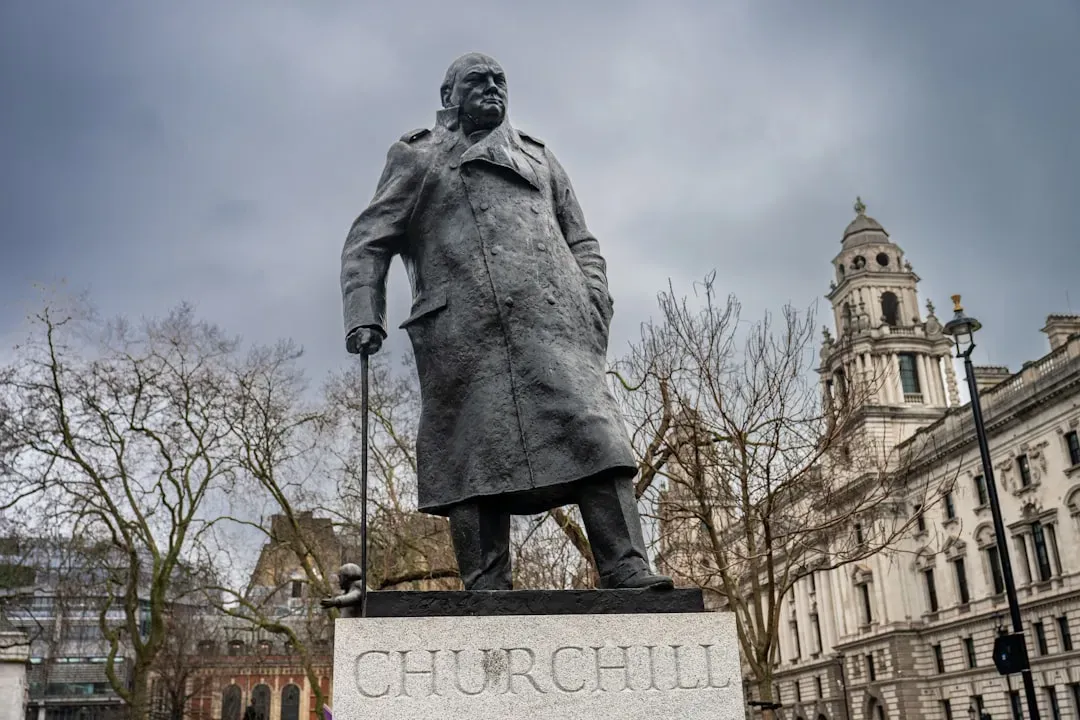
Winston Churchill saved Britain from Nazi tyranny. His speeches rallied a nation on the brink of collapse. He’s remembered as one of the greatest leaders of the 20th century, and in many ways, he earned that title. But his record in colonial affairs reveals a man capable of shocking callousness.
During the Bengal famine of 1943, somewhere around three million people starved to death. Churchill’s policies directly contributed to this catastrophe. When officials pleaded for food aid, he asked why Gandhi hadn’t died yet if the famine was so bad. He diverted food supplies away from Bengal to feed British soldiers and stockpile reserves.
His racism was open and unapologetic. He described Indians as “a beastly people with a beastly religion.” He believed firmly in white supremacy and British imperial superiority. In 1937, he told Parliament he didn’t think the Native Americans had been wronged because “a stronger race has come and taken their place.”
Churchill also advocated for using chemical weapons against “uncivilized tribes” in Iraq and supported violent suppression of independence movements across the empire. The man who stood against fascism in Europe was perfectly comfortable with authoritarian brutality elsewhere. History isn’t black and white, and Churchill proves that better than almost anyone.
4. Coco Chanel: Fashion Icon and Nazi Collaborator

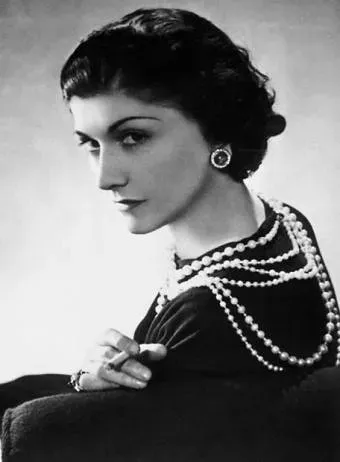
Coco Chanel revolutionized women’s fashion. She freed women from corsets, made pants acceptable, and created an empire that still dominates luxury fashion. Her little black dress changed how we dress. Her perfume, Chanel No. 5, remains iconic. But during World War II, her actions were anything but stylish.
Chanel spent the war years living comfortably at the Ritz in Paris while the Nazis occupied the city. She wasn’t just staying out of trouble. She began an affair with Hans Günther von Dincklage, a German intelligence officer. Documents suggest she worked as a spy for Nazi intelligence, participating in at least one diplomatic mission.
Even worse, she used Nazi racial laws to try stealing her perfume company back from Jewish partners who had fled France. She argued the Wertheimer family’s absence meant their assets should be “Aryanized” and transferred to her. When that failed, she attempted to negotiate directly with Nazi officials. The Wertheimers eventually had to pay her millions to regain control after the war.
After the liberation of France, Chanel was briefly arrested but never charged. Some historians believe Churchill himself intervened on her behalf. She lived out her remaining years in Switzerland before returning to Paris in the 1950s like nothing happened. The fashion world welcomed her back with open arms, conveniently forgetting her wartime activities.
5. Gandhi: The Peaceful Protester With Troubling Personal Beliefs


Mahatma Gandhi inspired movements for civil rights and freedom across the world. His philosophy of nonviolent resistance changed history. Martin Luther King Jr. studied his methods. He’s held up as the ultimate moral authority. But Gandhi’s personal life and some of his beliefs reveal uncomfortable truths.
In his early years in South Africa, Gandhi held deeply racist views toward Black Africans. He protested Indians being classified with “Kaffirs” (a slur for Black people), arguing Indians were superior. His activism there focused on elevating Indians above Black Africans in the racial hierarchy, not dismantling it entirely. He later evolved on race, but those views were documented for years.
His treatment of his wife Kasturba has also come under scrutiny. He made major life decisions without consulting her, forbade her from wearing jewelry or nice clothes, and once threw her out during an argument. He also took a vow of celibacy but conducted strange experiments, sleeping naked beside young women (including his grandniece) to test his willpower. He called it “testing” his restraint. Many find this behavior deeply inappropriate at best.
Gandhi also held controversial views on untouchables (Dalits) in India’s caste system. While he opposed their mistreatment, he didn’t support full caste abolition and clashed with leaders like B.R. Ambedkar who demanded real equality. His position struck many as paternalistic rather than genuinely liberating. The man we celebrate for fighting injustice sometimes upheld other forms of it.
What This All Means

These contradictions don’t erase the good these figures accomplished. Jefferson’s words did inspire genuine liberation movements. Churchill did stand against Hitler when it mattered most. Gandhi’s methods did achieve independence and inspire global change. But pretending they were flawless does everyone a disservice.
Real people are complicated. They can write beautiful things about freedom while denying it to others. They can show tremendous courage in one arena while displaying shocking cruelty in another. Understanding this doesn’t mean we throw out all their achievements. It means we see them as fully human, capable of both brilliance and terrible choices.
History isn’t a collection of saints and sinners. It’s a record of flawed human beings making decisions in specific contexts, often getting things profoundly wrong even while getting other things right. The more we understand that complexity, the better equipped we are to examine our own blind spots and contradictions.
These five figures remind us that moral clarity is easier in hindsight than in the moment. They also show that legacy is complicated, and maybe that’s okay. We can acknowledge both the good and the bad without needing to completely embrace or reject someone. What do you think about it? Do these revelations change how you see these historical icons? Tell us in the comments.