Every industry has its titans, those names we all recognize instantly. But here’s something most people forget: these massive corporations didn’t just appear out of thin air. They started small, often in garages or cramped offices, with founders who had more ambition than capital. The transformation from scrappy startup to industry dominator is rarely smooth, and it’s never predictable.
What separates the companies that make it from the thousands that don’t? It’s not always about having the best product or the most funding. Sometimes it’s about timing, sometimes it’s pure stubbornness, and sometimes it’s recognizing an opportunity that everyone else missed. Let’s dive into the stories of businesses that didn’t just succeed – they completely rewrote the rules of their industries.
Amazon: From Online Bookstore to Everything Store

Jeff Bezos started Amazon in his Seattle garage in 1994, and his initial pitch was laughably modest compared to what it became. He wanted to sell books online. That’s it. Not exactly the stuff of revolution, right?
The genius wasn’t in selling books, though. It was in Bezos’s obsession with customer experience and his willingness to operate at a loss for years while building infrastructure. By the time competitors realized what was happening, Amazon had already established such efficient logistics that catching up became nearly impossible.
Today, Amazon touches almost every aspect of modern commerce. They’ve fundamentally altered how we think about shopping, shipping times, and even cloud computing through AWS. The bookstore angle? That was just the foot in the door.
Netflix: Killing the Video Rental Empire
Remember driving to Blockbuster on Friday nights? Netflix certainly does. Reed Hastings reportedly got the idea after racking up forty dollars in late fees, though honestly, that origin story might be more legend than fact.
What mattered was the mail-order DVD rental model, which seemed almost quaint even at the time. No late fees, no driving anywhere, just DVDs arriving in those iconic red envelopes. Blockbuster had multiple chances to buy Netflix for a fraction of what it’s worth now. They passed.
The real revolution came when Netflix pivoted to streaming. They didn’t just adapt to changing technology, they anticipated it and built their entire business model around it before most people had reliable enough internet. Now they’re producing more original content than most traditional studios.
Airbnb: Making Strangers’ Homes the New Hotels

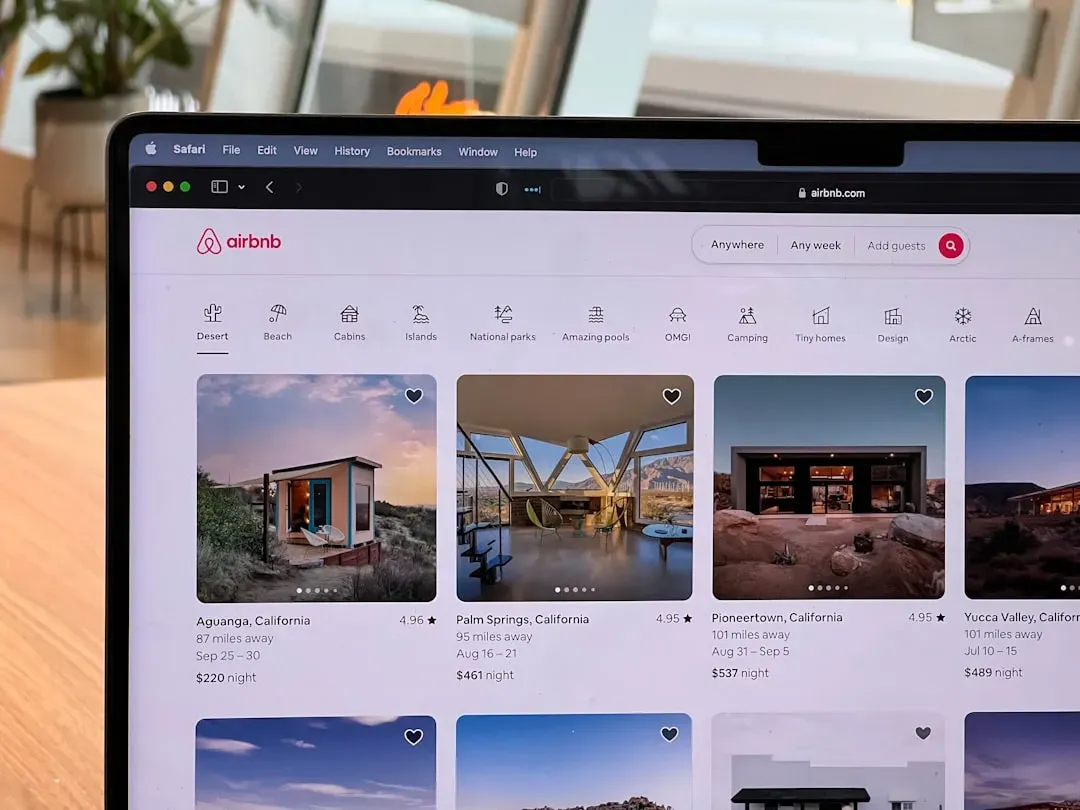
Brian Chesky and Joe Gebbia couldn’t afford their San Francisco rent in 2007. Their solution was to rent out air mattresses in their living room during a design conference when hotels were sold out. Sounds desperate, but it worked.
The hospitality industry thought they were crazy. Who would want to sleep in a stranger’s home when perfectly good hotels existed? Turns out, millions of people. Airbnb tapped into something hotels couldn’t offer: authentic local experiences, unique spaces, and often better prices.
Traditional hotel chains spent decades building their empires. Airbnb built a larger inventory without owning a single property. They didn’t just disrupt the hotel industry, they created an entirely new category of accommodation that’s now worth over a hundred billion dollars.
Tesla: Making Electric Cars Actually Cool
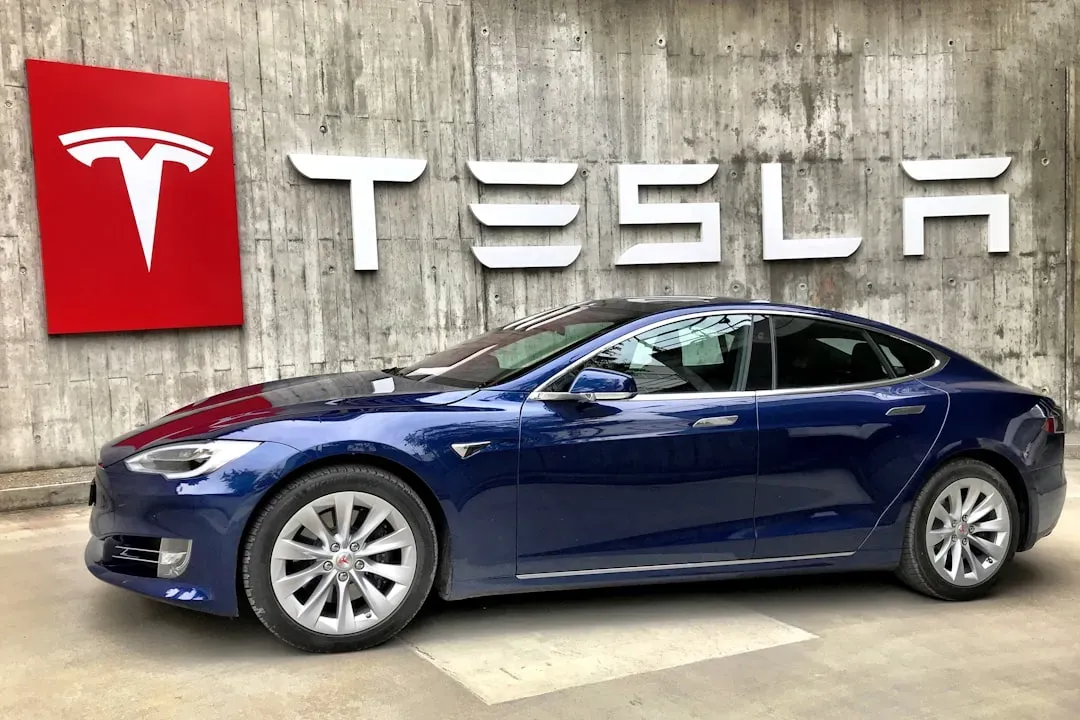
Electric cars existed long before Tesla. They were slow, ugly, and had the appeal of a golf cart. Elon Musk didn’t invent the electric vehicle, but he did something arguably more important: he made them desirable.
The Roadster proved electric cars could be fast and sexy. The Model S showed they could be luxurious and practical. Tesla skipped the traditional dealership model entirely, selling directly to consumers and building a charging network that made long-distance electric travel feasible.
Legacy automakers laughed initially, then scrambled to catch up. Now every major car company has electric vehicle plans, many abandoning combustion engines entirely within the next decade. Tesla forced an entire industry to acknowledge that the future was electric, whether they liked it or not.
Uber: Changing How Cities Move


Travis Kalanick and Garrett Camp couldn’t get a cab in Paris on a snowy night in 2008. Their frustration sparked an idea that would upend urban transportation worldwide. The taxi industry had operated essentially the same way for a century, protected by medallion systems and regulations.
Uber’s approach was simple: use smartphones to connect drivers directly with passengers. No calling dispatch, no waving desperately at passing cabs, no wondering how much the ride would cost. The traditional taxi industry fought back hard, staging protests and lobbying for bans.
It didn’t matter. The convenience was too compelling. Uber expanded to hundreds of cities, each time facing legal battles and angry taxi drivers. They proved that even heavily regulated industries weren’t immune to disruption if you offered consumers something dramatically better.
Spotify: Streaming Music Before It Was Cool

The music industry was in chaos when Spotify launched in 2008. Napster had shown that people would happily steal music if given the chance. iTunes had shown they’d pay, but only per song. Record labels were terrified of streaming, convinced it would destroy their business.
Daniel Ek somehow convinced them to license their catalogs anyway. Spotify’s bet was that unlimited access to millions of songs would be worth a monthly subscription. The labels reluctantly agreed, mostly because they were out of better options.
Now streaming dominates music consumption. Spotify didn’t just survive the transition from ownership to access, they defined it. Vinyl albums are experiencing a hipster revival, but for everyday listening, most people have embraced the idea of renting rather than owning their music.
Conclusion: The Pattern Behind the Revolution

Looking at these companies, certain patterns emerge. They identified friction points that everyone else accepted as normal. They focused obsessively on user experience rather than traditional business metrics. Most importantly, they were willing to be laughed at initially.
The industries they disrupted didn’t die – they evolved, often adopting the innovations that threatened them. That’s how real revolution works in business. It’s rarely about destruction, more often about forcing established players to remember why they existed in the first place: to serve customers.
What’s your take on these industry shake-ups? Did any of them change how you live or work? Tell us in the comments.