


History books tend to hand us a single, tidy version of each great figure. One job title, one defining legacy, one clean narrative. But reality is messier and far more interesting. Some of the most celebrated names from the past led remarkably double lives, hiding entire personalities, missions, or talents beneath their public image. These six figures prove that the person the world thought they knew was often only half the story.
1. Benjamin Franklin – The Founding Father With Many Faces

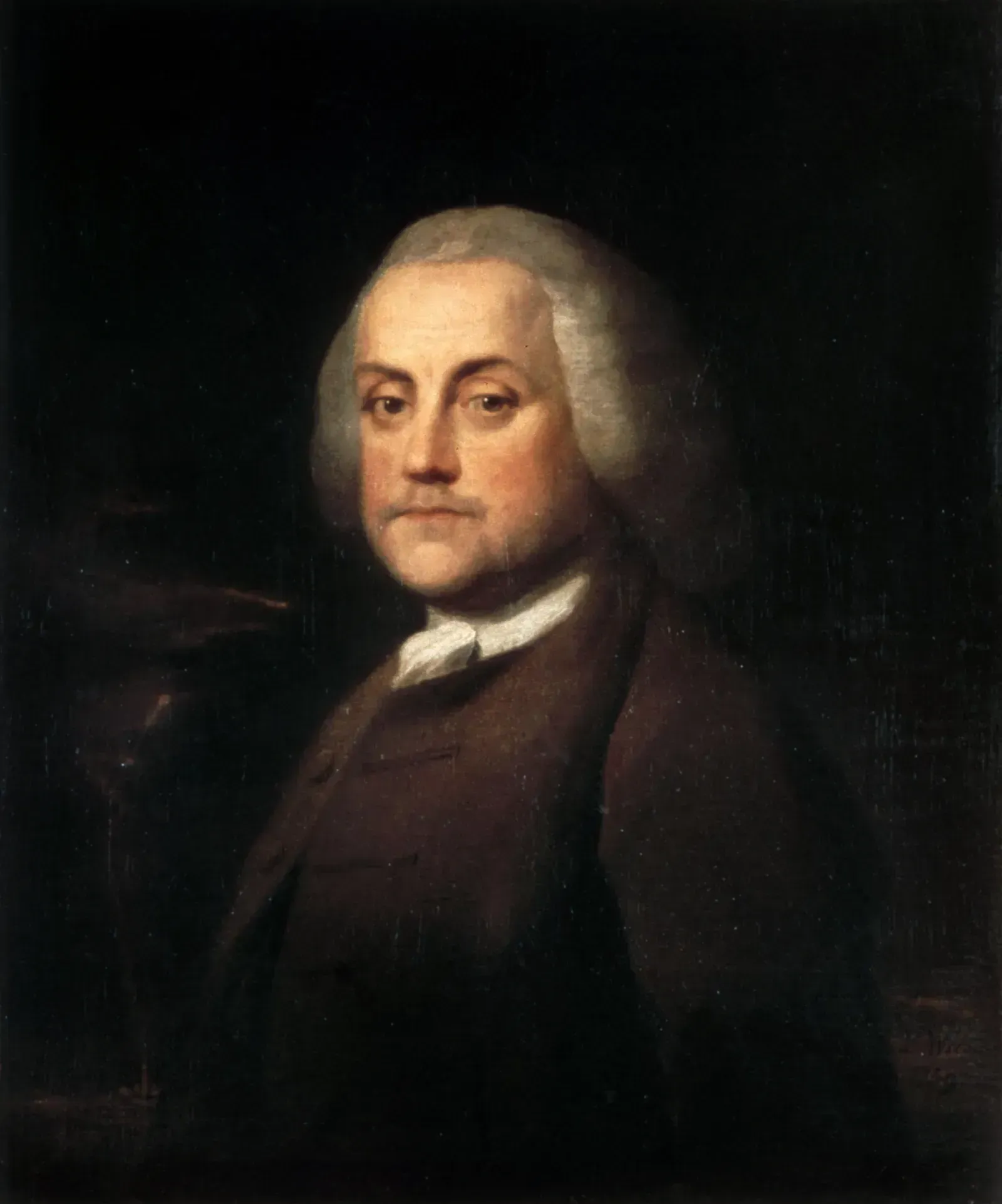
Beyond his roles as a statesman, inventor, and printer, Benjamin Franklin harbored a lesser-known but equally fascinating secret: his mastery of pseudonyms. Throughout his illustrious career, Franklin adopted numerous pen names, each serving a unique purpose in the vibrant landscape of early American journalism. At age 16, he created the persona of a middle-aged widow named Silence Dogood, and once every two weeks, he would leave a letter under the door of his brother’s printing shop. The series of letters written under this guise were well-received and praised for their wit and insight, all the while keeping Benjamin’s identity concealed.
He became wealthy publishing Poor Richard’s Almanack, which he also wrote under the pseudonym “Richard Saunders.” Franklin wrote letters under various female pseudonyms, using these female identities to critique the gender stereotypes of the time and to show that women were more virtuous than men. Franklin would continue to use personae, male and female, throughout his career, and there’s a sense in which the “Benjamin Franklin” of the Autobiography and of history was also a persona, a role that Franklin played on the public stage of the trans-Atlantic world.
2. Harriet Tubman – The Freedom Fighter Who Was Also a Spy

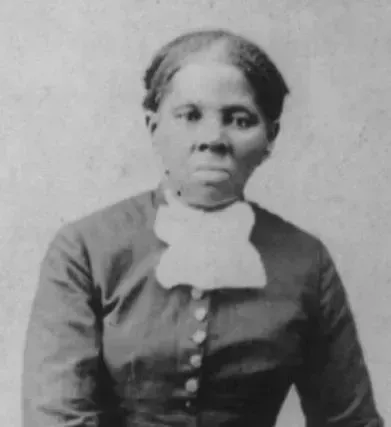
When the Civil War began, Tubman worked for the Union Army, first as a cook and nurse, and then as an armed scout and spy. For her guidance of the raid at Combahee Ferry, which liberated more than 700 enslaved people, she is widely credited as the first woman to lead an armed military operation in the United States. The use of former slaves as spies was a covert operation – President Abraham Lincoln didn’t even tell the Secretary of War or the Secretary of Navy about it. The man in charge of the secret spy ring was Secretary of State William Seward, who’d met Tubman when his house was a stop on the Underground Railroad.
It was her military service of spying and scouting behind Confederate lines that earned her the highest praise. She recruited eight men and together they skillfully infiltrated enemy territory. On November 11, 2024, Tubman was posthumously commissioned as a one-star general (Brigadier General) in the Maryland Army National Guard in recognition of her military service during the Civil War. In another recognition, Tubman was accepted in June 2021 to the United States Army Military Intelligence Corps Hall of Fame at Fort Huachuca, Arizona. She is one of 278 members, 17 of whom are women, honored for their special operations leadership and intelligence work.
3. Mata Hari – The Dancer Caught Between Two Worlds


Mata Hari, born Margaretha Geertruida Zelle on August 7, 1876, in the Netherlands, was a renowned exotic dancer and accused spy during World War I. After a challenging early life marked by family tragedy and an abusive marriage, she reinvented herself in Paris as Mata Hari, which translates to “eye of the dawn” in Malay. Her performances, characterized by erotic striptease, garnered immense popularity across Europe and attracted numerous high-profile lovers, including military officers. In 1917, she was arrested by French authorities on charges of espionage, accused of relaying military secrets to Germany. Despite her claims of innocence and assertions that she worked for French intelligence, she was tried in a closed military court without a fair chance to defend herself and was ultimately executed by firing squad.
Partner offer

In 1916, one of her lovers, the German military attaché in Spain, suspected her of spying on him and sent radio messages to Berlin naming Mata Hari as German spy H-21, even though she had not passed sensitive military secrets to the Germans. He knew that the Allies could break the code and intercept the messages. In 1999, previously sealed British intelligence files were opened and provided no actual proof of her guilt. There was also no hard evidence in French military records, so it appears there was a miscarriage of justice. In 2001, the Mata Hari Foundation and the town of Leeuwarden, Netherlands, asserted that she was a scapegoat and the victim of a state conspiracy and requested a new trial and pardon from the French Ministry of Justice.
4. Hedy Lamarr – The Hollywood Star Who Invented the Foundations of Wi-Fi

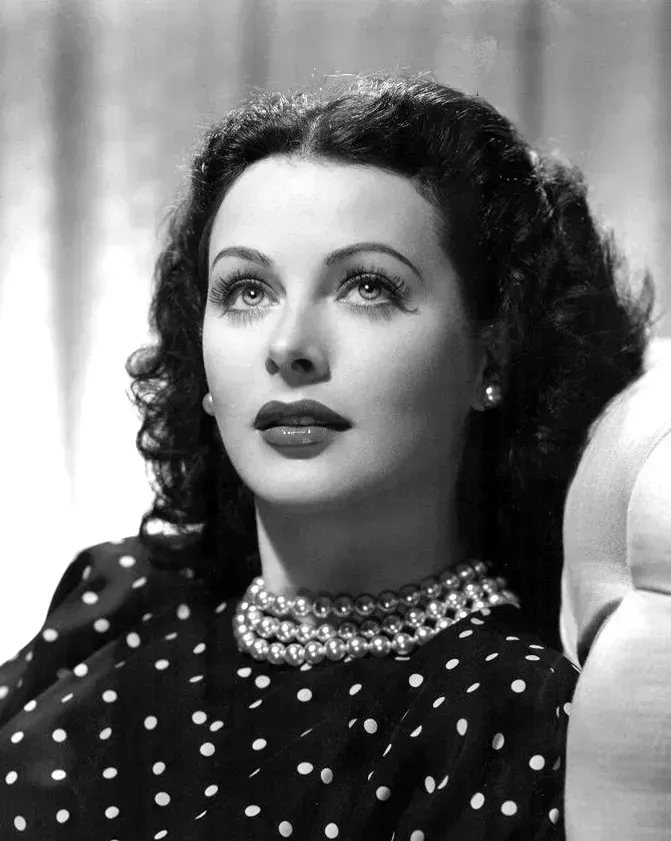
Regarded as the “most beautiful woman in the world,” Hedy Lamarr was not only a famous Hollywood actress who sold millions in war bonds during World War II, she was an inventor. Her creations included a frequency-hopping radio communications device for Allied torpedoes during the war. Along with a composer named George Antheil, Lamarr developed the technological concept of frequency hopping to address a crucial problem faced by the Allies during World War II. At the time, German U-boats were consistently jamming the signals of torpedoes that targeted their submarines, rendering them ineffective. Lamarr and Antheil solved that problem via a secret communication system of radio-controlled torpedoes, the precursor to what we now know as Bluetooth.
Also known as spread spectrum, frequency hopping is a foundational piece of so many wireless communications, including Bluetooth, cellphones, WiFi and Global Positioning Systems (GPS), among other technologies. The Navy finally smartened up during the Cold War, when the service employed the technology in its ships’ communication systems during the 1962 Cuban Missile Crisis. Hedy Lamarr was honored at the 2024 Wireless Hall of Fame Awards with a special recognition as a Wireless Pioneer. Such achievement has led Lamarr to be dubbed “the mother of Wi-Fi” and other wireless communications like GPS and Bluetooth.
5. Roald Dahl – The Children’s Author Who Was a British Spy

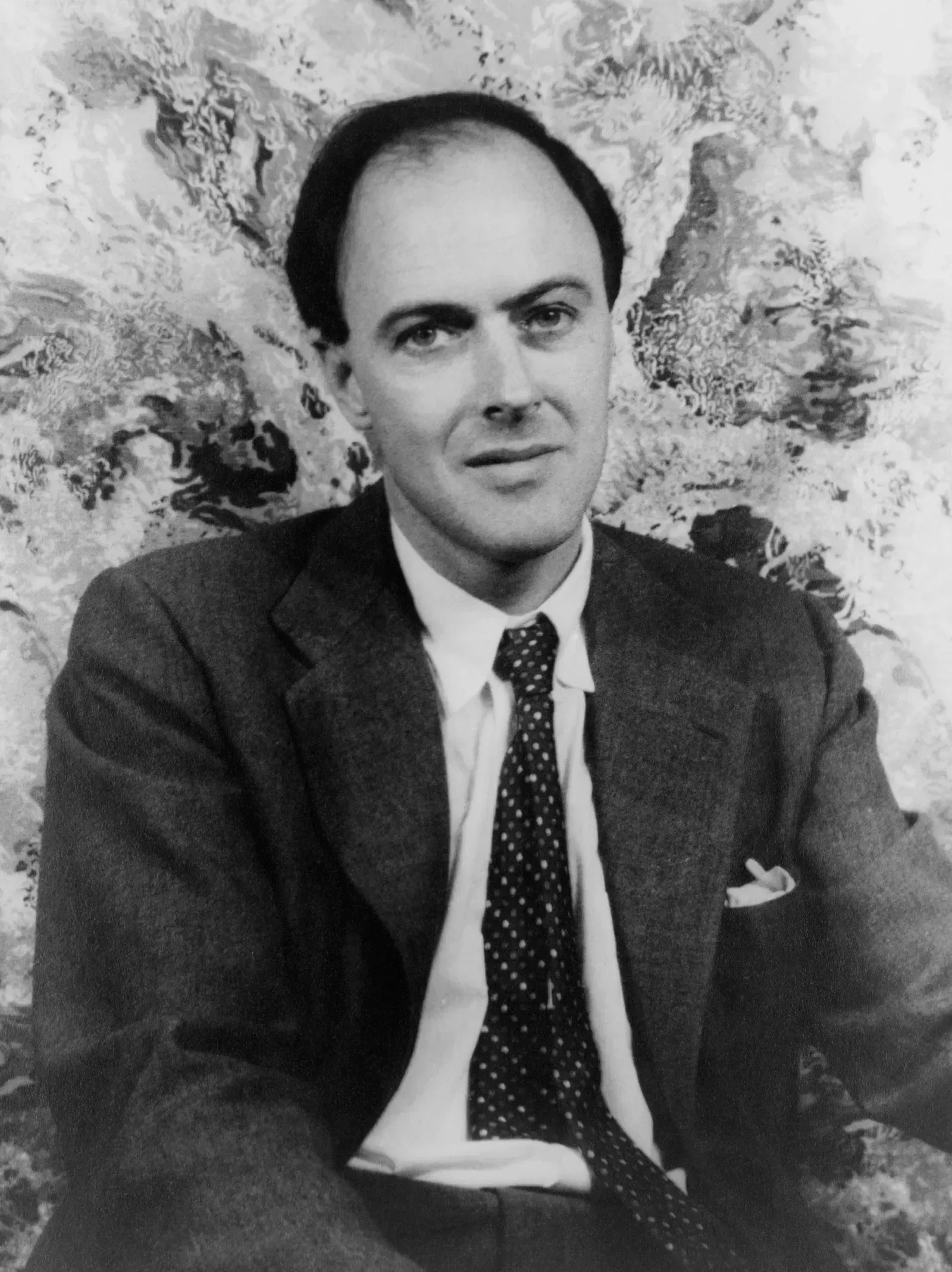
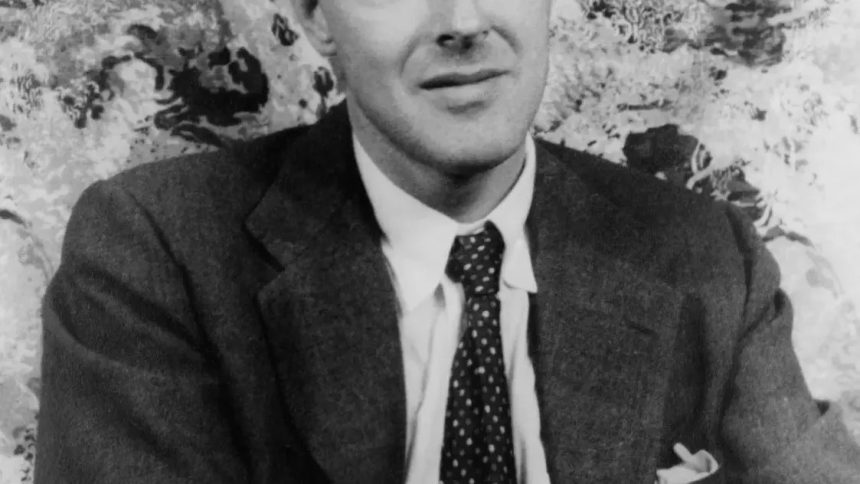
Roald Dahl, famous for children’s books like Charlie and the Chocolate Factory, also served as a British intelligence officer during World War II. Working with the British Embassy in Washington, D.C., Dahl gathered intelligence and influenced American opinion on the war. His charm and storytelling prowess made him an effective spy, showing that his talents extended far beyond the realm of fiction. Dahl’s dual roles highlight the unexpected intersections of literature and espionage.
Roald Dahl served as a British intelligence officer during World War II, working with the British Embassy in Washington, D.C., where he gathered intelligence and influenced American opinion on the war. His charm and storytelling prowess made him an effective spy, showing that his talents extended far beyond the realm of fiction. The same man who invented the BFG and Willy Wonka was simultaneously moving in elite political circles, seducing information out of Washington’s most powerful figures, and reporting back to British intelligence chiefs. Dahl’s dual roles highlight the unexpected intersections of literature and espionage.
Partner offer
Planning a trip to Vegas?
Compare hotel rates and show tickets on VEGAS.com.


