
There is a version of Las Vegas that tourists never see. It exists just a few miles off the neon corridor, in quiet neighborhoods where residents actually know their neighbors, grab coffee without paying a resort fee, and drive to work without sitting in gridlock behind a bachelor party bus. For the people who actually live here, the Strip is less a playground and more a place to be actively avoided.
It sounds counterintuitive. Who moves to Las Vegas and then avoids the most famous part of it? Honestly, most locals. The reasons go deep, and they are backed by real data. If you live here or are thinking about it, what follows might save your sanity. Let’s dive in.
The Sheer Scale of the Tourism Machine


Las Vegas welcomed about 40.8 million visitors in 2023 according to the Las Vegas Convention and Visitors Authority, which puts that figure into sobering context: the city’s entire Clark County population sits at roughly 2.4 million residents. That means the tourism load dwarfs the local headcount by a factor of nearly seventeen to one, at least on an annual basis. Think about what that actually means day to day for someone just trying to run an errand.
Vegas has typically been a tourism stronghold in the U.S., with more than 40 million people visiting the desert destination in 2024, generating some $55.1 billion for the tourism industry. Strip infrastructure, roads, parking, restaurants, and sidewalks were never designed to serve that many people simultaneously with residential functionality in mind. For locals, navigating that reality every single day is genuinely exhausting.
Traffic That Eats Hours of Your Life

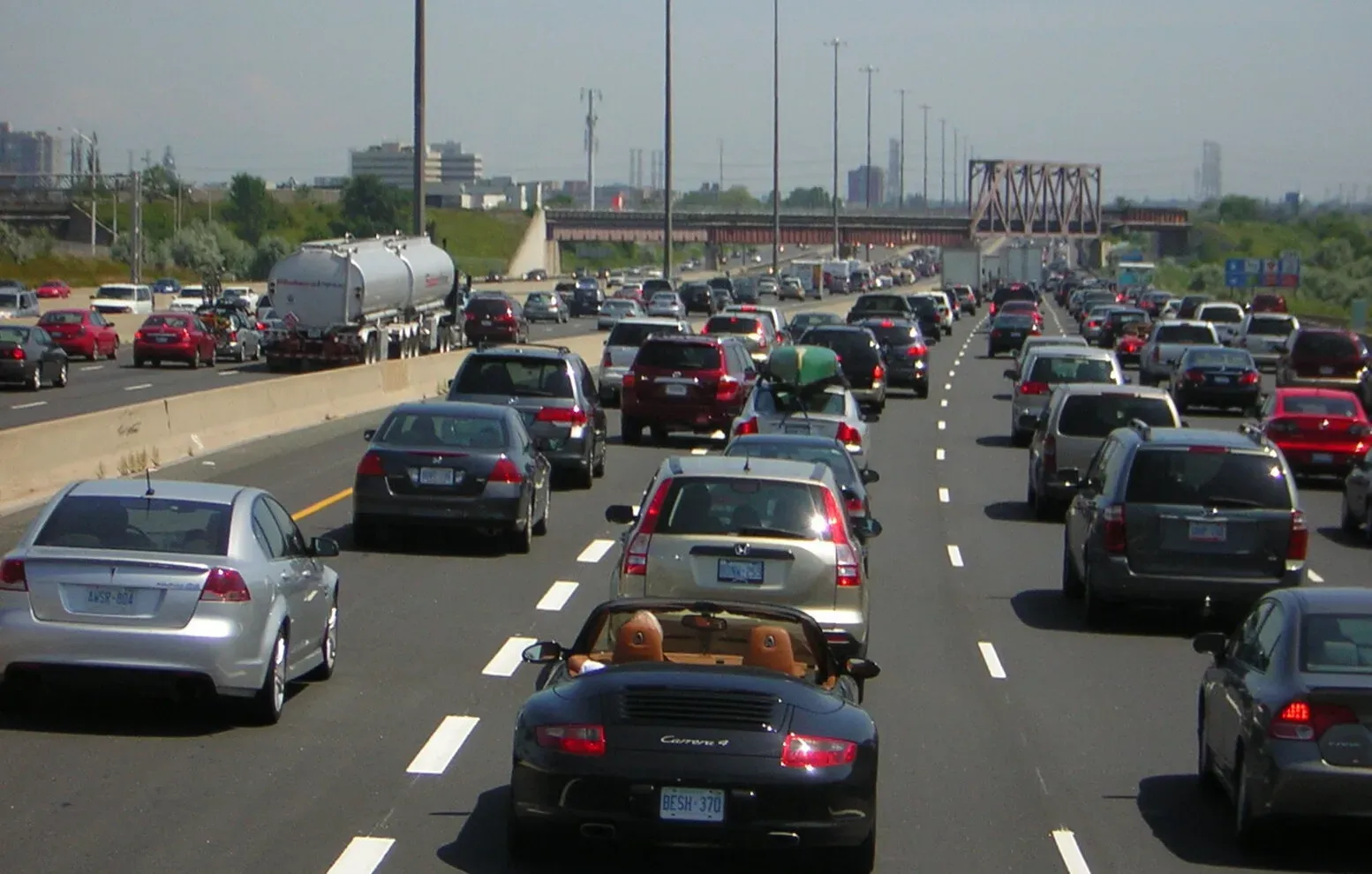
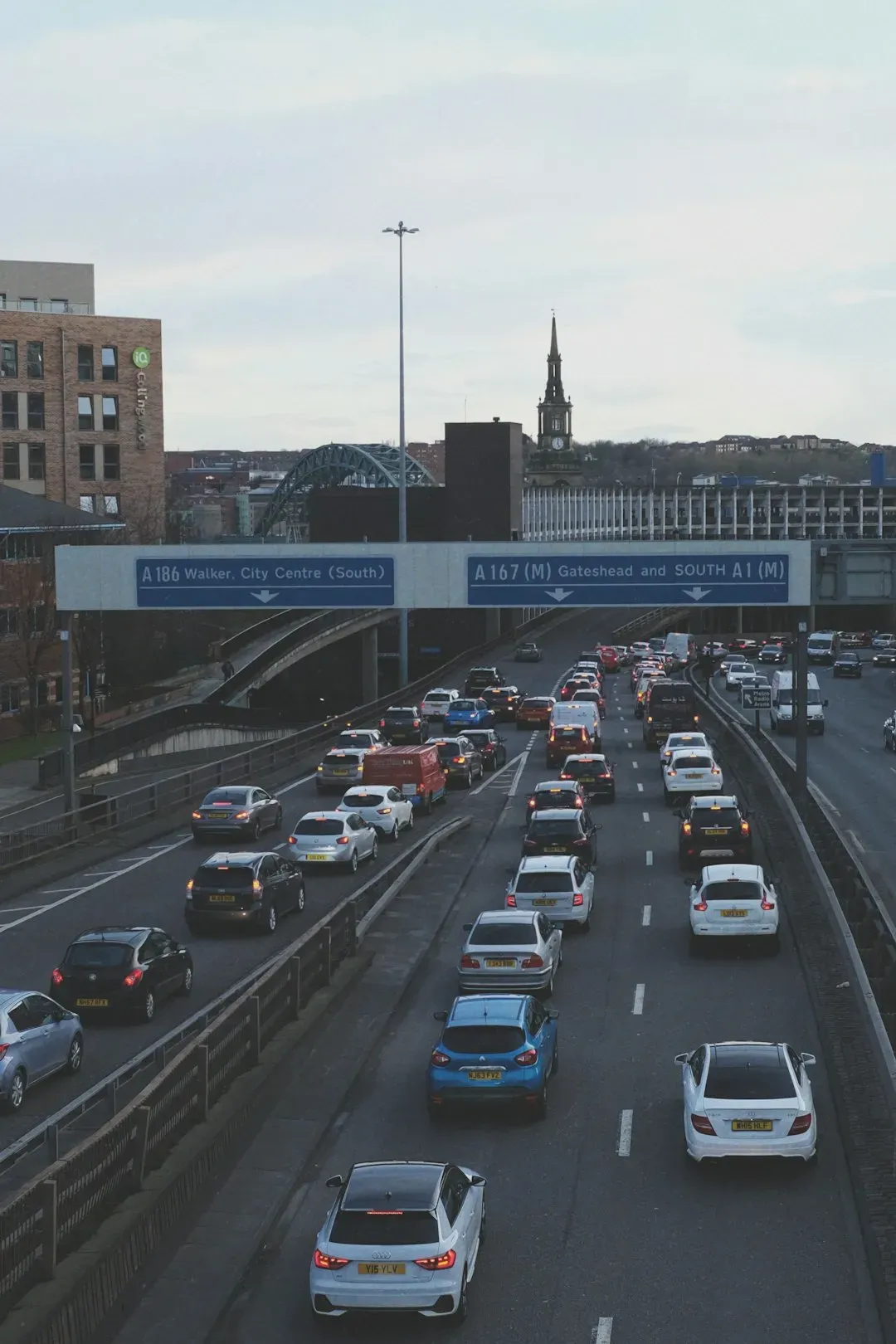
Here’s the thing about Strip traffic: it never really stops. The Strip is slow-going most of the time and turns into a virtual car park when the town is busy. That is not an occasional inconvenience. That is the baseline condition on Las Vegas Boulevard, essentially all day, every weekend, and most weeknight evenings.
The average driver in the Las Vegas Metro spent 41 hours sitting in traffic in 2022, according to INRIX data, and time lost due to traffic in rush hour in Las Vegas reached 43 hours in 2025 according to TomTom Traffic Index figures. That is nearly two full days of your life lost to congestion every single year. No wonder locals have quietly mapped out every back road that bypasses the Boulevard entirely.
Rush hour in Las Vegas typically occurs between 7:00 and 9:00 a.m. and 4:00 and 6:00 p.m., with I-15, I-215, and US-95 being the busiest highways, and during this time, traffic congestion can increase commute times by up to 30%. On weekends, there is essentially no off-peak window near the Strip at all.
Convention Season Turns the City Into Organized Chaos


CES alone brings over 100,000 attendees to Las Vegas each January, according to the Consumer Technology Association. That is 100,000 extra people flooding hotels, restaurants, rideshares, and roads within the span of a few days. And CES is just one of dozens of mega-conventions that roll through annually.
A total of 3.2 million visitors came to Las Vegas for conventions in the first half of 2025 alone, a 1.5% increase compared to the corresponding period in 2024. For residents, each convention week feels like the city is being borrowed by a different industry’s entire global workforce. Convention areas are actually very busy with conference visitors, both at the convention center itself and in the surrounding streets, bars, and restaurants. The spillover into everyday local life is real and relentless.
The Cost of Everything Has Become Insulting

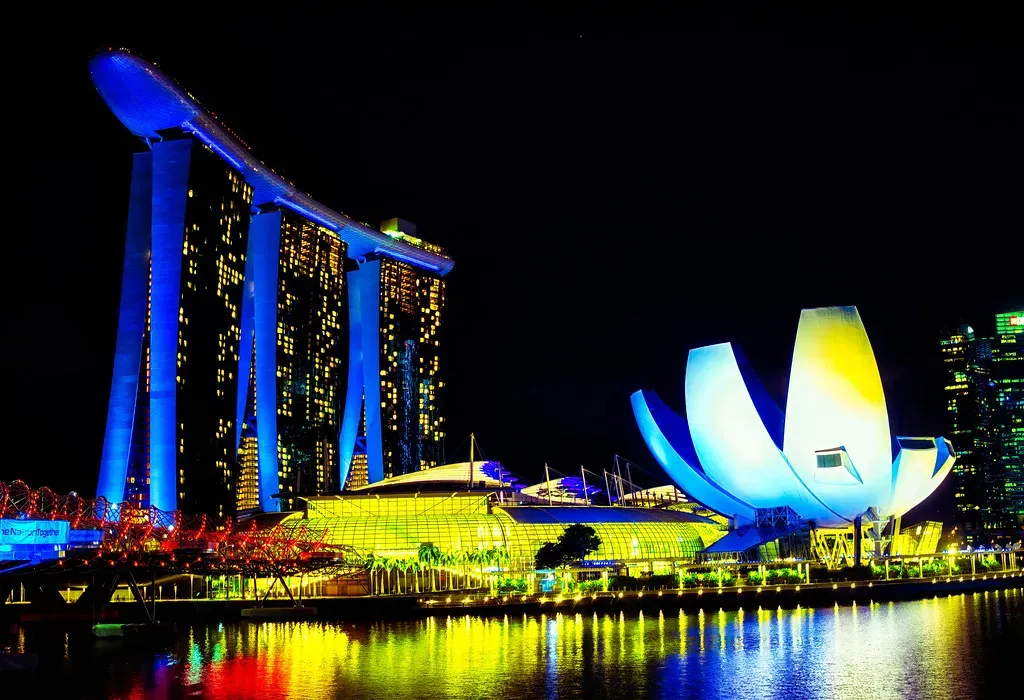
Honestly, even locals who might tolerate the crowds draw the line at the prices. The New York Times noted that soaring prices extend to everything: parking, bottled water, and entertainment. Resort fees, typically around $50 per night on top of room rates and taxes, have become standard. Those prices do not disappear when a local wants to catch a show or grab dinner near the Strip.
Most table games in 2025 force patrons to sacrifice painful amounts of cash, with $25 minimums basically standard. Fifty-dollar minimums are not uncommon either. Compare that to the Boulder Strip or downtown locals casinos, where table limits remain far more accessible. Downtown casino revenues increased by more than 10% year on year partly because the lower table limits and cheaper hotels, food, and beverages make it appeal to locals and a different demographic of visitors.
Housing Costs Have Pushed Locals Physically Further Away

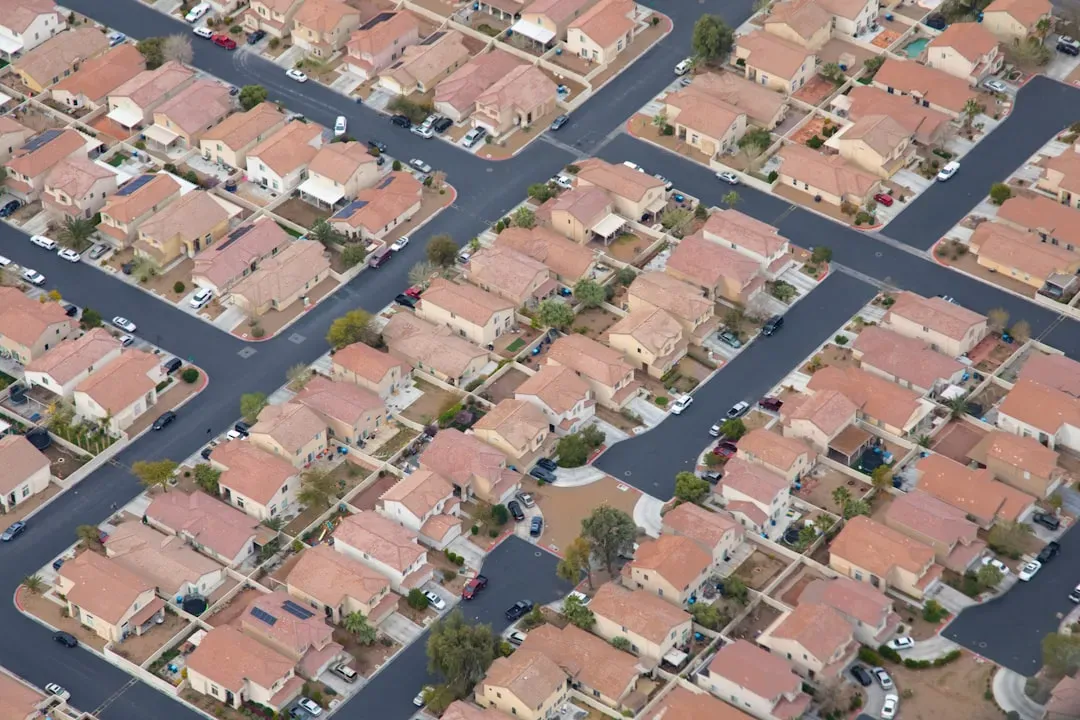
The relationship between tourism pressure and housing costs in Las Vegas is not imaginary. Between 2019 and 2023, rent in the Las Vegas metro area increased by 34%, while wages during that period only increased by 14%, according to NPR reporting on National Low Income Housing Coalition data. That gap is brutal for anyone earning a local wage.
Rent increases ranged from 25% to 40% between Fall 2020 and Spring 2022 in the Las Vegas market. The result is that many longtime residents have been pushed into suburbs like Summerlin, Henderson, and North Las Vegas, simply because proximity to the Strip has become financially impossible. About 70% of low-income Nevadans are considered to be cost-burdened by their housing costs, according to a 2024 report from the National Low Income Housing Coalition.
The Locals Have Built Their Own Las Vegas
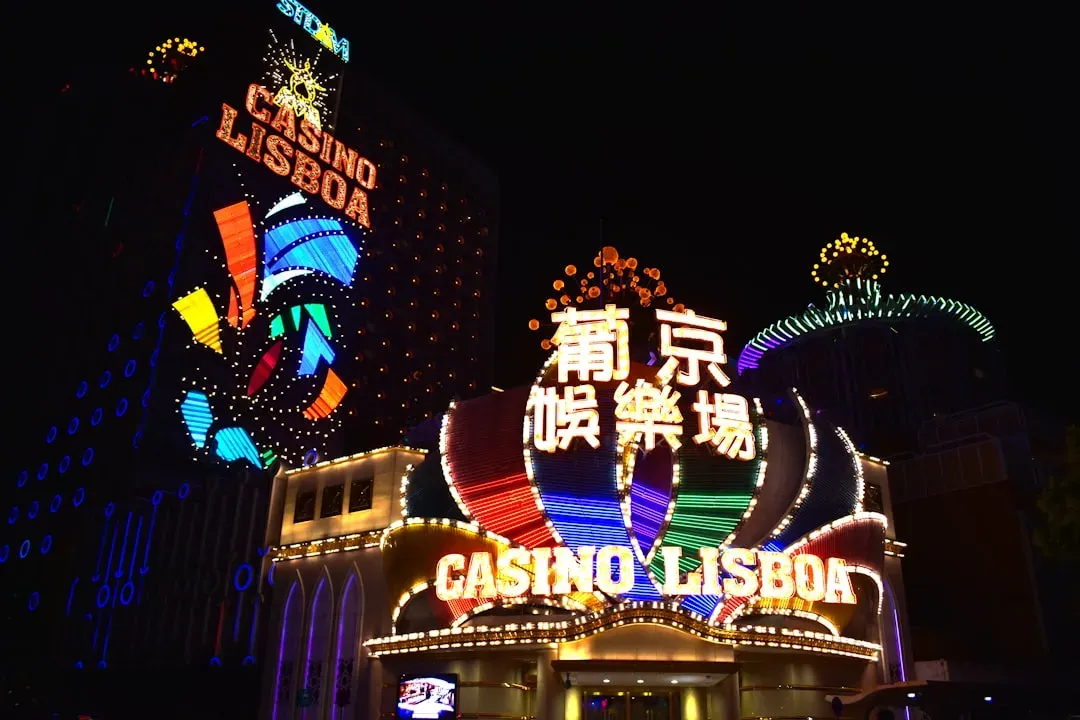
Here is what most tourists never realize: residents have effectively built a parallel city. The bright spot in Southern Nevada in 2025 was the Las Vegas locals market. While the Strip struggled, other areas of Clark County prospered, with fourth-quarter gaming revenue in the locals market reaching record totals, backed by dominant operators in areas outside of the Strip like Red Rock Resorts and Boyd Gaming.
Boulder area casinos, which are predominantly visited by locals, showed an increase of more than 19% year on year. That is not a small shift. That is a community actively choosing to spend its entertainment dollars somewhere that feels like it belongs to them. Henderson is known for its clean, safe, and family-friendly atmosphere, making it a great choice for those looking to escape the chaos of the Strip.
Summerlin and Henderson: The Real Local Sanctuaries

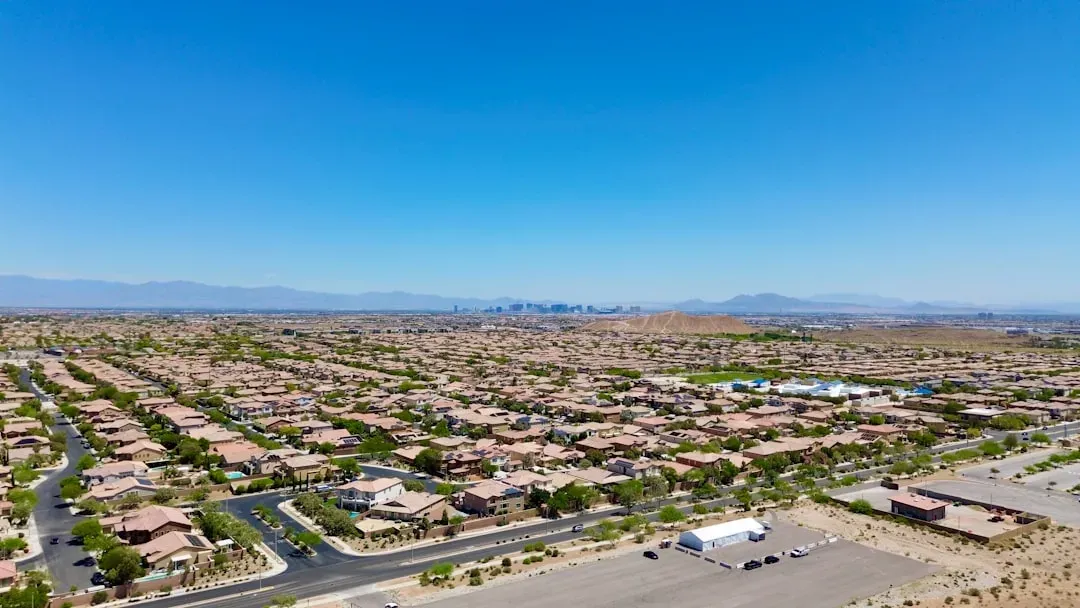
As more families and professionals seek space, safety, and a sense of community, suburbs like Summerlin, Henderson, and Skye Canyon are booming, providing modern amenities, strong school districts, and access to parks, trails, and local dining. These are not compromise neighborhoods. They are genuinely desirable places to live, and they happen to be far enough from the Strip to feel like a different world.
Consistently ranked as one of the best master-planned communities in the nation, Summerlin has earned its reputation as Las Vegas’s premier family destination, located in the northwest valley against the stunning backdrop of Red Rock Canyon. You will find over 250 parks, more than 150 miles of hiking and biking trails, and community pools scattered throughout. Meanwhile, Henderson lies southeast of the Las Vegas Strip and is Nevada’s second-largest city, combining urban conveniences with suburban neighborhoods and offering easy access to Lake Mead, shopping districts, and family-friendly parks.
The Ride-Share Surge Makes Getting Around Even Harder

Las Vegas ranks among the top U.S. cities for ride-hail demand during conventions and holidays, according to transport analytics reports. During major events, surge pricing makes a simple trip across town feel like a luxury purchase. For locals who rely on rideshares for their own evening plans, competing with tens of thousands of convention-goers is an exercise in frustration and expense.
Las Vegas also has a lot of drive-in visitors from nearby states, which means the number of vehicles in town ebbs and flows depending on what is going on, and major trade shows, concerts, or sporting events throughout the year can bring a lot more traffic into the city. The problem compounds itself. More visitors mean more rideshare demand, which inflates prices and reduces availability, which then clogs surface roads with even more private vehicles. It is a feedback loop that locals have simply learned to sidestep entirely.
The Overtourism Reality Behind the Glamour
Clark County has faced ongoing regional planning discussions about overtourism strain on infrastructure and quality of life, with residents voicing concerns that rarely make the tourism brochures. The numbers are catching up to a story being told by locals and visitors for several months now, of an eerily empty Vegas Strip and deserted casino floors in certain periods, suggesting the unsustainable pendulum is starting to swing back.
Las Vegas was viewed as being overpriced when tourism dropped off during the summer. That perception came from visitors. Locals have felt it for years. After the pandemic boom, Las Vegas seemed to think it could charge pretty much anything: hotels, shows, food, even parking. While people were eager to travel post-pandemic, now, with inflation and general economic worries, many folks are watching every dollar. The city’s long-term residents were watching their dollars long before that reckoning arrived.
The Survival Guide: How Locals Actually Stay Sane

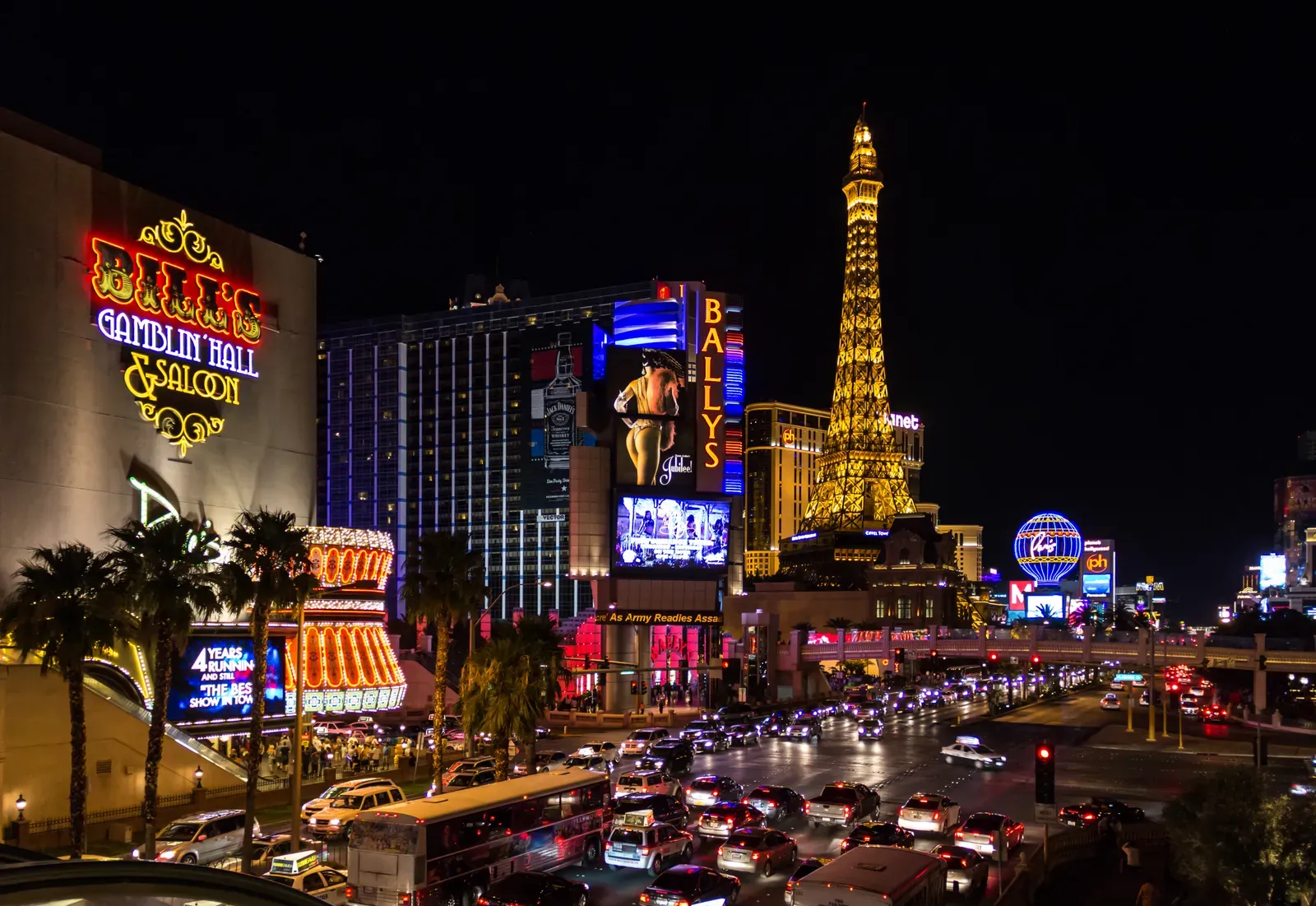
So what do residents actually do? They follow unwritten rules that every long-timer knows by heart. Avoid the Strip on Friday and Saturday nights entirely. Schedule any necessary Strip visits on Tuesday or Wednesday mornings, ideally before noon. Conventional wisdom states, if at all possible, don’t come into Las Vegas on a Friday and don’t leave Las Vegas on a Sunday, and locals apply this same logic to their own neighborhood travel around Strip-adjacent areas.
Residents swap Strip restaurants for dining in Chinatown, Spring Valley, and Downtown Summerlin, where the quality is often better and the vibe is genuinely local. From the peaceful charm of Summerlin to the cultural hub of the Arts District, these alternative neighborhoods offer a great escape from the crowds and offer a glimpse into the true character of Las Vegas. Staying sane in this city is less about enduring the Strip and more about knowing it is entirely optional most of the time.
Las Vegas is two cities sharing one zip code. There is the one on the postcards, and then there is the real one where people actually live, shop, raise kids, and build lives that have nothing to do with blackjack tables or neon signs. The locals know which one they prefer. Now you do too. Which version of Las Vegas sounds more like home to you?