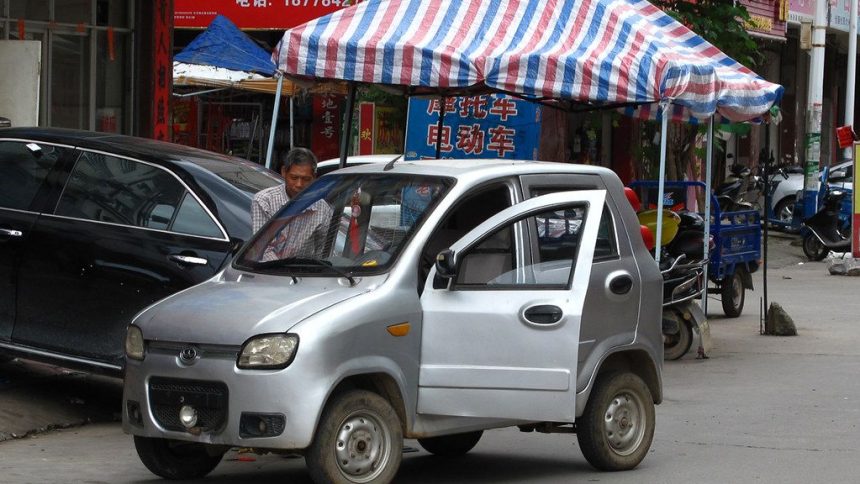
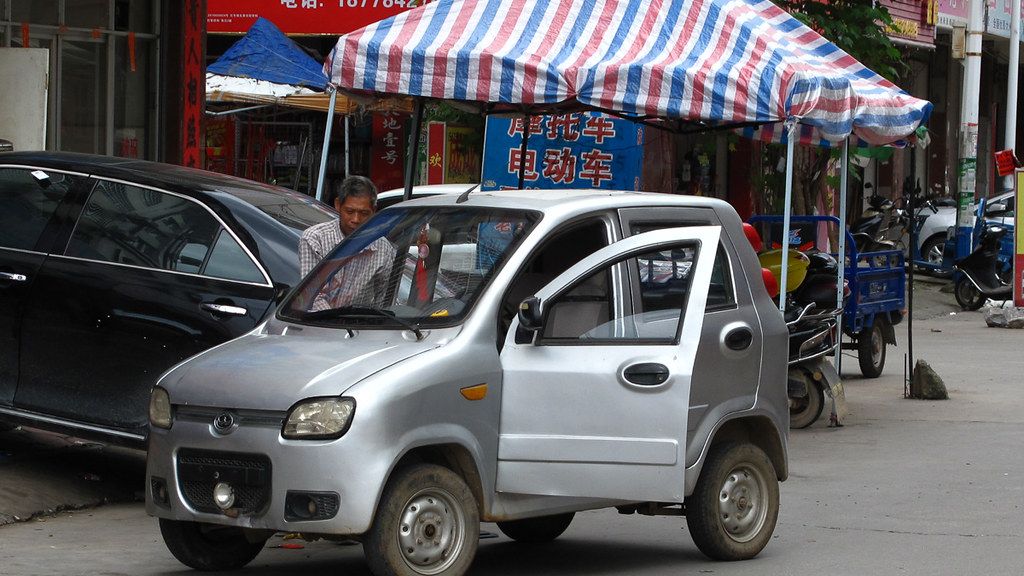
5 Things American Car Companies Can Learn From Chinese Automakers – Image for illustrative purposes only (Image credits: Flickr)
The average price for a new car in the United States recently exceeded $50,000, according to data from Kelley Blue Book.[1] Chinese consumers, however, purchase advanced electric vehicles starting at about $11,000.[1] Reports indicate that the cost of one typical American vehicle equates to five such Chinese EVs.[2] This gap underscores how Chinese firms have surged ahead in production efficiency and market appeal, prompting U.S. automakers to examine their approaches closely.
High tariffs currently block direct Chinese imports into the U.S. market, exceeding 100% on EVs. Yet global competition grows in regions like Europe and Asia, where Chinese brands erode traditional U.S. strongholds. Detroit’s established players must evolve to maintain relevance amid shifting trade dynamics and consumer demands.
Prioritizing Aggressive Pricing
Chinese automakers deliver competitive vehicles at fractions of U.S. prices while maintaining profitability. For instance, BYD offers its Seal sedan, a rival to the Tesla Model 3, for around $24,000 in China.[1] The smaller Seagull model sells for approximately $11,000, packed with modern features.[1] These prices stem from advantages in battery production, estimated at $2,000 per vehicle lower than Western counterparts, even before factoring in labor and subsidies.
U.S. firms charge premiums for comparable or lesser specs, shrinking the affordable new-car segment. Chinese gross margins often surpass those of Tesla and Volkswagen. This customer-focused pricing strategy expands market share rapidly, a model American companies could emulate to recapture budget-conscious buyers.
Streamlining Development and Integration
Traditional U.S. and European automakers require 40 to 50 months to bring a new model to market, per industry analysis.[1] Chinese EV producers cut this to about 24 months through AI simulations and digital prototyping. They also control vast portions of their supply chains, with BYD producing 75% of components in-house, including batteries and motors.[1]
Partner offer
Outsourcing has left Detroit dependent on external suppliers, slowing responses to changes. Vertical integration enables quick price cuts and design tweaks without delays. Adopting similar efficiencies would help U.S. makers iterate faster and reduce costs across the board.
| Metric | U.S./Western Automakers | Chinese Automakers |
|---|---|---|
| Average New Car Price | $50,000+ | As low as $11,000 |
| Development Time | 40-50 months | 24 months |
| In-House Components | Limited | Up to 75% |
Infusing Vehicles with Cutting-Edge Tech
Chinese cars prioritize software as a central feature, featuring expansive touchscreens, AI assistants, and over-the-air updates akin to smartphones. This tech-centric design positions vehicles as rolling computers rather than mere transports. Industry observers now rank China’s auto sector as the world’s most innovative, eclipsing former leaders like Japan and Germany.[1]
Legacy U.S. electronics hinder seamless updates, fragmenting user experiences. Chinese founders from tech backgrounds embed digital architecture from the start. U.S. companies stand to gain by overhauling systems for ongoing enhancements, meeting younger buyers’ expectations for connected mobility.
Backing Products with Strong Warranties
Standard U.S. warranties cover three years or 36,000 miles bumper-to-bumper. Chinese brands extend this to seven or eight years globally, with BYD guaranteeing batteries for eight years and 250,000 kilometers.[1] Extended coverage demands rigorous engineering, signaling deep confidence in durability.
Shorter U.S. terms reflect cautious manufacturing practices. Implementing longer warranties could compel quality improvements and differentiate brands. Consumers respond to such commitments, fostering loyalty in competitive arenas.
Key Takeaways: Chinese dominance stems from cost leadership, speed, integration, tech focus, and bold warranties. U.S. sales lag globally – BYD moved 2.26 million battery vehicles in 2025, topping Tesla’s 1.64 million.[1] Adaptation now secures future market positions.
U.S. automakers once dismissed Japanese rivals in the 1970s and improved only after losses mounted. History urges proactive change over protectionism. Chinese methods promise better vehicles for American drivers if embraced.
Partner offer
Planning a trip to Vegas?
Compare hotel rates and show tickets on VEGAS.com.