Most of us walk into a cinema with a plan. Buy a ticket, grab a snack, find a seat, enjoy the film. Somewhere between the box office and the final trailer, a few small nudges quietly steer what we spend and how we feel about it.
None of these tricks are illegal, and most are simply smart retail. Still, knowing how they work can make your next visit a little cheaper and a lot less irritating.
The Concession Size That Makes the Big One Look Cheap
Walk up to the counter and you’ll usually see three sizes of popcorn or soda. The small is priced high, the medium is only slightly cheaper than the large, and the large looks like the obvious bargain. Retailers call this decoy pricing, and behavioral economists have studied versions of it for years. The middle option often exists mainly to make the biggest one feel sensible.
The reason theaters care is simple. Studios typically take a large share of ticket revenue, especially in a film’s first weeks, so concessions are where cinemas make much of their profit. Popcorn is cheap to produce and expensive to sell, which is why the upsell is so persistent. If you only want a handful, the small bag or sharing one tub is often the better deal.
Premium Format Labels That Sound Better Than They Are
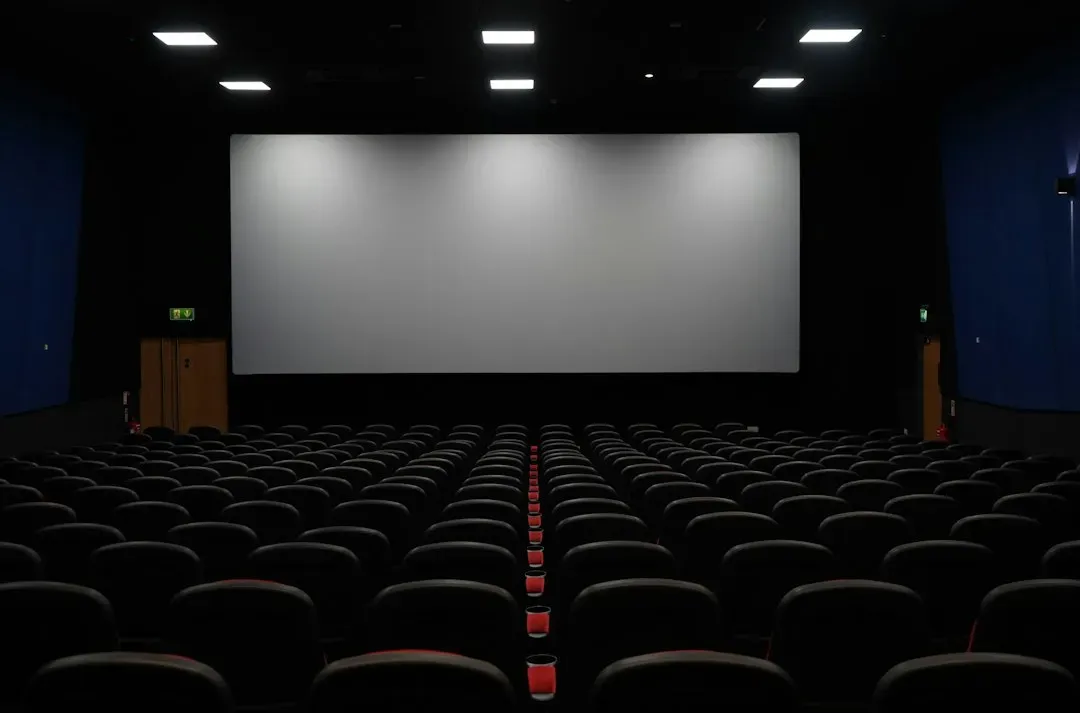
Large screen and premium formats have become a major selling point, and the labels can be confusing. IMAX, Dolby Cinema, ScreenX, 4DX and house brands like “PLF” all promise something special, yet the experience varies a lot between locations. Some IMAX auditoriums use massive screens with laser projection, while others are retrofitted rooms that are only modestly bigger than a standard one.
The surcharge, however, tends to be the same either way. Film fans and reviewers often point out that screen size, projector type and sound system matter more than the logo on the poster. A quick look at the theater’s own page, or a few recent audience reviews, can tell you whether the upgrade is worth the extra money.
The Showtime That Isn’t Really the Start Time
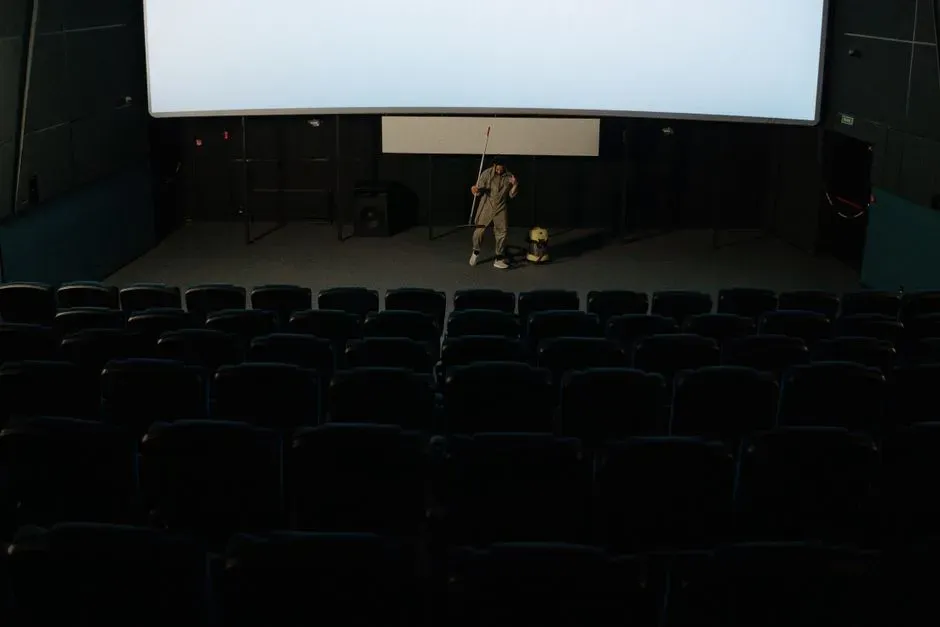
You arrive at the listed time, sit down and find yourself watching ads. That’s by design. The posted showtime generally marks when the auditorium program begins, not when the movie does, and the gap is filled with commercials, promotions and trailers.
Trailers run longer on some screens than others, and the total can easily stretch toward twenty or thirty minutes. Cinemas usually benefit from you being seated early, since it keeps the room calm and sets up one more chance to buy concessions. If you want to skip most of it, arriving around fifteen minutes after the listed time often works, though you might miss a trailer you’d have liked.
Online Convenience Fees on Tickets
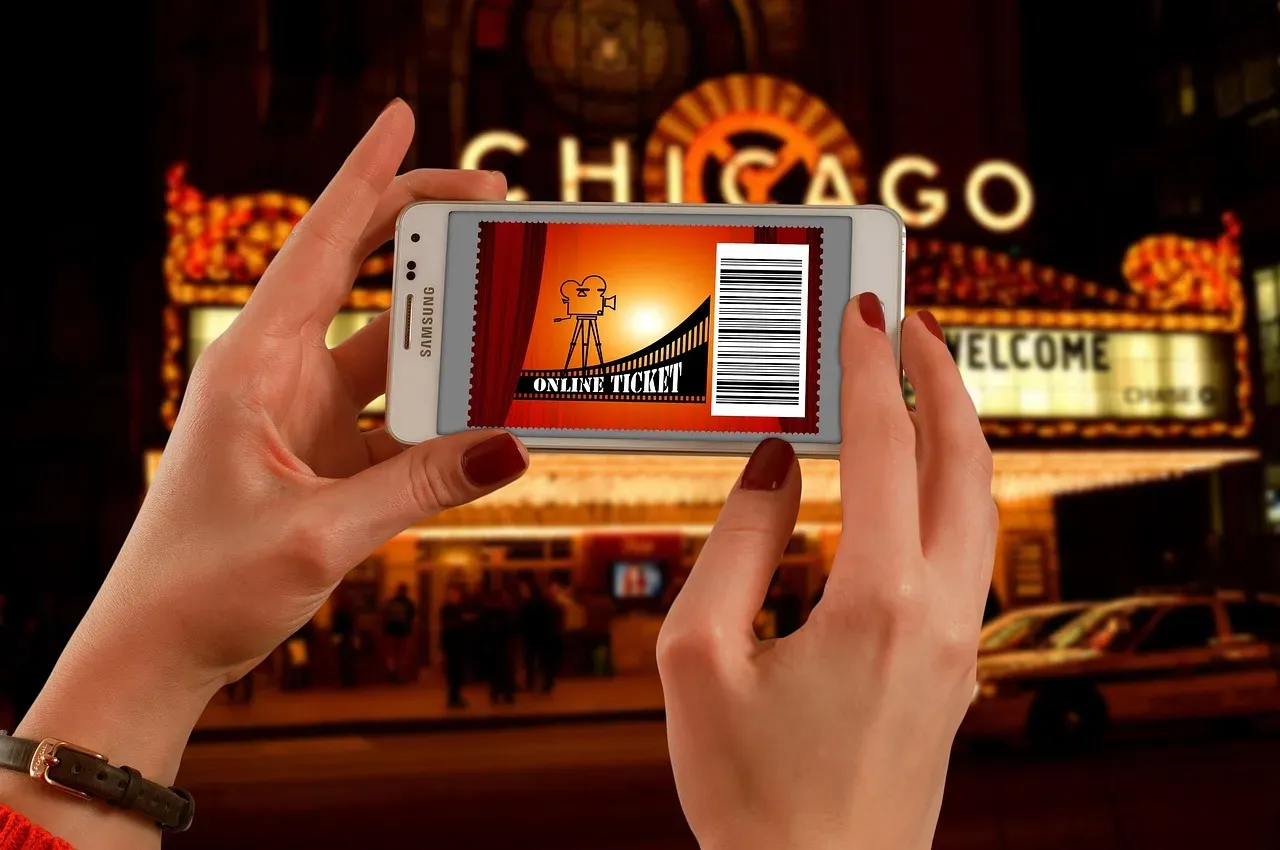
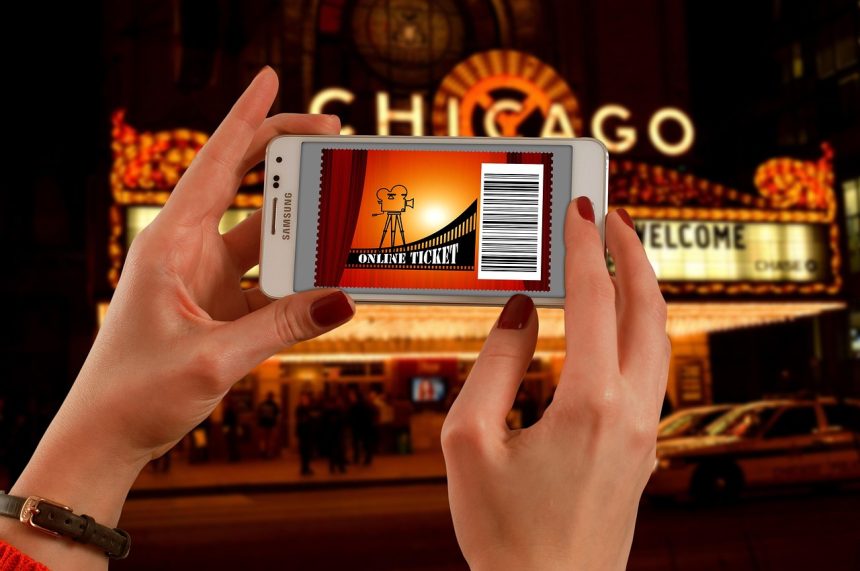
Buying ahead feels like the savvy move, especially for a big opening weekend. Many chains and third party ticketing sites, though, add a convenience fee on top of the ticket price, and it only appears late in checkout. The fee is small enough that most people accept it without a second thought.
It’s worth comparing the total at each step, including the theater’s own app and the box office window. Some chains waive fees for loyalty members, and some locations charge nothing for tickets bought at the counter. Reserved seating can be a fair reason to pay a little extra, but it’s a choice rather than a requirement.
Subscription Plans and Loyalty Perks That Reward Not Using Them

Monthly movie passes, such as the programs offered by major chains like AMC, Regal and Cinemark, are marketed as a way to save money. They do work for people who go often. Yet the business model depends partly on members who pay every month and visit less than they planned.
Loyalty programs use a similar psychology. Points, tiers and bonus offers make you feel like you’re earning something, which can nudge you toward extra visits or bigger snack orders. Do the math before you sign up: compare what you’d normally spend per month with the plan’s price, and check for exclusions on premium formats and booking fees.