Some films resist being described through plot alone. You finish watching and realize you can’t quite summarize what happened, only how it felt. The visuals, the pacing, the music, the silences – it all converged into something closer to a listening experience than a viewing one.
That’s a particular kind of cinema. Not every director aims for it, and not every audience welcomes it. Still, when a film genuinely achieves that quality, it stays with you the way a favorite record does – not for what it said, but for how it made the room feel different. Here are five films that pull that off.
The Tree of Life (2011) – A Symphony in Four Movements
The Tree of Life builds an ethereal, impressionistic sense of movement and time that ebbs and flows like a memory or a dream, eliding typical narrative dictates of plot in favor of immersing viewers in what it feels like to move through a life. That description almost sounds like criticism. It isn’t. Malick wasn’t making a conventional film – he was building something closer to a scored philosophical meditation.
Visual, musical, and thematic motifs repeat and echo throughout. “He was interested in a non-narrative style,” cinematographer Paul Ryan noted. “The cinematic equivalent of how, say, Beethoven had structured his symphonies.” Music flows through nearly every frame, with the soundtrack featuring works by Bach, Berlioz, Mahler, Holst, Górecki, and others, alongside original cues by Alexandre Desplat. The film premiered in competition at the 2011 Cannes Film Festival, where it was awarded the Palme d’Or.
Moonlight (2016) – Three Chapters, One Unbroken Feeling
The film is divided into distinct chapters in a young man’s coming-of-age story, with interstitial titles referring to names the character is known by: Little, Chiron, and Black. The film’s original score, composed by Nicholas Britell, applied a chopped and screwed technique of hip-hop remixes to orchestral music, producing a “fluid, bass-heavy score.” This fusion is stranger and more effective than it sounds on paper – it creates something that feels genuinely new.
One of the key things for Moonlight is that it is in three chapters. The question becomes: how do you link these chapters? How do you create cohesion while at the same time allowing for a journey? The chopped and screwed aesthetic became one of the avenues to find the path. Moonlight made history at the Oscars, becoming the first film with an all-Black cast and the first LGBTQ film to win Best Picture. The score was there for all of it, quietly holding the emotional throughline together.
Lost in Translation (2003) – A Soundtrack That Thinks for the Characters

Kevin Shields, the guitarist and principal songwriter of My Bloody Valentine, composed four original instrumental tracks for the Lost in Translation soundtrack. These pieces marked Shields’ first significant new material since My Bloody Valentine’s 1991 album Loveless, and were created specifically to underscore key scenes in Sofia Coppola’s film. Shields drew on his signature dream pop and shoegaze techniques, including heavily processed guitars, looping, and ambient textures to evoke a sense of hazy introspection.
Partner offer
By assembling a personal array of needle drops from shoegaze anthems to upbeat electronica, the soundtrack exemplified a “film-as-mixtape” approach, where pre-existing songs form an emotional narrative akin to a well-worn cassette compilation. This stylistic choice, emblematic of Sofia Coppola’s auteurist method of using music to articulate unspoken feelings, influenced subsequent indie film soundtracks that prioritized eclectic, character-driven selections over original scores. Rolling Stone named it one of their “25 Greatest Soundtracks of All Time” for its power to evoke a mood and a moment in time.
Call Me by Your Name (2017) – A Ballad That Doesn’t Rush Itself
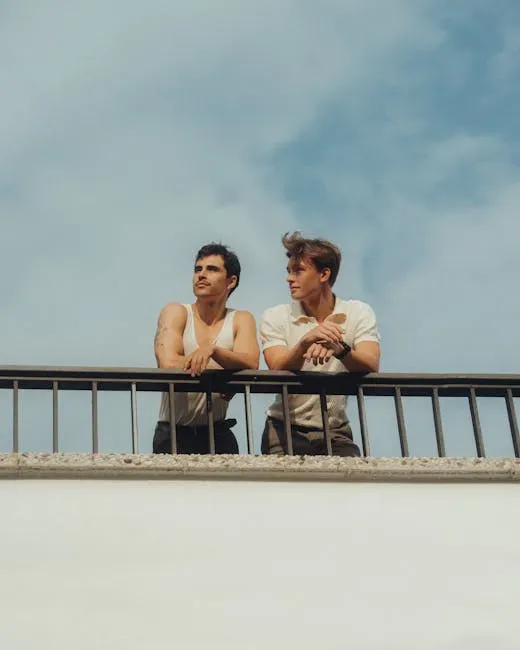
Set in the shimmering Italian countryside, Call Me by Your Name is as languid and emotional as a slow, heartfelt ballad. Director Luca Guadagnino crafts every frame with a painter’s eye, letting the story unfold in warm, lazy afternoons and starlit nights. The movie’s pace is unhurried, giving you space to linger on every glance and whispered confession.
Sufjan Stevens’s gentle, evocative songs become the emotional spine of the film, echoing the characters’ longing and heartbreak. Many viewers say the film feels like reliving a memory set to music. Since its release, the film has inspired countless playlists and even academic essays on how music and visuals blend to evoke emotion, cementing its reputation as a cinematic ballad. Stevens’s contribution, particularly the track “Mystery of Love,” earned him an Academy Award nomination for Best Original Song.
Before Sunrise (1995) – A Conversation Paced Like a Folk Song

Before Sunrise is built on conversation, and those conversations flow like a gentle acoustic song – thoughtful, unhurried, and full of small, poignant moments. Richard Linklater’s film follows two strangers wandering Vienna, falling in love in real time. The dialogue is improvisational and natural, much like listening to friends jam late into the night. There’s a sense of intimacy, as if you’re eavesdropping on something private and rare.
The film’s structure, unfolding over a single night, mimics the arc of a folk tune: hopeful, vulnerable, and bittersweet. Ethan Hawke and Julie Delpy’s chemistry is so authentic it almost feels unscripted – Linklater encouraged the actors to co-write some of their scenes. The tone is featherlight yet searching, paced like a favourite album side. Two sequels followed across the next two decades, each one landing at a different point in life’s melody, and none of them broke the spell the first one created.
What unites these five films isn’t a shared genre or style. It’s a shared tempo – one that trusts the audience to stay with a feeling rather than chase a plot. In a landscape where so many films move at the speed of anxiety, these ones breathe. They ask you to slow down and simply sit inside a mood, which is, when you think about it, exactly what a good song does.
Partner offer
Planning a trip to Vegas?
Compare hotel rates and show tickets on VEGAS.com.