Music festivals used to feel like accessible escapes, places where you could lose yourself in sound without losing your savings. Not anymore. Over the past few years, ticket prices have skyrocketed at an alarming rate, leaving fans wondering whether the experience still justifies the cost. Concert ticket prices increased 80.5% since 2021, which is roughly four times faster than general inflation. That’s a staggering jump in just a few years.
Ticket prices for Electric Forest have risen more than for any other festival, nearly doubling with a 97% increase from 2014 to 2024. Meanwhile, major events like Coachella, Glastonbury, and Lollapalooza continue to push their prices higher each year. Some argue the production value and artist lineups justify the expense. Others feel priced out of experiences they once considered essential. Let’s dig into five festivals where the cost keeps climbing and examine whether they’re still delivering value or simply capitalizing on hype.
Coachella – The Desert Dream Getting Pricier Every Year

Coachella remains one of the most iconic music festivals in the world, but attending it now requires some serious financial planning. Three-day GA tickets for Coachella in 2025 cost $549, and that’s before you factor in parking, food, lodging, or travel. Coachella started in 1999 with daily tickets at just $50, but by 2024 that same ticket had risen to $166. When you adjust for inflation alone, that increase far outpaces what would be expected.
Still, Coachella offers something few other festivals can match. The lineup consistently features some of the biggest names in music, and the desert setting in Indio, California, creates an atmosphere that’s hard to replicate. The art installations alone are worth photographing, and the sheer scale of the event makes it feel like more than just a concert. For those who can afford it, Coachella remains a bucket-list experience. Whether it’s worth the growing price tag depends on how much you value being part of the cultural moment it represents.
Glastonbury – A British Institution With Rising Costs

General admission tickets for Glastonbury 2025 cost £373.50 plus a £5 booking fee, which is an increase of £18.50 from 2024. That might not sound dramatic, but when you zoom out, the picture changes. From 1999 to present, Glastonbury Festival tickets have increased from £85 to £378, an increase of 344% over 26 years. Let’s be real, that’s a massive hike for a festival that prides itself on being accessible.
Yet Glastonbury remains notoriously difficult to get tickets for, with coach and ticket packages selling out in just 32 minutes and standard tickets gone in 35 minutes in 2024. The demand clearly hasn’t cooled despite the rising prices. Part of Glastonbury’s appeal is its sheer variety – it’s not just music, but theater, circus acts, and art installations spread across a sprawling site. The festival also donates significant portions of its profits to charity, which softens the blow for some attendees. Still, with the total cost of attending now exceeding £1,000 when you factor in travel, food, and camping gear, it’s becoming a luxury rather than a rite of passage.
Lollapalooza – Chicago’s Premier Fest With Premium Pricing
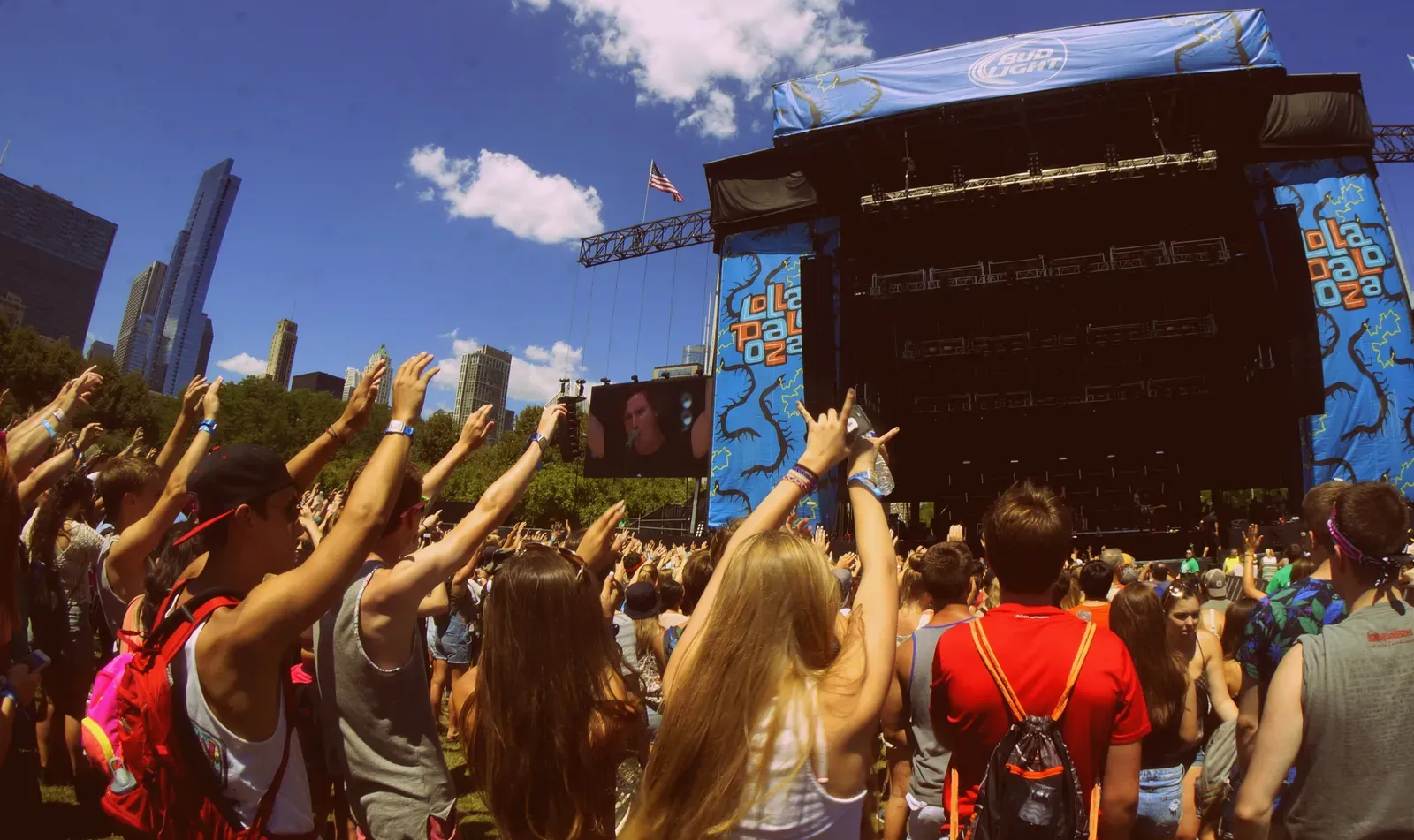
Lollapalooza has always been a major player in the festival circuit, drawing huge crowds to Chicago’s Grant Park every summer. In 2025, general admission to Lollapalooza runs around $385, and that’s just for the four-day pass. A Lollapalooza one-day general admission pass costs $189, which adds up quickly if you’re trying to attend multiple days without committing to the full experience.
The festival does offer something unique – it’s set in the heart of a major city rather than a remote field, which means easier access to hotels, restaurants, and other amenities. The lineup tends to be diverse, spanning rock, hip-hop, electronic, and pop, which appeals to a broad audience. However, the cost has become a barrier for many younger fans, especially when you add in travel and accommodation in one of America’s pricier cities. Honestly, Lollapalooza still delivers a solid experience, but whether it’s worth nearly four hundred bucks depends on how much the specific lineup speaks to you.
Tomorrowland – The Belgian EDM Wonderland With Sky-High Tickets
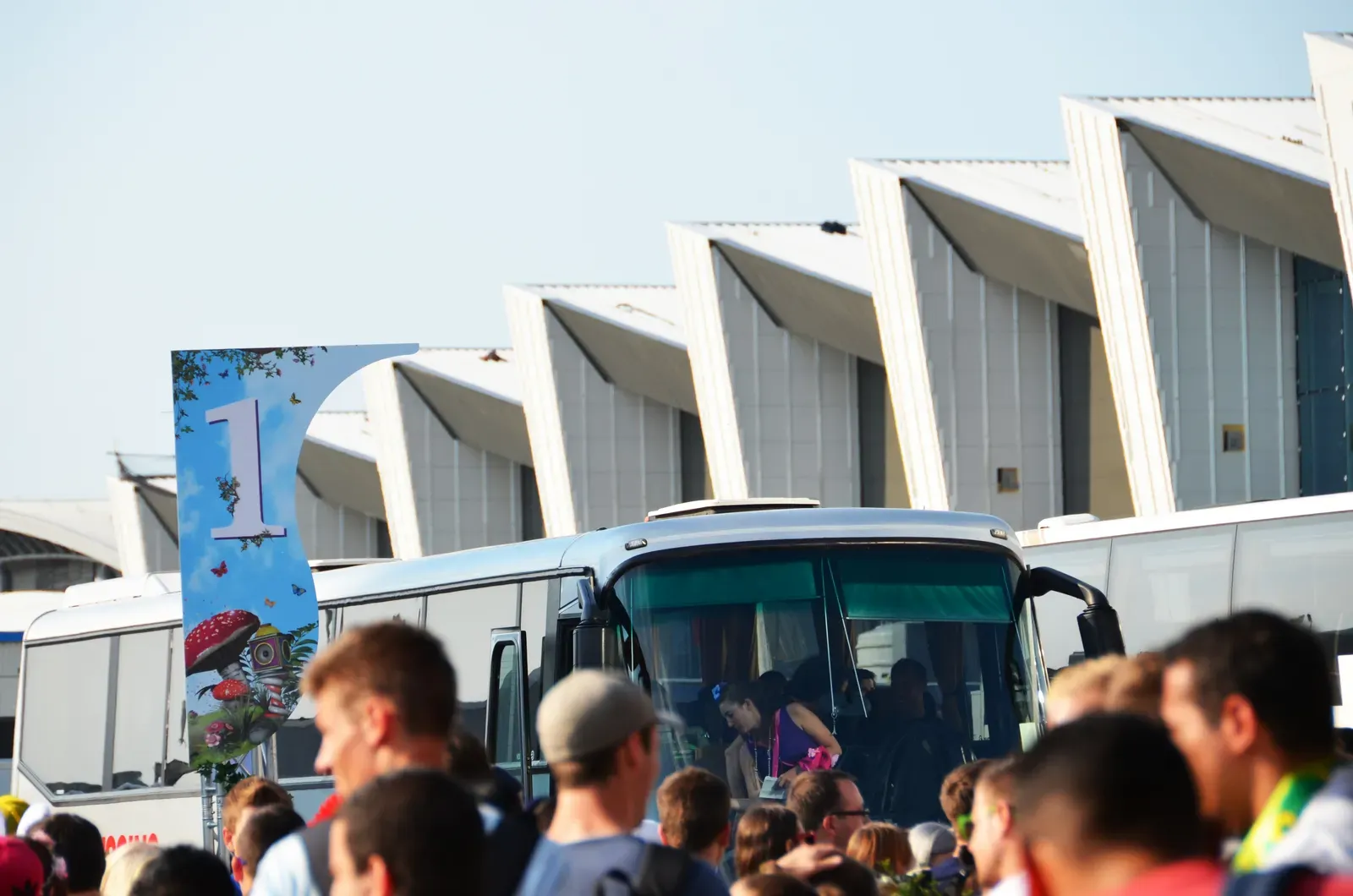
Tomorrowland is often considered the crown jewel of electronic music festivals, and the prices reflect that status. In 2025, the cheapest one-day pass costs €143, while the most premium whole-festival pass costs €5,680, though a basic pass for all festival days was about €281. That range is staggering. For most attendees, you’re looking at spending well over a thousand euros when you include camping, food, and travel to Belgium.
What you get for that money is an immersive experience unlike almost any other festival. Tomorrowland’s stage production is legendary, with elaborate designs and special effects that make you feel like you’ve stepped into another world. The festival attracts top-tier DJs from around the globe and fosters a sense of community among electronic music fans. The question is whether the spectacle justifies the expense, especially when you could attend multiple smaller festivals for the same price. For hardcore EDM fans, Tomorrowland might still be worth the splurge. For casual attendees, it’s becoming harder to justify.
Burning Man – More Than a Festival, With Costs to Match

Burning Man is difficult to compare to traditional music festivals because it’s as much an art event and social experiment as it is a gathering for performances. Still, it deserves mention because the costs associated with attending have become astronomical. Tickets alone can range from a few hundred to over a thousand dollars depending on the tier, and that’s before you factor in the extensive preparations required.
Unlike other festivals, Burning Man demands significant investment in survival gear – water, food, shelter, and costumes that fit the event’s ethos. Many attendees spend thousands on elaborate art installations, theme camps, or custom vehicles. The “leave no trace” principle means you’re responsible for hauling out everything you bring in, which adds logistical challenges and expenses. There’s also the issue of access; the festival takes place in Nevada’s Black Rock Desert, requiring long drives and careful planning. For those who embrace its culture, Burning Man is transformative and irreplaceable. For everyone else, the financial and physical demands might outweigh the appeal.
Beyond the Ticket Price – The Hidden Costs of Festival Life

Music festival tickets alone typically cost between $200 and $600, before you factor in additional expenses like travel and food. Those extra costs can easily double or triple your total expenditure. SeatGeek estimates the average music festival ticket ranges between $200 and $600, but that doesn’t account for food and drink, travel or other purchases. When you start adding up flights, hotels, meals, and festival merchandise, the total can become staggering.
At Glastonbury, cider is likely to cost £7 a pint in 2025, a 16.7% increase from 2022’s £6 pints. Multiply that by several drinks per day over multiple days, and you’re looking at hundreds spent just on beverages. Food is similarly expensive at most festivals, often ranging from $10 to $20 per meal. Festival-goers are expected to spend £1,037.99 to attend Glastonbury in 2025, with tickets at £378.50 being 5.1% more expensive than 2024. These figures show how the true cost of attending a festival extends far beyond the ticket itself.
Are They Still Worth It?

The answer really depends on what you’re seeking. If you view music festivals as once-in-a-lifetime experiences, opportunities to see your favorite artists, and chances to connect with like-minded people, then the rising prices might feel justified. These events offer something you simply can’t get from streaming a concert at home or attending a single-artist show. The production value, the variety, and the atmosphere create memories that last.
However, The percentage of Millennials planning to attend at least one festival decreased from 30% in Q1 2023 to 23% in Q1 2025, and Gen Z’s future intent also declined by an almost identical amount. This suggests that many potential attendees are being priced out or choosing to spend their money elsewhere. While Gen Z has shown willingness to spend big on concerts, the current level of festival prices may already be hitting the limit for prospective attendees.
The reality is that music festivals are increasingly catering to those with disposable income, transforming from countercultural gatherings into premium experiences. For some, that evolution feels necessary to maintain quality and safety. For others, it represents a loss of the spirit that made festivals special in the first place. What do you think – are these festivals still delivering value, or have they priced out the very fans who built their reputations?