There’s a specific feeling that certain songs create. You know it the moment it hits you. Windows down, chest open, the world somehow feeling bigger and more possible than it did a minute ago. Honestly, very few things in life replicate that sensation quite like music. Some tracks don’t just talk about freedom. They actually make you feel it in your bones.
Freedom songs remain relevant because humans continue facing various forms of constraint. Music provides psychological empowerment, creates solidarity, and literally changes brain chemistry through dopamine release. That science is real. So is the goosebumps. Let’s dive in.
1. Bob Marley – “Redemption Song” (1980)

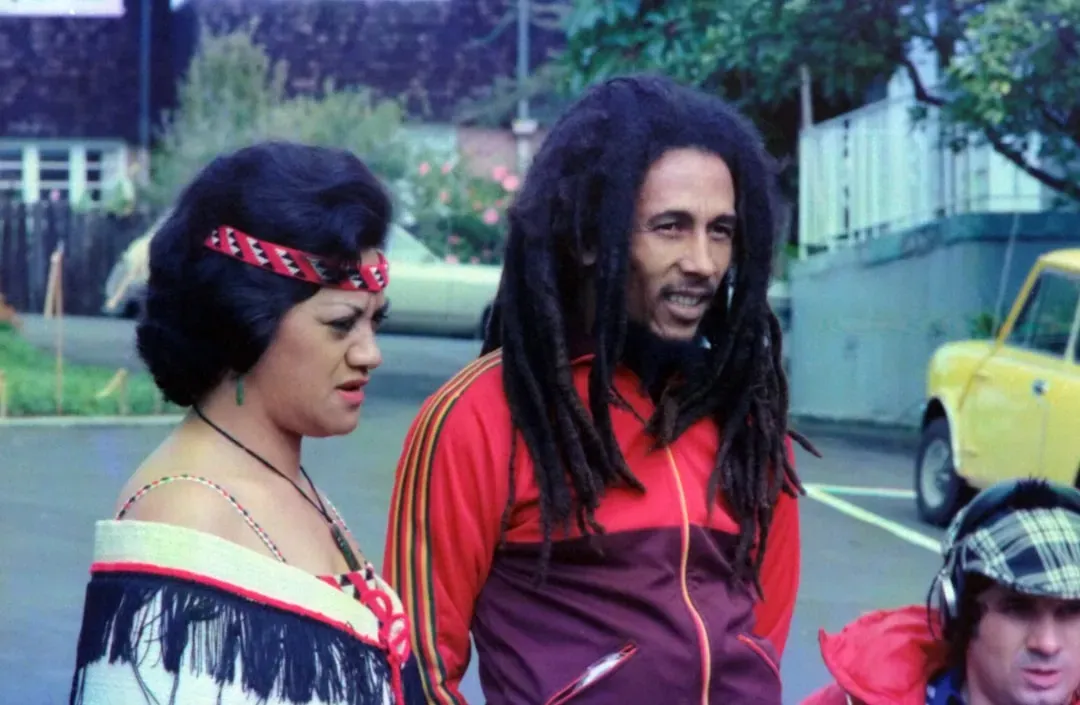
There are songs that age gracefully, and then there is “Redemption Song,” which somehow sounds more urgent with every passing decade. Some key lyrics were derived from a speech given by Pan-Africanist orator Marcus Garvey titled “The Work That Has Been Done,” and unlike most of Bob Marley’s other tracks, it is strictly a solo acoustic recording, consisting of his singing and playing an acoustic guitar, without accompaniment. That stripped-down choice was actually a bold one.
It was Island Records boss Chris Blackwell who suggested that an acoustic version might have more impact. Bob agreed, and they were right. This song didn’t need embellishment, so the acoustic version of “Redemption Song” became the final track of Uprising, the final Bob Marley album released during the singer’s lifetime. Think about that. A last testament, recorded quietly, with just a guitar.
At the time he wrote the song, around 1979, Bob Marley had been diagnosed with the cancer that later took his life. According to Rita Marley, “he was already secretly in a lot of pain and dealt with his own mortality, a feature that is clearly apparent in the album, particularly in this song.” Yet the song radiates defiance rather than defeat.
In 2004, Rolling Stone placed the song at number 66 among The 500 Greatest Songs of All Time. In 2010, the New Statesman listed it as one of the Top 20 Political Songs. Decades later, the song has been played nearly 386 million times on Spotify alone. Few songs carry that kind of quiet, unstoppable gravity.
2. Bob Dylan – “Like a Rolling Stone” (1965)

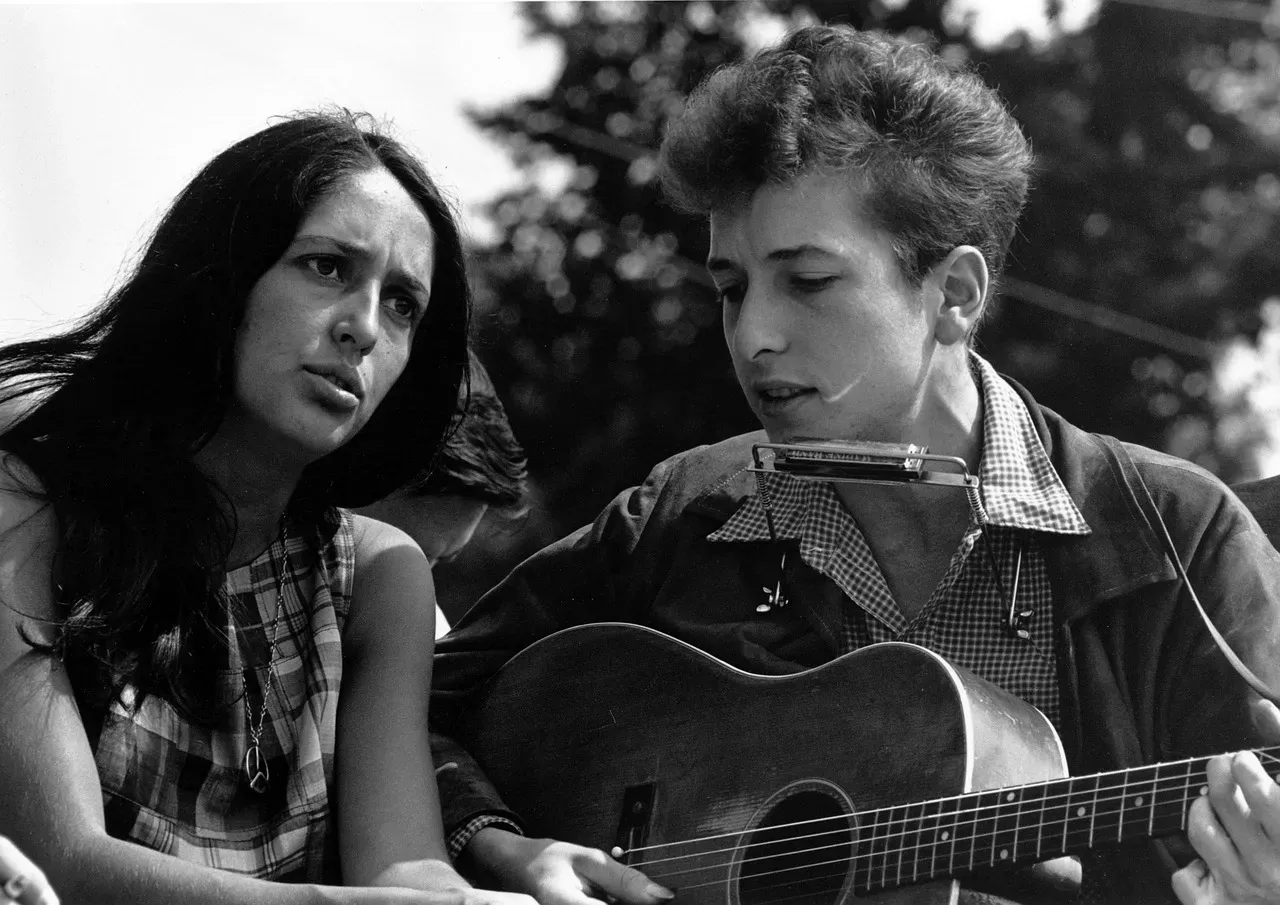
I’ll be honest: the first time most people really listen to “Like a Rolling Stone,” they don’t expect it to feel so liberating. It’s a six-minute song about falling from privilege. That doesn’t exactly scream freedom. Yet here’s the thing: it absolutely does. Bob Dylan’s “Like a Rolling Stone” is often cited as one of the greatest songs ever recorded. The lyrics are a whirlwind of imagery, telling the story of a character tossed from luxury into the unknown, an allegory for breaking free from expectations.
On June 16, 1965, folk rock singer Bob Dylan, along with a band featuring electric guitars and an organ, laid down the master take of “Like a Rolling Stone,” which would prove to be his magnum opus and arguably one of the greatest rock and roll records of all time. The sheer nerve of releasing a six-minute single in 1965 was itself an act of freedom. It was the first track over three minutes long to be released as a single.
Rolling Stone picked “Like a Rolling Stone” as the number two single of the past 25 years in 1989, and then in 2004 placed the song at number one on its list of the “500 Greatest Songs of All Time.” In 2010, Rolling Stone again placed it at the top. They then re-ranked it at number four in their 2021 list. That’s an extraordinary reign at the summit of music history.
Its harmonica blasts and organ swells feel like a wild wind blowing through your hair. For decades, artists have pointed to “Like a Rolling Stone” as a personal inspiration, crediting it for teaching them the value of creative independence. That sense of shaking off the past and heading into the great unknown is set to music. Couldn’t say it better.
3. Scorpions – “Wind of Change” (1990)


Very few songs can be accurately called the soundtrack to a geopolitical shift. “Wind of Change” is one of them. It is a power ballad by German rock band Scorpions, written by lead singer Klaus Meine. The lyrics were composed following the band’s visit to the Soviet Union at the height of perestroika, when the enmity between the communist and capitalist blocs was beginning to subside. That backdrop makes the whistled intro feel almost cinematic.
The German band the Scorpions wrote the power ballad following a 1989 concert they played in Moscow. Moved by the love the Russian people showed them, lead singer Klaus Meine has said the song was about the unifying spirit the band felt that night. It was during the time that the Soviet Union was collapsing. When the Berlin Wall fell on November 9, 1989, the song became the unofficial anthem for that amazing moment in history.
With estimated sales of 14 million copies sold worldwide, “Wind of Change” is one of the best-selling singles of all time. It holds the record for the best-selling single by a German artist. In 2005, viewers of the German television network ZDF chose this song as the song of the century. That’s not a chart statistic. That’s cultural permanence.
Partner offer

The song became associated with the Revolutions of 1989 and the Fall of the Berlin Wall, and was performed by the Scorpions at the Brandenburg Gate on 9 November 1999, during the 10th anniversary of the Fall of the Berlin Wall. As of 2022, the Scorpions still perform the song live but with lyrical changes in light of the 2022 Russian invasion of Ukraine. Some songs outlive their original context and become something even bigger.
4. Portugal. The Man – “Feel It Still” (2017)

Sometimes freedom sounds like rebellion with a wink. “Feel It Still” pulls off something rare: it’s a protest song that makes you want to dance. Portugal. The Man’s “Feel It Still” is a modern funk anthem that’s impossible to sit still to. The song’s irresistible groove and playful lyrics propelled it to the top of the Billboard Hot 100 and earned it a Grammy for Best Pop Duo/Group Performance. A Grammy-winning indie track topping mainstream charts is itself a kind of freedom story.
As of 2024, it has surpassed 1 billion streams on Spotify, making it one of the most successful alternative tracks of the decade. Critics have praised its retro style and fresh energy, calling it a standout in the band’s discography. The song’s message of resilience and rebellion is delivered with a wink, making it feel both empowering and fun.
Let’s be real: the song borrows from the sound of Motown, wraps it in indie irreverence, and somehow produces something that feels genuinely timeless. It is perfect for dancing, driving, or just celebrating the joy of being alive. Its widespread appeal has made it a fixture at festivals and on radio stations worldwide. There’s an ease to that, a weightlessness that very few modern songs achieve.
The genre’s infectious energy can elevate mood and boost feelings of happiness and excitement. Studies have shown that listening to pop music can increase dopamine levels, the brain’s “feel-good” neurotransmitter. Pop songs with positive lyrics and energetic beats can be particularly effective at enhancing mood and motivation. “Feel It Still” checks every single one of those boxes, loudly.
5. Lynyrd Skynyrd – “Free Bird” (1973)

No list about musical freedom is complete without “Free Bird.” It’s almost a cliché at this point, but clichés exist for a reason. Arguably one of the most famous “I can’t commit” songs of all time, “Free Bird” was the biggest commercial hit for Lynyrd Skynyrd. The band members originally thought the song was too long. Yet it became their biggest hit, lamenting the loneliness of life on the road and the people you leave behind. Freedom, this song reminds us, is never entirely free of cost.
The iconic song is about free will and independence. It speaks to the idea of freedom from oppression and is intended to represent an escape from a mundane, restricted life. That’s the emotional core of the track, and the sprawling guitar outro is basically that idea translated directly into sound. No words needed. Just pure electric release.
From Forrest Gump to The Simpsons, this song has been utilized in many TV series and movies. The 1973 rock song recounts the narrative of a man’s explanation to a girl why he can’t commit and settle down. It sounds like contradiction, a love song about leaving, but that paradox is exactly what makes it feel so deeply human.
Rock music, with its powerful guitar riffs and driving rhythms, often serves as an outlet for emotional release and empowerment. The genre’s intensity and rebellious spirit can provide a sense of catharsis and strength. For many listeners, rock music offers a way to process and release pent-up emotions, from frustration to exhilaration. “Free Bird” delivers all of that, in roughly nine minutes of guitar that feels like flying.
What These Songs Tell Us About Freedom


The power of music to evoke emotions and inspire change is unquestionable, and few themes resonate as deeply as the concept of freedom. With a vast array of genres and time periods, songs about freedom have captivated audiences and shaped cultural narratives. From powerful ballads to anthemic rock tunes, these freedom songs serve as timeless reminders of the universal desire for liberty and autonomy.
Historical evidence shows freedom songs catalyze movements: the Civil Rights Movement used songs like “Chimes of Freedom,” anti-apartheid protests incorporated “Freedom” by Wham!, the Berlin Wall fall was soundtracked by “Wind of Change,” and Black Lives Matter adopted Pharrell’s “Freedom.” Music is never just music when it carries a theme this big.
Each of these five songs approaches freedom from a completely different angle. One is a whispered acoustic goodbye. Another is a strutting funk rebellion. A third became the literal sound of walls coming down. Together, they form something like a map of what humans mean when they say they want to be free. Not one single thing. Countless things. All of them true.
What would you have guessed: is freedom a feeling, a destination, or something else entirely? Drop your thoughts in the comments.
Partner offer
Planning a trip to Vegas?
Compare hotel rates and show tickets on VEGAS.com.