There’s a reason watching Beyoncé perform live feels different from watching almost anyone else. It’s not just the production budget or the choreography, though both are staggering in scale. Something more specific is happening, a set of deliberate, refined techniques that accumulate into something most audiences can feel but rarely identify.
These aren’t tricks in any gimmicky sense. They’re deeply practiced habits built over decades, strategies that blur the line between athletic discipline, theatrical intelligence, and raw showmanship. Snagging a ticket to a Beyoncé show means stepping into a world of crystalline vocals, hypnotic choreography, and ethereal scenes, and her moments on stage have catapulted her to superstar status while setting a standard for future entertainers. What follows are five of the most specific and instructive things she does that most performers spend years trying to figure out on their own.
1. Singing Live While Executing Demanding Choreography

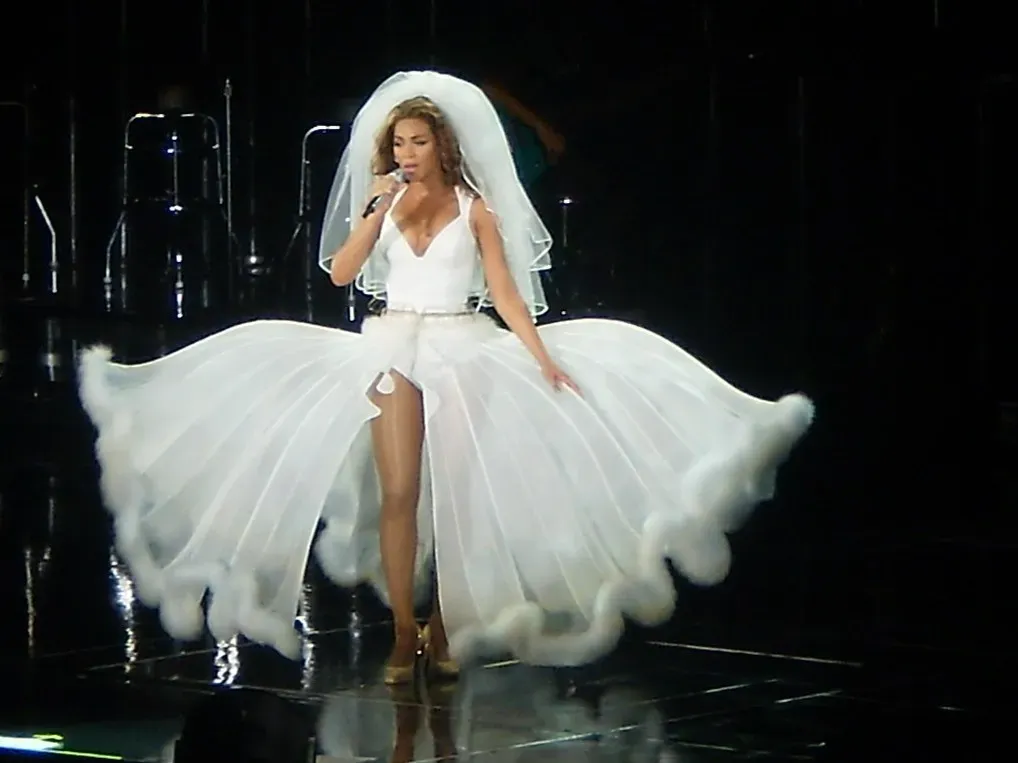
Most performers choose one or the other when things get physically intense: they either dial back the dancing or they lean on a backing vocal track. Beyoncé routinely refuses both compromises. A lot of effort has gone into her performances over the years, and with singing live at the same time as dancing, she has been put through a rigorous workout routine to help prevent her from getting out of breath. She used to run about three miles while singing in order to get used to having to perform at the same time, an incredibly harsh thing to put yourself through.
Beyoncé’s celebrity trainer Mark Jenkins stands by the method of making her sing and run, because if you can sing while running, it builds stamina and makes it significantly easier to sing and dance. Jenkins goes a step further by adding altitude masks and hot conditions. Another key component of her vocal style is breath control: she uses her breaths strategically to create emphasis and add drama to her performance. The result is that she can belt through a technically demanding phrase moments after a full sprint across a stadium runway, something most trained singers consider nearly impossible.
2. Using Costume Changes as Storytelling, Not Just Fashion


Quick costume changes at concerts are common enough. What separates Beyoncé’s approach is that her changes aren’t cosmetic refreshes. They serve as chapter breaks, signaling a genuine shift in emotional register or narrative arc. This includes using costume changes to reinforce each track’s narrative, alternating between solo spotlights and group choreography, incorporating fantasy elements in performances, and musical reinventions of songs.
Every choice made regarding her attire is intentional, aligning seamlessly with musical messages, mood shifts throughout performances, and broader cultural narratives. Transformation plays a significant role, as multiple costume changes within one performance keep audiences consistently engaged. Beyoncé wore 148 costumes over the Renaissance World Tour’s run, many of which honored local designers at each stop, including Jacquemus in Marseille, Robert Wun and Stella McCartney in London, and Iris van Herpen in Amsterdam. That level of specificity turns wardrobe decisions into a form of communication that most performers haven’t considered.
3. Designing the Stage Geography to Control Crowd Energy

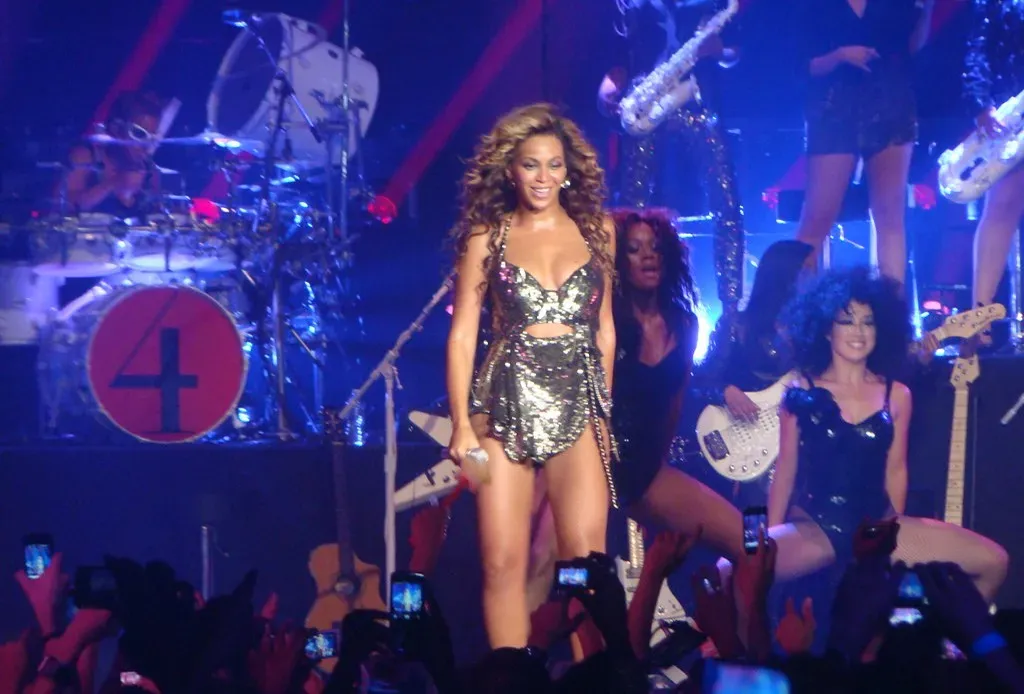
Where a performer stands on a stage is rarely accidental at this level, but Beyoncé takes spatial choreography further than most. The Renaissance World Tour stage was architected with this in mind from the ground up. The massive main stage had a thrust leading to a B stage encircled by a 137-foot diameter runway, and within that runway, fans could enter through egress tunnels into Club Renaissance to get up close and personal with Beyoncé throughout the performance.
For the Renaissance tour, stage designer Es Devlin created a massive cinema screen perforated by a spherical portal, a 50-foot wide aperture from which Beyoncé, her dancers, and musicians could emerge and withdraw between songs. The interplay of animated video sequences and live projections merged with the real human audiences had come to see, resolving the structural challenge of such vastness by creating a visible and immersive world for every member of the audience. The effect is that no matter where someone sits, they feel addressed rather than observed from a distance.
4. Strategic Unpredictability Within a Tightly Controlled Show

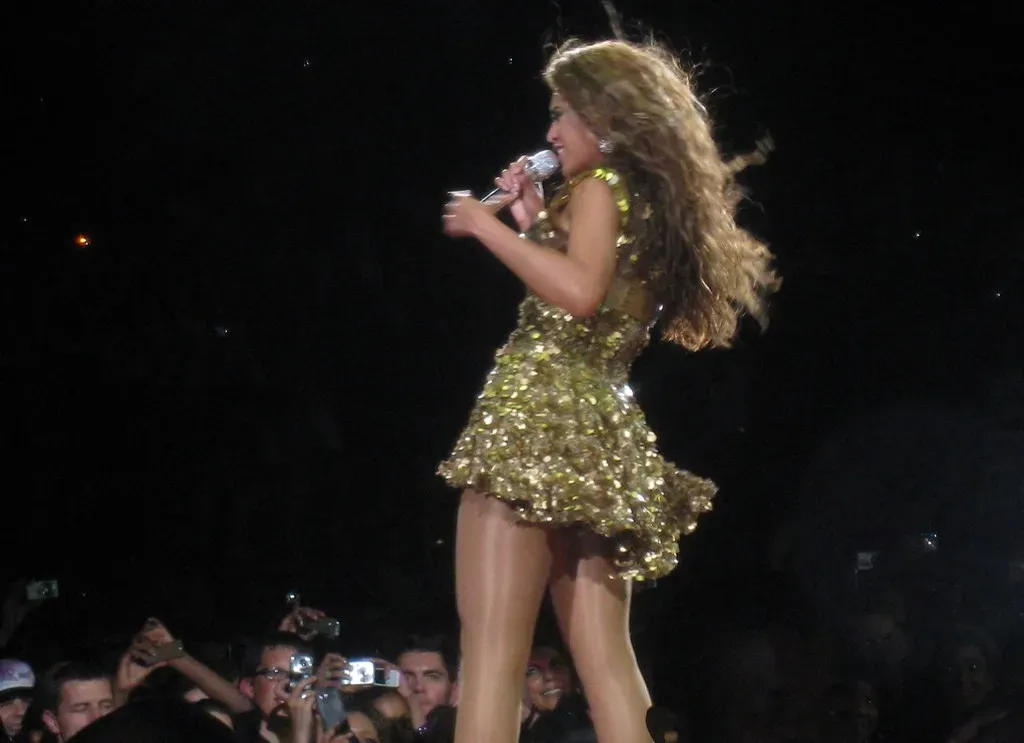
There’s a paradox at the center of Beyoncé’s live shows: everything is meticulously planned, yet audiences consistently feel like something unscripted is happening. Part of this comes from her habit of treating live arrangements as living things rather than fixed recordings. She has deftly switched up lyrics mid-performance, blending current tracks with older catalog cuts, and has even blended ballads with classic R&B covers, including Mary J. Blige’s “I’m Goin’ Down” and Etta James’ “I’d Rather Go Blind.”
Beyoncé is unpredictable, never announcing her next move until it arrives, meaning there isn’t a set formula to channel her style. The concerts on the Renaissance World Tour lasted between two and a half and three hours, split into six or seven acts, with Beyoncé performing Renaissance tracks in order, interspersed with songs from across her discography. That structure gives her latitude to surprise within a shape audiences can still follow, which is a far more difficult skill to execute than either pure spontaneity or rigid set adherence.
5. Letting Technology Amplify Movement Rather Than Replace It

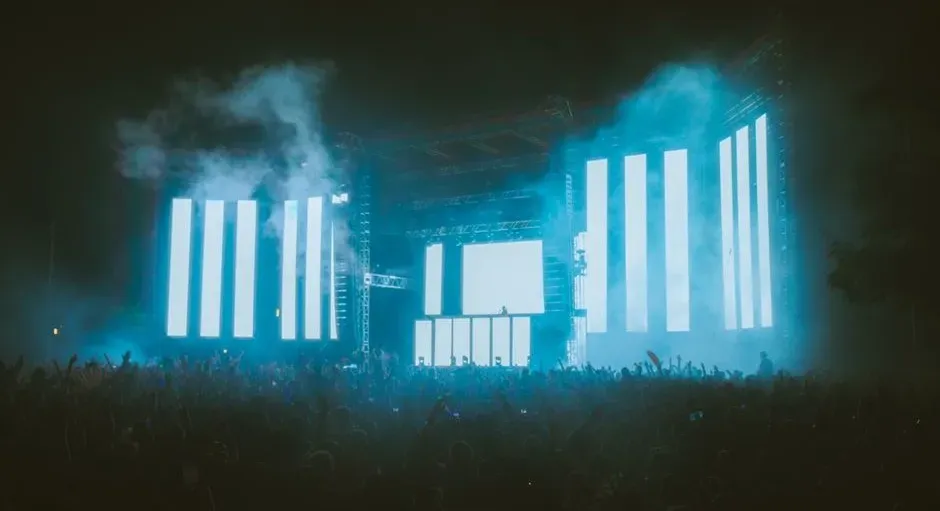
Many large-scale concerts use spectacle as a substitute for genuine performer presence. The screens get bigger, the pyrotechnics more frequent, and somewhere in the middle the artist becomes a tiny figure among the noise. Beyoncé’s production philosophy inverts this. The TAIT Navigator Automation Platform controlled moving elements throughout the show, including several lifts and treadmills in the stage, a video track truss that moved large video screens on cue, and a 3D flying rig that elevated props and the artist over the audience.
Costumes on the Renaissance tour featured reflective and light-reactive materials, ensuring that every movement, particularly the powerful hip and leg work characteristic of her choreography, was dramatically amplified across large stadium spaces. Beyoncé returned seated atop a shiny life-size horse mannequin to perform the encore, with the horse lifted above the crowd and flying her in a circle as a victory lap while silver confetti was released into the stadium. The technology serves the movement rather than overshadowing it, which is a choice that requires considerable restraint and a clear hierarchy of priorities.
What makes these techniques genuinely instructive is that none of them require a stadium budget or a team of hundreds to begin understanding. They point to something more fundamental: a performer who has developed an unusually precise sense of what an audience actually experiences, rather than what a performer imagines they experience. The physical conditioning, the narrative costuming, the spatial awareness, the controlled unpredictability, the technology-as-amplifier logic – these are decisions made from the outside in, with the audience’s perception as the starting point. That orientation is, in itself, the hardest thing to teach.