There is a particular kind of reading experience that is difficult to name precisely. You open a book set in a time or place entirely unlike your own, and somewhere by the third chapter, you feel certain you have been there before. The light in the description seems like a light you recognize. The rhythms of the people feel like rhythms you already know. Psychologists sometimes call this experience “anemoia,” a nostalgia for a time you never actually lived through. Writers, whether they intend it or not, can conjure it with devastating precision.
The ten stories below each achieve this in their own way. Some do it through the raw completeness of their setting. Others do it through characters so fully realized that meeting them feels less like an introduction and more like a reunion. What they share is the uncanny ability to make the unfamiliar feel deeply, quietly known.
1. A Gentleman in Moscow by Amor Towles


When, in 1922, Count Alexander Rostov is deemed an unrepentant aristocrat by a Bolshevik tribunal, he is sentenced to house arrest in the Metropol, a grand hotel across the street from the Kremlin. The premise sounds confining, and it is. Yet from that single building, Towles constructs an entire world so richly detailed that readers feel they have stayed there themselves.
What attracted Towles to the early twentieth century was what he called its “proximate distance to the present.” It is near enough in time that it seems familiar to most readers, but far enough away that they have no firsthand knowledge of what actually happened. In the end, Towles’s greatest narrative effect is not the moments of wonder and synchronicity but the free transformation of peripheral workers, over decades, into confidants, equals, and finally friends. That slow accumulation of warmth is precisely what makes the hotel feel like home.
2. Where the Crawdads Sing by Delia Owens

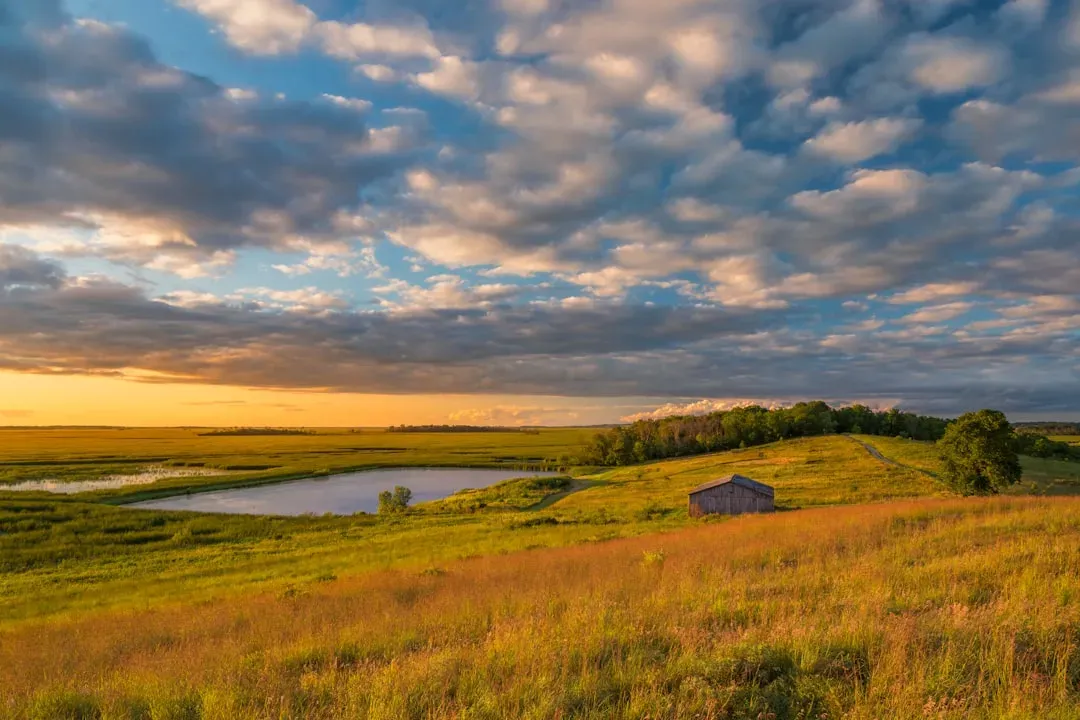
Where the Crawdads Sing is a 2018 coming-of-age murder mystery novel by American zoologist Delia Owens. The story follows two timelines that slowly intertwine. The first describes the life and adventures of a young girl named Kya as she grows up isolated in the marshes of North Carolina. Most readers have never set foot in those marshes. Most feel instantly at home in them.
Owens’s beautiful prose takes you into the marsh where you taste the sea air and feel the fog touch your face. The marsh is as much a character in this book as the people. It teems with life, from the lowly tadpole to magnificent blue herons who interact with the main character, Kya, and become significant to her survival and future. By April 2023, the book had sold over 18 million copies, a number that speaks to how universally that sense of belonging to a wild, unfamiliar place can land.
3. A Month in the Country by J.L. Carr
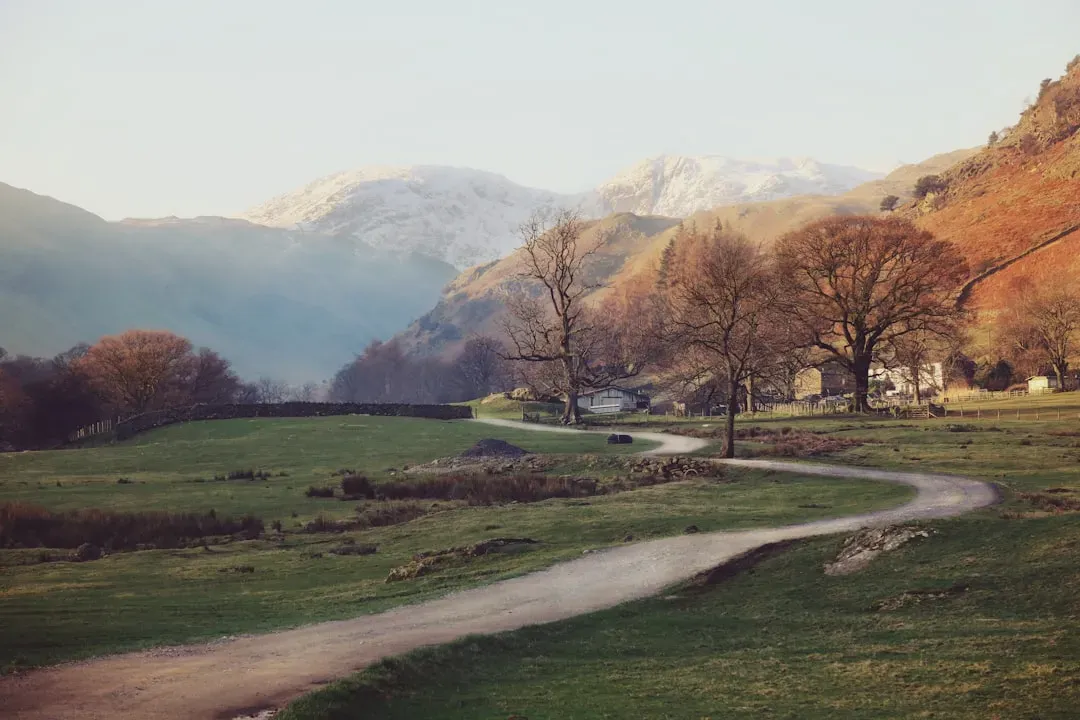
Carr’s short novel is so transporting that to read it as you should, in one uninterrupted sitting, is to be swept away to the remote Yorkshire village of Oxgodby at the start of another dry summer. The village exists at a particular slowness, a stillness between the wars, and yet the emotional territory it covers feels vast.
Tom Birkin, a veteran of the Great War and survivor of Passchendaele, still suffering from shell shock, comes to the quirky village prepared to restore a medieval mural at the local church. What Birkin is unprepared for is the kinship he feels for the anonymous, long-gone mural-painter. That sense of kinship across centuries is the same sensation the reader feels throughout: something familiar flickering through the unfamiliar, like a candle behind frosted glass.
4. Little Women by Louisa May Alcott

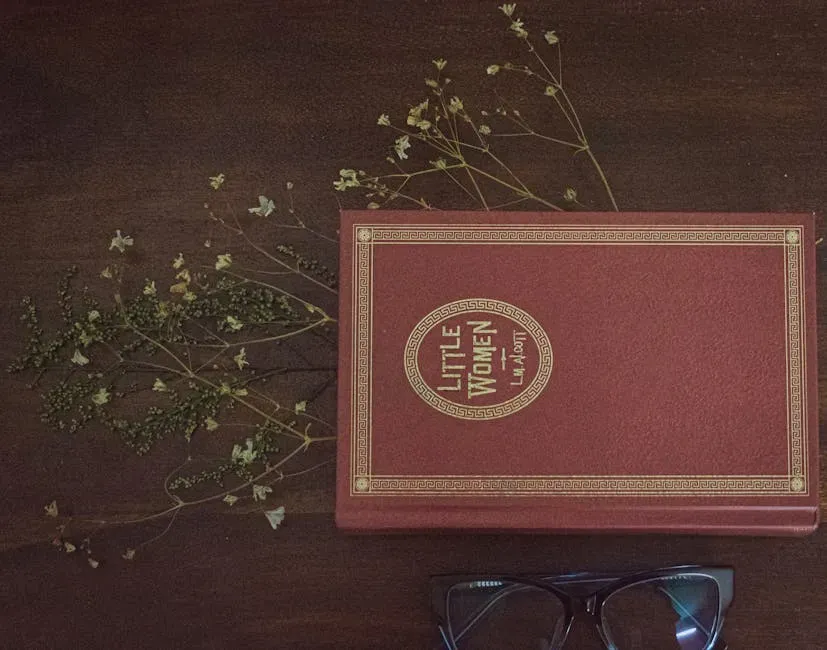
A beloved comfort read of bookworms worldwide, Little Women is one of those books readers always turn to for comfort, nostalgia, and gentle inspiration. Set during the American Civil War era in a Massachusetts home, it describes a world most modern readers have never come close to inhabiting. The fireside conversations, the tight economies, the hand-sewn costumes for home theatricals. Yet few novels feel more immediately lived-in.
The book’s comfort lies in how even when life isn’t perfect for the girls, the family still tries to make life as magical as possible. As the plot navigates the trials and tribulations of adulthood, grief, and heartbreak, there’s so much love, community, and warmth in Louisa May Alcott’s classic. It is, in the truest sense, a house you feel you’ve grown up in, even if you never lived there at all.
5. The Neapolitan Novels by Elena Ferrante

Reading Ferrante’s sprawling narrative conjures up images of Naples and makes one feel like standing in the Piazza del Plebiscito or having an espresso in the historic Caffè Gambrinus. The neighborhood where Elena and Lila grow up is claustrophobic and electric in equal measure. Its alleyways, its hierarchies, its unspoken laws feel completely specific, and yet somehow also universal.
Ferrante’s achievement is to write a neighborhood as both prison and home, a place readers feel in their chest rather than merely picture in their mind. One can feel, hear, and smell Naples in these pages. Reading about the city might not be as good as being there in person, but it is a close second. For readers who have never been anywhere near the south of Italy, that is saying something considerable.
6. Gilead by Marilynne Robinson


Gilead is set in a small fictional Iowa town of the same name, narrated by an aging Congregationalist minister writing letters to a son he will not live to see grow up. The geography is sparse. The social world is contained. Still, there is something in the texture of Robinson’s sentences that makes Gilead, Iowa feel as knowable as your own hometown’s quietest street.
Robinson’s prose moves with the slow deliberateness of a long Sunday afternoon, and that pacing is a form of place-making in itself. The novel won the Pulitzer Prize for Fiction in 2005 and is widely regarded as one of the finest American novels of its century, praised not for its plot but for the quality of its attention. Reading it feels like remembering something you have never actually experienced, which is precisely the trick these books are best at.
7. Plainsong by Kent Haruf


Kent Haruf set nearly all of his fiction in the fictional Colorado town of Holt, and Plainsong, his 1999 novel and National Book Award finalist, is the fullest realization of that world. The town is flat, windswept, and ordinary. Haruf writes it in short declarative sentences with almost no quotation marks, a style so plain it reads like fact rather than fiction.
A teenage girl is thrown out by her mother and taken in by two aging bachelor farmers. A widowed schoolteacher tries to raise his sons alone. These are the whole of the plot, and they are sufficient. The landscape of eastern Colorado and the quiet rhythms of rural life accumulate into something that feels powerfully known, the kind of town most people have passed through at least once without stopping, now finally made worth staying in.
8. The No. 1 Ladies’ Detective Agency by Alexander McCall Smith


Botswana. The Kalahari. Gaborone. Most readers of Alexander McCall Smith’s 1998 debut novel have never visited any of these places. Yet the world that Precious Ramotswe inhabits, her small office with its two desks and kettle, her white van with its temperamental engine, the wide sky over the bush, arrives with the comfort of a place long familiar.
McCall Smith described his approach as writing the world as it ought to be, with the kindness of ordinary people allowed to accumulate into something like grace. The novel became an international bestseller and spawned a series spanning more than twenty books, which suggests that the warmth of this particular fictional geography is not something readers are willing to give up easily. Some places in fiction simply feel like somewhere you have always quietly belonged.
9. A Fine Balance by Rohinton Mistry


A Fine Balance is a sprawling narrative that takes the reader all the way to the Indian subcontinent. Set initially in 1975 during the emergency government period and then during the chaotic times of the 1984 anti-Sikh riots, Mistry’s novel focuses on the lives of four central characters whose lives are on a downward spiral. The Mumbai it depicts is specific down to the quality of its heat and the smell of its overcrowded streets.
The government has just declared a State of Emergency, in whose upheavals four strangers, a spirited widow, a young student uprooted from his idyllic hill station, and two tailors who have fled the caste violence of their native village, will be thrust together, forced to share one cramped apartment and an uncertain future. The miracle of Mistry’s writing is that despite the distance of time and geography, readers come to know this apartment, this city, and these people as though they lived downstairs.
10. Tom Lake by Ann Patchett
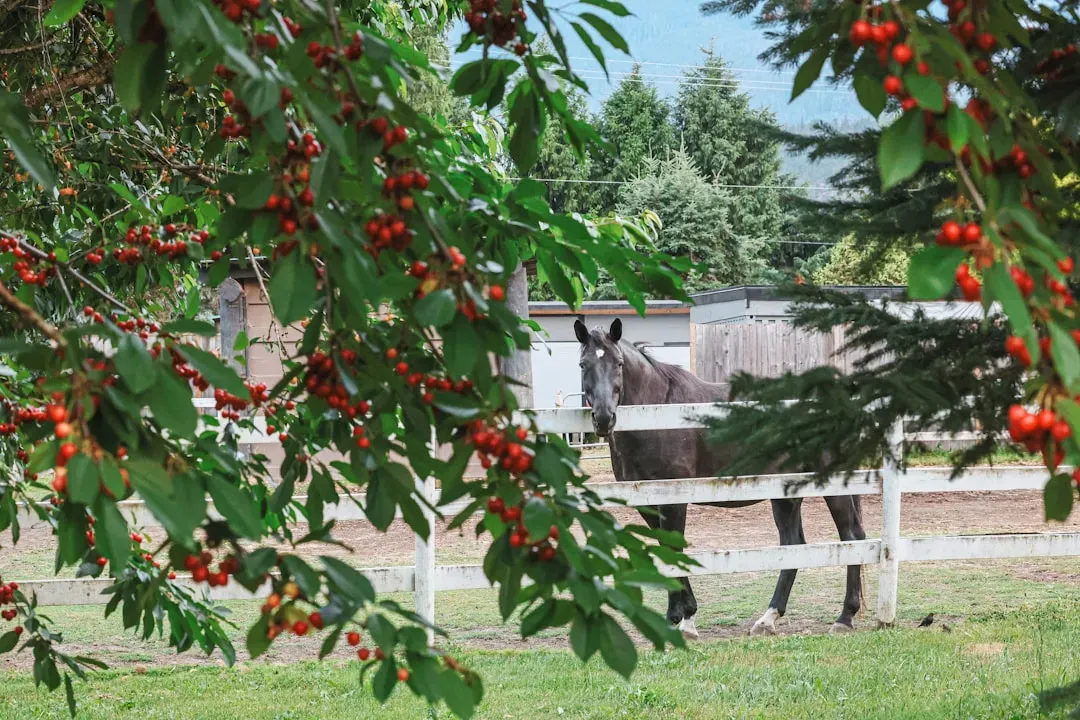
What better choice for a nostalgic and comforting novel than Ann Patchett’s 2023 bestseller, Tom Lake? It is one of the most nostalgic books in recent years, weaving a gentle story of lost love, family, and recognizing what’s enough. Set largely on a cherry farm in northern Michigan during a pandemic summer, its world is vivid in exactly the way that places from our own past become vivid in memory, softened at the edges but sharp at the center.
A mother tells her three grown daughters the story of a summer she spent acting at a small theater called Tom Lake, and a love affair with a man who later became famous. The novel works on the simple, reliable truth that stories about places we have never been can feel more intimate than accounts of places we know well. Patchett understands that the past is a kind of country, and that the best novelists are its most faithful cartographers.
What unites these ten books is not genre, era, or geography. It is something harder to define: the quality of a writer’s attention to their world. When that attention is full and unhurried, the world on the page becomes one that readers do not merely visit but recognize. That recognition, arriving in the middle of a chapter about a cherry orchard in Michigan or a marsh in North Carolina or a grand hotel in Moscow, is one of the quieter gifts that reading offers. You close the book and feel, strangely, as though you have just come home from somewhere you have never actually been.