
Most TV shows are built for their moment. They reflect a specific decade’s slang, its anxieties, its fashion choices, and within a few years they can feel like artifacts from another world. That’s normal. What’s surprising is when a show from decades past feels more alive today than some of the things currently airing.
The five shows below don’t just hold up – they’ve actually deepened. Whether it’s because the social problems they depicted never went away, or because their storytelling was simply ahead of what audiences expected, each of them rewards a first-time viewer in 2026 just as richly as they did their original audiences.
The Wire (2002–2008)
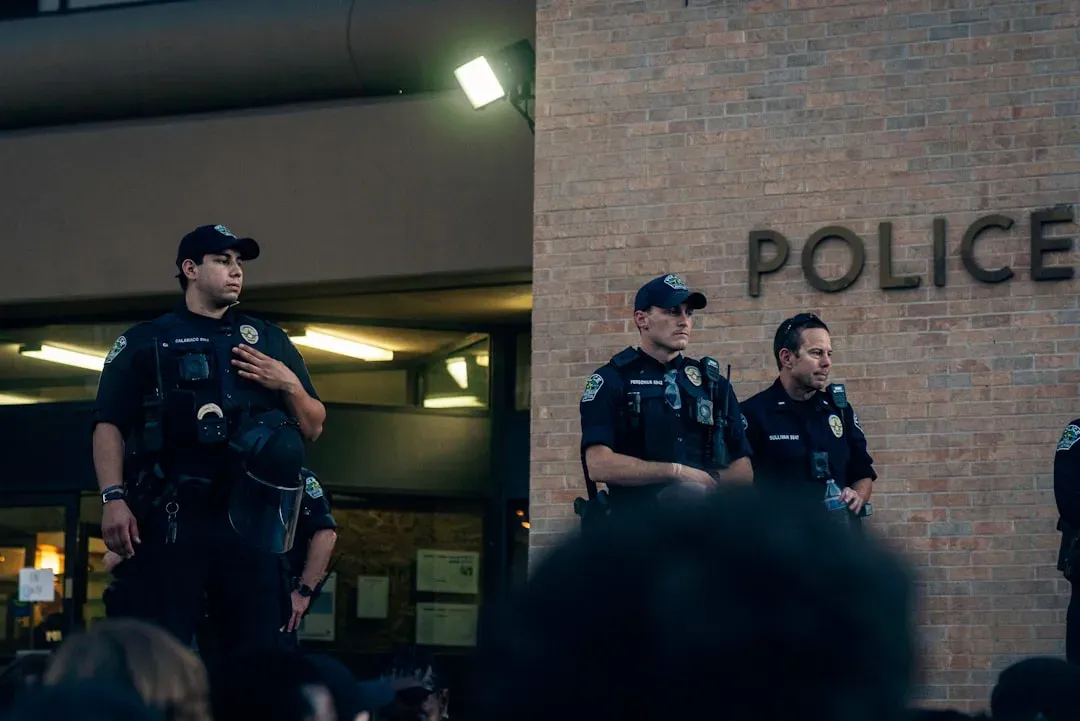
Initially overlooked during its run, HBO’s The Wire quietly reshaped political crime drama for the foreseeable future. It’s now widely regarded as one of the greatest TV dramas ever made, and its examination of systemic failure across policing, education, politics, and media feels increasingly urgent. The themes it explored remain startlingly relevant to contemporary viewers, with its examination of institutional failure, systemic inequality, and political corruption continuing to resonate with modern audiences discovering the show through streaming platforms.
The Wire revolutionized character development by refusing to paint anyone as purely heroic or villainous. Characters like Omar Little and Stringer Bell transcended typical crime drama stereotypes, becoming some of television’s most nuanced and memorable figures. In the two decades since The Wire first aired, the show has only continued to grow in cultural relevance as America has seen domestic terrorism increase, race relations become ever tenser, and political populism become increasingly sectarian.
Breaking Bad (2008–2013)

There’s a reason why Breaking Bad consistently dominates Netflix’s streaming charts: it is one of the rare shows to maintain its entertainment value and strengthen its thematic and narrative depth upon rewatch. The themes that live deep within the soul of the series are very much relevant in 2025 and beyond. Walter White represents a certain subset of the male population that feels deprived of their destinies – and that tension has only grown sharper with time.
The show’s viewership numbers are still absolutely staggering. Looking at the combined 2023 and 2024 Netflix Engagement Report covering January 2023 through June 2024, the show still pulls in tens of millions of viewing hours every six months, accumulating around 127.6 million views across all seasons in that period alone. The incredible cliffhangers, the larger episode count compared to today’s typical TV seasons, and the film-like cinematography all contribute to its universal appeal no matter what year viewers are watching it in.
The Twilight Zone (1959–1964)
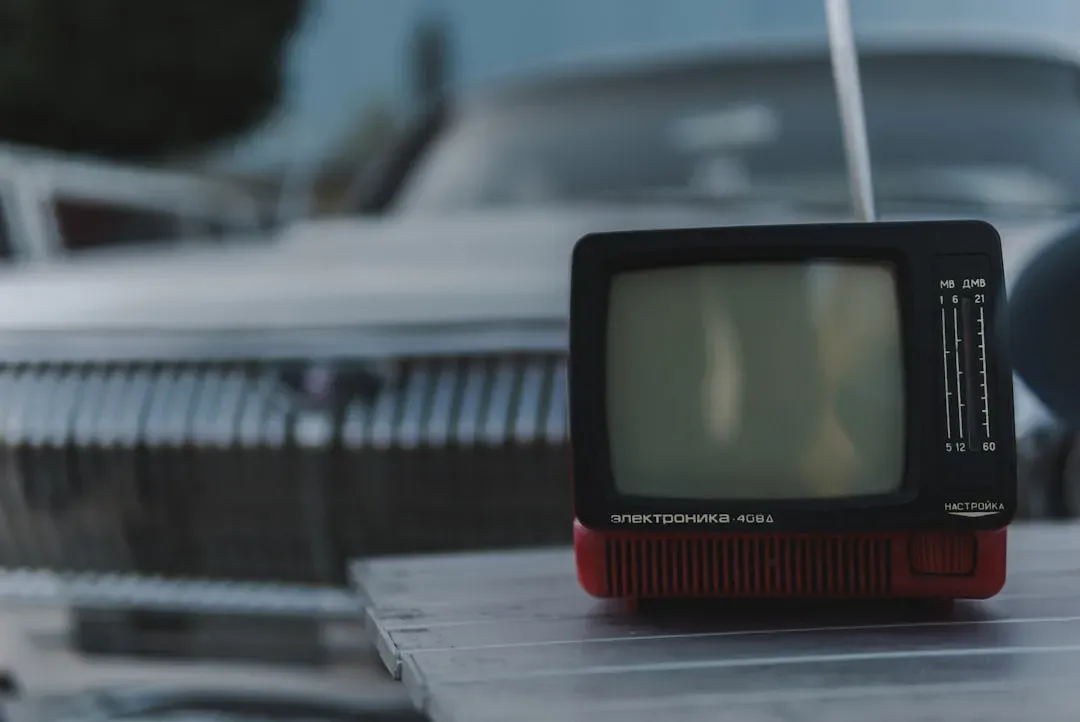
Rod Serling’s The Twilight Zone seems to exist outside of time. Decades since its first broadcast, the show’s eerie atmosphere and probing philosophical questions still feel surprisingly fresh. Each episode is like a morality play wrapped in a mystery, tackling issues like prejudice, greed, and human frailty that are just as relevant today. Even younger generations, unfamiliar with black-and-white television, find themselves drawn in by its storytelling power. The show’s anthology style means each story stands alone, making it easy for new viewers to jump in without any prior context.
The show’s impact is still visible in modern television, having inspired series like Black Mirror and American Horror Story. Its timeless moral parables, high-concept premises, economical scripts, and focus on human psychology rather than quickly-dated technology are precisely what keep it from ever feeling old. In a media landscape that often mistakes complexity for quality, The Twilight Zone proved that economy of storytelling can hit harder than spectacle.
The Golden Girls (1985–1992)
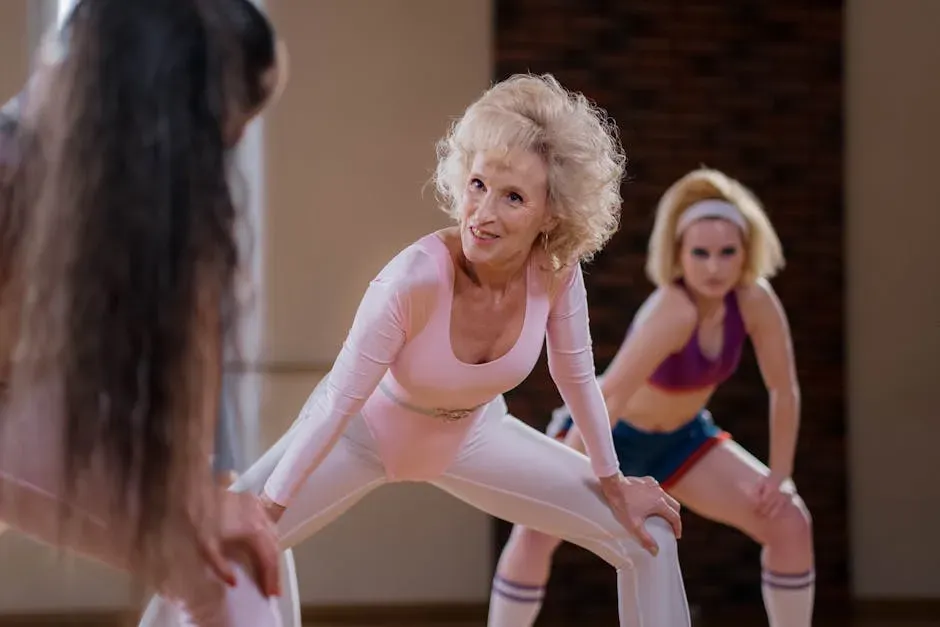
This beloved sitcom about four older women living together in Miami still resonates due to its progressive themes and sharp humor. In Season 5’s “72 Hours,” Blanche struggles with the results of an HIV test, offering a rare primetime discussion about the AIDS epidemic. Episodes touching on LGBTQ+ rights, immigration, and aging still feel surprisingly relevant in 2025. A comedy can only be as good as the timing and chemistry within its central cast, and the four ladies at the heart of this show – Betty White, Bea Arthur, Estelle Getty, and Rue McClanahan – could play off of each other like nobody’s business.
Some shows are written so well that they become evergreen and timeless, and The Golden Girls is a clear example of that. What makes it particularly impressive is how it centered women over fifty as interesting, funny, and fully formed human beings at a time when television barely acknowledged that demographic existed. Revisiting it today, the jokes land with a precision that most modern comedies spend entire seasons chasing.
Arrested Development – Seasons 1 to 3 (2003–2006)

Arrested Development is a comedy that was ahead of its time, packed with fast-paced, self-referential humor and intricate storylines. The Bluth family’s misadventures are as funny now as when they first aired, with jokes that reveal new layers on every rewatch. The show’s writing is sharp, and the cast’s chemistry is undeniable. The satire of wealth, dysfunction, and corporate absurdity has only sharpened with time, making the series feel more relevant, and funnier, than ever.
Part of what makes those original three seasons so durable is structural. The series was built around a dense web of running gags and callbacks that could only be fully appreciated on a second or third pass, which is exactly how most people now encounter television. These shows give viewers something new in different parts of their lives. Their themes remain relevant, their craft holds up, and their storytelling benefits from modern binge formats. For Arrested Development especially, binge-watching didn’t just suit the show – it’s arguably how the show was always meant to be experienced.
What these five shows share isn’t nostalgia value. It’s the more durable quality of having been made with genuine craft and honesty about the human condition. The ones that age well tend to be the ones that weren’t chasing the moment to begin with.