There’s a particular kind of writer who can’t start a chapter without first pressing play. For them, a story doesn’t begin with a blank page – it begins with a song. Music acts as a kind of private shorthand, anchoring mood, pacing, and character before a single sentence is committed to the draft.
This approach isn’t rare, but it’s more varied and deliberate than most readers realize. Some authors treat music as pure atmosphere, others map specific tracks to specific scenes, and a few let the structure of a song directly shape the arc of a plot. Here are seven authors who’ve made music a genuine working tool in their creative process.
1. Haruki Murakami – Jazz, Classical, and the Story Beneath the Story
Haruki Murakami’s novels pulse with the beat of jazz, classical, and rock music, with songs functioning almost as characters in their own right. His acclaimed novel “Norwegian Wood” takes its title from a Beatles song, and the melody haunts the story like a recurring memory. That’s not a coincidence – it reflects a deeply intentional method.
Readers notice how Murakami builds mood and even dialogue around music, using it to signal shifts in emotion or time, and the author himself has said in interviews that music is fundamental to his writing process, often helping him establish a novel’s rhythm. The music doesn’t just sit in the background – it shapes the path his plots take, making each story as much an auditory experience as a literary one.
2. Tana French – Mood, Pacing, and Suspense Built Like a Score
Tana French is known for her atmospheric thrillers, and she often credits music as key to her plotting process, listening to mood-setting soundtracks – classical, ambient, even experimental music – while outlining her novels. French has described how the right song can unlock a character’s voice or inspire the pacing of a chase scene. The effect carries through to the finished page.
Her books carry a rhythmic intensity, building suspense like a piece of music rising to a crescendo, with even the quietest moments carrying an undercurrent of tension – as if a low note is vibrating just beneath the surface – and this musical influence gives her mysteries a haunting, hypnotic quality that keeps readers turning pages.
3. Colson Whitehead – Soul, R&B, and the Sound of Harlem
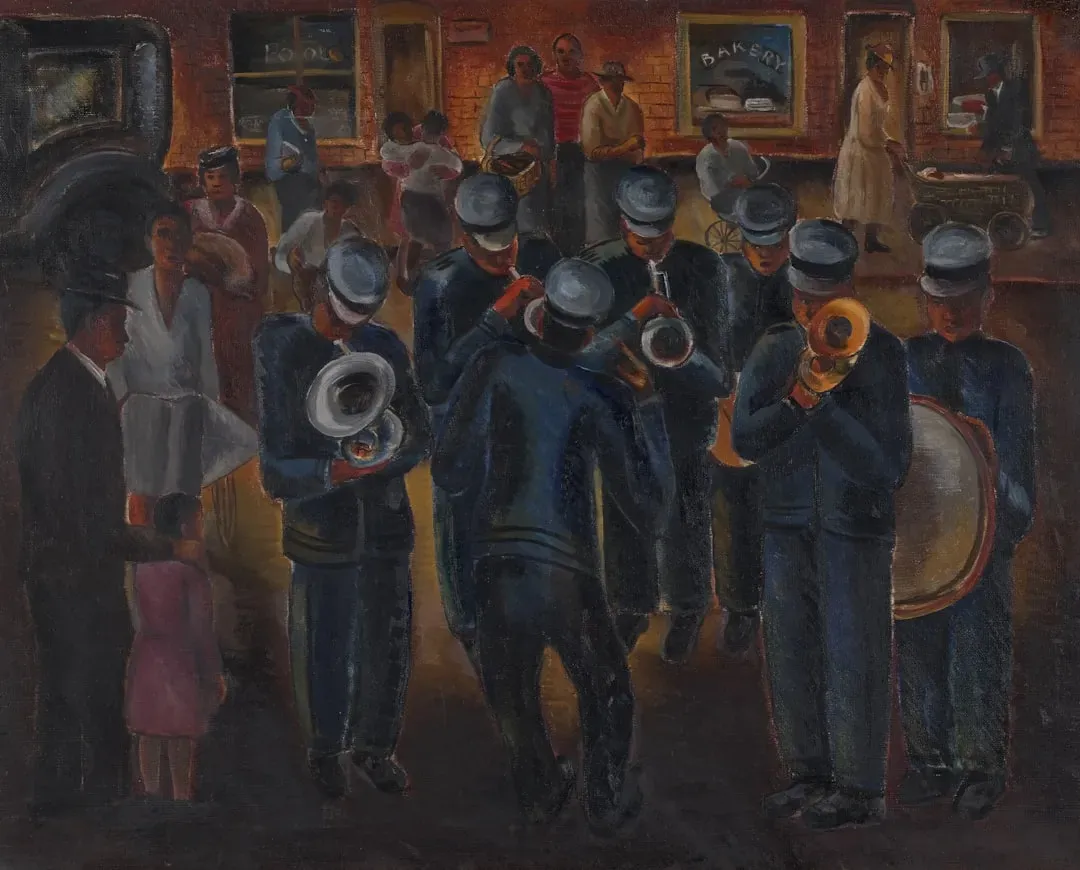
Colson Whitehead often builds playlists for his novels, using music to lock into the voices and moods of his characters, with “Harlem Shuffle” inspired by the sounds of mid-century soul and R&B, each chapter humming with that energy. The novel is a work of crime fiction and a family saga that takes place in Harlem between 1959 and 1964. Setting a story in that era demanded a particular sonic imagination.
Whitehead is the follow-up to “The Nickel Boys,” which earned him his second Pulitzer Prize for Fiction. The cultural authenticity woven through his Harlem work reflects a writer who clearly immerses himself in the sounds of a place, not just its visual or historical record. Music gives him a way in that research alone can’t offer.
4. Angie Thomas – Hip-Hop as the Blueprint
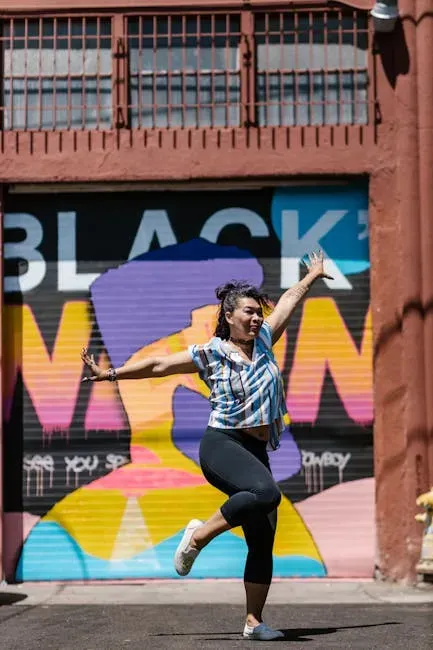
When author Angie Thomas set out to write “The Hate U Give,” she was inspired by two driving forces – a desire to tell a young Black girl’s story, and the music and advocacy of Tupac Shakur. She cites Tupac as a major influence, moved by the way his music manages to trigger a range of emotions – and says she aspires to do the same. That aspiration shaped how she built the entire plot.
Partner offer
Growing up, Thomas could not find teen fiction that reflected her experience, instead finding a mirror in hip-hop, even attempting a career as a rapper, and she now infuses hip-hop into her books. The Hate U Give became a number one New York Times bestseller. For Thomas, hip-hop wasn’t background noise – it was the structural and emotional skeleton of the story.
5. E.L. Doctorow – When a Novel Is Shaped Like a Song
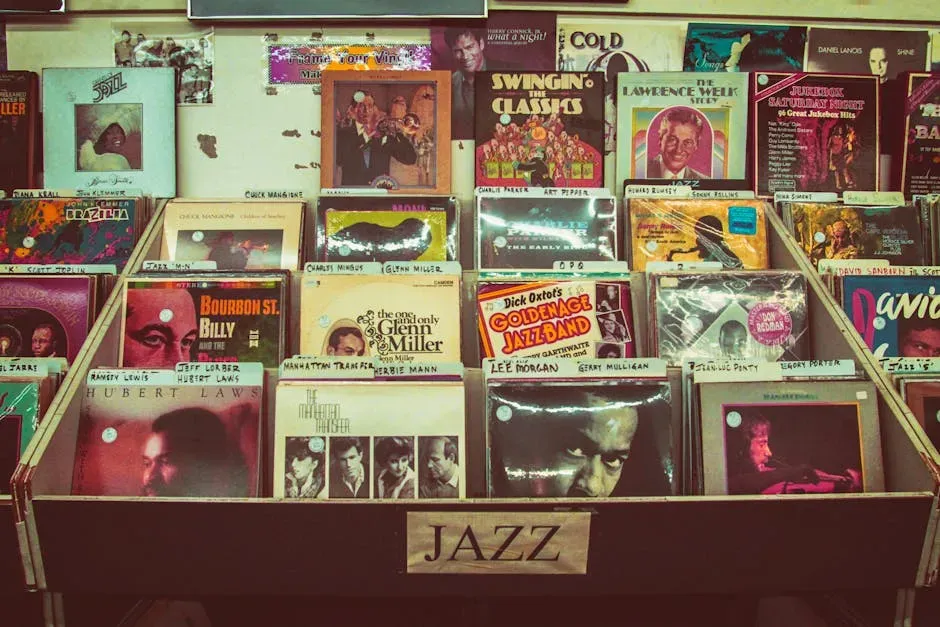
E.L. Doctorow’s fascination with music shapes the way he writes, especially in novels like “Ragtime,” where the book’s very title refers to a syncopated musical style and its structure mimics the rhythmic, offbeat flow of jazz – and Doctorow has described how he listens to music while writing, allowing sound to guide his sentence structure and pacing. That’s a rare level of integration.
In “Ragtime,” music becomes a metaphor for social change and cultural collision in early 20th-century America, with characters’ lives intertwining like melodies in a jazz improvisation, and Doctorow’s approach demonstrates how music can inform not just content but the very shape of a novel, making his work both historically rich and emotionally resonant.
6. Michael Chabon – The Playlist as a Working Document
Michael Chabon treats music as a structural influence, a quality especially visible in “Telegraph Avenue,” which is steeped in soul, jazz, and funk. He provided the MacDowell artist retreat’s website with his personal writing playlist for both Spotify and Apple Music, describing it as a selection of current work go-tos, old standbys, and new favorites. That’s the act of a writer who thinks carefully about the sonic architecture of his process.
Chabon is best known as the winner of the Pulitzer Prize for his novel “Kavalier and Clay”, and his musical approach spans the full breadth of his career. He described the playlist as conveniently divisible into eight one-hour work sessions or one extended eight-hour session, with an option to simply put it on repeat and not stop. Music, for him, is a disciplined instrument of the writing day.
7. Delilah S. Dawson – Playlists Before the First Draft

Once she has a story seed and a playlist, it takes Dawson a few weeks to work out the general tone and direction of the story and characters – figuring out where it begins, what the instigating factor will be, what the climax will be, and how it ends – and she doesn’t start writing until she knows all those signposts. Music isn’t a writing companion for her. It’s the outlining tool itself.
She also finds that mental images or words from the songs sometimes make it into her books, and while working on one fantasy project, little snippets of songs kept ending up in the dialogue. Music heavily influences each book, and the playlists are like part of the magic spell that grows a rich, tangled story out of a few tiny seeds. It’s one of the more honest and practical descriptions of how sound and story can genuinely shape each other from the very beginning.
What’s striking about all seven of these writers is that none of them describe music as a passive backdrop. Whether it’s Murakami weaving jazz into character psychology, Thomas building a plot on hip-hop philosophy, or Dawson using a playlist to map her entire structure before writing page one, the relationship between sound and story is active. Music carries information that prose alone sometimes can’t – rhythm, tension, the emotional temperature of a moment. For these authors, it turns out that knowing what a story sounds like is often the first step in knowing what it means.
Partner offer
Planning a trip to Vegas?
Compare hotel rates and show tickets on VEGAS.com.