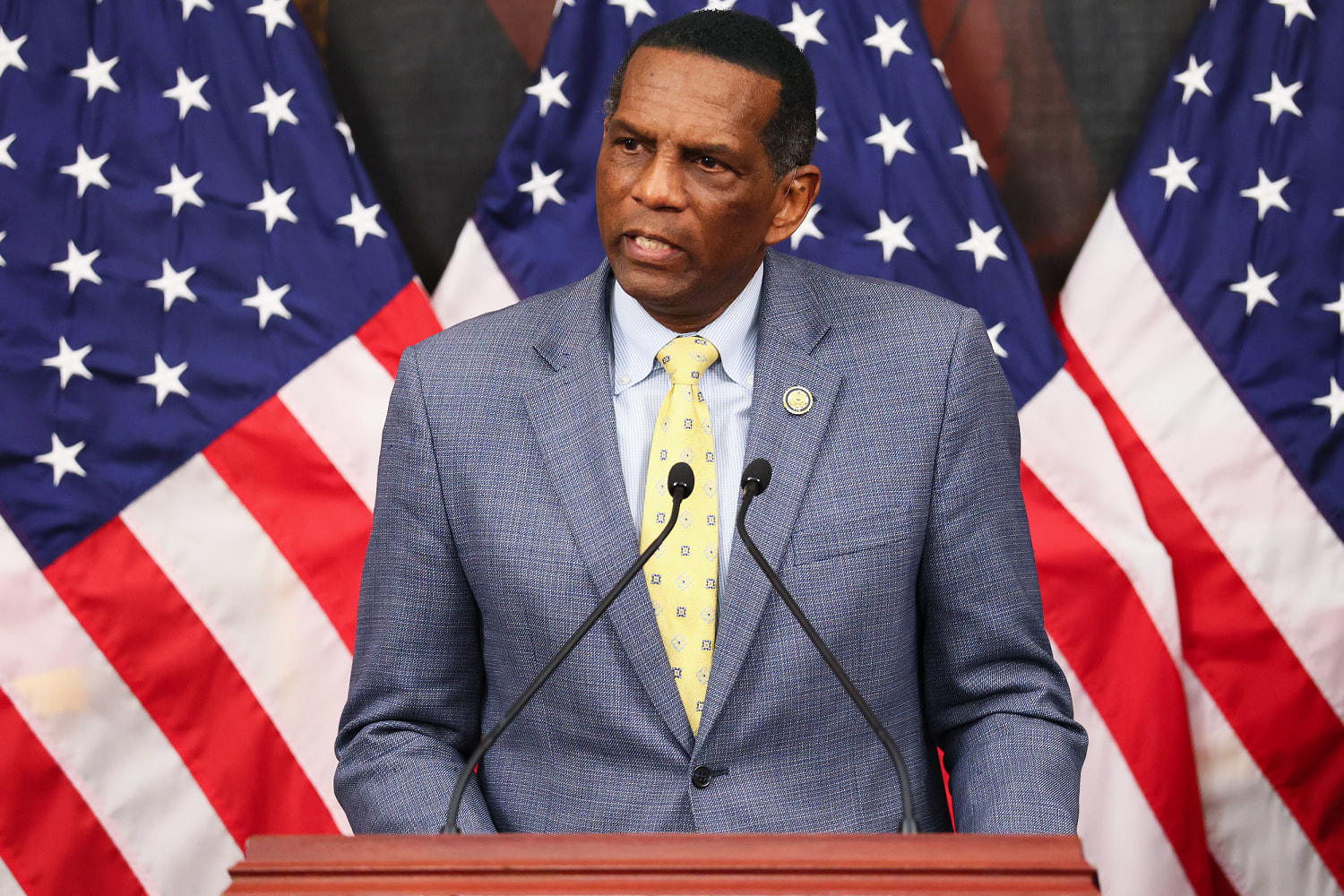
Surpassing Modern Benchmarks Early (Image Credits: Media-cldnry.s-nbcnews.com)
Washington, D.C. – A wave of announcements has pushed the number of U.S. House members forgoing re-election in 2026 to 53, the second-largest figure since records began almost 100 years ago.[1][2]
Surpassing Modern Benchmarks Early
The current tally already exceeds totals from most recent cycles at this stage. Officials tracked 46 such announcements by early March in 2018, 34 in 2020, 45 in 2022, and 42 in 2024.[2] Only the 1992 cycle saw more departures, with 65 lawmakers opting out.[1]
This pace reflects unusual early activity. Lawmakers announced 15 retirements in the first half of 2025 alone, compared to an average of nine over the prior decade.[3] The figure ties or nears 2018’s final count of 52, a year when heavy retirements contributed to a shift in House control.[4]
Republicans Dominate the Departures
Republicans account for 32 of the 53 announcements, outpacing Democrats’ 21.[2] This imbalance echoes 2018, when 34 Republicans and 18 Democrats left, paving the way for Democratic gains.[4]
With Republicans clinging to a slim 218-214 majority, the exodus raises questions about maintaining power amid the midterms.[1] Vulnerable seats held by freshmen have seen fewer exits so far, as party leaders urge incumbents in battlegrounds to stay.[4]
Diverse Paths Forward
Many departing members plan new pursuits rather than full retirement. Twenty-six are leaving public office entirely, split evenly at 13 per party.[2]
| Category | Democrats | Republicans | Total |
|---|---|---|---|
| Retiring from public office | 13 | 13 | 26 |
| Running for Senate | 7 | 8 | 15 |
| Running for governor | 1 | 10 | 11 |
| Running for AG | 0 | 1 | 1 |
Texas leads with multiple exits across both parties, followed by states like California, Florida, and New York.[2]
Spotlight on Key Exits
Recent decisions highlight the trend. Rep. Burgess Owens, R-Utah, announced March 4 amid concerns over a new congressional map.[3] Rep. Ryan Zinke, R-Mont., cited health issues two days earlier.[3]
- Rep. Mark Amodei, R-Nev., said it was time to pass the torch.
- Rep. Barry Loudermilk, R-Ga., prioritized family time.
- Rep. Steny Hoyer, D-Md., and former Speaker Nancy Pelosi, D-Calif., also retire from public office.
- Rep. Raja Krishnamoorthi, D-Ill., pointed to a “toxic partisan atmosphere” in Congress.[5]
Key Takeaways
- 53 House members – 32 Republicans, 21 Democrats – bow out, second only to 1992’s 65.
- Over 10% of incumbents affected, highest early-cycle rate in over a decade.
- Many eye Senate or gubernatorial races, promising fresh dynamics in 2027.
This churn guarantees a transformed House next year, with new voices tackling persistent challenges. The pattern underscores frustrations in a divided era, potentially tilting the balance in November. What factors do you see driving these exits? Share your thoughts in the comments.