Some pairings just work. It’s not always a studio decision or a marketing gimmick, sometimes two actors simply build a rhythm together that directors keep wanting to capture again. Over the decades, a handful of duos have shown up on screen together so often that audiences start looking for them, almost like spotting a familiar face at a family reunion.
Matt Damon and Ben Affleck
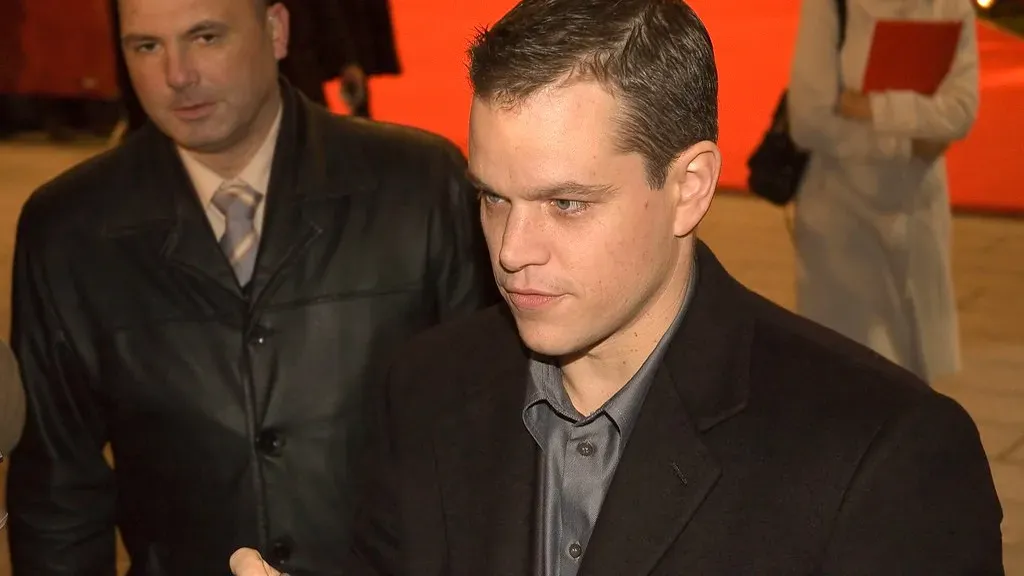
Few Hollywood friendships have translated into as much shared screen time as this one. Matt Damon and Ben Affleck have appeared in a total of 14 films together, though the number is only that high thanks to their friendship with director Kevin Smith, who keeps giving them small roles in his View Askewniverse movies. Their bond goes back to childhood in Boston, and it shows in how naturally they play off each other.
The partnership isn’t just about acting. Since 1989, Damon and Affleck have appeared in nine movies together, including Good Will Hunting, a coming-of-age film the pair not only starred in but wrote the screenplay for, resulting in their first Oscar wins for Best Screenplay in 1998. More recently, they teamed up again for a Netflix project. Netflix released “The Rip,” their new collaboration which features the duo as a pair of cops who get in too deep when they discover a house stashed with millions in cartel money. After decades of drama, comedy, and even a Nike biopic in “Air,” it seems this friendship has no expiration date.
Leonardo DiCaprio and Kate Winslet
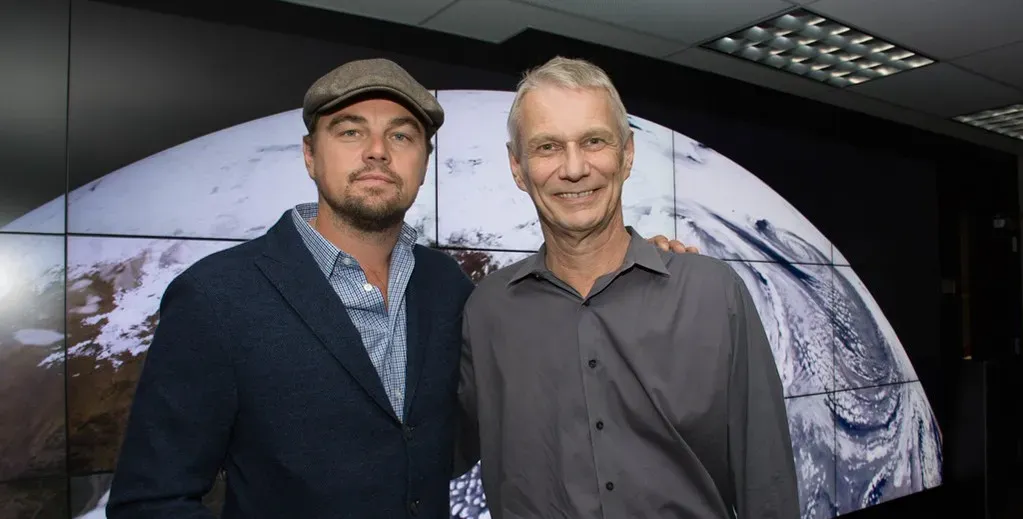
This is a pairing built on one of the most famous films ever made, though their creative relationship extends well past it. DiCaprio and Winslet first shared the screen in “Titanic” in 1997, a film that turned both of them into global stars almost overnight. The chemistry was undeniable, and audiences never quite let go of wanting to see them together again.
They reunited more than a decade later for “Revolutionary Road” in 2008, playing a married couple whose relationship slowly unravels, a role that felt like a deliberate inversion of their earlier romance. Winslet has spoken publicly over the years about how comfortable she feels working with DiCaprio, crediting their long friendship for making difficult emotional scenes easier to shoot. Even without a third film together yet, their two collaborations remain some of the most studied and referenced pairings in modern cinema.
Emma Stone and Ryan Gosling
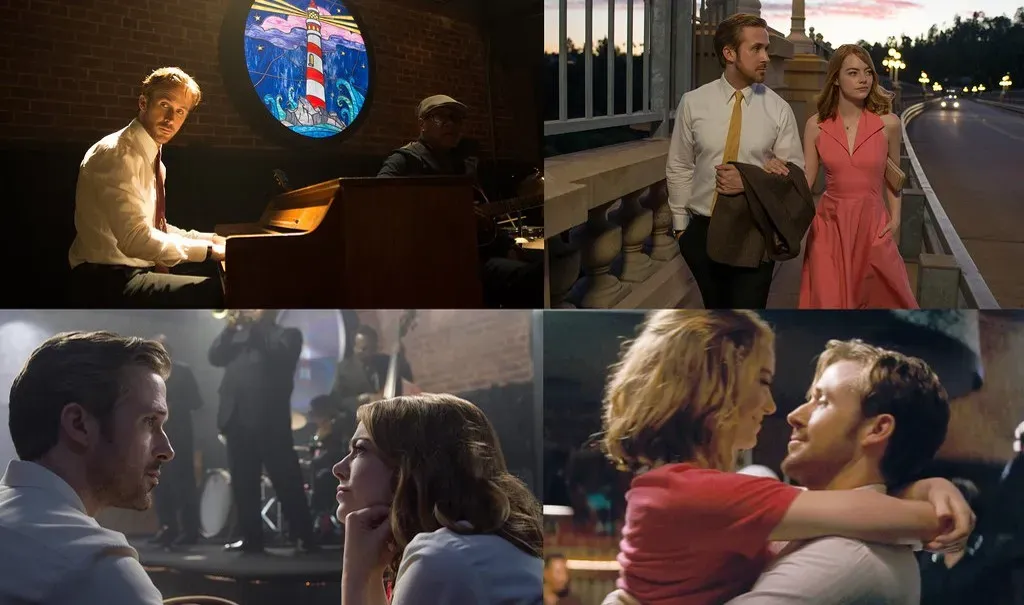
Stone and Gosling have built one of the more beloved on-screen partnerships of the last fifteen years. In honor of legendary screen partners Ryan Gosling and Emma Stone both being nominated at the 96th Academy Awards, their collaborations have been notable across multiple films. Their first outing together came in the 2011 romantic comedy “Crazy, Stupid, Love,” where the film follows a series of interconnected love stories centered on a recently separated man who learns how to be more romantic.
Two years later, they appeared together again in “Gangster Squad,” a crime drama with an ensemble cast, before reaching their creative peak with “La La Land” in 2016. La La Land capitalized on their onscreen chemistry, earning them Oscar nominations and solidifying the film as a classic of the era. That musical remains the high point of their collaborations, though fans continue to hope for a fourth project somewhere down the line.
Partner offer
Johnny Depp and Helena Bonham Carter
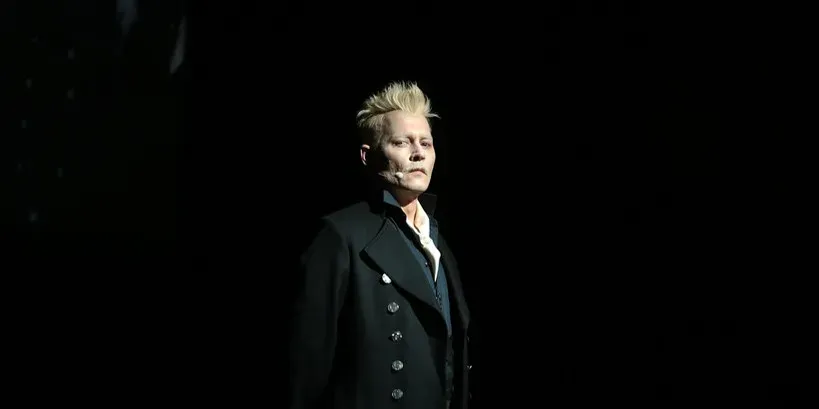
Few actor-director-actor trios feel as tightly bound as Depp, Carter, and filmmaker Tim Burton. Between the late 1990s and mid 2010s, Depp and Carter appeared together in a string of Burton’s gothic, visually stylized films, including “Sleepy Hollow,” “Charlie and the Chocolate Factory,” “Corpse Bride,” “Sweeney Todd,” “Alice in Wonderland,” and “Dark Shadows.”
Their long personal relationship with Burton, who was partnered with Carter for over a decade, made their repeated casting feel almost inevitable rather than coincidental. Depp typically anchored the lead role while Carter brought a sharp, often eccentric supporting presence that balanced his more brooding characters. Even though their run of films together slowed after Burton and Carter’s split, the body of work they built remains a distinctive corner of early 2000s studio filmmaking.
Owen Wilson and Ben Stiller
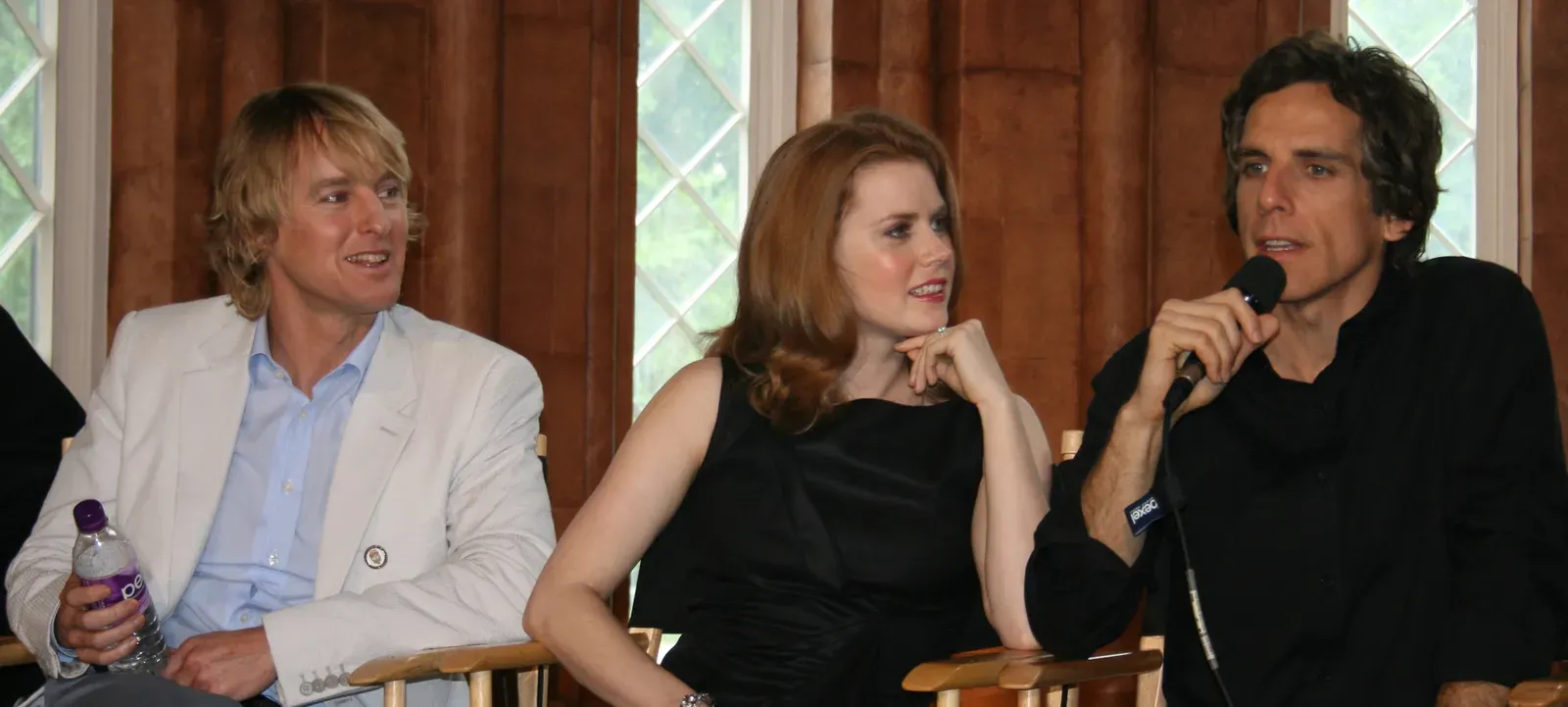
Wilson and Stiller became fixtures of American comedy in the 2000s, part of a loosely defined group of actors sometimes nicknamed the Frat Pack alongside Vince Vaughn and Will Ferrell. Their collaborations began with “The Cable Guy” in 1996 and grew through films like “Zoolander,” “Starsky & Hutch,” and “Meet the Parents,” where their comic timing complemented each other well.
Wilson often played the laid back, easygoing counterpart to Stiller’s more anxious, high strung characters, a dynamic that gave their scenes together a natural push and pull. The pairing continued into franchise territory with “Night at the Museum,” which spanned three films and gave audiences a lighter, family friendly version of their partnership. Even decades later, their names are still frequently mentioned together whenever comedy fans talk about that era of studio filmmaking.
Robert De Niro and Al Pacino
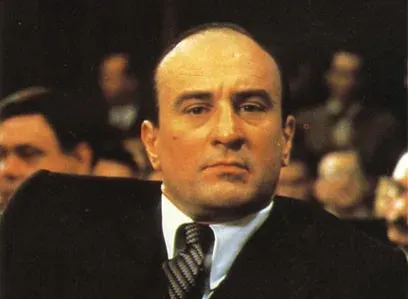
These two names carry a weight in film history that few other pairings can match, largely because of how rarely they actually shared the screen for much of their careers. Despite both starring in “The Godfather Part II,” they famously did not appear in any scenes together, since their characters existed in different timelines within the story. It took until 1995’s “Heat” for audiences to finally see them share a scene, a moment so anticipated that it became one of the most talked about in crime film history.
Their next true collaboration didn’t arrive until 2008’s “Righteous Kill,” which paired them as police detectives, followed by a more substantial reunion in Martin Scorsese’s “The Irishman” in 2019. That film gave both actors extended time together on screen, aided by de aging technology that let them portray younger versions of their characters. Given their status as two of the most respected actors of their generation, each new pairing tends to draw outsized attention regardless of the film’s overall reception.
Actor pairings like these tend to stick in the public memory because they represent something harder to manufacture than a good script or a big budget: genuine rapport. Whether it comes from decades of friendship, a shared history with a particular director, or simply strong professional chemistry, these six duos have each left a distinct mark on how audiences think about on-screen partnerships.Partner offer
Planning a trip to Vegas?
Compare hotel rates and show tickets on VEGAS.com.