Every casting story has a version that never happened. Before a famous performance becomes inseparable from one face, the part often passes through several hands, and some of those hands say no. Schedules clash, scripts don’t click, or an actor simply doesn’t see the potential.
The cases below are well documented in interviews and long-standing film history, though casting accounts can vary in detail. I’ve stuck to the widely reported versions and left out the shakier rumors.
Harrison Ford Passed on Nothing, but Tom Selleck Lost Indiana Jones to Television
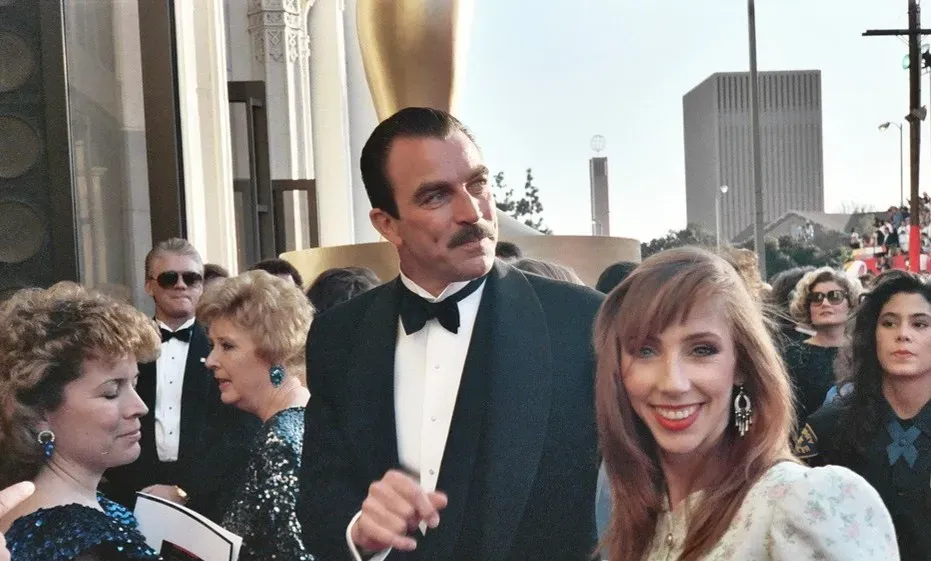
Tom Selleck was originally offered the role of Indiana Jones in Raiders of the Lost Ark. He has said publicly that he had to turn it down because of his contractual commitment to the television series Magnum, P.I. Harrison Ford then took the part in 1981.
The twist is that Magnum’s production was later delayed by a writers’ strike, which would have freed up Selleck’s schedule. Even so, his decision was binding at the time, and it’s among the most famous contractual near misses in Hollywood.
Will Smith Turned Down Neo in The Matrix
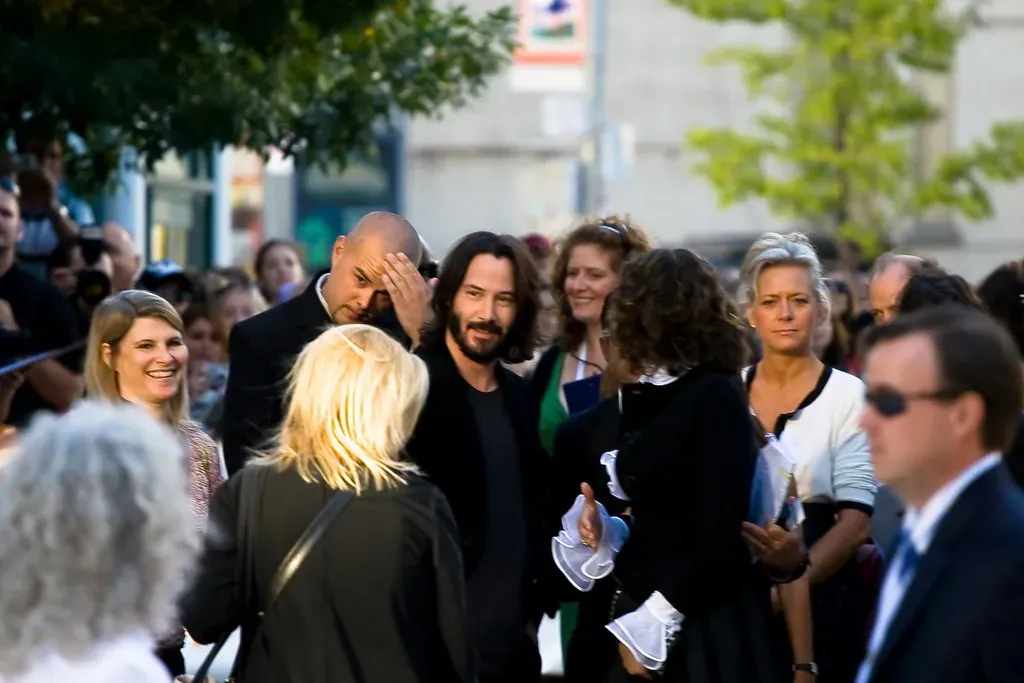
Will Smith has said in interviews that he was offered the role of Neo in The Matrix and chose to make Wild Wild West instead. Keanu Reeves took the part, and the 1999 film became a landmark of modern science fiction. Smith has joked about the decision for years.
He has framed it as a lesson about not being the right fit at that moment, saying he would have hampered the film. Wild Wild West, released the same year, was widely panned by critics.
Michelle Pfeiffer Declined Clarice Starling in The Silence of the Lambs
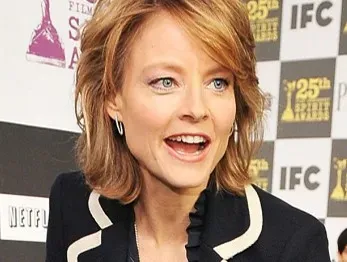
Michelle Pfeiffer was reportedly offered the role of FBI trainee Clarice Starling, and she has said she turned it down because she found the material too dark. Jodie Foster took the part instead. Her performance won her the Academy Award for Best Actress.
The 1991 film swept the top five Oscars, including Best Picture. Pfeiffer later said in interviews that she regretted the choice, which makes this a rare case of an actor openly revisiting a pass.
Mel Gibson Said No to Aragorn in The Lord of the Rings
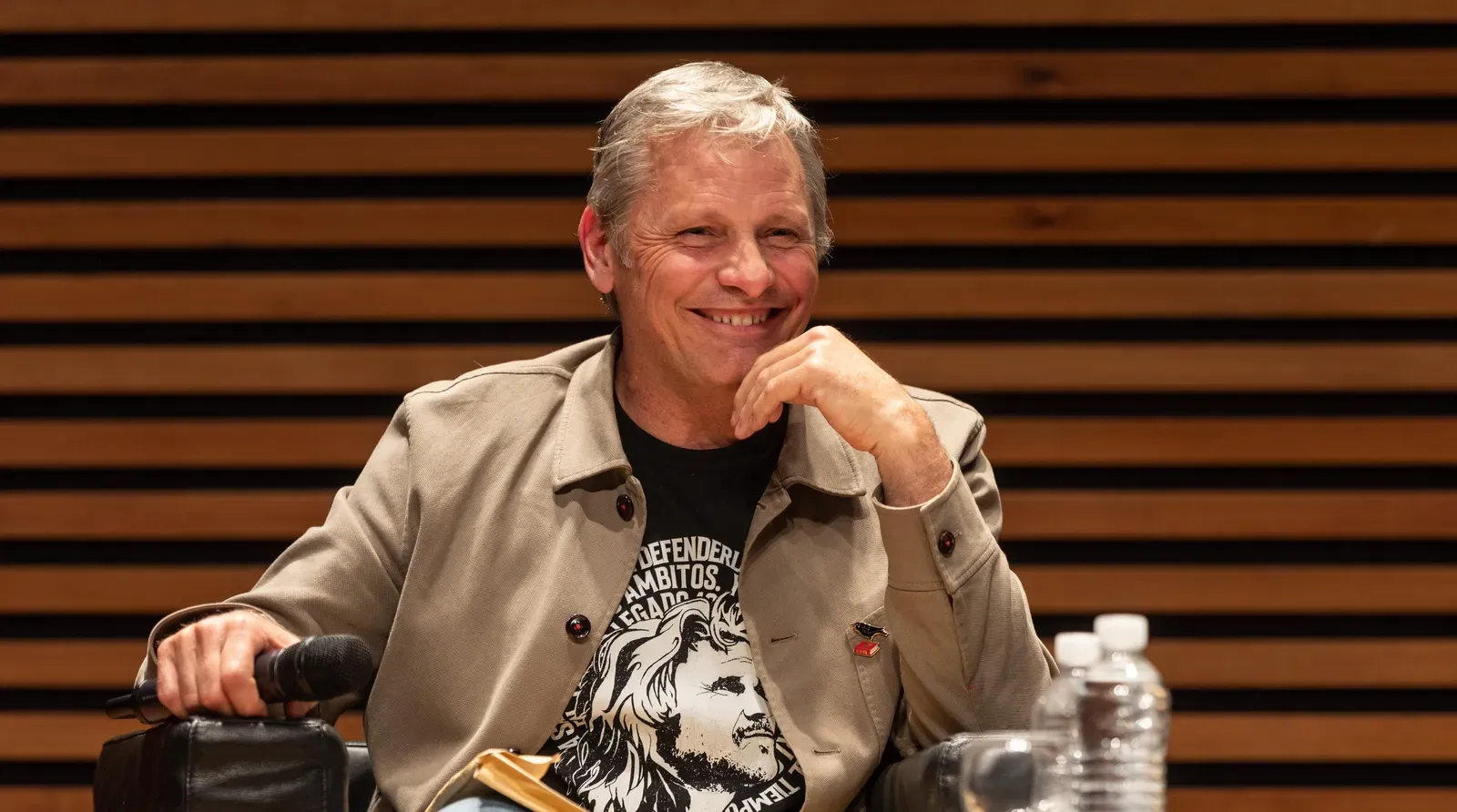
Peter Jackson has said that he approached Daniel Day-Lewis about playing Aragorn, and Day-Lewis declined. Other names, including Russell Crowe, were also reported to have been considered. Viggo Mortensen eventually stepped in after Stuart Townsend was replaced early in filming.
Mortensen reportedly accepted largely because his son was a fan of the books. The trilogy went on to win numerous Oscars, with The Return of the King taking home eleven.
Johnny Depp and Others Weren’t First for Everything, but Jim Carrey Passed on a Dark Knight Role
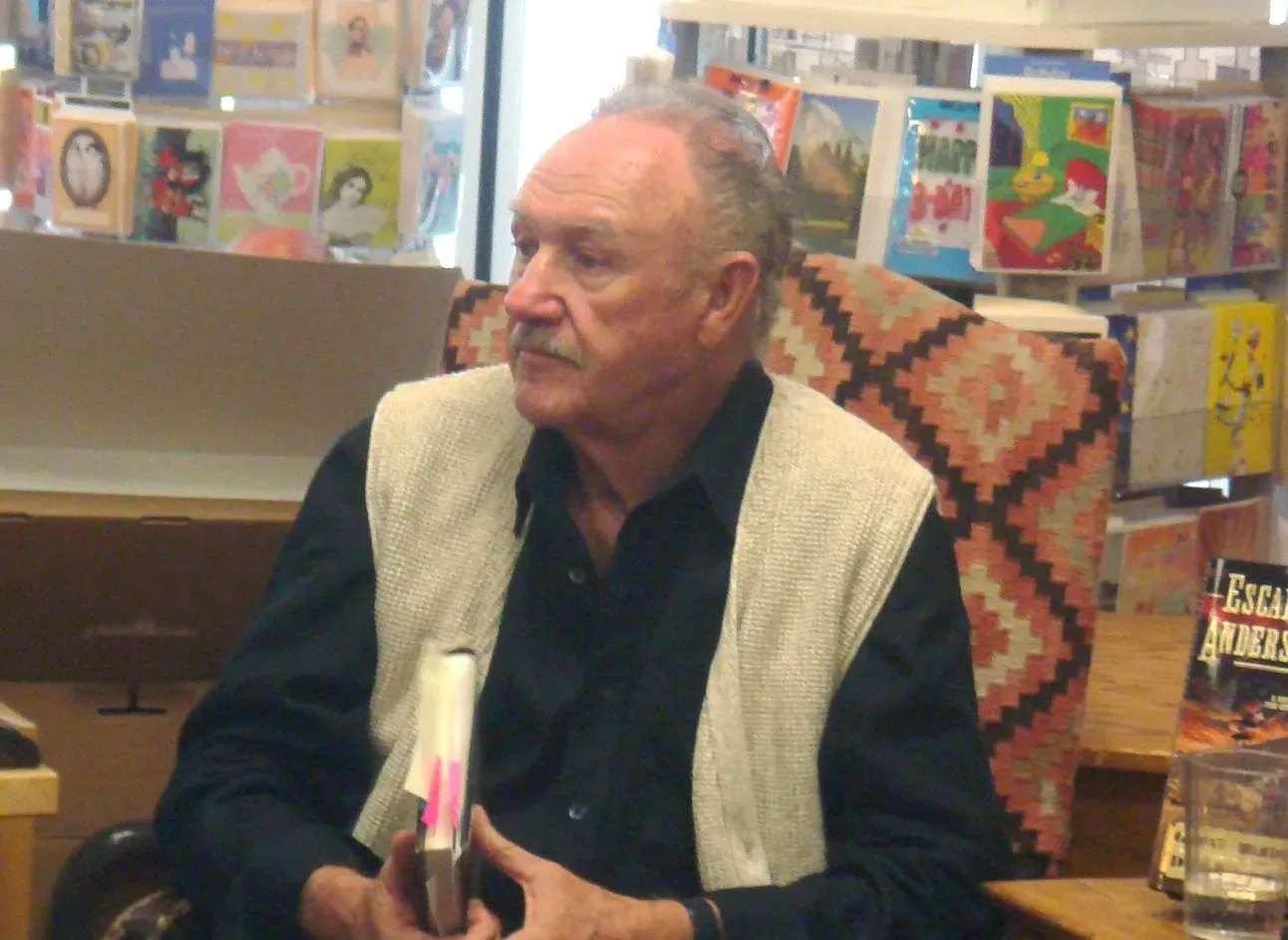
A more reliably documented case involves Gene Hackman, who turned down the role of Hannibal Lecter’s pursuer in The Silence of the Lambs before Anthony Hopkins’s casting as Lecter became a defining moment. Hackman had been attached to direct and star, but he dropped out after finding the script too violent. Orion Pictures then moved forward with Jonathan Demme directing.
Hopkins won the Best Actor Oscar for a performance with very little screen time. Hackman’s exit shows how a single cautious decision can reshape a film’s whole creative direction.
Eddie Murphy and Others Turned Down Roles Taken by Robin Williams as Genie? Not Quite: Bill Murray Passed on Forrest Gump Alternatives
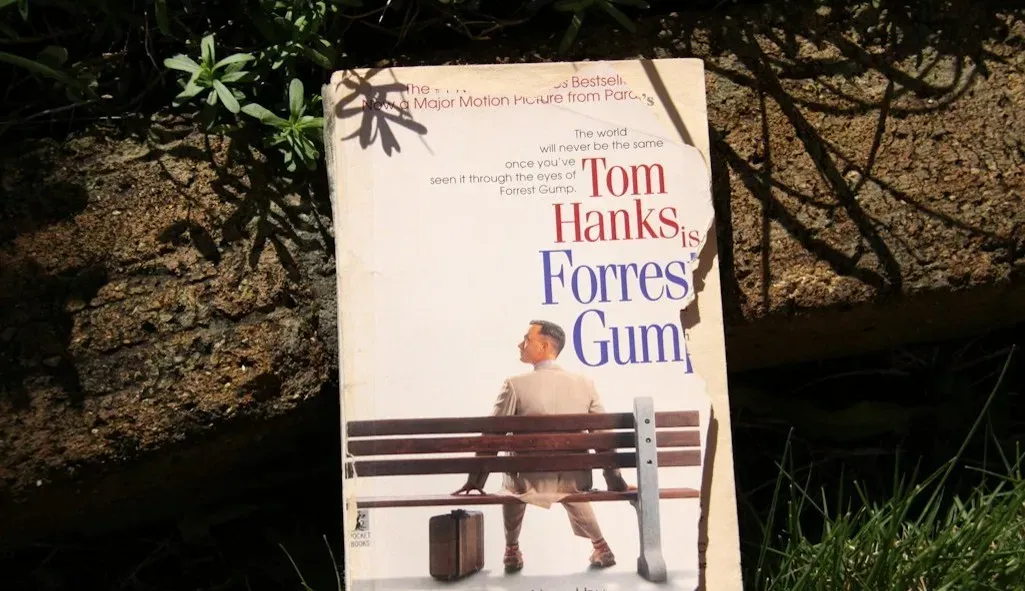
Better documented is the story of John Travolta, who turned down the lead in Forrest Gump. He has said he made that choice, and Tom Hanks took the role. Hanks won his second consecutive Best Actor Oscar for it, and the 1994 film won Best Picture.
Travolta has also said he passed on American Gigolo and An Officer and a Gentleman, both of which went to Richard Gere. He has discussed these decisions openly, treating them as part of a career that rebounded with Pulp Fiction the same year as Forrest Gump.
These stories remind us that a hit is rarely obvious beforehand. The roles that define careers often reach audiences only because someone else hesitated.