Literary fame can be strangely slow. Some of the most admired poets in the English-speaking world and beyond spent their lives with a handful of readers, a few printed pages, or a drawer full of manuscripts.
The nine poets below all fit that pattern in different ways. Some published almost nothing, others were ignored or misunderstood, and a few were only rescued by relatives, editors, or friends after they died.
Emily Dickinson
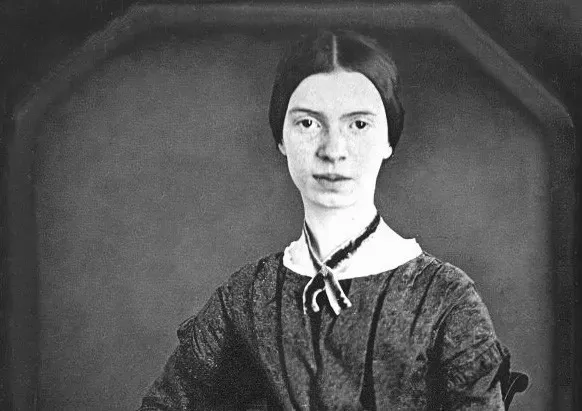
Dickinson wrote nearly eighteen hundred poems, yet only a small handful appeared in print while she was alive. Those few were published anonymously and often edited without her approval. She lived quietly in Amherst, Massachusetts, and shared many poems only in letters to friends and family.
After she died in 1886, her sister Lavinia found the manuscripts and pushed for publication. The first volume appeared in 1890, heavily edited to smooth her unusual punctuation and rhythm. Scholars later restored her original style, and she is now counted among the great American poets.
Gerard Manley Hopkins
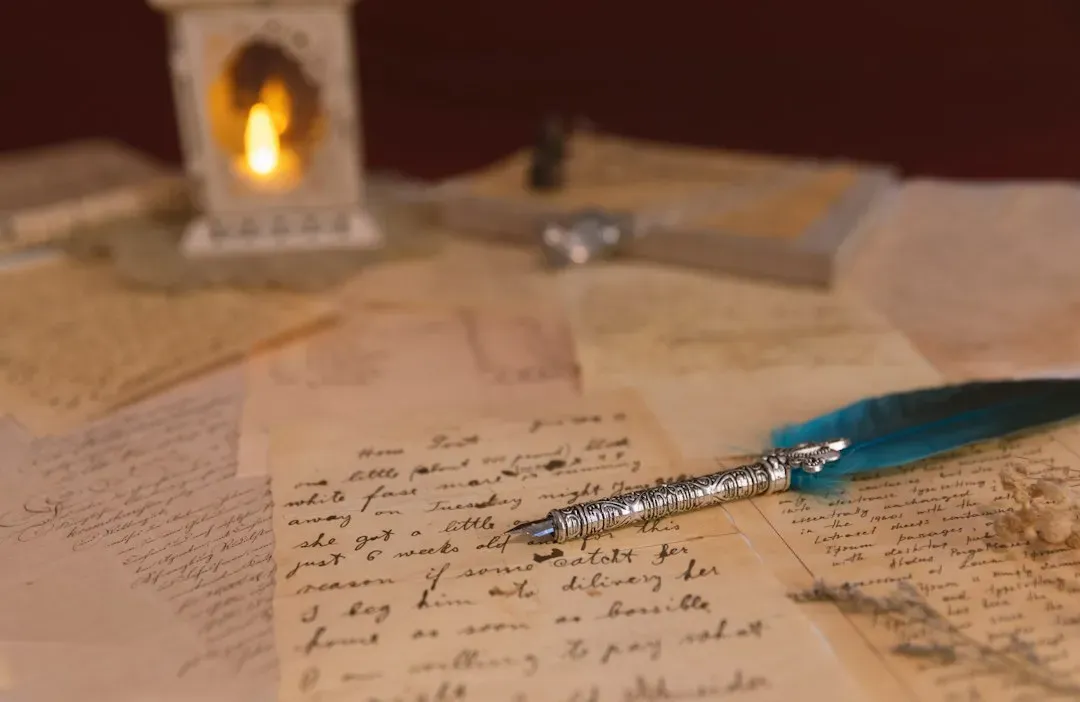
Hopkins was a Jesuit priest in Victorian England, and he rarely tried to publish his verse. His experiments with rhythm, which he called sprung rhythm, were far ahead of what readers of his time expected. He shared poems with a few friends, including the poet Robert Bridges.
He died in 1889 at the age of forty four. Bridges held on to the manuscripts and finally issued a collection in 1918, nearly three decades later. That book influenced a generation of modern poets.
Fernando Pessoa
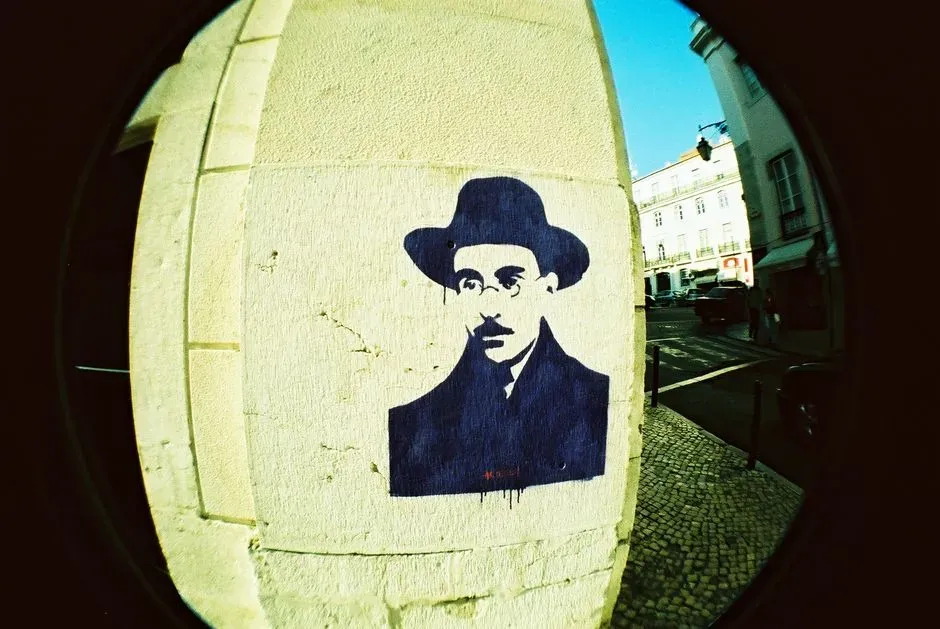
Pessoa, born in Lisbon, published little under his own name during his life. Most of his output appeared in small magazines, and one Portuguese book of poems, Mensagem, came out in 1934. He wrote as dozens of invented personalities he called heteronyms, including Alberto Caeiro, Ricardo Reis, and Álvaro de Campos.
He died in 1935, leaving a famous trunk filled with unpublished papers. Editors have been sorting through that archive for decades. Today he is considered one of the central figures of twentieth century Portuguese literature.
Gerard de Nerval? No: Georg Trakl
Trakl, an Austrian poet, published only a limited amount before his death in 1914. He worked as a military pharmacist during the First World War, and he died of a drug overdose after the battle of Grodek, probably by suicide. His first collection, Gedichte, appeared in 1913 to a small audience.
His dark, vivid imagery later became a major reference point for German language Expressionism. Philosophers such as Martin Heidegger wrote about his work. Readers outside Austria came to know him mostly through translations made well after his death.
Sappho? No: Sor Juana? No: John Clare
Clare, an English agricultural laborer, did gain some attention early on, since his first book appeared in 1820. Still, his popularity faded quickly as tastes changed, and later books sold poorly. He spent his final decades in asylums, writing poems about nature and his own mental state.
He died in 1864, mostly forgotten by the public. Interest returned in the twentieth century, when editors began publishing his work in its original spelling and punctuation. He is now widely valued for his detailed portraits of the English countryside.
Thomas Traherne
Traherne was a seventeenth century English clergyman whose poems and prose meditations were not printed while he lived. He died in 1674. His writings then disappeared for roughly two centuries.
In the late 1890s, manuscripts were found by chance on a London bookstall, and they were first thought to be by another writer. They were eventually identified as his, and his work was finally published in the early twentieth century. Readers have since admired his joyful, spiritual verse.
Anne Bradstreet? No: Edward Taylor
Taylor was a Puritan minister in colonial Massachusetts who wrote devotional poems called Preparatory Meditations. He reportedly asked that his heirs not publish his work, and it stayed in manuscript for generations. He died in 1729.
The poems were kept in the Yale University library, and a selection was published only in 1939. That release changed his reputation almost overnight. He is now regarded as one of the finest poets of early America.
Wilfred Owen
Owen wrote some of the best known poems about the First World War, but he saw only a few published in his lifetime. His poem Miners and a handful of others appeared before his death. He was killed in action in November 1918, a week before the Armistice.
His friend Siegfried Sassoon helped edit a posthumous volume, which appeared in 1920. Poems such as Dulce et Decorum Est reached a wide audience afterward. Owen is now a staple of school curricula in Britain.
Cesário Verde
Verde was a Portuguese poet who worked in his family business in Lisbon. He published scattered poems in newspapers and magazines but never saw a book of his verse issued during his life. He died of tuberculosis in 1886, at thirty one.
A friend collected his work into O Livro de Cesário Verde, which came out in 1887. His realistic descriptions of city life later inspired Pessoa and others. Portuguese readers today count him among their most important modern poets.