


Most people assume that the greatest books in literary history sailed smoothly through traditional publishing houses before landing on bookstore shelves. The reality is far messier, and far more interesting. Despite the enduring narrative that depicts self-publishing as a last resort taken by writers who couldn’t secure traditional deals, history has proven this perception to be far from accurate. Some of literature’s most celebrated voices went it alone before the world caught up with their brilliance. Here are six classic novels that started life as self-published works.
1. Leaves of Grass by Walt Whitman (1855)

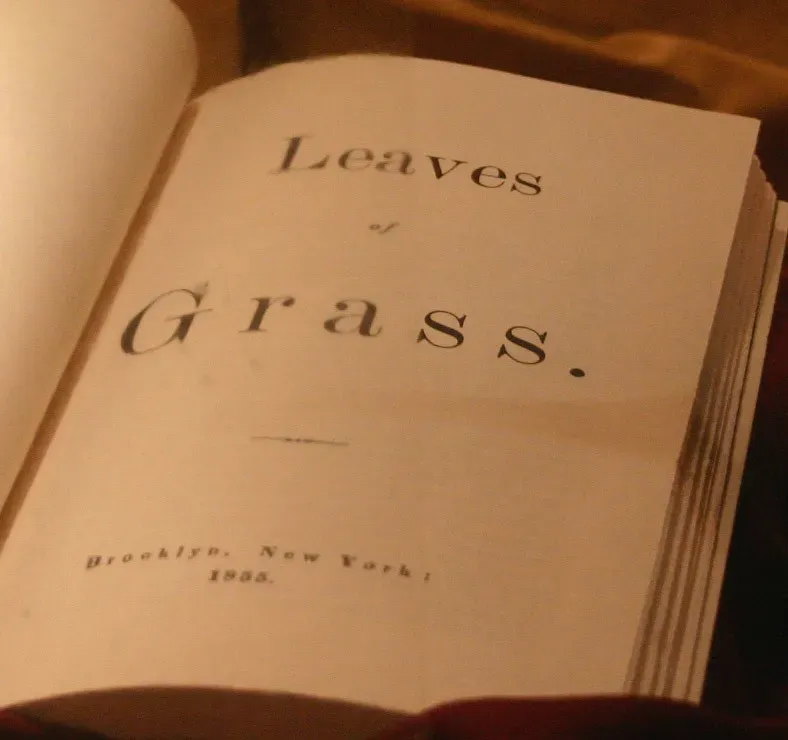
Leaves of Grass is a poetry collection by American poet Walt Whitman. After self-publishing it in 1855, he spent most of his professional life writing, revising, and expanding the collection until his death in 1892. Whitman had worked as a printer and newspaper publisher, and this first edition of his poetry was self-published in every sense of the word. The poet himself was involved in all aspects of design and production, even helping to set some of the type.
Whitman printed 795 copies of the first edition, but the book did not sell particularly well. About 200 copies of the 1855 edition are known to survive today. The critical reception was mixed to hostile at first. Emerson himself declared the first edition was “the most extraordinary piece of wit and wisdom that America has yet contributed,” but critics and readers alike found both Whitman’s style and subject matter unnerving. Over time, his stature only grew, and Walt Whitman spent the rest of his life engaged in expanding and revising this work, through six editions and nearly four decades, establishing Leaves of Grass as one of the central works in the history of world poetry.
2. Wuthering Heights by Emily Brontë (1847)

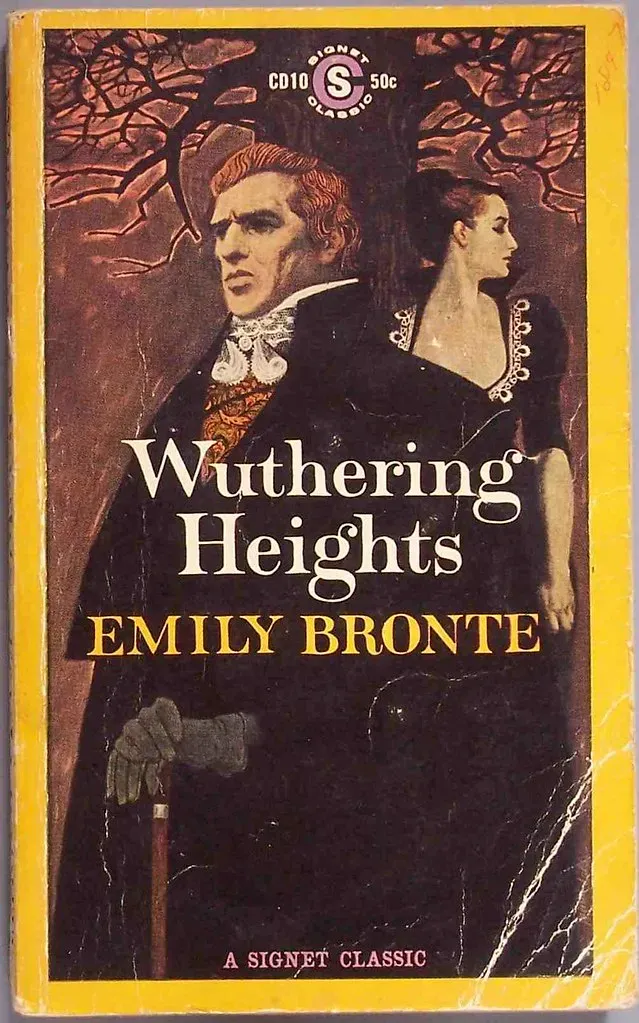
It might shock many readers to learn that one of literature’s most haunting love stories was not welcomed by publishers at first. Emily Brontë, alongside her sisters Charlotte and Anne, pooled their savings to fund a joint volume under the gender-neutral pseudonyms Currer, Ellis, and Acton Bell in 1847. Emily published it under a masculine-sounding pen name so that her work would not be judged on the basis of her gender. The novel eventually found a commercial publisher, Thomas Cautley Newby, though on deeply unfavorable terms to the authors.
Her work was not generally admired at the time, and many critics felt that the characters in Wuthering Heights were coarse and immoral. In spite of this, the novel is now considered to be a classic of English literature. The sisters received only a handful of positive reviews, but Wuthering Heights eventually outlived its critics. Today, it is studied in classrooms worldwide and often ranks among the top English-language novels, with its wild Yorkshire moors and intense characters inspiring countless adaptations in film and television. Most recently, filmmaker Emerald Fennell brought it to the big screen in 2026 with a notable adaptation featuring Jacob Elordi and Margot Robbie.
3. The Adventures of Huckleberry Finn by Mark Twain (1884)

Transferred from en.wikipedia to Commons by Melesse using CommonsHelper., Public domain)
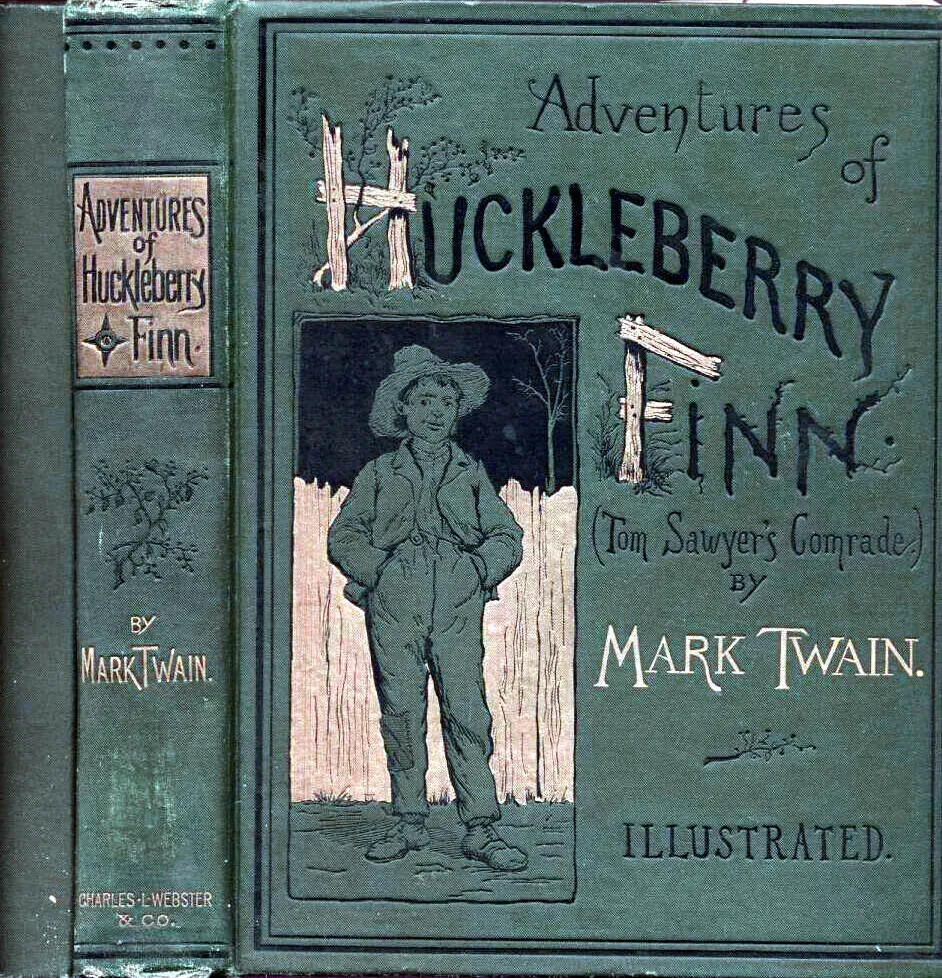
Mark Twain, the quintessential American author, faced numerous rejections on his path with this particular work. Despite having traditionally published several well-received volumes already, nobody seemed to want to publish what would later become his best-known work. Frustrated by the traditional publishing industry, Twain took matters into his own hands and self-published The Adventures of Huckleberry Finn in 1884. Through his own imprint, Twain released two immensely successful books, including the widely renowned Adventures of Huckleberry Finn.
Despite the initial controversy and mixed critical reception, Twain’s novel went on to become one of the greatest works of American literature. Today, Huck Finn stands as a timeless classic, revered for its candid depiction of American life and its enduring commentary on race, society, and morality. Ernest Hemingway famously declared that all modern American literature came from this one book, a statement that underscores just how much was at stake when Twain decided to bypass the gatekeepers and publish it himself.
Partner offer

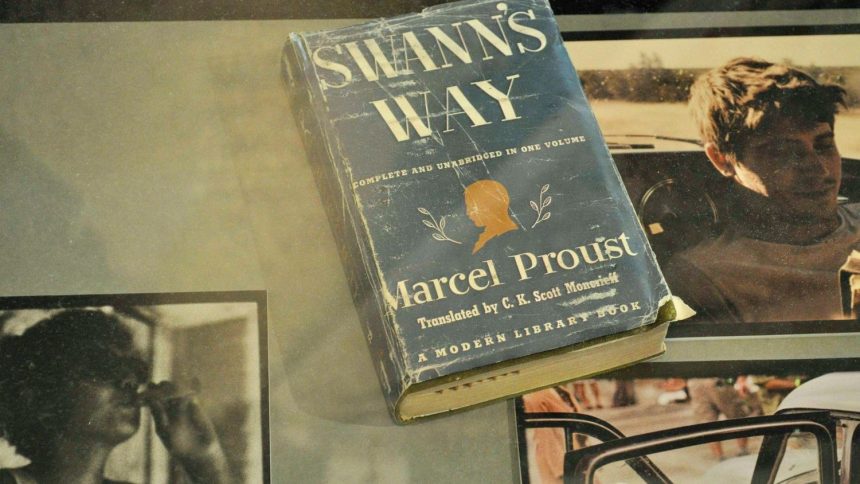
4. Swann’s Way by Marcel Proust (1913)

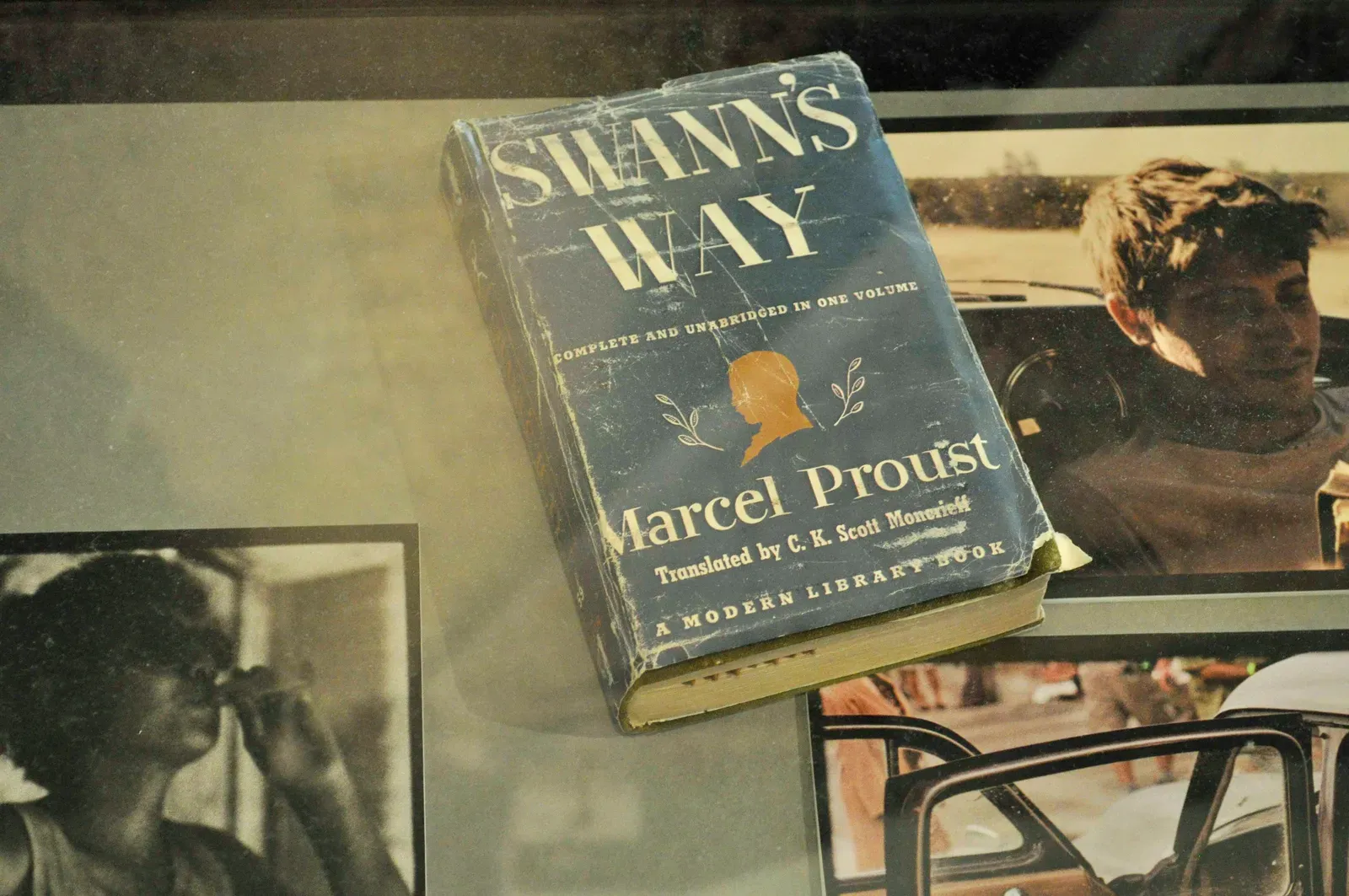
Deemed an unruly collection of memories and melancholic philosophizing, the first volume in Marcel Proust’s masterpiece In Search of Lost Time, Swann’s Way, was rejected by several French publishers before Proust managed to convince Grasset to publish it for him by footing the bill himself. The rejections were stinging, with one editor famously dismissing the book’s lengthy, introspective opening. Proust had money, though, and paid publisher Editions Grasset to print the book.
Ultimately, Swann’s Way established Proust as one of the most important voices of his time, and when he was later approached by the same publishers who had rejected him for rights to publish the remaining volumes, Proust stayed loyal to Grasset. The book was so well-received and successful that André Gide himself wrote a letter of apology to Proust, calling the rejection of the book “the most serious mistake ever made” and one of the most stinging regrets of his life. Today, In Search of Lost Time is widely regarded as one of the greatest literary achievements in history.
5. The Tale of Peter Rabbit by Beatrix Potter (1901)

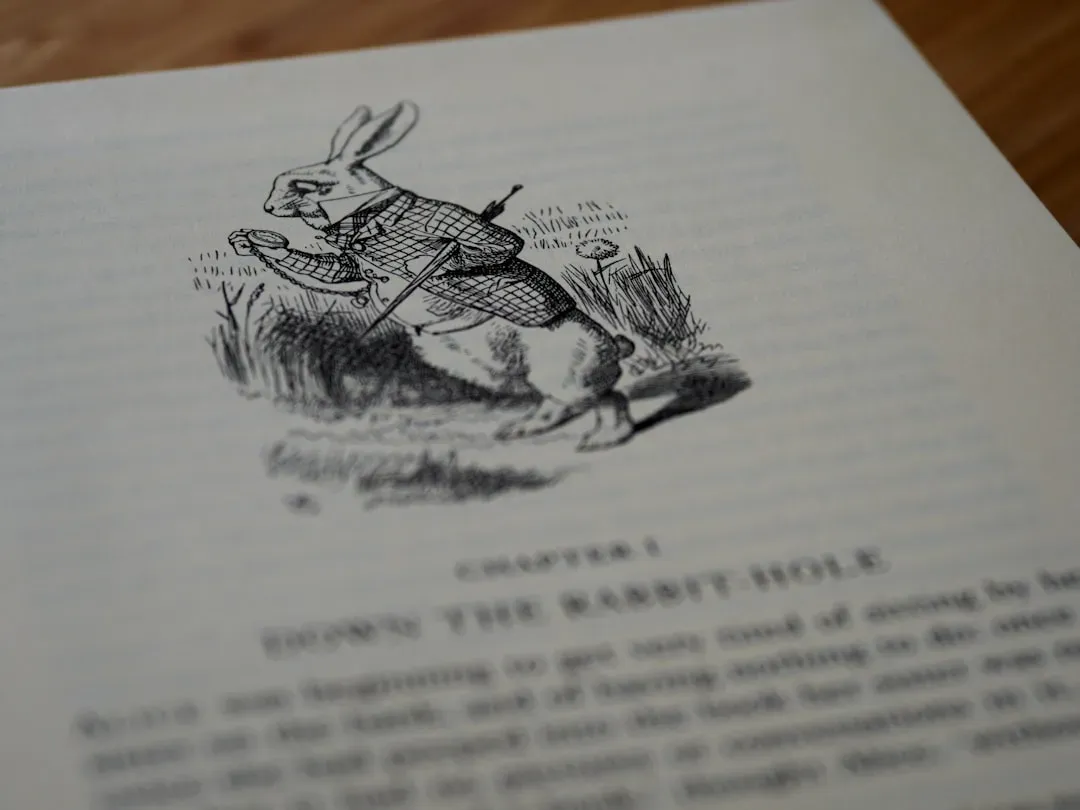
Long before Beatrix Potter became synonymous with beloved children’s classics, she faced rejection after rejection from traditional publishers for her manuscript. Undeterred, Potter took matters into her own hands and self-published the book in 1901, printing 250 copies. When publishers wanted her to make one too many alterations to the story, she decided that enough was enough and published it herself. It was a wise decision, as readers loved it just as much as five-year-old Noel Moore, the son of Potter’s governess, for whom she’d originally written the story.
The first run of 250 copies quickly sold out. Soon after, Frederick Warne & Co., who had previously rejected the book, saw its potential and agreed to publish it commercially. Warne’s publication of The Tale of Peter Rabbit became an instant success, and they went on to publish the subsequent 22 tales by Beatrix Potter. Traditional publishing would follow with an estimated 20,000 copies in the first year alone. Today, it is one of the bestselling books ever written.
6. The Joy of Cooking by Irma S. Rombauer (1931)


Irma Rombauer became a widow at age 52, left with just $6,000 in life savings. Her children encouraged her to compile her recipes and thoughts to help her cope with the loss of her husband. In 1930, Rombauer paid the A.C. Clayton Printing Company $3,000 to print 3,000 copies of The Joy of Cooking. Faced with rejections from publishers who believed the market was oversaturated with cookbooks, she decided to self-publish the first edition in 1931.
In 1932, with most of the 3,000 printed copies sold, Rombauer began to seek a new publisher. The Bobbs-Merrill Company published an expanded second edition in 1936, and over the next decades several newer editions were released. Irma S. Rombauer paid a local printing company to print 3,000 copies; the Bobbs-Merrill Company acquired the rights, and since then the book has sold over 20 million copies. What began as a grieving widow’s personal project became one of the most enduring and influential cookbooks in American culinary history.
Partner offer
Planning a trip to Vegas?
Compare hotel rates and show tickets on VEGAS.com.

