There’s something deeply magnetic about festivals that have endured through centuries. You see dances performed the same way grandparents taught their children, hear songs passed down through countless generations, taste food prepared using ancient methods. These aren’t museum pieces or historical reenactments. They’re living, breathing celebrations where communities gather to honor their ancestors while firmly planting their feet in the present.
Around the world, indigenous communities continue to host festivals that do far more than entertain. They preserve languages, teach traditional skills, and strengthen bonds between generations.
Inti Raymi: The Sun Festival of the Andes

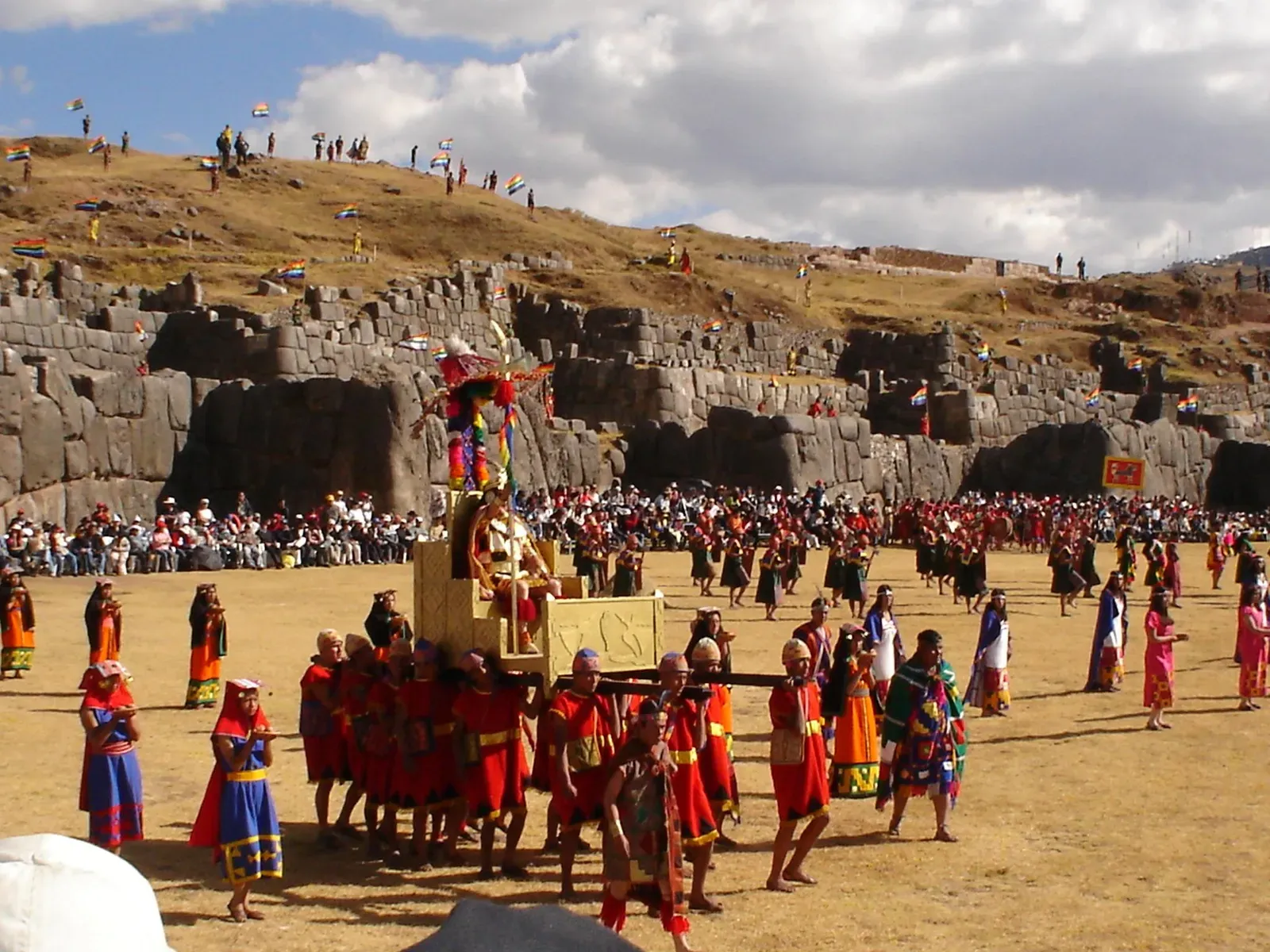
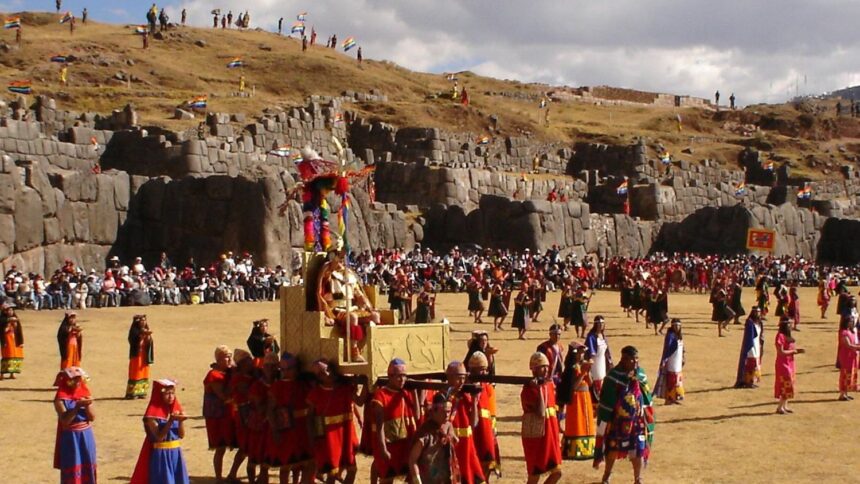
Every June in Cusco, Peru, something extraordinary happens. Over 45,000 visitors gathered in 2024 to witness the spectacular staging of the Inti Raymi, an ancient Incan ceremony honoring the sun god. Celebrated on June 24, the Inti Raymi was the most important festival of the Inca Empire, and today, the festival is recognized as the second-largest festival in South America and the most important and well-attended celebration of the year in Cusco. The ceremony unfolds across three sacred locations, beginning at Qorikancha temple, moving through Plaza de Armas, and culminating at the massive stone fortress of Sacsayhuaman.
Here’s what makes it remarkable: over 800 artists don typical garments and engage in diverse presentations, including dances and performances. The spectacle lasts roughly four hours total, with the Sacsayhuaman portion alone stretching for two hours. Though the Spanish banned the original festival in the 1500s, in 1944, Cusqueñan artists recreated Inti Raymi based on chronicles such as those of Garcilaso, giving rise to the theatrical version we know today.
The festival represents more than historical pageantry. It’s about cultural continuity and pride. In 2001 it was declared Cultural Patrimony of the Nation. Young Peruvians learn Quechua songs and traditional dances specifically for this event, ensuring knowledge that might otherwise fade continues to flow from elders to youth.
Gathering of Nations: North America’s Largest Powwow

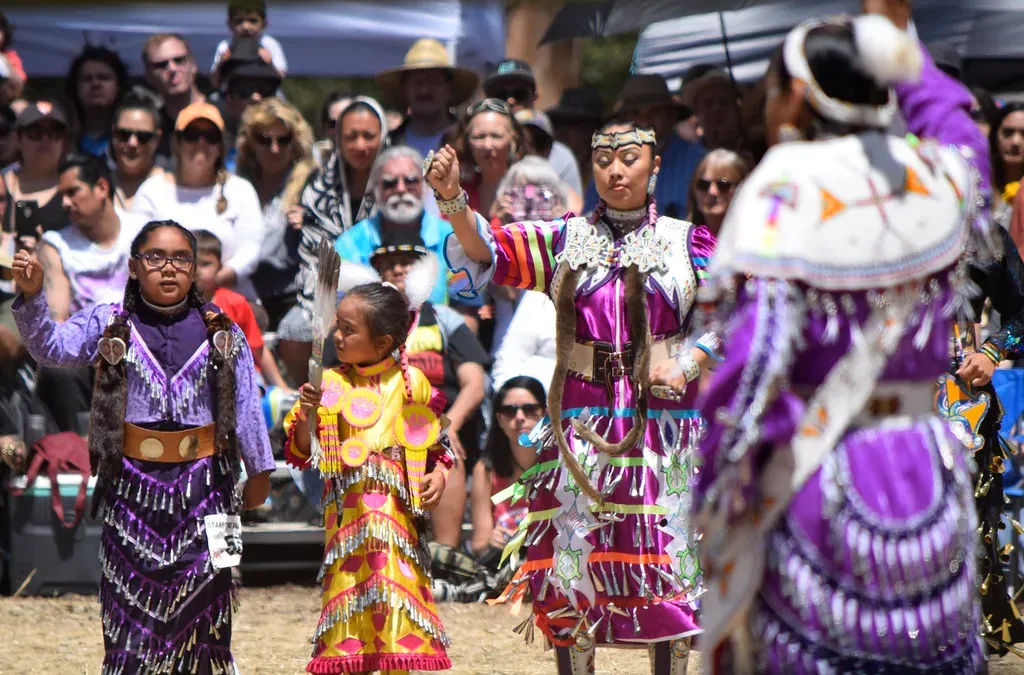
Let’s be real, nothing quite prepares you for the Gathering of Nations. The Gathering of Nations is the largest pow-wow in the United States and North America, held annually on the fourth weekend in April in Albuquerque, New Mexico, with over 565 tribes from around the United States and 220 from Canada traveling to Albuquerque to participate, and tens of thousands of spectators attending each year. Think about that for a moment. Nearly 800 different tribal nations converging in one place.
The numbers tell an impressive story. In 2023, it welcomed a record-setting 105,000 attendees and reached over 4 million viewers online. The event has a significant economic impact, generating approximately $24 million for Albuquerque in 2019. Yet the festival’s true value can’t be measured in dollars. More than 3,000 traditional Native American singers/drum groups and dancers compete for prizes, keeping alive that federal policy once sought to eradicate.
Inaugurated in 1923, powwows today are an opportunity for Indigenous people to socialize, dance, sing, and honor their cultures. Dancers wear elaborate regalia representing their tribal heritage, each bead and feather carrying meaning. The competitions span 36 categories, from Tiny Tots to Elders aged 70 and above, ensuring every generation participates in cultural transmission.
Hornbill Festival: Nagaland’s Festival of Festivals

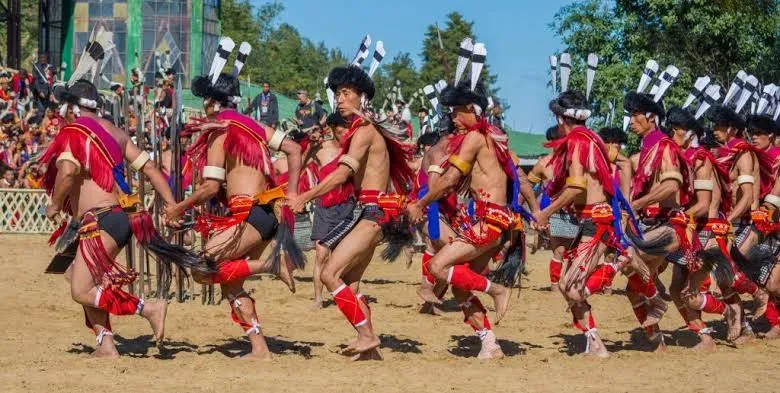
Nagaland, often called the “Land of Festivals,” is home to 17 major tribes, each with its own unique festivals and , with the Hornbill Festival, running from December 1 to 10, bringing these communities together. Honestly, calling it a festival almost undersells it. This is a comprehensive showcase of Naga culture held at Kisama Heritage Village near Kohima.
Conceptualized in the year 2000, this festival aims to promote inter-tribal interaction and preserve Nagaland’s heritage. According to data provided by the Directorate of Tourism Nagaland, the figure for first day of the 25th edition in 2024 included 513 foreign tourists, 5,486 domestic tourists, and 17,911 local visitors from Nagaland. What draws people? The sheer diversity. Each of the 17 tribes performs traditional dances in distinct costumes, competes in indigenous sports like Naga wrestling, and demonstrates ancestral crafts.
The festival provides a colourful mixture of dances, performances, crafts, parades, games, sports, food fairs and religious ceremonies, and both exposes the culture and tradition of ethnic peoples, and reinforces Nagaland’s identity as a unique state in India’s federal union. The festival also features a rock music competition, fashion shows, and herbal medicine stalls, creating an intriguing blend of ancient and modern. Over the years, the Hornbill Festival has significantly boosted tourism in Nagaland, attracting both national and international tourists, which has led to a growth in local economies.
Garma Festival: Celebrating Yolngu Culture in Arnhem Land

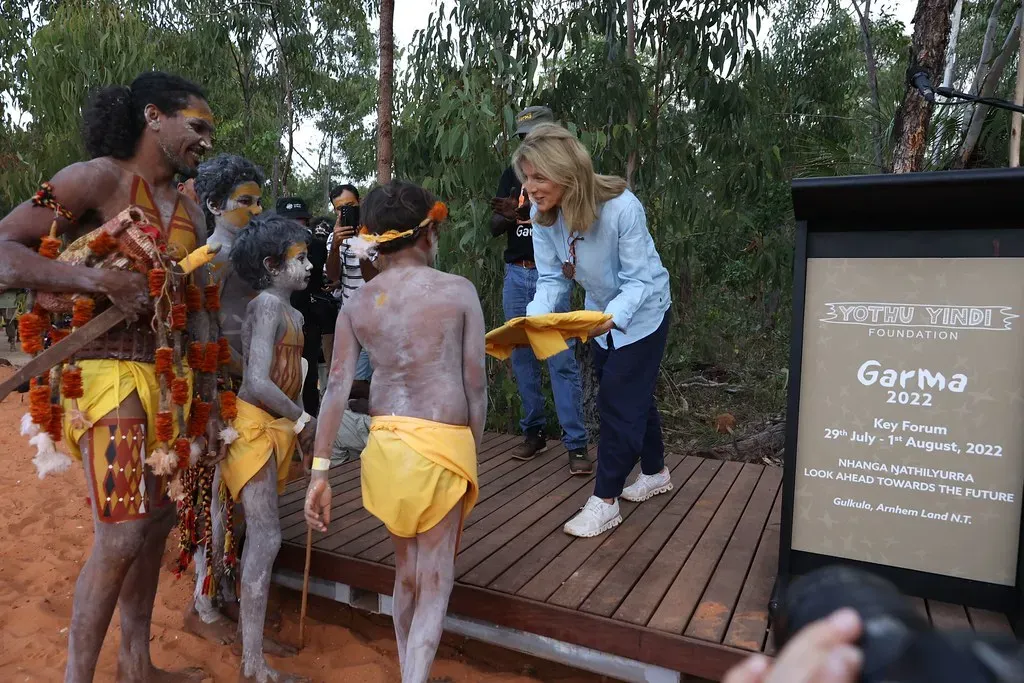
The Garma Festival is Australia’s largest Indigenous gathering, a 4-day celebration of Yolngu life and culture held in remote northeast Arnhem Land. Getting there requires real commitment. The festival takes place at Gulkula, roughly 40 kilometers from Nhulunbuy in Australia’s Northern Territory. This remoteness is actually part of the point. Visitors come to Yolngu country on Yolngu terms.
Partner offer

Hosted by the Yothu Yindi Foundation, Garma showcases traditional miny’tji (art), manikay (song), bunggul (dance) and story-telling, and is an important meeting point for the clans and families of the region. It attracts more than 2500 guests each year and is often sold out months in advance. The nightly bunggul ceremonies stand as the festival’s centerpiece. As the sun sets, families from the 13 Yolngu clan groups perform dances unique to northeast Arnhem Land, accompanied by yidaki and bilma.
The Garma Festival’s 25th anniversary will take place from Friday, 1 August to Monday, 4 August 2025. In 2024, Garma Festival was hosted at the Gulkula ceremonial site to celebrate and recognise Yolngu life and culture. The festival also hosts the Key Forum, which has become Australia’s premier platform for discussing Indigenous policy issues. Think education, land rights, health, and economic development. It’s where cultural celebration meets political action.
Tapati Rapa Nui: Easter Island’s Cultural Competition

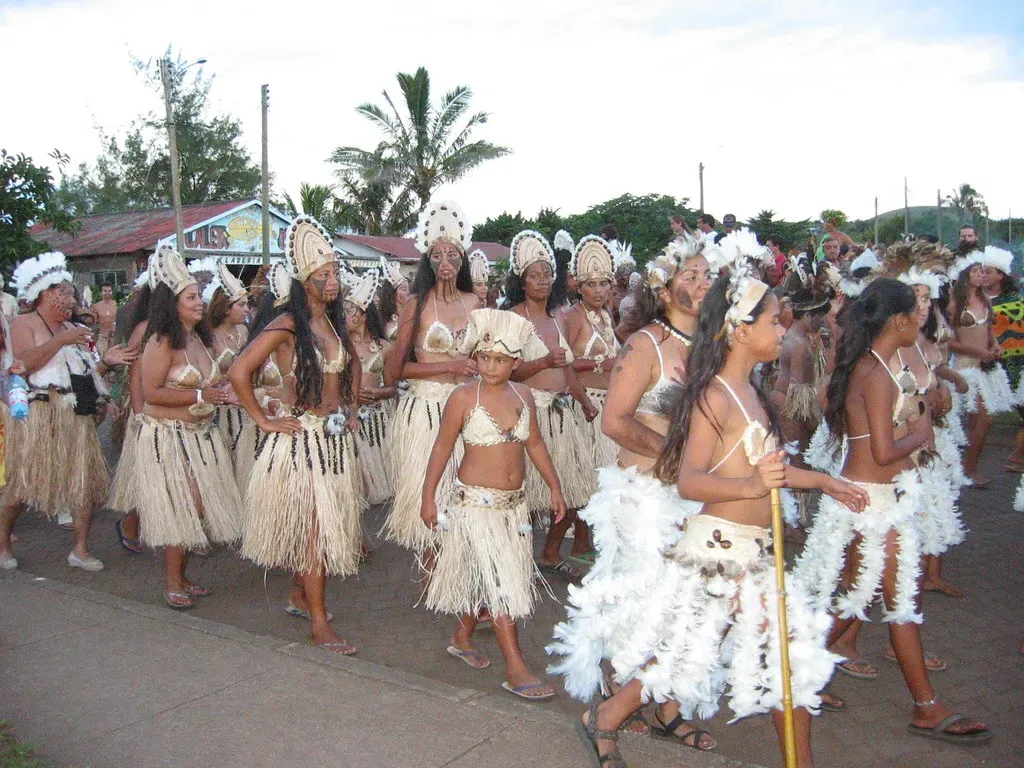
Far out in the Pacific Ocean, on one of the world’s most isolated inhabited islands, the Rapa Nui people stage an annual festival that’s equal parts athletic competition and cultural revival. The 2025 Tapati Rapa Nui Festival is set to take place from February 1 to February 14, with highlights including the Haka Pei, where participants slide down steep slopes on banana trunks, and the crowning of the festival queen.
This isn’t your typical beauty pageant or sporting event. Tapati emerged in the 1970s as Rapa Nui culture experienced a renaissance after decades of suppression. Families form teams that compete in traditional activities across two weeks. There’s wood carving, traditional tattooing demonstrations, body painting with natural pigments, and ancient sports. The Haka Pei competition is genuinely heart-stopping. Contestants hurtle down the steep volcanic slopes of Maunga Pu’i on banana tree trunks, reaching speeds that would terrify most people.
The festival queen competition requires contestants to demonstrate knowledge of Rapa Nui history, language, and . It’s not about physical appearance but cultural mastery. Each activity earns points for the contestant’s family group. The competitive element drives participation, particularly among youth who might otherwise drift toward mainland Chilean culture. Through Tapati, young Rapa Nui learn their ancestral language, songs, and skills in an environment that makes tradition exciting rather than obligatory.
Summer Solstice Indigenous Festival: Canada’s Seasonal Celebration

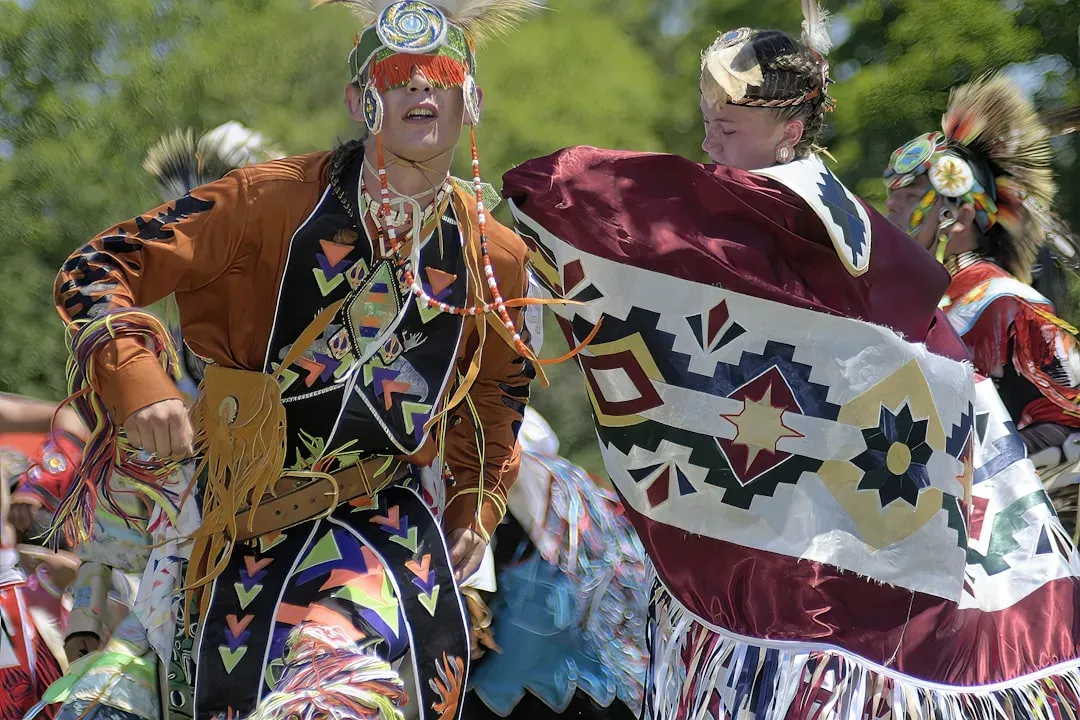
This June festival is an opportunity to celebrate the summer solstice on June 21, but also to celebrate the cultures, heritage, knowledge, arts and know-how of First Nations, Métis and Inuit. June 21 marks National Indigenous Peoples Day in Canada, and various festivals across the country honor this occasion. The Summer Solstice Indigenous Festival represents one of the largest such gatherings.
The first edition of this indigenous music festival was held during June 2023, beginning on National Indigenous Peoples Day, with musical performances, culinary discoveries and cultural workshops on the program during these 4 days. These celebrations provide space for Indigenous artists across multiple disciplines. There’s traditional drumming and contemporary Indigenous hip-hop. There are workshops teaching beadwork and language classes for those reclaiming their heritage.
What makes these Canadian festivals particularly significant is their role in reconciliation. After the painful revelations about residential schools and their devastating impact on Indigenous communities, events like the Summer Solstice festival create opportunities for non-Indigenous Canadians to learn directly from First Nations, Métis, and Inuit peoples. Children were welcome with kid-friendly programming throughout the day. This intergenerational approach ensures cultural knowledge flows in multiple directions.
The Great Gathering of First Nations: Quebec’s Cultural Convergence

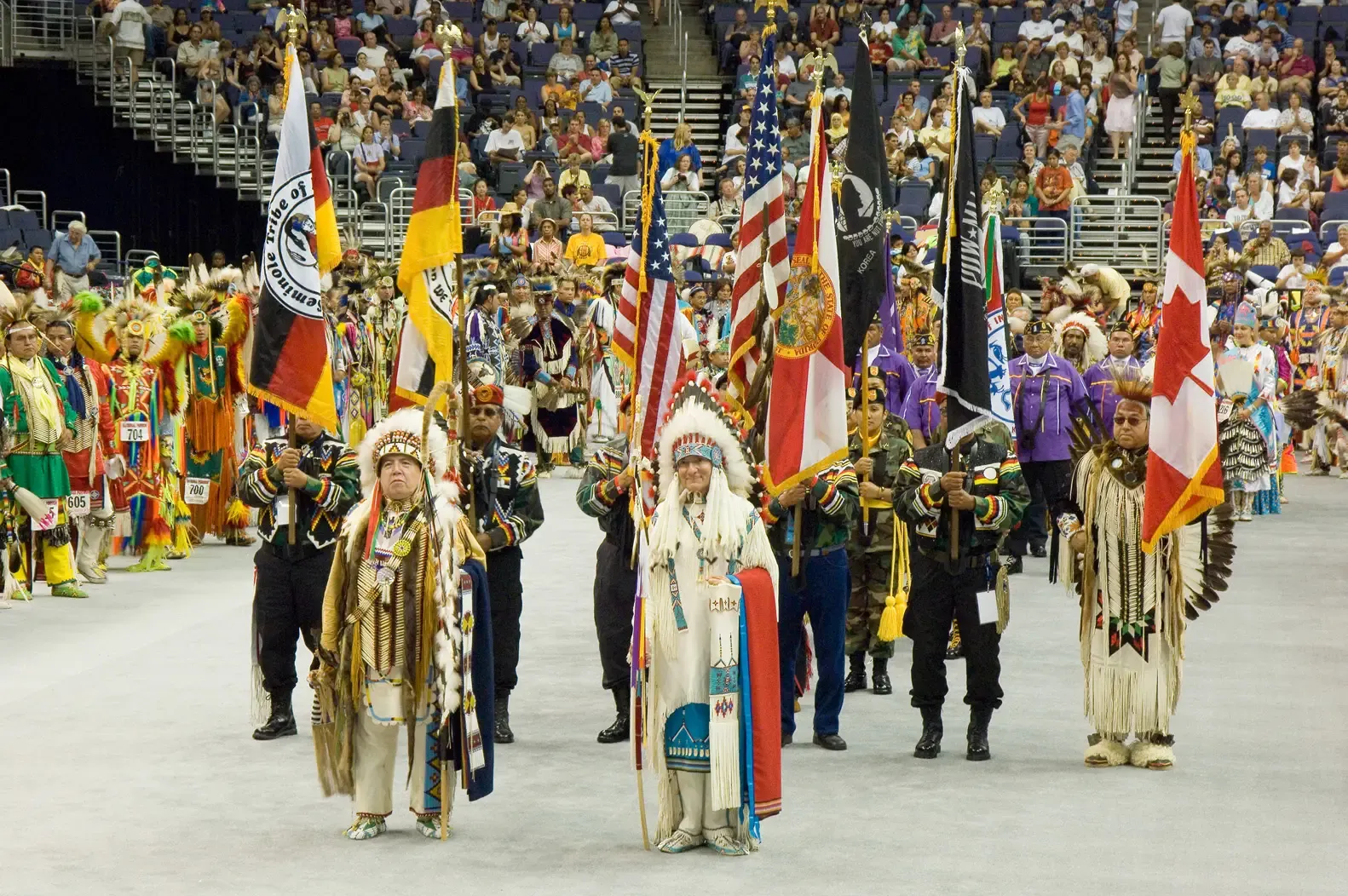
This event takes place in July on the Ilnu cultural transmission site of Mashteuiatsh, on the shores of Lake Pekuakami, and is a time of celebration and cultural sharing, with pow wow dances, drumming groups and traditional sports competitions. The location itself carries meaning. Mashteuiatsh, located about three hours from Quebec City, serves as a cultural transmission site specifically designed to preserve and share Ilnu .
Visitors can also enjoy craft and manual arts exhibits and discover the culinary arts of the First Nations, with a beautiful fireworks display planned once night falls. The event brings together First Nations people from across North America. This festival is a real moment of sharing and culture, particularly those of the Huron-Wendat, with several groups representing themselves in international dance and percussion competitions.
Traditional foods play a central role. Visitors taste game and bannock, the traditional bread that appears across many Indigenous cultures with regional variations. Through food, people connect with the land and traditional ways of harvesting and preparing sustenance. These aren’t abstract lessons. They’re visceral, sensory experiences that create lasting memories and understanding.
Partner offer
Planning a trip to Vegas?
Compare hotel rates and show tickets on VEGAS.com.