



Hollywood loves a comeback story, but it rarely advertises the part where the studio doors slammed shut first. Long before their names filled marquees, several of the industry’s most enduring performers were shown the exit by executives, teachers, and casting directors who simply didn’t see what was coming. Their early rejections weren’t quiet footnotes either. They were blunt, sometimes humiliating, and occasionally recorded for posterity in contracts and interviews that still circulate today. What makes these stories worth revisiting isn’t just the irony. It’s the reminder that talent evaluation, even by people whose job it is to spot it, is an imperfect science.
Harrison Ford


In 1966, a twenty-two-year-old Harrison Ford was under contract to Columbia Pictures, earning a modest weekly salary for a bit part as a bellboy in Dead Heat on a Merry-Go-Round. His small performance did not go over well with a Columbia executive who called the then 22-year-old into his office to berate him. The executive compared him unfavorably to Tony Curtis, suggesting Ford lacked the same instant screen presence that made Curtis a star from his very first delivery-boy role.
When Ford pushed back on the comparison, the conversation soured fast. The executive got annoyed and fired him, telling him to go back and learn how to be an actor. Columbia’s dismissal wasn’t the end of his studio troubles either. Shortly after, Ford’s contract was terminated and Columbia Pictures let him go, and a brief follow-up contract with Universal Studios ended the same way, with executives complaining about his lack of conventional star power. Within a decade, George Lucas would cast him as Han Solo, and Hollywood quietly forgot it had ever doubted him.
Clint Eastwood

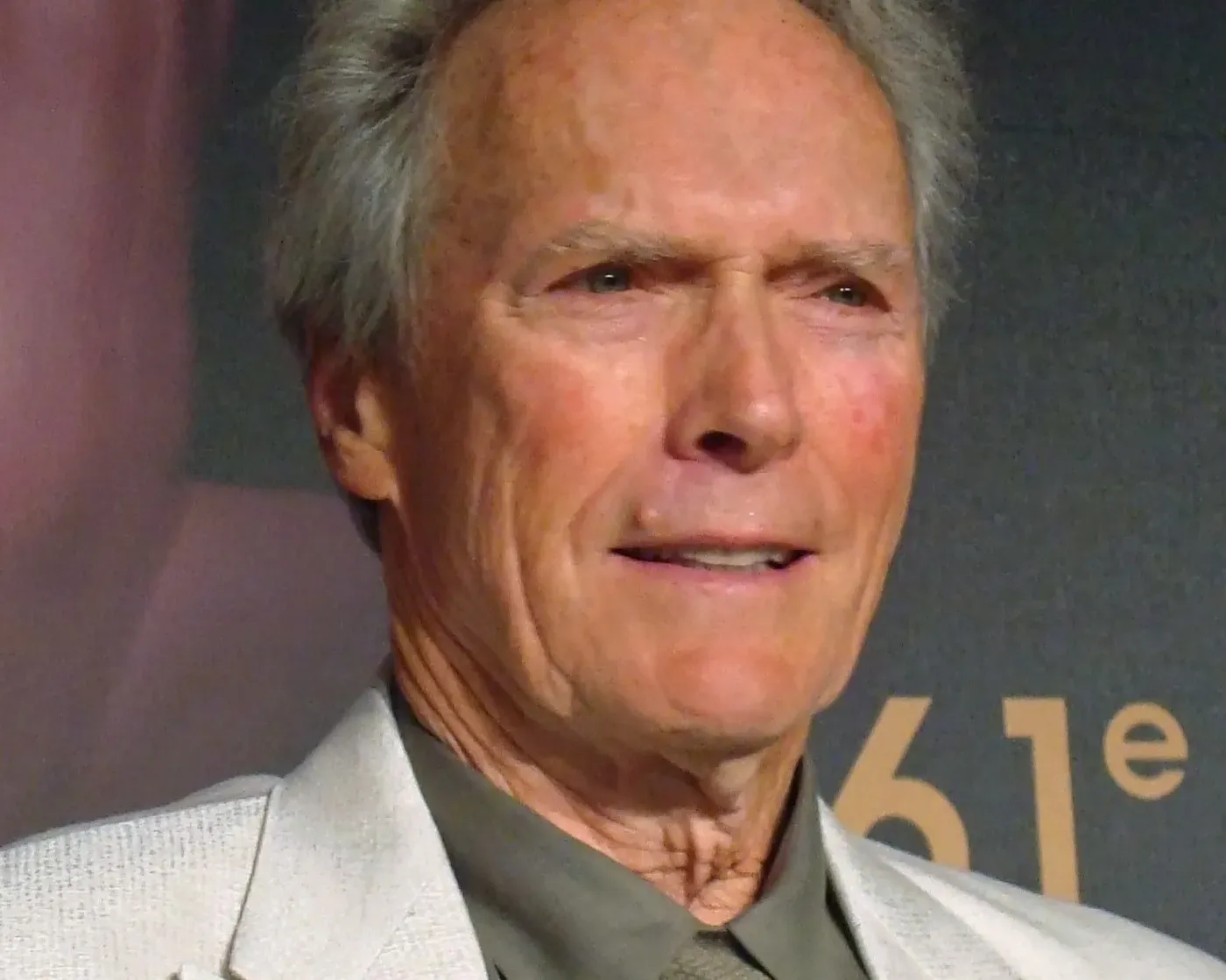
Long before he was squinting through spaghetti Westerns, Clint Eastwood was a contract player at Universal Pictures in the 1950s, picking up minor roles in films like Revenge of the Creature. He had recently signed a seven-year movie contract with Universal, and the studio gave him a few minor roles before choosing to terminate his contract early. The reasons given had almost nothing to do with acting ability.
According to his longtime friend Burt Reynolds, who was let go from the same studio around the same time, Eastwood’s firing came down to physical quirks the studio found unacceptable. He was fired because his Adam’s apple stuck out too far, he talked too slow, and he had a chipped tooth he refused to get fixed. Universal apparently viewed his slow, deliberate delivery as a speech problem rather than the signature style it would later become. It took a supporting role on the television series Rawhide in 1958 to convince the industry it had misjudged him.
Burt Reynolds

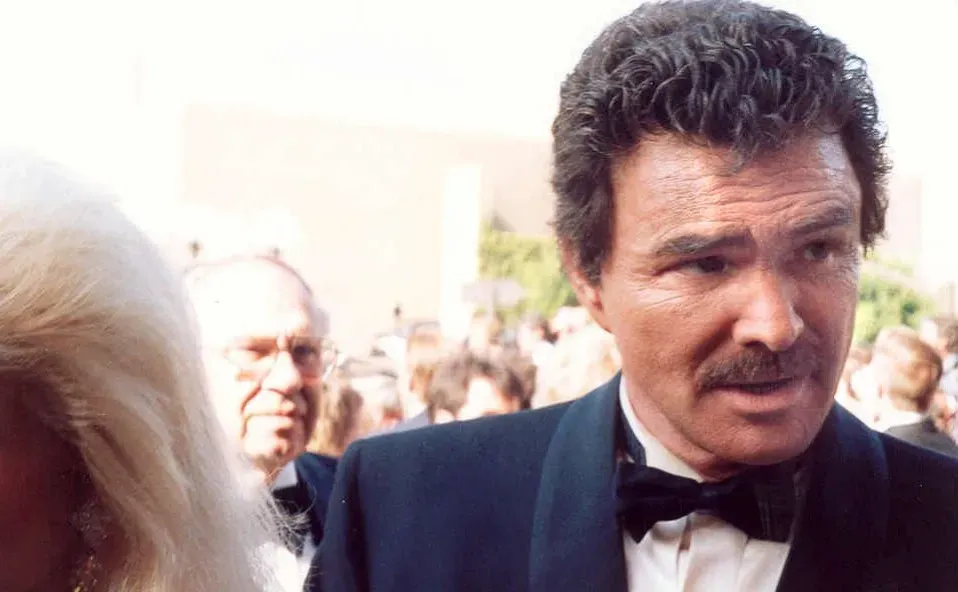
Reynolds shares a strange footnote in film history with Eastwood, since both men were cut loose by Universal within the same stretch of time. According to Reynolds, he had signed his own contract with the studio in 1958 before being let go the following year, around the same period Eastwood departed. Unlike his friend, Reynolds wasn’t dismissed over his appearance.
When Reynolds asked why he was being cut, the studio gave him a far more direct answer than they gave Eastwood. He recalled asking why he was being fired, and being told simply that he could not act. Reynolds later joked that at least his flaw was fixable, while Eastwood’s most obvious feature was staying right where it was. Both men went on to become two of the biggest box office draws of their generation, eventually sharing the screen together decades later.
Marilyn Monroe


Before she was Marilyn Monroe the icon, she was a young contract player named Norma Jeane at 20th Century Fox, mostly cast in extra roles with no lines. Almost immediately upon signing with the company, essentially all of her roles were extra parts with no speaking lines or significance to the story, and after about a year of trying, the studio had given up on her. The formal paperwork made the decision official rather than ambiguous.
On July 26, 1947, Fox sent a termination letter notifying her that her contract would not be renewed past that August. The letter officially notified her that her current contract was not being renewed and would terminate one month later, on August 25, 1947. She signed the document herself, effectively acknowledging her own dismissal. It would take a few more years, a memorable stint at Columbia, and small but noticed roles in The Asphalt Jungle and All About Eve before Fox brought her back on far better terms in 1950.
Lucille Ball

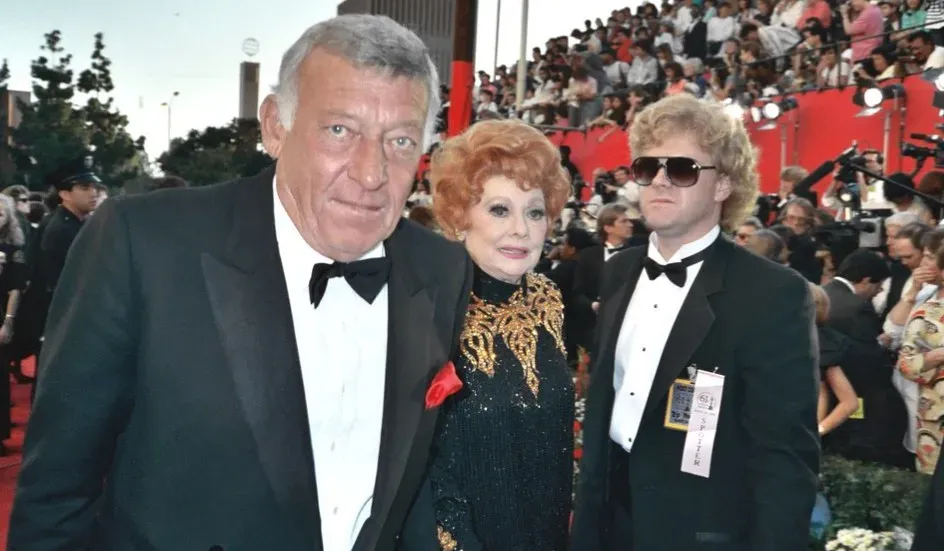
Long before I Love Lucy made her a household name, a teenage Lucille Ball enrolled at the John Murray Anderson School for the Dramatic Arts in New York City at her mother’s urging. Her mother used her meager savings to send Ball off to the school in the hopes of steering her away from an unsuitable boyfriend back home. The experiment in formal training didn’t go the way anyone hoped.
Ball’s instructors weren’t gentle about their assessment of her prospects. Shortly after enrolling, the school refunded her mother’s money and sent Ball away with a simple message: no talent. She reportedly shared a classroom with a young Bette Davis, who received the encouragement Ball did not. Rather than quit, she pivoted to modeling, eventually landed a spot in the 1933 film Roman Scandals, and spent the next two decades building the résumé that would make her one of television’s defining comedic performers.
Sidney Poitier

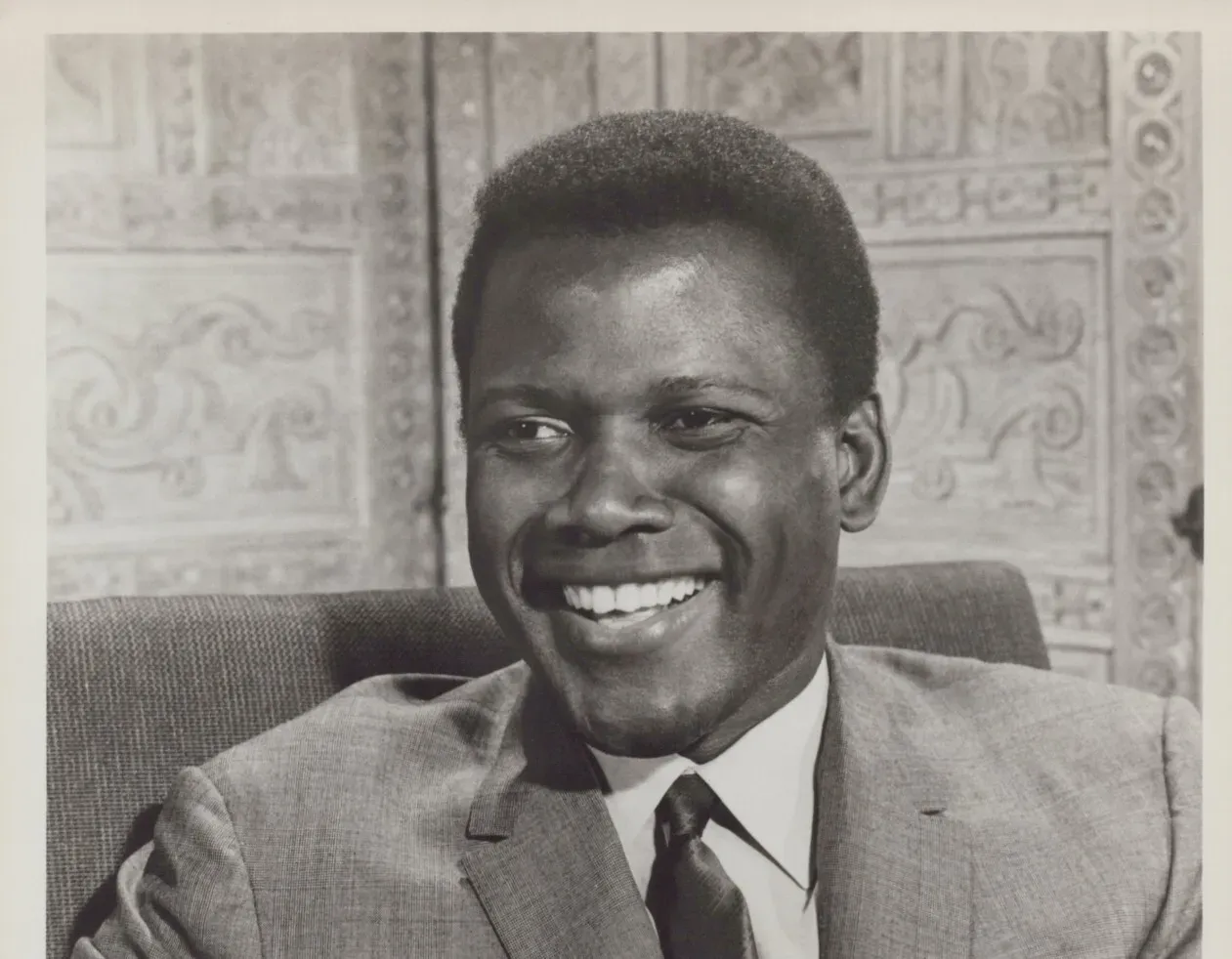
Sidney Poitier’s first brush with the American Negro Theatre in Harlem was less an audition than a public humbling. He was rejected because he had difficulty reading and speaking English. The theater’s leadership wasn’t interested in giving him a second chance on the spot, and he was sent away without a role.
Rather than walk off, Poitier spent months correcting the problem before trying again. Over the next six months, he worked to improve his English by listening to radio stations, then re-auditioned with the theater for another role. He was accepted the second time, but only after offering to work as the theater’s janitor in exchange for lessons, a arrangement that eventually put him in the room with Harry Belafonte and led to his Broadway debut. Within a few years, that same persistence carried him into No Way Out and, eventually, to becoming the first Black actor to win the Academy Award for Best Actor.
Taken together, these six stories say less about bad luck and more about how unreliable snap judgments can be, even from people paid to make them. Every one of these actors absorbed a clear message that they didn’t belong in the business, and every one of them ignored it. The gap between being told no and eventually redefining what a movie star could look like turned out to be measured in years, not talent.

