


Hollywood and the music industry love a good origin story, but the truth is that a lot of famous careers didn’t start with a bold plan. They started with an empty chair. Someone walked away from a job, a show, or a band, and the person who stepped in ended up becoming the version the public remembers best. It’s a strange kind of luck, landing a role because the person before you couldn’t or wouldn’t stay. Some of these replacements turned out to be footnotes. Others became the defining face of the entire project. Here are eight cases where an exit created an opening, and the person who filled it never looked back.
1. Steve Perry stepped into Journey after Robert Fleischman was pushed out

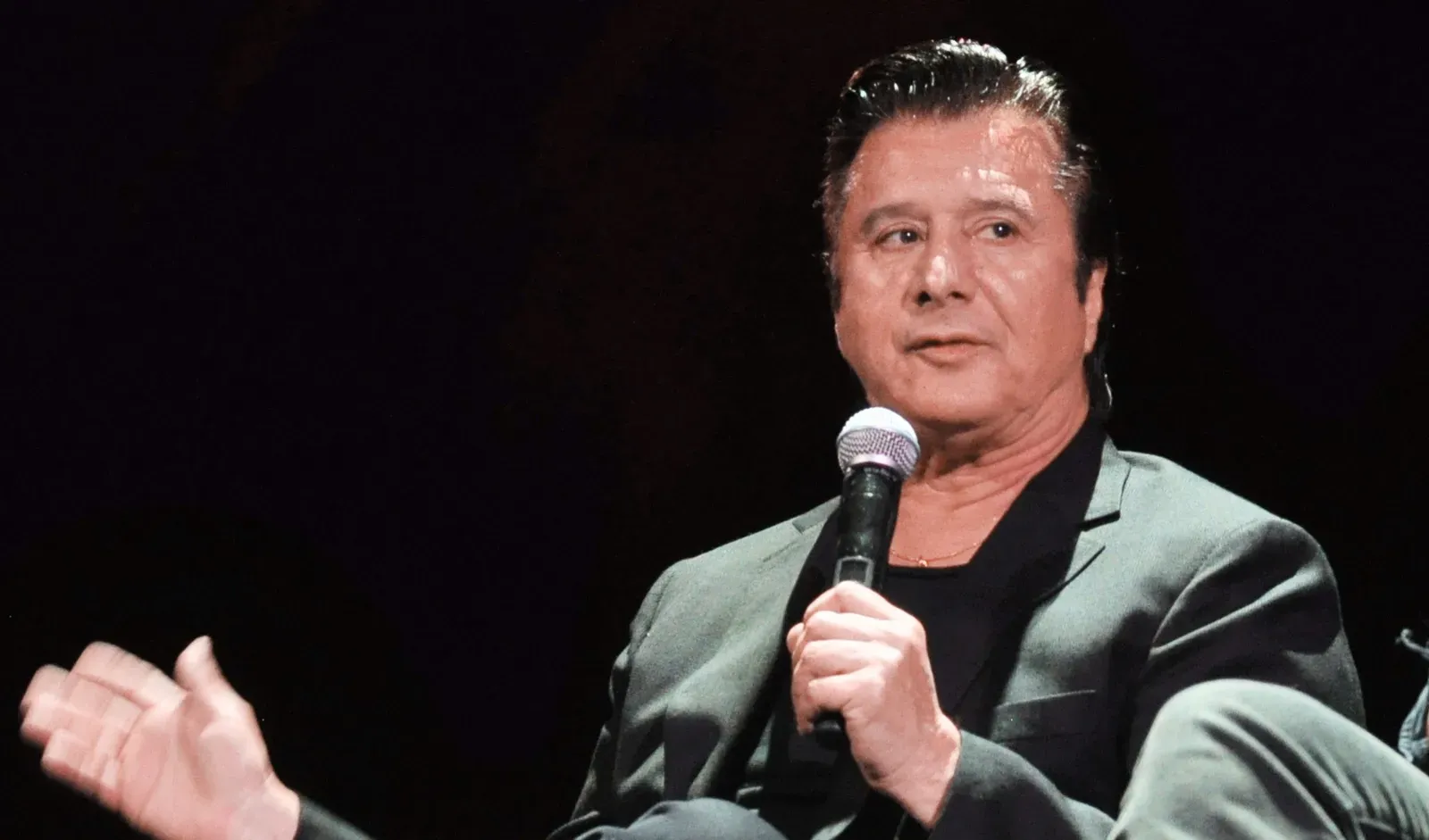
Before Steve Perry ever sang a note with Journey, the band’s frontman was a singer named Robert Fleischman, brought in during 1977 to give the jazz fusion outfit more of an identity. He was recruited by Journey’s manager, Herbie Herbert, to give the largely faceless band more of an identity. His time in the group barely lasted half a year.
Robert Fleischman might have made a perfectly serviceable singer for Journey, possessing an AOR style voice that was then in vogue and songwriting talent that helped co-compose late 70s favorites. Still, Fleischman was soon replaced by Steve Perry, due to musical and management differences. Perry’s arrival changed everything. Although fans were skeptical of Perry when he first joined the band, he was able to win fans over after the release of his first album, “Infinity,” which had a much different sound than Journey had created in the past. From there, Journey became one of the defining arena rock acts of its era, and Fleischman largely faded into trivia.
2. David Tennant took over Doctor Who after Christopher Eccleston walked away


Christopher Eccleston relaunched Doctor Who in 2005 as the Ninth Doctor and immediately made the show a cultural talking point again. Yet he left after a single season, and the reasons were murky for years. Actor Christopher Eccleston quit Doctor Who after one series because he “didn’t enjoy the environment and the culture” of the show.
His exit opened the door for David Tennant, whose take on the character became arguably the most beloved of the modern era. After quitting the show, Eccleston was replaced by David Tennant, with Matt Smith and Peter Capaldi following. Tennant’s run turned Doctor Who into a global phenomenon, and Eccleston’s successor, Tennant, remains one of the most beloved Time Lords in the series, with his iconic status further solidified by his return for the Doctor Who 60th anniversary specials. It’s a rare case where the show survived a rocky exit and came out stronger for it.
3. Bill Murray built his career out of Chevy Chase’s departure from SNL

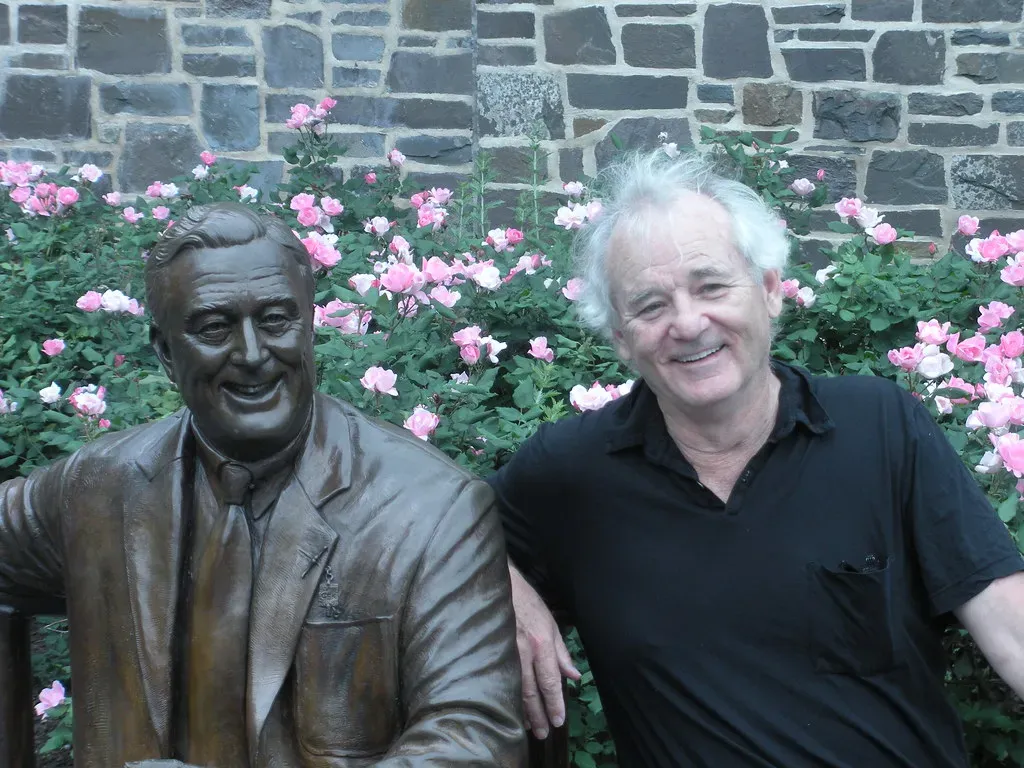
Chevy Chase was the first true breakout star of Saturday Night Live, thanks largely to his run as the original Weekend Update anchor. He left partway through season two to chase a film career, becoming only the second original cast member to do so after George Coe left during season 1.
The show needed someone to fill that gap, and it turned to a young comic named Bill Murray. Chase was replaced by Bill Murray in SNL season 2. The transition wasn’t smooth. As Chase went to chase a career in Hollywood, his replacement, Bill Murray, would struggle to fill the imposing SNL alum’s shoes. Murray eventually found his footing and became one of the most enduring names to ever come out of Studio 8H, a legacy that started because someone else had already headed for the exit.
4. Jimmy Smits made NYPD Blue his own after David Caruso quit in a salary dispute

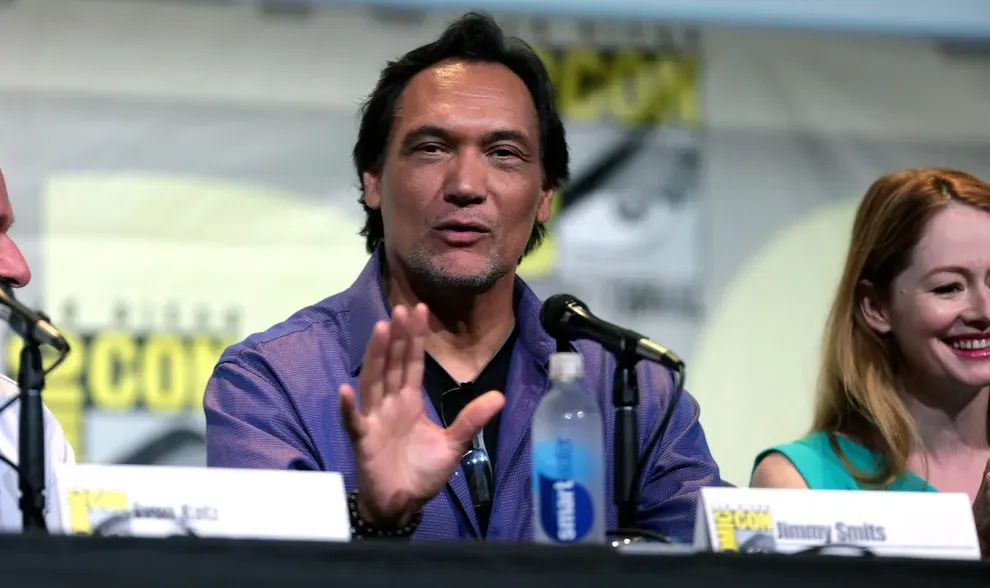
David Caruso was the breakout star of NYPD Blue’s first season, winning a Golden Globe for his role as Detective John Kelly. Then came a contract standoff. David Caruso’s departure from “NYPD Blue” was due to his demanding a salary increase to $100,000 per episode and a list of extravagant perks, leading to his replacement by Jimmy Smits.
Producer Steven Bochco didn’t sugarcoat how the change worked out. Caruso was written out of NYPD Blue four episodes into Season 2, and Jimmy Smits was brought in to replace him and, as Bochco states, ended up making “the series even greater.” Smits went on to earn multiple Emmy nominations on the show, while Caruso’s attempt at movie stardom never quite took off the way he’d hoped.
5. Cheryl Ladd turned a reluctant yes into Charlie’s Angels stardom

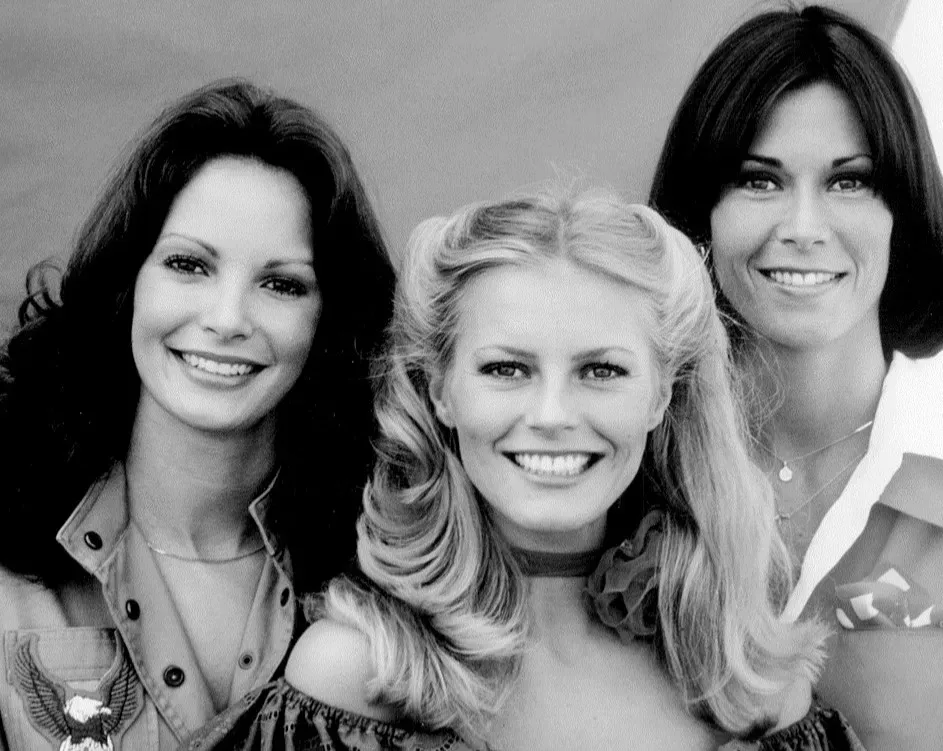
When Farrah Fawcett left Charlie’s Angels after its first season, producer Aaron Spelling needed someone to fill her role fast. His first choice wasn’t eager to say yes. In an interview, the actress said she had mixed feelings about joining the series at first and initially told executive producer Aaron Spelling, “No, thank you,” despite him telling her, “Cheryl, I want you to replace Farrah. I want you to come in and be on the show.”
Spelling eventually came back with a pitch that reframed the role entirely, casting Ladd as Jill’s little sister rather than a direct stand in for Fawcett. Ladd joined as a lead on the show during its second season in 1977 to replace Fawcett and remained on it until its cancellation in 1981. The gamble paid off. Ladd’s version of Kris Munroe became just as iconic to a generation of viewers as the original cast, proving that a good replacement doesn’t need to copy the person who left.
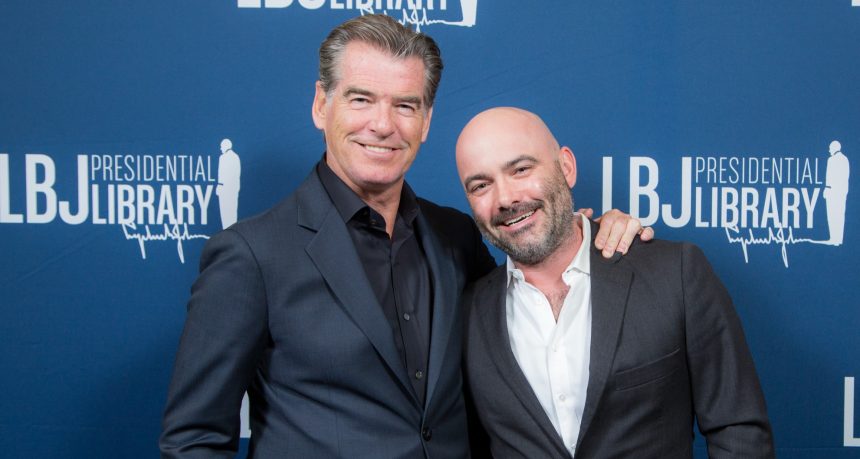
6. Pierce Brosnan got his shot at Bond once Timothy Dalton stepped away

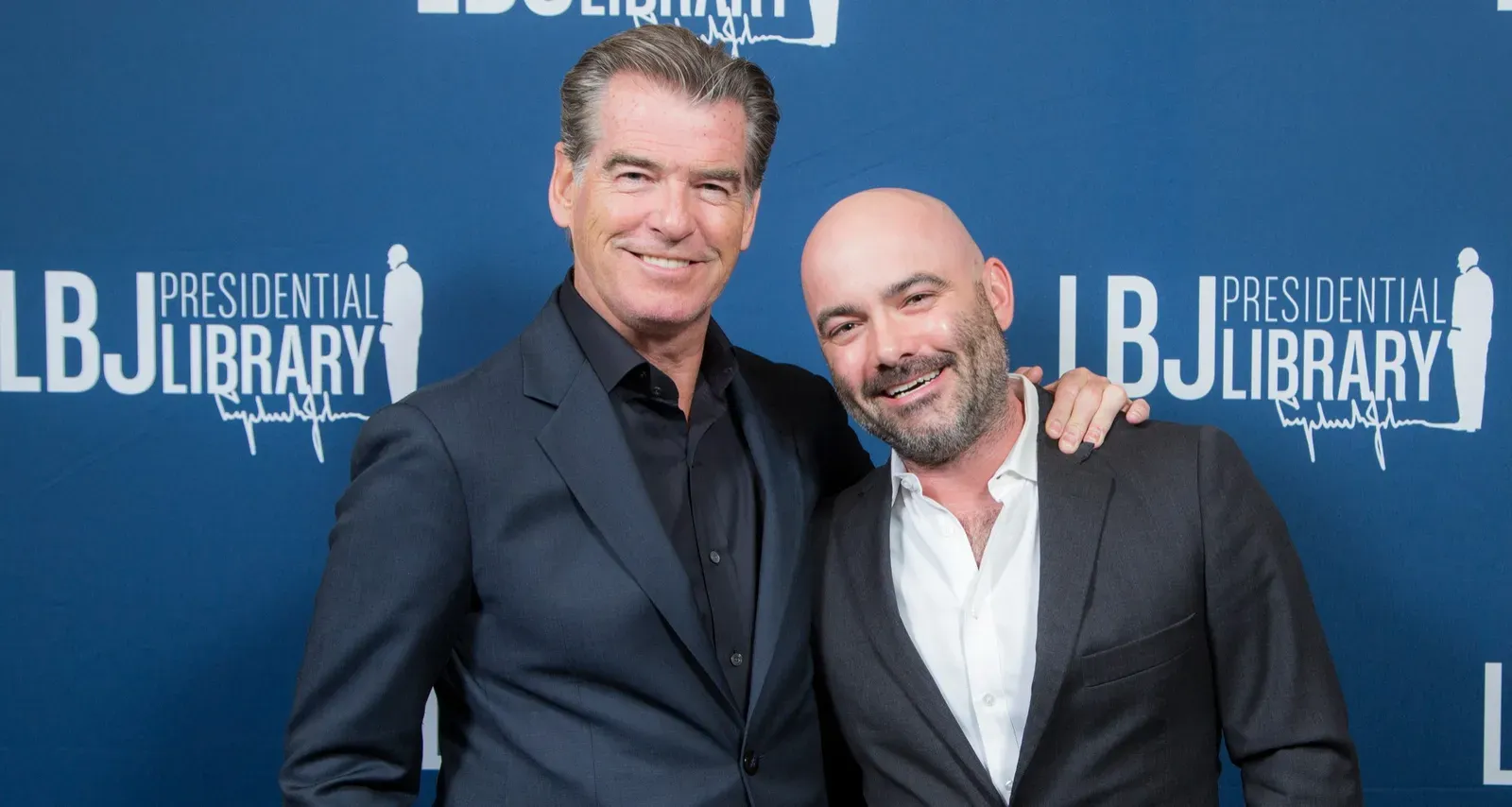
Timothy Dalton’s run as James Bond was cut short not by choice exactly, but by years of legal chaos between the studios that controlled the franchise. The circumstances surrounding Timothy Dalton’s exit from the James Bond series were largely out of his hands, and more so the consequence of lengthy legal disputes between Eon Productions and MGM, which delayed his third Bond outing, Goldeneye, significantly.
Partner offer

By the time the dust settled, Dalton had lost his appetite for the role. Following the resolution of the lawsuits, Dalton was approached about returning as James Bond in another movie, but his one condition was that he would only sign on for one film, which wasn’t what the production company wanted, so he declined, and Pierce Brosnan was hired to be the next James Bond. Brosnan’s GoldenEye reintroduced Bond to a new generation and earned $356.4 million on a $60 million budget, introducing a new era and launching Brosnan’s hugely successful run. Dalton walked away from a stalled contract, and Brosnan walked into the role that would define the character for the rest of the 1990s.
7. Kirstie Alley won an Emmy in the role Shelley Long left behind on Cheers

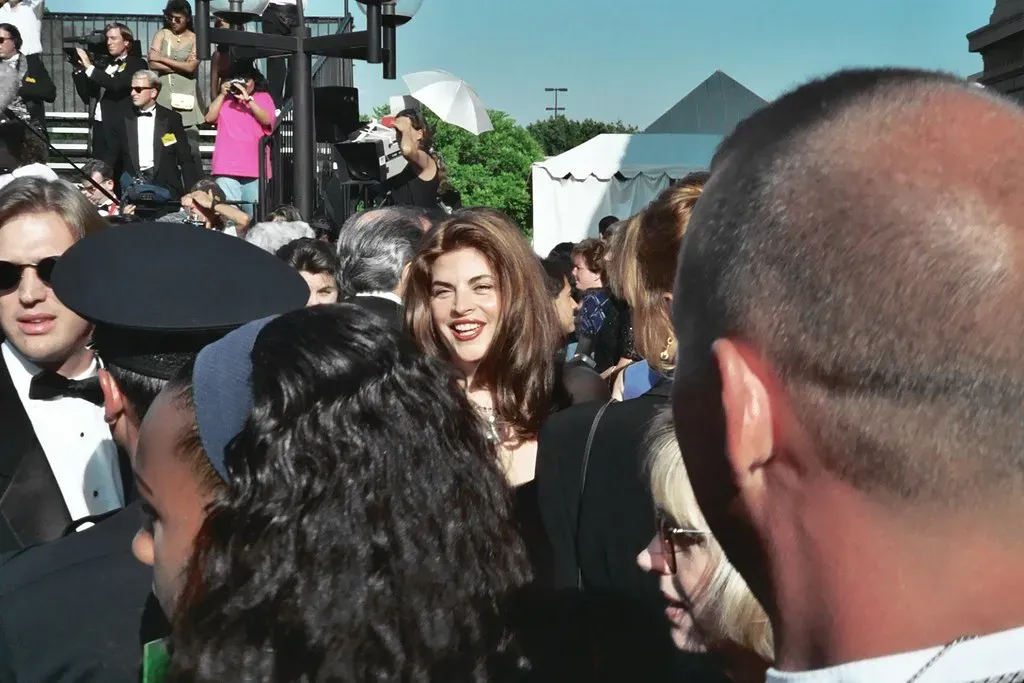
Shelley Long spent five seasons as Diane Chambers on Cheers, one of the most acclaimed sitcoms on television at the time. When she chose to leave the show in 1987 to focus on a film career, the producers were left with the task of replacing a character audiences had grown deeply attached to.
Kirstie Alley stepped in as Rebecca Howe, a new bar manager with a completely different energy than Diane’s academic fussiness. The gamble worked remarkably well. Alley’s performance helped keep Cheers among the top rated shows on network television for years afterward, and she picked up an Emmy Award for the role, turning what could have been a ratings disaster into one of television’s smoother cast transitions.
8. Phil Collins became a frontman because Peter Gabriel walked away from Genesis
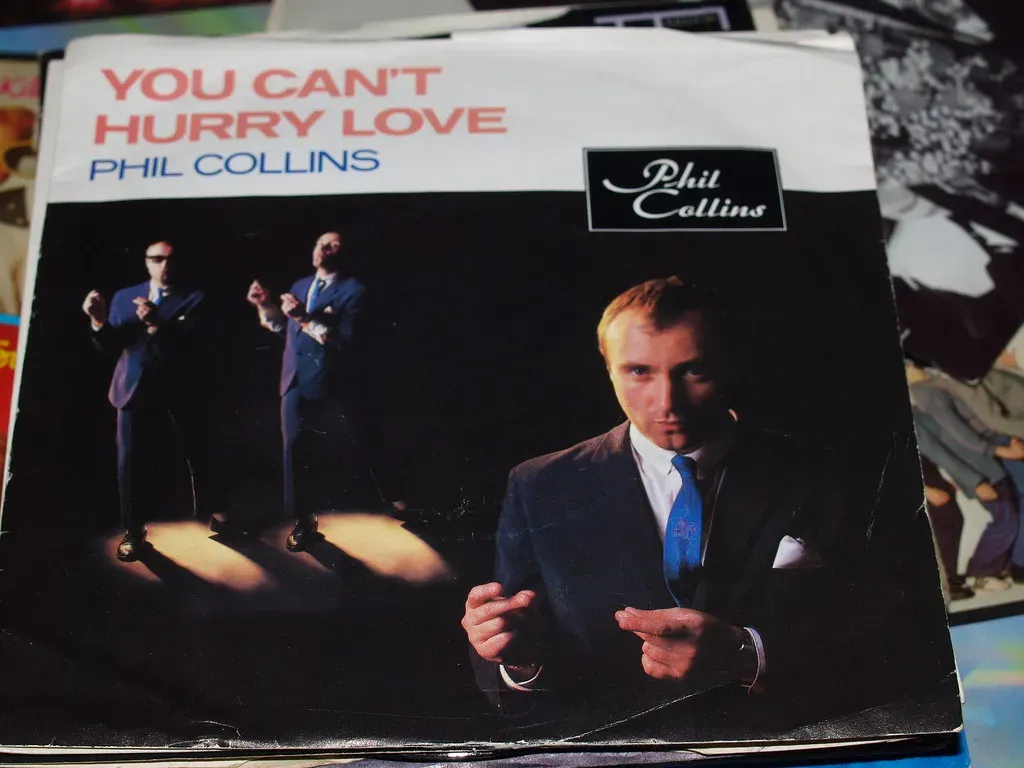
For the first several years of Genesis, Peter Gabriel was the face and voice of the band, known for elaborate stage costumes and theatrical storytelling. After touring behind the ambitious concept album The Lamb Lies Down on Broadway, Gabriel decided he’d had enough of the band dynamic and left to build a solo career.
Genesis didn’t hire an outside singer. Instead, drummer Phil Collins stepped up to the microphone almost by default, since he already knew the material from playing behind Gabriel for years. What started as a practical fix turned Collins into one of the biggest pop stars of the 1980s, both with Genesis and on his own, a transformation few would have predicted when Gabriel first walked out the door. These eight stories share a common thread: none of these performers auditioned their way into stardom through the usual channels. They inherited a spot someone else had already given up, then made it theirs so convincingly that the earlier departure faded into trivia. It’s worth remembering, next time a big name unexpectedly exits a show or a band, that the person who replaces them might end up being the one everyone remembers.
Partner offer
Planning a trip to Vegas?
Compare hotel rates and show tickets on VEGAS.com.


