Movie sets are supposed to run like well-oiled machines, but sometimes the machine breaks down in full view of the cameras. Weather, health, ego, grief, and studio politics have all derailed productions right in the middle of shooting, forcing a director off the project before the story they set out to tell was ever finished. What happened next, in each of these cases, changed the finished film forever.
1. Terry Gilliam and The Man Who Killed Don Quixote
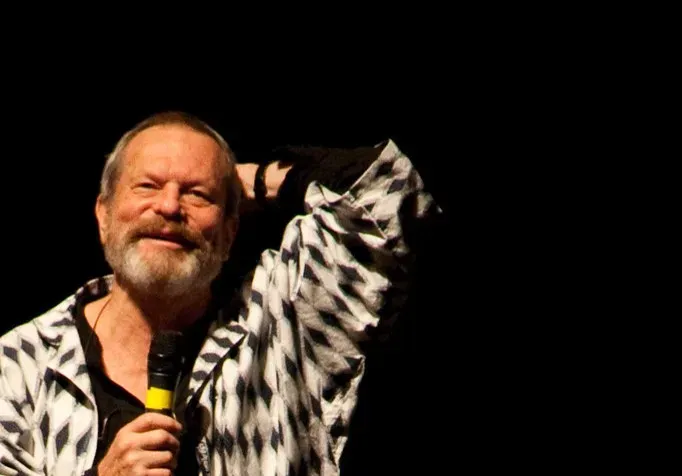
In September 2000, Terry Gilliam finally got the green light to shoot his long gestating Don Quixote adaptation, with Johnny Depp and French actor Jean Rochefort in the lead roles. The shoot lasted only six difficult days, with the initial week at Las Bardenas in Navarra, Spain, suffering a flash flood and noisy fighter jets. Then came the blow nobody could plan around.
On day five, Jean Rochefort, the film’s Don Quixote, left the shoot due to pain which left him unable to ride a horse. A doctor later diagnosed a herniated disc, and he never returned to the production. Gilliam did not walk away by choice so much as watch the film collapse around him, and the whole ordeal was captured in the documentary “Lost in La Mancha.” It would take him nearly two more decades, and eight attempts, before a version of the story finally reached screens in 2018.
2. Richard Stanley and The Island of Dr. Moreau
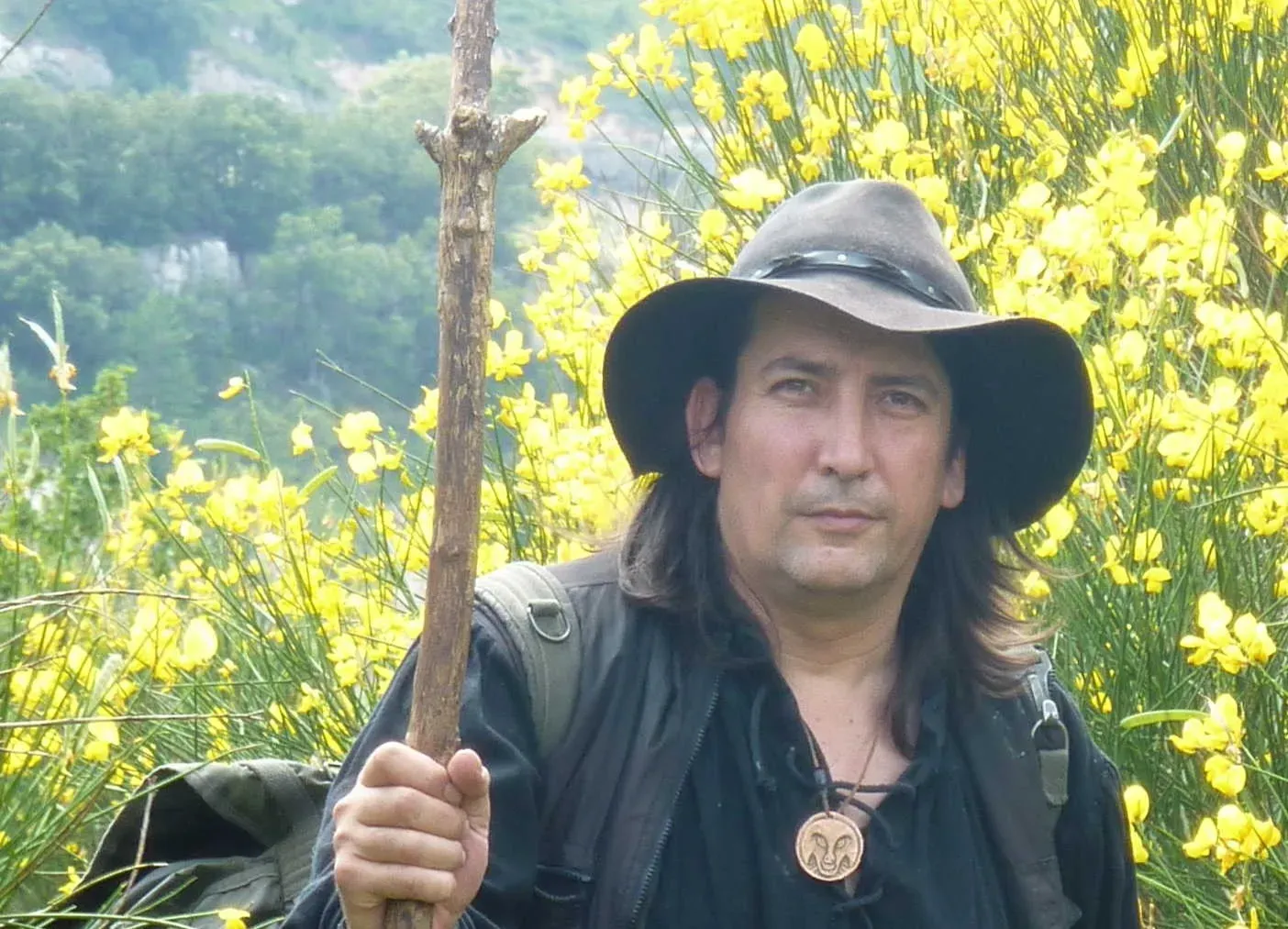
Richard Stanley had spent years developing his adaptation of H. G. Wells’ novel, a passion project he had wanted to make since childhood. Once filming began in 1996, the production quickly spiraled, and as chronicled in the documentary Lost Soul, it all fell apart just days into production, with Stanley fired three days into filming and replaced by John Frankenheimer. Marlon Brando’s personal tragedy and Val Kilmer’s on set behavior only made things messier.
The firing itself was almost as chaotic as the shoot. The firing was reportedly done over fax, and the abrupt nature of it caused actress Fairuza Balk to leave the set and threaten to quit, while Stanley was furious and destroyed production documents. He reportedly disappeared into the jungle rather than go home, and even snuck back onto the set in disguise later on. The experience was so damaging that Stanley did not direct another feature for over two decades.
3. Richard Donner and Superman II
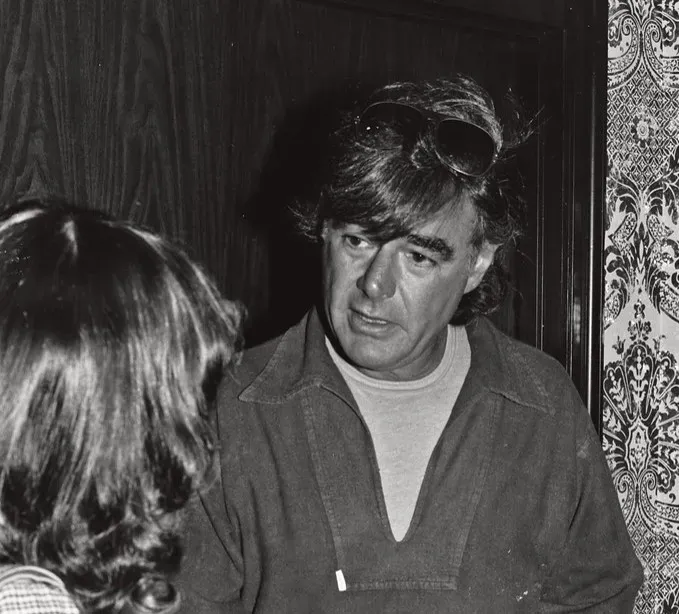
Richard Donner’s case is unusual because he was not fired from a single film, but from a sequel he had already shot most of. He directed “Superman” and “Superman II” back to back as one continuous production in 1977, and as production went on, producers even suggested Donner shift his focus entirely to the first film, with Ilya Salkind later claiming Donner had shot fifty to sixty percent of what he had intended for the sequel. Other estimates put that figure even higher.
After “Superman” became a hit in December 1978, the tension between Donner and producers Alexander and Ilya Salkind never healed. Tensions rose between Donner and the producers over stopping filming the sequel, which was seventy five percent complete, and after the release of Superman, Donner was fired as director and replaced by Richard Lester. It took until 2006, and a persistent fan campaign, for Donner’s original vision of “Superman II” to finally see release as “The Richard Donner Cut.”
Partner offer
4. Bryan Singer and Bohemian Rhapsody
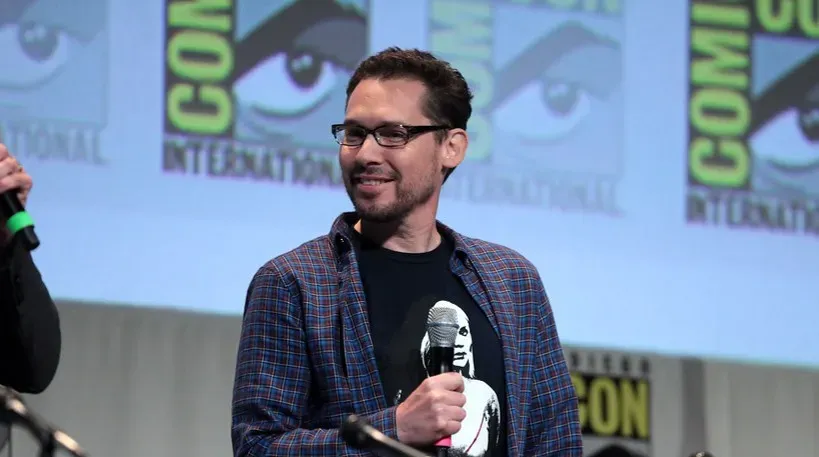
Bryan Singer’s exit from the Freddie Mercury biopic remains one of the more publicized director firings of the last decade. Singer was fired from the film because of a pattern of unreliability, culminating in him not returning from the Thanksgiving break and being AWOL for three days, and he also clashed with star Rami Malek. The studio moved fast once the decision was made.
Dexter Fletcher, previously attached to an earlier version of the project, stepped in to finish the job. The payday would be big, but it would be a lot of work, and it was entirely up to the DGA whether Fletcher would get directing credit on the film, considering that Singer was almost finished with principal photography when he was removed. Despite everything, Singer retained sole directing credit, a decision producer Graham King later explained by saying the priority was simply finishing the movie.
5. George Cukor and Gone with the Wind
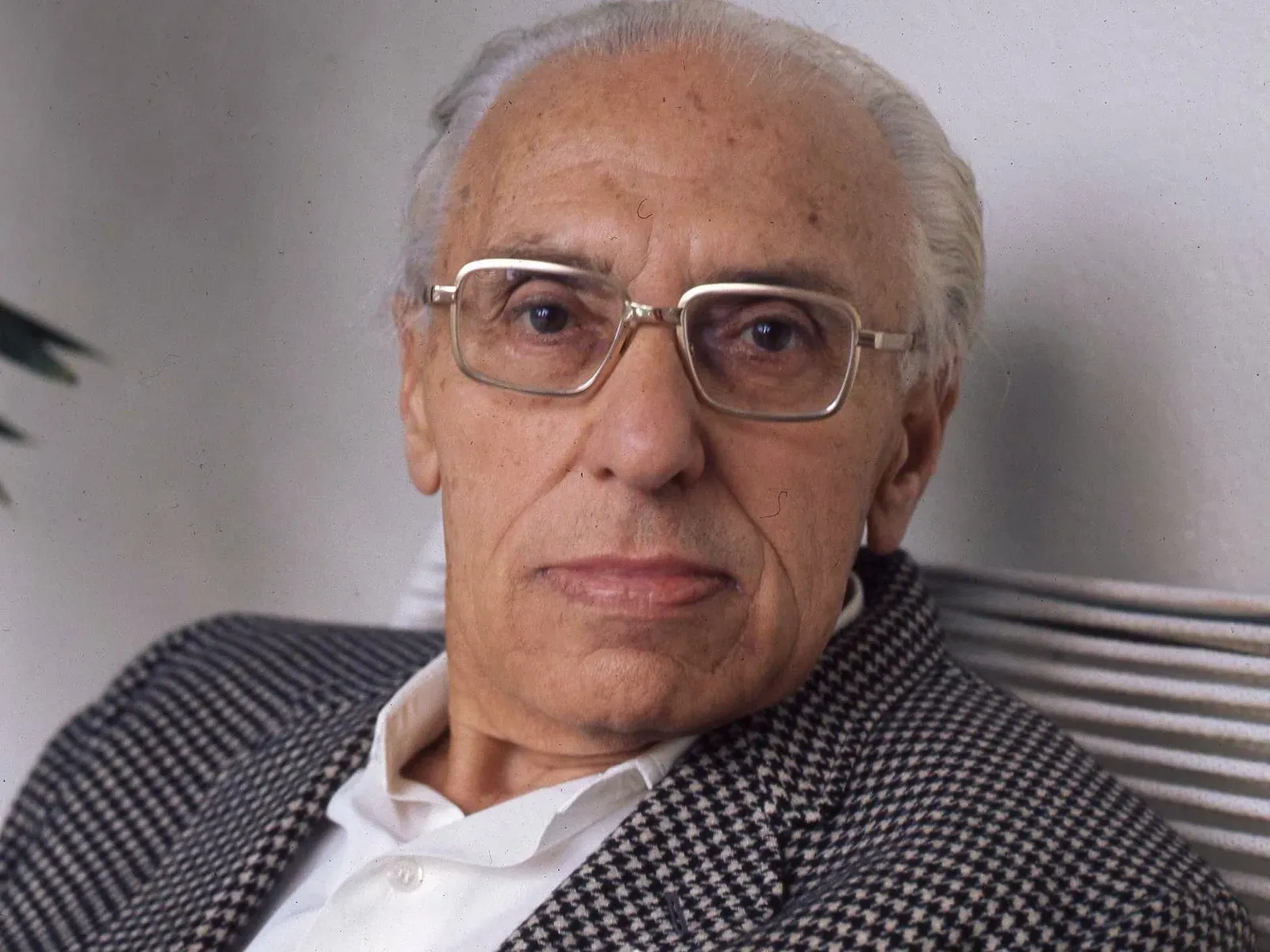
Long before modern Hollywood scandals, George Cukor lived through one of the most famous director swaps in studio history. He had spent roughly two years on pre-production for “Gone with the Wind,” but principal photography commenced in January 1939, and Cukor directed for three weeks before being let go. The reasons were murky even at the time.
Producer David Selznick’s dissatisfaction with the pacing, combined with Clark Gable’s discomfort working with Cukor, appear to have sealed his fate. Selznick fired Cukor and replaced him with Victor Fleming, a director more Gable’s style. Vivien Leigh and Olivia de Havilland were reportedly devastated, and both actresses kept quietly meeting with Cukor on weekends throughout the rest of the shoot for guidance on their performances.
6. Zack Snyder and Justice League
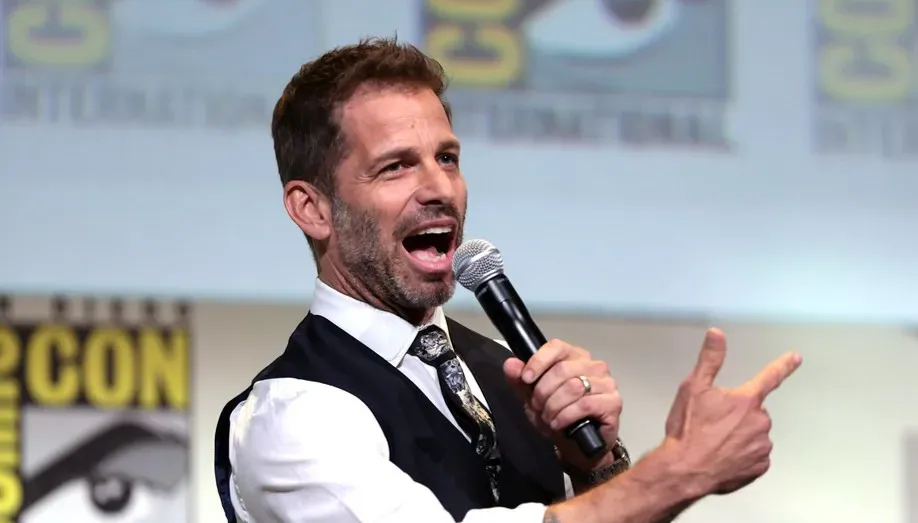
Zack Snyder’s departure from “Justice League” stands apart from the others on this list because it was not driven by conflict or budget disputes but by personal tragedy. Snyder had already completed principal photography on the DC superhero film when his daughter Autumn died by suicide in 2017, and he stepped away from the project during post-production to focus on his family. Warner Bros. brought in Joss Whedon to oversee extensive reshoots and rewrites, altering the tone of the film significantly from what Snyder had originally envisioned.
The theatrical cut that reached audiences in 2017 bore little resemblance to Snyder’s original plan, and fans spent years campaigning for his version to be released. That effort eventually succeeded with the four hour “Zack Snyder’s Justice League” in 2021, a release built from Snyder’s original footage rather than the reshot theatrical version. It remains one of the clearest modern examples of a filmmaker leaving a project mid-course only to see it completed by someone else entirely.
These six stories share a common thread even though the circumstances behind each one differ wildly. A director’s vision for a film is never fully secure until the cameras stop rolling for good, and sometimes not even then. Weather, health, grief, ego clashes, and studio impatience have each proven capable of ending a filmmaker’s involvement in their own project, leaving someone else to finish, and often reshape, the story they started telling.Partner offer
Planning a trip to Vegas?
Compare hotel rates and show tickets on VEGAS.com.