Most people have a movie they admire and still refuse to put on again. It isn’t because it was bad. It’s because once was enough.
The films below turn up again and again in online threads, review sections and casual conversation as ones that left viewers shaken. This isn’t a scientific ranking, since “traumatizing” is subjective. Each one has a documented reputation for being hard to shake off.
Requiem for a Dream
Darren Aronofsky’s 2000 drama follows four people whose lives unravel through addiction. It’s based on the novel by Hubert Selby Jr., and it doesn’t soften the source material. Ellen Burstyn earned an Oscar nomination for her role as a lonely widow.
Viewers often point to the final stretch, where the editing speeds up and the storylines collapse together. People tend to describe feeling drained rather than scared. Many call it a great film they would never choose to sit through twice.
Funny Games
Michael Haneke made the original Austrian version in 1997. He then directed an English language remake in 2007 with Naomi Watts and Tim Roth, closely following the original. Two polite young men hold a family hostage in their holiday home.
The discomfort comes from the film’s refusal to give viewers the usual release. It also addresses the audience directly, which makes watching feel uncomfortably complicit. That’s a big reason it keeps showing up on lists of films people regret watching.
Se7en
David Fincher’s 1995 thriller pairs Brad Pitt and Morgan Freeman as detectives chasing a killer who stages murders around the seven deadly sins. Much of its dread comes from the rain soaked, grimy atmosphere. Very little violence is shown directly.
The ending is the part viewers say stays with them. A single box in the final scene carries the film’s reputation. Plenty of fans love it, yet they admit the bleak conclusion is hard to face a second time.
Prisoners
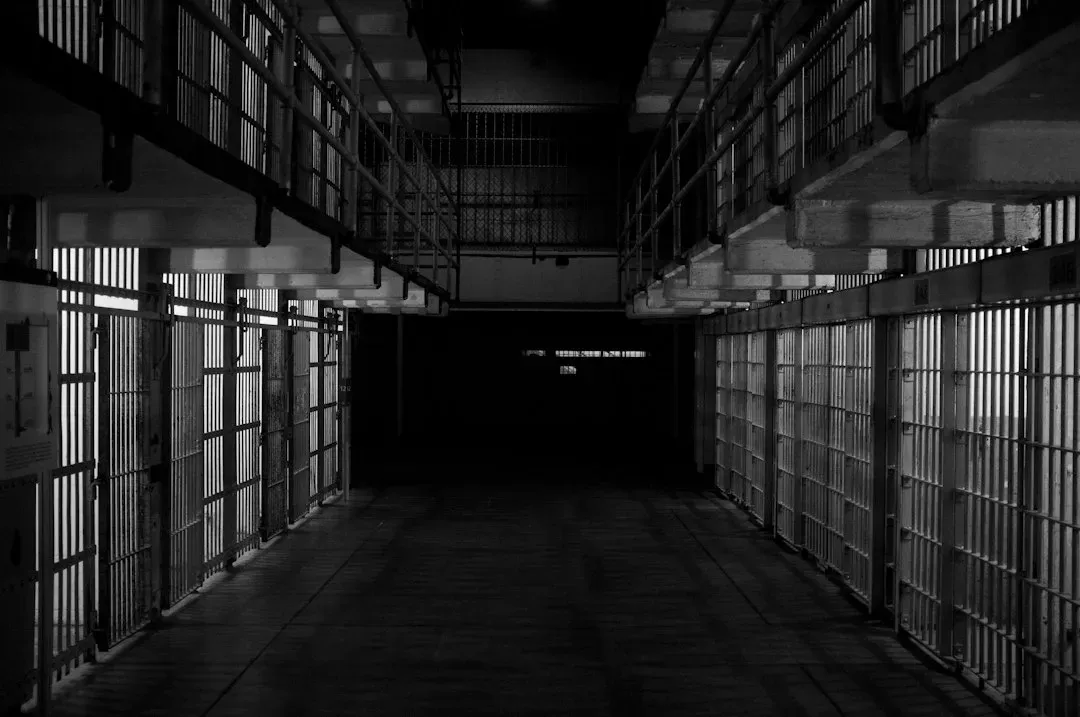
Denis Villeneuve’s 2013 film stars Hugh Jackman and Jake Gyllenhaal. After two young girls disappear, a father takes matters into his own hands while a detective works the case. It runs a little over two and a half hours, and the tension rarely lets up.
The film stays with people because it asks how far a desperate parent might go. Viewers describe a heavy, anxious feeling that lingers after the credits. Parents in particular often say it hit too close to home.
Black Swan

Aronofsky returns with this 2010 story of a ballerina, played by Natalie Portman, who is consumed by the pressure of a lead role. Portman won the Academy Award for Best Actress for the performance. The film blurs what’s real and what’s imagined, so it’s hard to trust anything on screen.
Body horror moments and the character’s slow breakdown make it tough for some viewers. It’s often described as beautiful and stressful in equal measure. Watching someone’s mind come apart is not an easy thing to repeat.
Oldboy
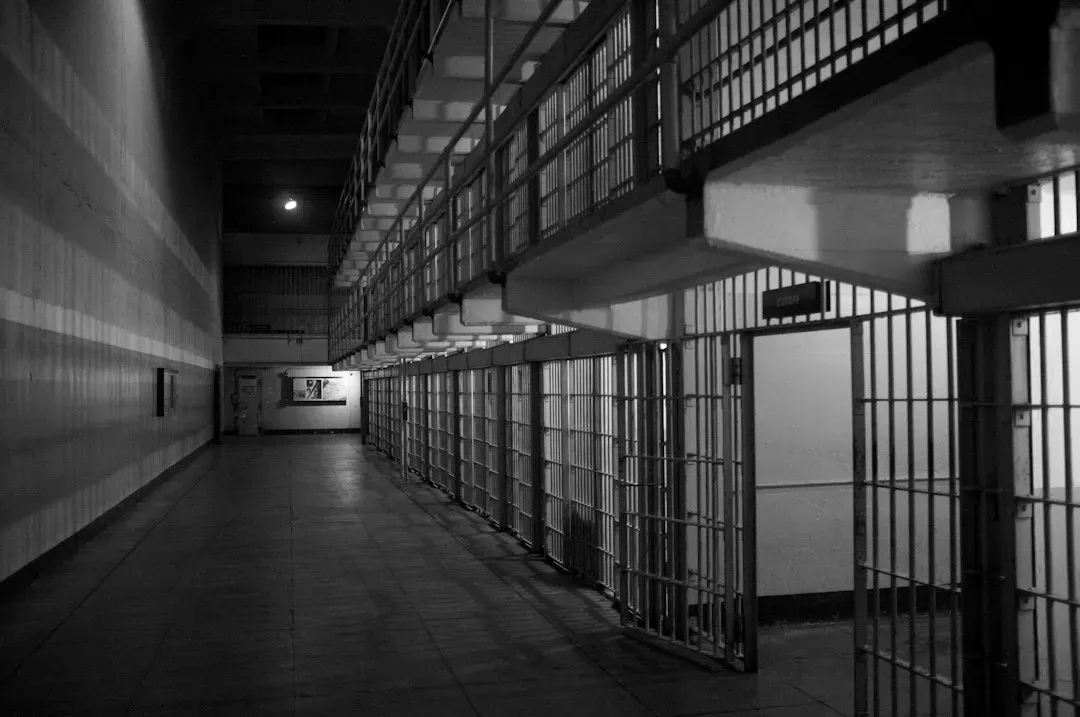
Park Chan-wook’s 2003 South Korean thriller follows a man held captive for years without explanation. Once he’s released, he sets out to find who did it and why. The film won the Grand Prix at the Cannes Film Festival in 2004.
The hallway fight scene gets praise, but the final revelation is what leaves people rattled. Many viewers say the twist changed how they felt about everything before it. It’s the kind of reveal you can’t forget, which is exactly why some skip a second viewing.
We Need to Talk About Kevin
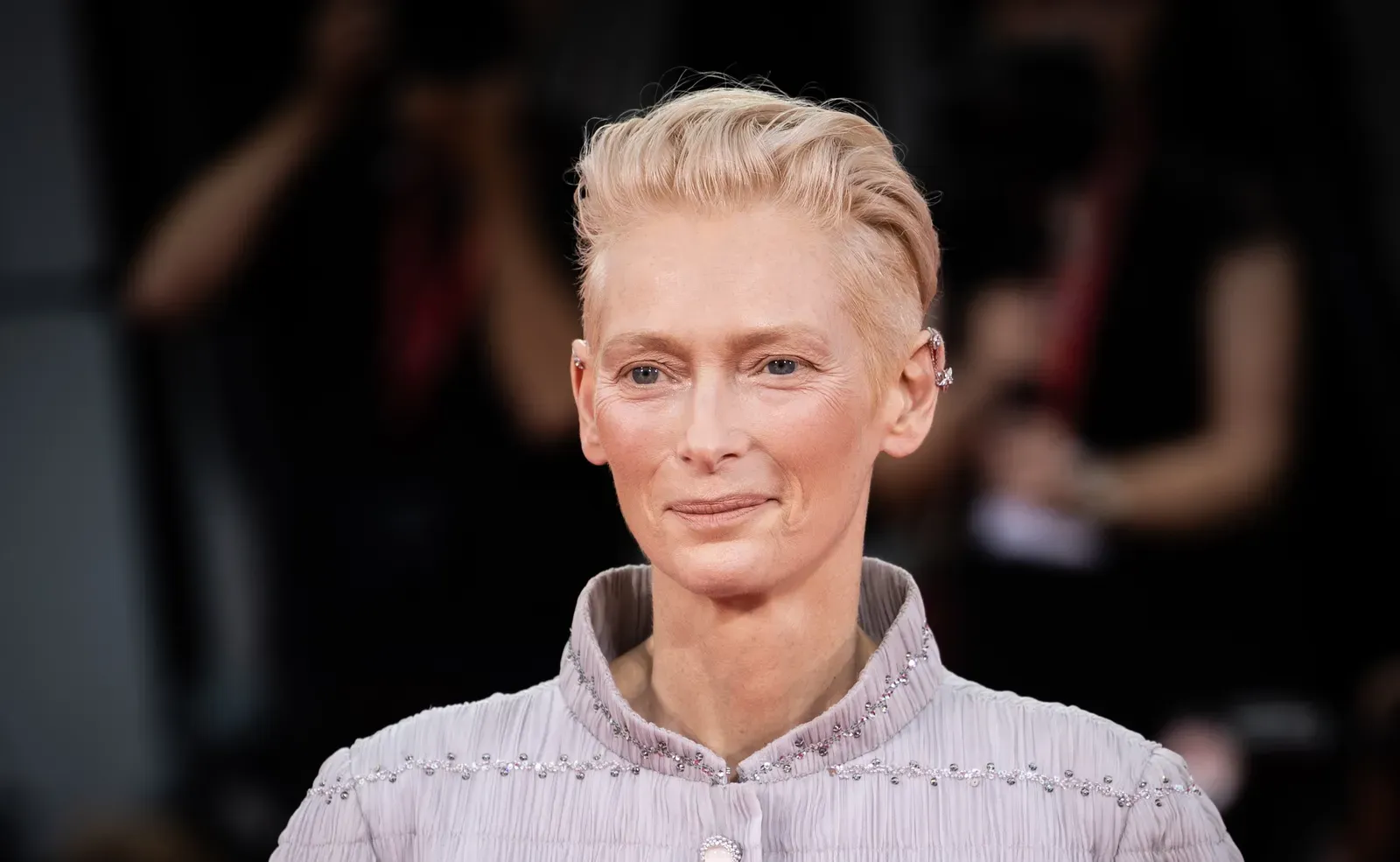
Lynne Ramsay’s 2011 film stars Tilda Swinton as a mother trying to make sense of her son’s actions. It adapts Lionel Shriver’s novel and jumps between past and present. The story builds slowly through unsettling details instead of shocks.
Viewers frequently mention the quiet, creeping sense of guilt and grief. Swinton’s restrained performance carries much of that weight. It’s less a film that scares you than one that sits heavily in your chest for days.
Misery
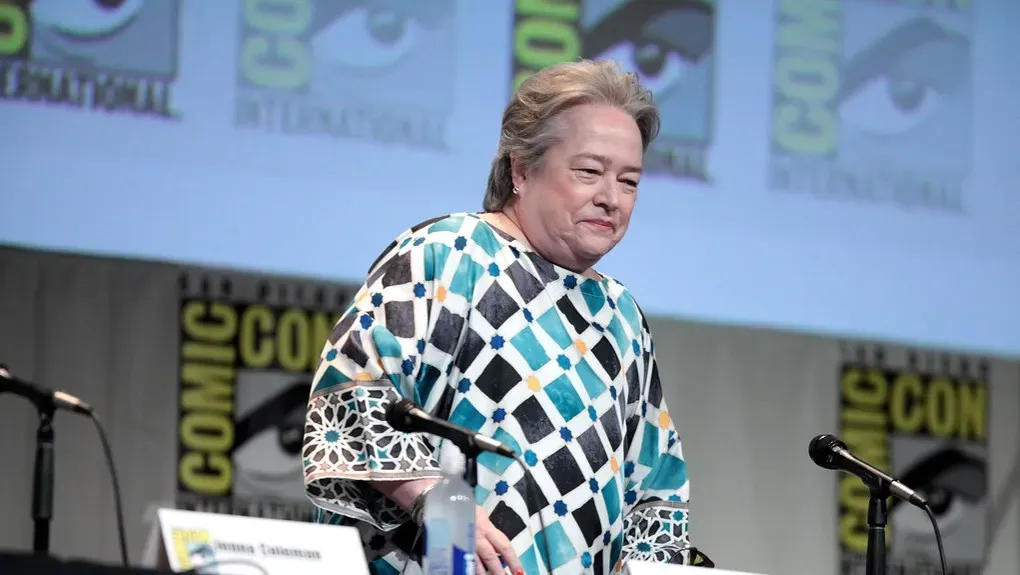
Rob Reiner’s 1990 adaptation of Stephen King’s 1987 novel traps a writer with his self described number one fan. Kathy Bates won the Academy Award for Best Actress for playing Annie Wilkes. The setting is small, just a house and a bedroom, yet the dread feels enormous.
The appeal is its realism, since there are no monsters or supernatural elements. Many viewers say the helplessness of being at someone else’s mercy is the hardest part. Even people who love it often admit one viewing felt like plenty.
Perfect Blue
Satoshi Kon’s 1997 animated debut follows a pop singer who leaves her group to become an actress. A stalker and a growing confusion between her roles and her life push her toward a breakdown. Though it’s animated, it’s squarely aimed at adults.
The film’s shifting scenes make it hard to know which moments are real. That disorientation, rather than any single scene, is what viewers describe as disturbing. It’s often cited as an influence on later psychological thrillers, including Black Swan.
Final Thoughts
Each of these nine films earns its reputation through mood, performance and an ending that refuses to let go. Whether you revisit them is a personal call. Some stories are best left as a single, vivid memory.