Fame doesn’t always mean a permanent exit from ordinary life. Some musicians who topped charts and filled arenas eventually found themselves clocking in at desks, kitchens, or classrooms, sometimes by choice and sometimes because circumstances forced their hand. Their stories are a reminder that a hit record doesn’t automatically come with a lifetime pass out of the working world.
What follows are six well documented cases of musicians who, after tasting real fame, ended up back in some version of a regular job. The reasons varied widely, from financial collapse to a simple craving for normal routine, but each case offers a different angle on what happens after the spotlight dims.
1. MC Hammer

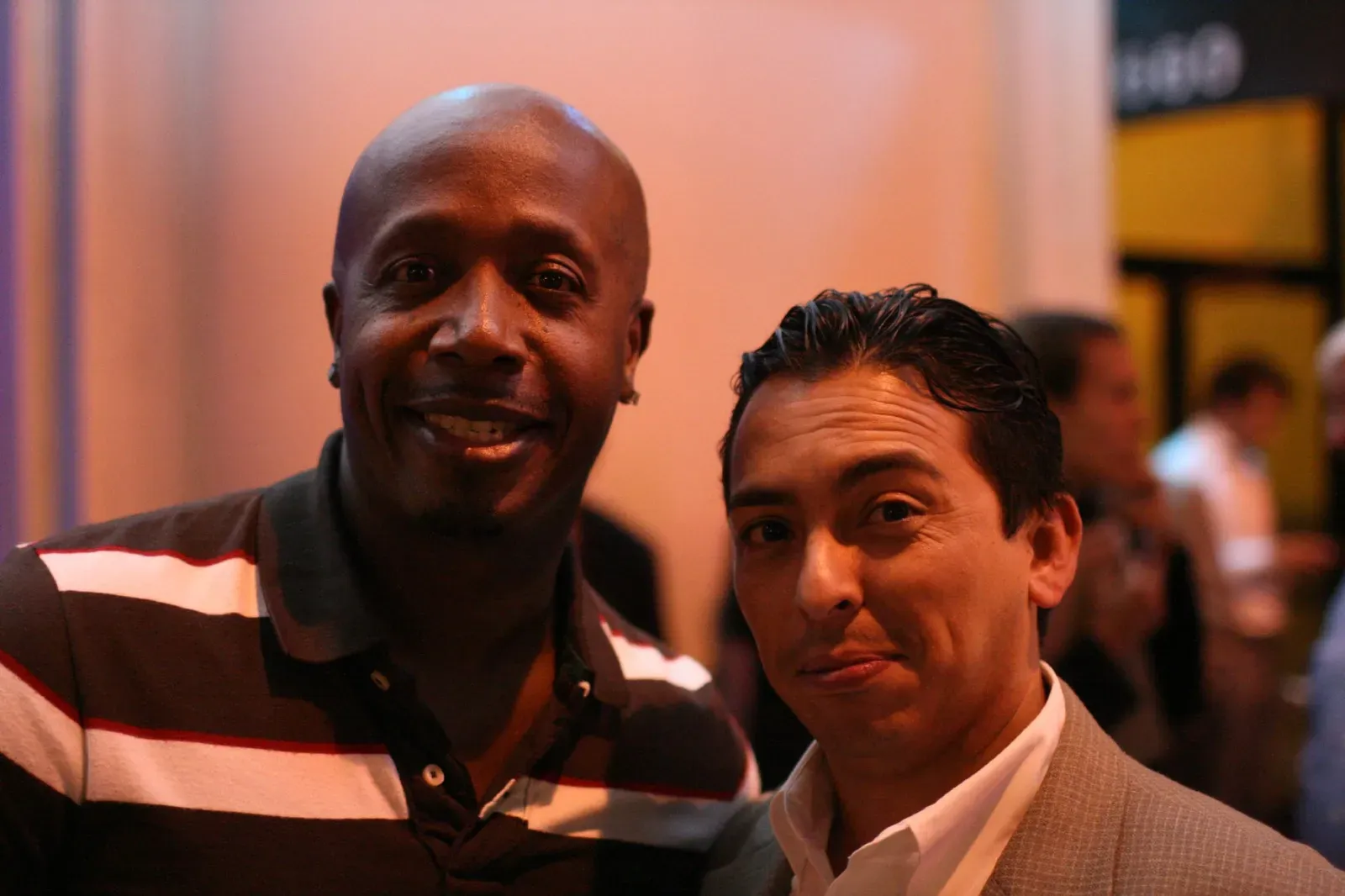
He rocketed to fame in the early 1990s, with hits like “U Can’t Touch This,” “Here Comes the Hammer,” and “Please Hammer Don’t Hurt ‘Em,” earning him an absolutely massive fortune, nearly overnight. The spending matched the success. A mansion like the one he had needed a lot of hands to maintain, and Hammer had to employ around 200 people, sometimes spending as much as $500,000 per month on salaries or more.
By 1996, the rapper, whose real name is Stanley Kirk Burrell, was forced to file for bankruptcy after racking up $13 million in debt. What followed was a genuine return to ordinary living. MC Hammer’s reality show, “Hammertime,” chronicled his adjustment to middle-class life. He is now an investor and works with consulting companies, a far cry from the 40,000 square foot estate he once called home.
2. Bill Wyman

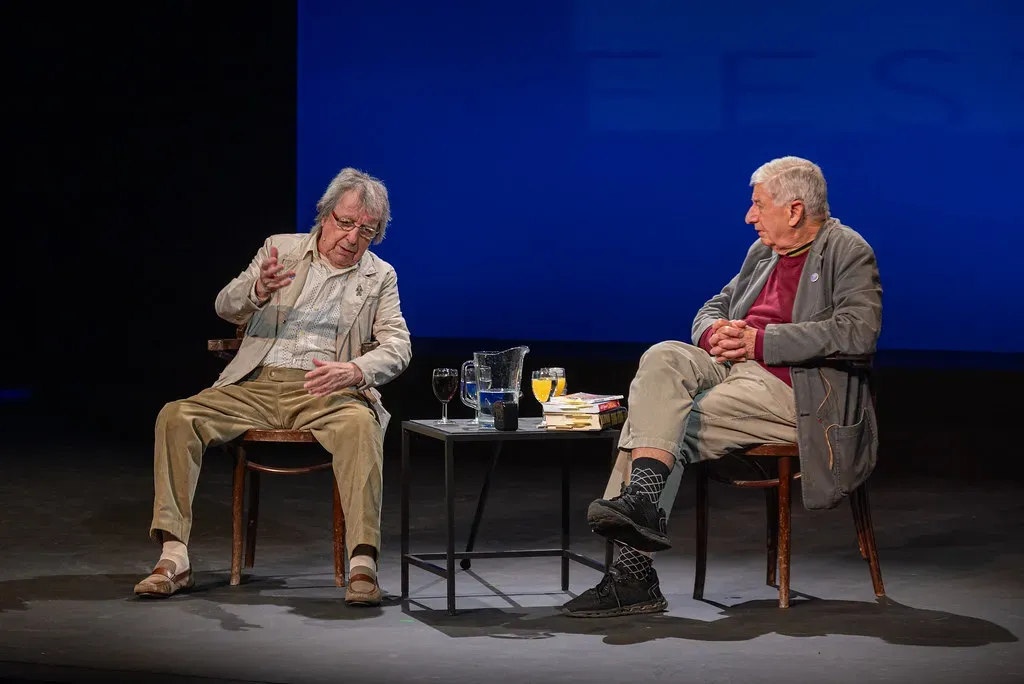
Bill Wyman spent three decades as the bassist for one of the biggest rock bands on the planet, but he walked away from that life while the Rolling Stones were still very much a going concern. Anyone might call the bassist crazy for leaving the Rolling Stones for good back in the ’90s, but it was a decision the musician was happy to make, as he wanted to live “a normal life.”
Wyman was in the band from 1962 to 1993, and he collected just about every piece of Rolling Stones memorabilia he could find. That instinct for cataloguing and preserving things did not disappear once he left the road. His passion as the band’s “archivist” turned into another career for Wyman, and he got into metal detecting. It is an unusually quiet second act for someone who once played to stadiums full of screaming fans.
3. Art Garfunkel


Simon & Garfunkel’s split at the height of their success in the early 1970s left Art Garfunkel with a decision to make. In 1970, “Bridge Over Troubled Water” went to number one on the Billboard charts in 10 countries, and the duo split after this release, with Garfunkel spending two years teaching math at a private school before returning to his musical career.
It wasn’t a case of desperation or financial ruin. Garfunkel had already built an academic foundation for that kind of pivot. When Simon and Garfunkel signed to Columbia Records in 1964, Garfunkel was a student at Columbia University, and he went on to complete a BA in Art History and an MA in Mathematics Education while recording and touring with Paul Simon, even completing coursework toward a doctorate degree. Teaching math to teenagers after selling millions of records is not the typical career arc, but for Garfunkel it seemed to fit.
4. Ian Anderson

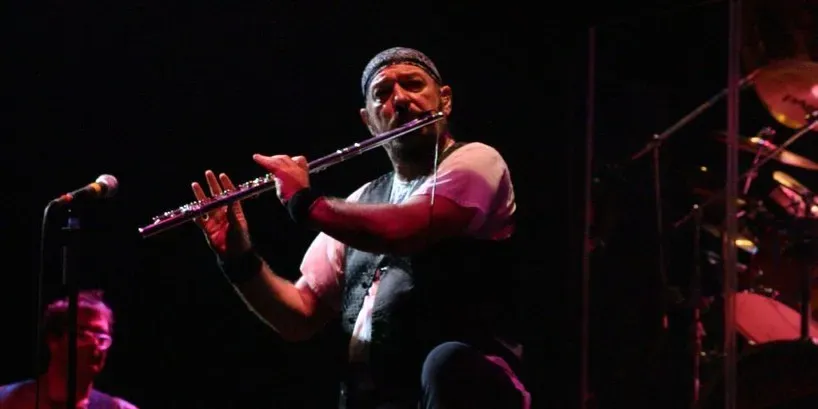
Ian Anderson, the flute playing frontman of Jethro Tull, built a second career that had nothing to do with rock stardom and everything to do with the sea. Anderson is best known as the lead vocalist, flutist, and acoustic guitarist for the British rock band Jethro Tull, but early on in his career as a musician, found additional income by investing in salmon farming in the ’90s.
The timing wasn’t random. At the time, salmon farming was on the rise, and Anderson took advantage of it by starting his own fish farming business at his Isle of Skye estate Strathaird, in Scotland. Running an aquaculture operation while touring arenas is an odd combination, but it points to a musician who treated fame as one income stream among several rather than a full identity.
5. Russell Senior


Russell Senior helped power Pulp through its Britpop peak, playing guitar and violin on some of the band’s most recognizable tracks. Pulp guitarist and violinist Russell Senior had been with the Britpop group since 1983, seeing them through their mid-’90s success. Just as things were reaching their commercial high point, he chose to step away entirely.
After the band broke out, in part thanks to frontman Jarvis Cocker’s colorful personality, Senior had, in his own words, “run out of juice,” departing from Pulp in 1997 after having a strong aversion to their next lead single and wanting to end on a high note. From there he pursued a career as an antiques dealer, trading arena lighting rigs for auction houses and estate sales. It’s a switch that still gets brought up whenever people list unlikely post-fame careers.
6. Philip Glass

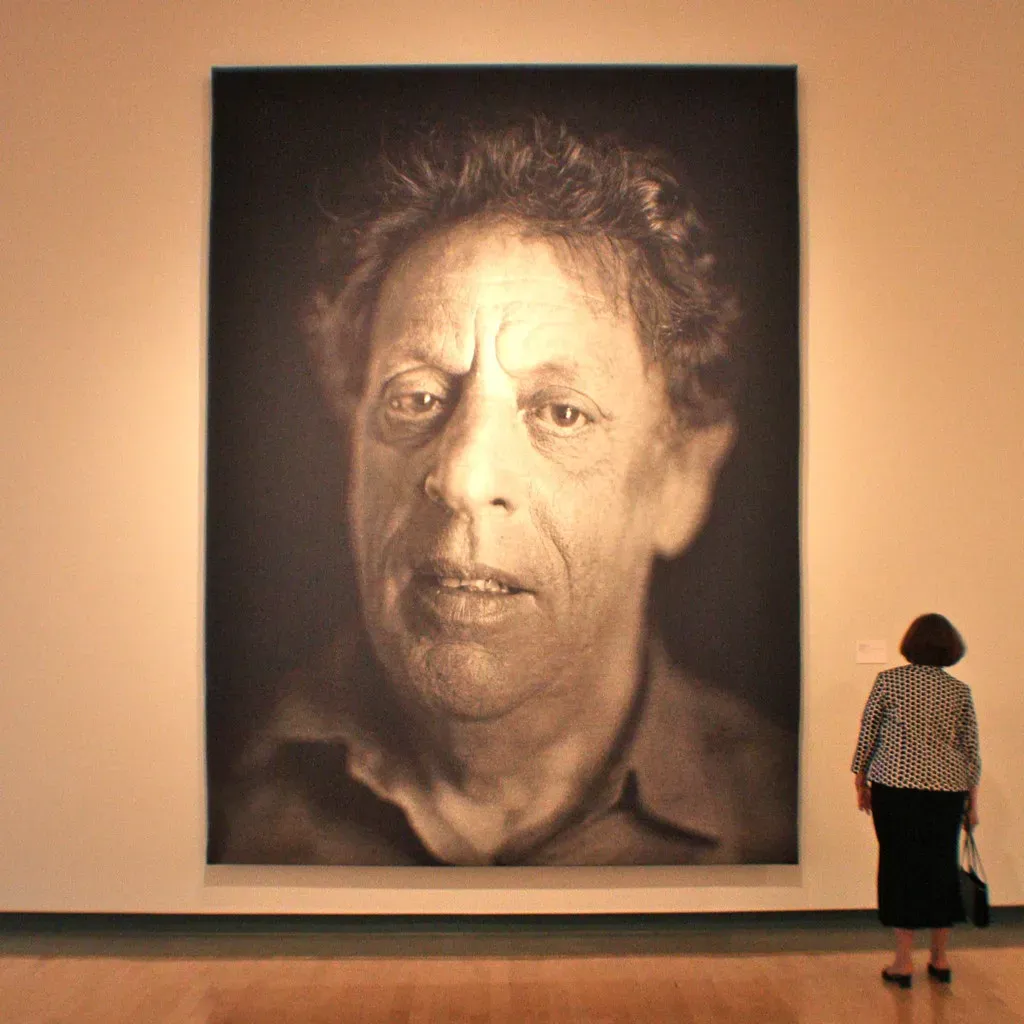
Philip Glass is now regarded as one of the most influential composers of the last century, but critical acclaim did not translate into financial comfort for years after his breakthrough. When Philip Glass’s seminal minimalist opera Einstein on the Beach premiered at the Met in 1976, the composer was working as a taxi driver to support his composing career.
The success of that premiere didn’t change his day to day reality right away. Einstein on the Beach was a critical success, but clearly the monetary rewards weren’t enough, as Glass would continue working as a cab driver and a plumber for the next three years. It’s a striking detail for anyone who assumes that critical recognition and financial security automatically arrive together, especially in a field as niche as avant garde opera.
These six stories don’t follow a single script. Some musicians returned to ordinary work because the money ran out, others because the fame itself became something they wanted to set down. What connects them is a willingness to treat a regular job as no less legitimate than a stage career, whether that meant grading algebra homework, tending a fish farm, or driving a cab through New York traffic at night.