History has a funny way of feeling inevitable. We look back at the past and assume things had to unfold exactly as they did. Honestly, that couldn’t be further from the truth. The reality is far more fragile, far more random, and, at times, downright terrifying.
From one officer’s refusal on a sweltering submarine to a confused press conference that toppled a wall, the world we live in today was shaped by moments so thin and accidental that it almost hurts to think about them. Each entry below is a window into a universe that nearly became something else entirely. Let’s dive in.
1. The Cuban Missile Crisis: Thirteen Days from Annihilation

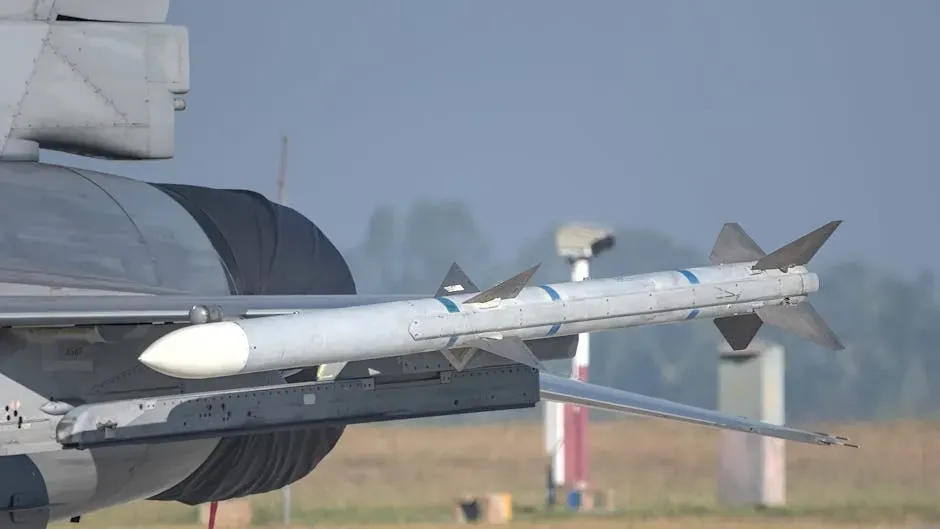
For 13 agonizing days, from October 16 through October 28, the United States and the Soviet Union stood on the brink of nuclear war. Most people know the broad strokes of the story. What they don’t know is just how many individual moments nearly sent it all over the edge.
The Soviets already had 162 nuclear warheads on Cuba that the US did not know were there. Think about that for a second. American military advisors were pushing for an airstrike on sites that were already fully operational and armed. Some advisers, including all the Joint Chiefs of Staff, argued for an air strike to destroy the missiles.
It was only a series of back-channel messages and Kennedy’s decision to enforce a naval blockade, instead of attacking, that allowed for a peaceful compromise. The Soviets agreed to withdraw their missiles in exchange for a secret U.S. promise to remove American missiles from Turkey. That deal, in a separate agreement, remained secret for more than twenty-five years.
2. Vasili Arkhipov: The Man Who Actually Saved the World


Here’s the thing about the Cuban Missile Crisis that most history books gloss over. The diplomatic resolution at the top nearly didn’t matter because, beneath the waves, a different crisis was already igniting. On October 27, 1962, at the height of the Cuban Missile Crisis, the American destroyer USS Beale began dropping depth charges on the nuclear-armed Soviet submarine B-59. The charges were non-lethal warning shots intended to force B-59 to the surface, but the submarine’s captain mistook them for live explosives. Convinced he was witnessing the opening salvo of World War III, the captain angrily ordered his men to arm the sub’s lone nuclear-tipped torpedo and prepare for attack.
The B-59 had twenty-two torpedoes, one of which was nuclear and possessed roughly the same destructive power as the nuclear bomb that the United States dropped on Hiroshima in 1945. The captain and political officer both voted to launch. Launch authorization required the agreement of all three senior officers. When U.S. forces dropped depth charge simulators near the submarine, its captain and the political officer believed war had begun and prepared to launch a nuclear torpedo against United States Navy ships. Arkhipov refused, and his decision prevented the use of nuclear weapons.
Had any other officer been in Arkhipov’s place, whether one who agreed with the two other officers, or one who was more easily pressured by the other officers to authorize the launch, nuclear war likely would have occurred. One man. One vote. One world still standing.
3. D-Day: The Weather That Changed Everything

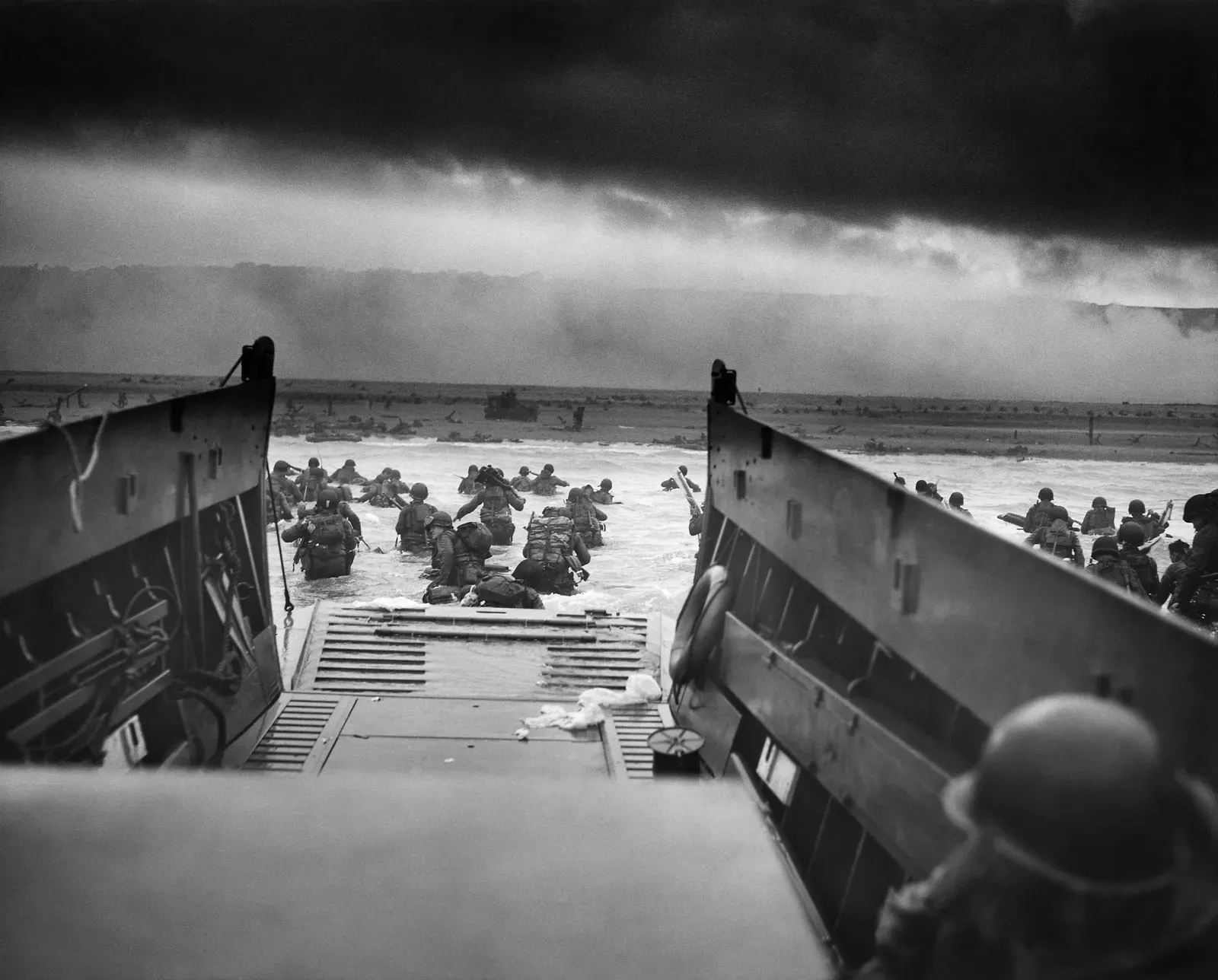
The liberation of Western Europe came down to a weather forecast. Eisenhower selected June 5, 1944, as the date for the invasion; however, bad weather on the days leading up to the operation caused it to be delayed for 24 hours. On the morning of June 5, after his meteorologist predicted improved conditions for the following day, Eisenhower gave the go-ahead for Operation Overlord.
The next suitable dates with the right combination of tides would have been June 18 to 20. On June 17 the team forecasts were all for good weather, but on June 18 the worst storm for forty years arrived. So if they had delayed, the backup window would have been swallowed by one of the fiercest storms in decades. The invasion almost certainly would have failed.
On the other side of the English Channel, German forecasters also predicted the stormy conditions. The Luftwaffe’s chief meteorologist went further, reporting that rough seas and gale-force winds were unlikely to weaken until mid-June. Armed with that forecast, Nazi commanders thought it impossible that an Allied invasion was imminent, and many left their coastal defenses to participate in nearby war games. German Field Marshal Erwin Rommel even returned home to personally present a pair of Parisian shoes to his wife as a birthday present.
4. The Fall of the Berlin Wall: An Accident That Split History


The collapse of the Berlin Wall is remembered as a triumphant moment of collective human will. It was also, at its tipping point, a bureaucratic blunder. Schabowski had not been involved in the discussions about the new regulations and had not been fully updated. Shortly before the press conference, he was handed a note from Krenz announcing the changes, but given no further instructions on how to handle the information.
The text was supposed to be embargoed until the next morning. When a journalist asked when the new rules would take effect, Schabowski assumed that it would be the same day based on the wording of the note, and he replied after a few seconds’ pause: “As far as I know… effective immediately, without delay.”
It soon became clear that no one among the East German authorities would take personal responsibility for issuing orders to use lethal force, so the vastly outnumbered soldiers had no way to hold back the huge crowd of East German citizens. One historian characterized the series of events leading to the fall of the Wall as “an accident, a semicomical and bureaucratic mistake.” A continent reunified because of a misread memo.
5. Apollo 11: Sixty Seconds from Failure on the Moon

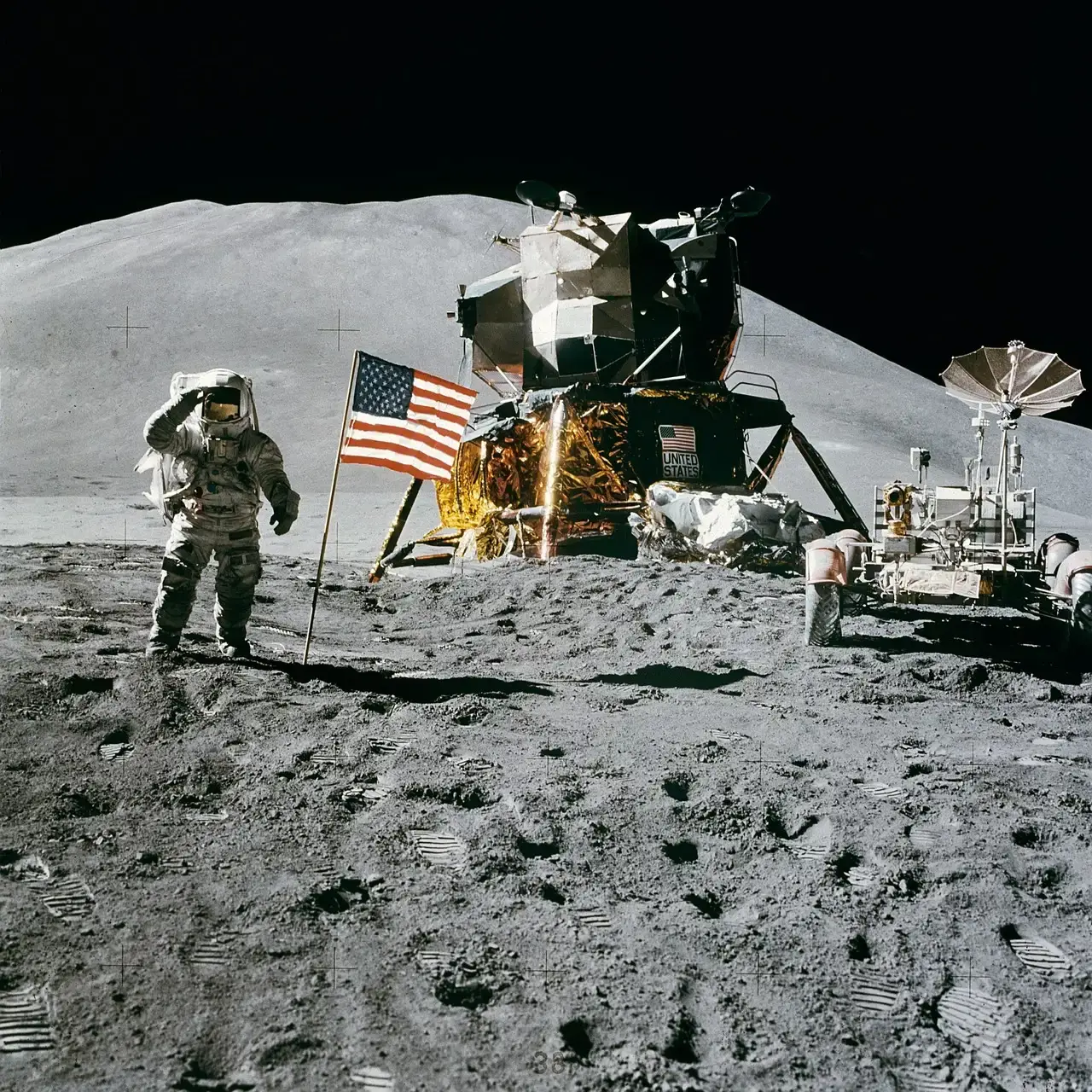
We remember the moon landing as one of humanity’s greatest triumphs. What we often forget is how extremely close it came to being a catastrophe broadcast live to half the world. As Apollo 11 descended toward the lunar surface, their guidance computer began flashing warning signals and threatened to abort the mission. With just minutes of fuel remaining, NASA faced a crucial decision: abort the landing or trust that the computer’s alarms wouldn’t prevent touchdown. Flight controller Steve Bales had mere seconds to make the call, and his decision to continue despite the warnings made history possible.
The lunar module, Eagle, encountered navigation errors and nearly ran out of fuel while searching for a safe landing spot. NASA even had a speech ready in case Armstrong and Aldrin were stranded on the moon. I think about that prepared speech often. It exists. It was written. They expected it might be needed.
Failure would have been a devastating blow to American pride during the Cold War and could have ended the space race. The margin for error was razor thin, and the mission’s success rested on quick thinking and nerves of steel.
6. The 1979 NORAD False Alarm: The Training Tape That Almost Ended Civilization


There is a certain kind of terror reserved for mistakes made by machines. In 1979, a training tape meant to simulate a Soviet nuclear attack was accidentally fed into NORAD’s live warning system. The resultant scare nearly led to nuclear Armageddon. Alarms blared as screens lit up with what appeared to be an incoming missile barrage. Military commanders scrambled to respond, alerting nuclear forces and bringing the world to the brink of catastrophe.
Thankfully, cool heads noted that nothing was coming up on radar or seismic sensors. Fortunately, the error was caught before any retaliation orders were issued. The gap between checking a secondary sensor and launching a nuclear counterstrike was, on that day, the entire margin of human survival.
The incident exposed just how close humanity could come to accidental annihilation thanks to human error. It was a stark reminder that in the nuclear age, even a single man’s accident could have deadly consequences. It’s hard to say for sure how many other similar near-misses remain classified to this day.
7. The Goldsboro Nuclear Accident: America Nearly Bombed Itself

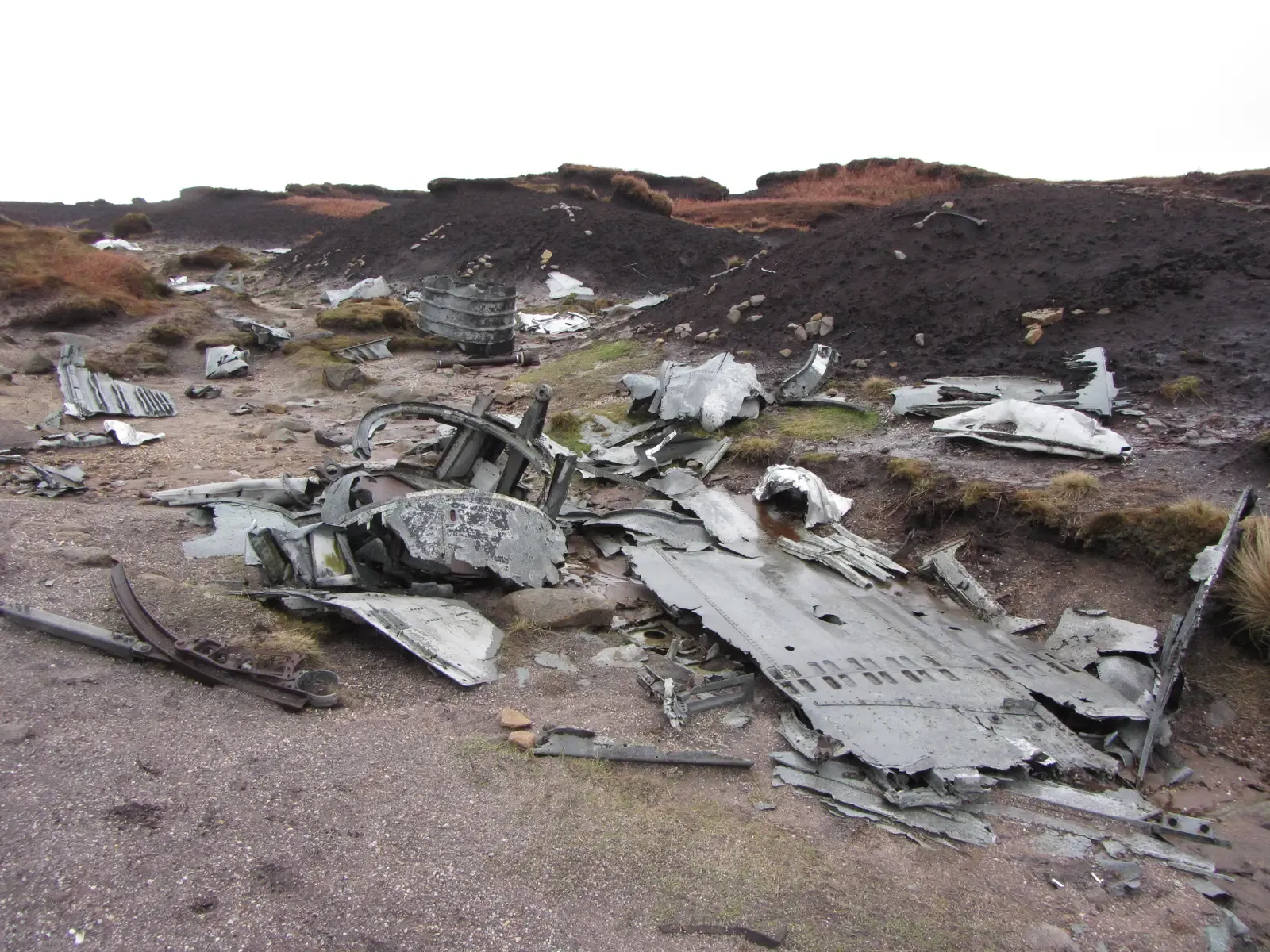
Most Americans have never heard of Goldsboro, North Carolina. That might actually be a miracle. On January 24, 1961, at the height of the Cold War, an American B-52 bomber was flying over Goldsboro, North Carolina when a catastrophic failure in one of its wings occurred. The plane broke apart mid-air and dropped two nuclear bombs over American soil.
One of the bombs broke apart on impact due to a failed parachute, although the nuclear core did not detonate. The other bomb landed unharmed, but five of its six safety devices failed. A nuclear explosion was avoided “by the slightest margin of chance,” as Defense Secretary Robert McNamara described it.
Let’s be real about what this means. A single functioning safety switch separated Goldsboro from becoming a radioactive crater inside the United States itself. The Cold War was not just a standoff between superpowers. It was also a prolonged gamble with machinery, human error, and extraordinarily thin margins of luck.
8. The Gunpowder Plot: Parliament Nearly Vaporized in 1605

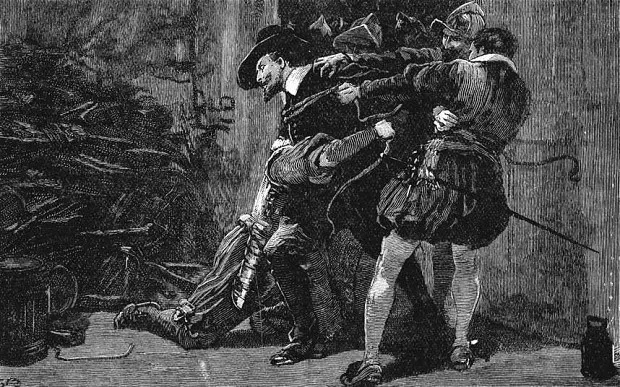
Long before nuclear weapons existed, history still managed to hang by a thread. In 1605, a group of English Catholics, led by Guy Fawkes, plotted to blow up the House of Lords and kill King James I. The plan was only uncovered because of a mysterious letter warning a member of Parliament to stay away. Authorities searched the cellars and found Fawkes with barrels of gunpowder just hours before the explosion was set to occur.
Had the plot succeeded, England’s monarchy and government could have been thrown into chaos, possibly changing its religious and political future. The anonymous letter that foiled it remains one of history’s most consequential pieces of correspondence. Nobody knows for certain who wrote it or why.
Think of it this way. England’s constitutional monarchy, its legal traditions, and centuries of parliamentary democracy might all have been derailed that night. One letter, slipped under a door in the dark, altered the trajectory of an empire.
9. The Discovery of Penicillin: Fleming Almost Threw It Away

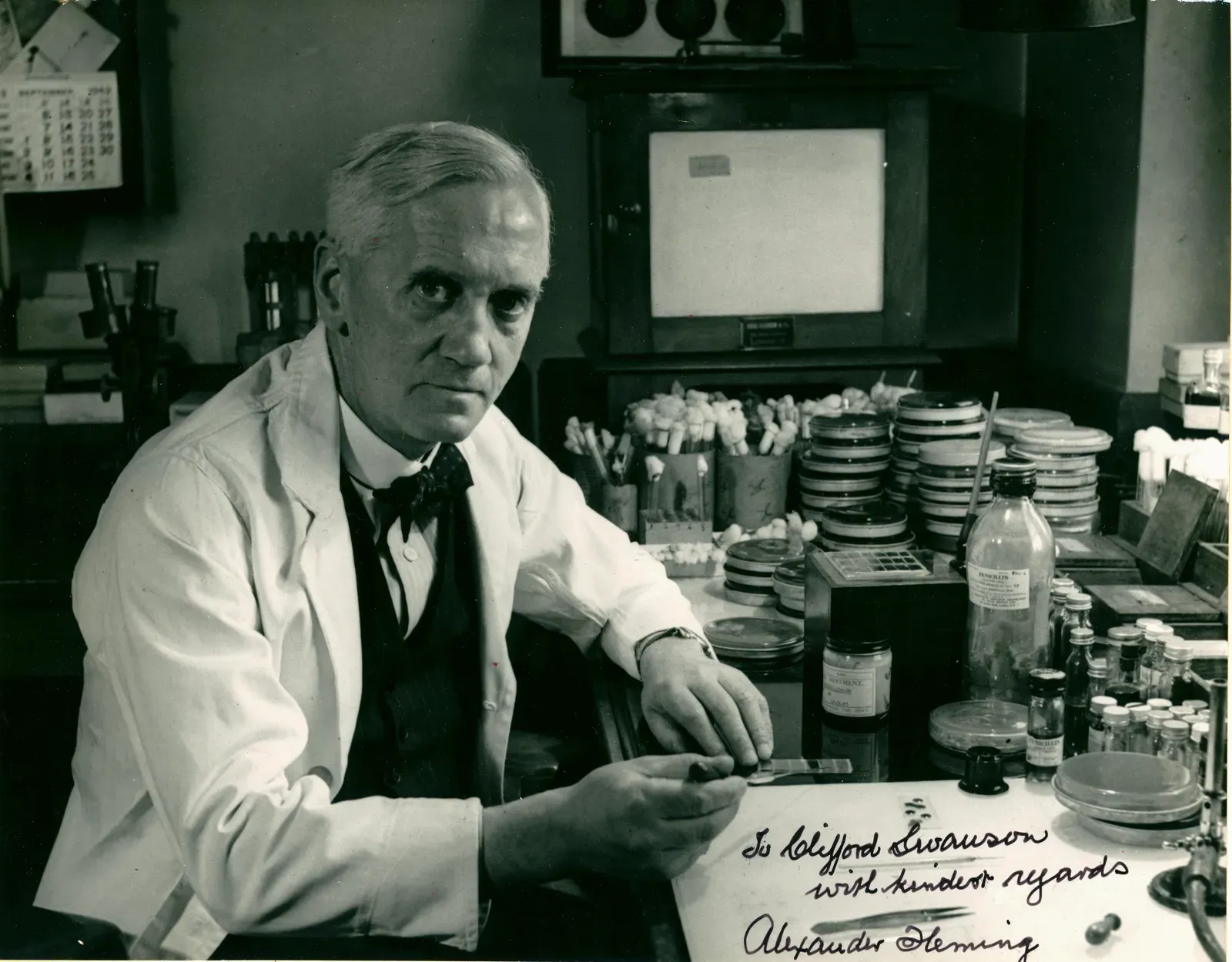
Not every near-miss involves bombs and missiles. Some of them happen in laboratories, with a distracted scientist and a petri dish. Alexander Fleming’s 1928 discovery of penicillin, the world’s first antibiotic, almost never happened. Fleming noticed a mold killing bacteria in a petri dish, but he nearly discarded it as a failed experiment. Only after closer inspection did he realize its significance. If Fleming had been less curious or meticulous, the discovery could have been delayed by years or even decades.
Without penicillin, millions of lives might have been lost to infections that are now easily treated. The scale of that alternate reality is staggering. Routine surgeries, childbirth complications, minor wounds, pneumonia. All potentially fatal without the medicine that Fleming almost binned.
It’s worth pausing on the smallness of this moment. A messy lab bench. A forgotten petri dish left by an open window during a summer holiday. Mold growing on a bacterial culture. The entire modern era of antibiotics pivots on the fact that one man happened to look more closely instead of simply cleaning up.
10. The Zimmermann Telegram: Germany Accidentally Pulled America into WWI

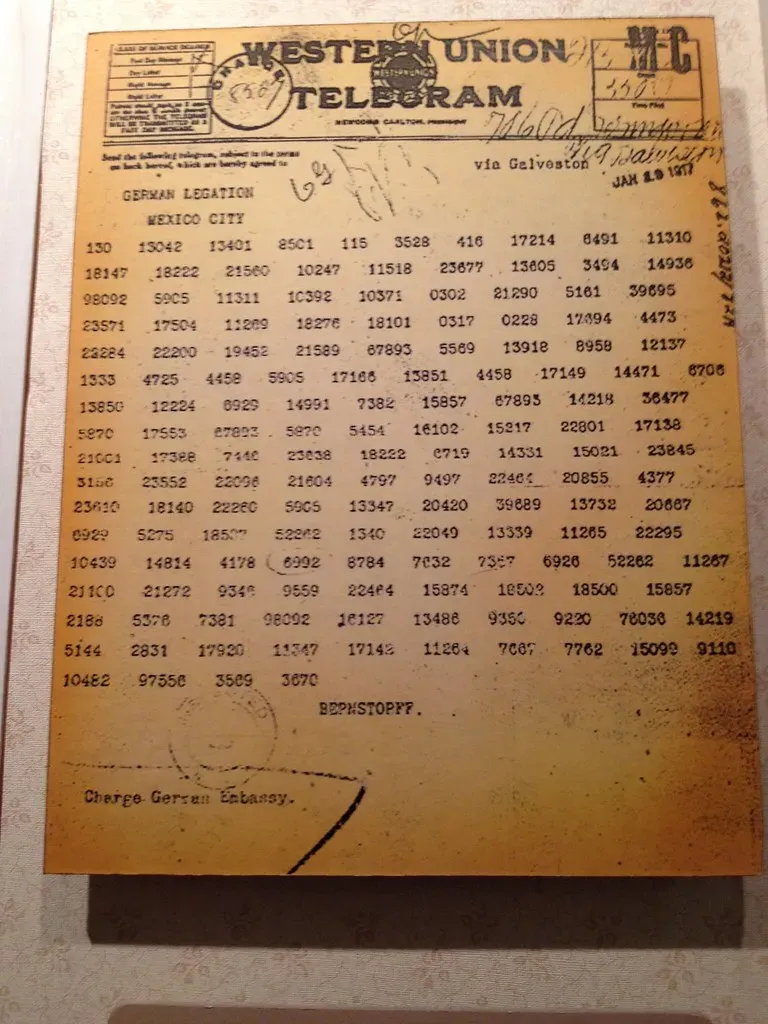
In 1917, a single coded message altered the course of World War I. Germany secretly offered Mexico U.S. territories in exchange for joining the war, a plot uncovered by British intelligence. The leaked telegram outraged Americans, tipping public opinion toward entering the conflict.
Overnight, the U.S. became a global power player, proving how one piece of paper can rewrite history. Without this scandal, the war’s outcome, and America’s role in it, might have looked very different. The telegram was intercepted, decoded, and strategically leaked at precisely the right moment by British intelligence who had been sitting on it and waiting for the ideal political opportunity.
Germany’s catastrophic miscalculation here is almost hard to comprehend. They sent a secret proposal to pull Mexico into a war against the United States, via a coded cable that passed through American telegraph lines. If the British had not cracked German codes, and if American public opinion had not been inflamed at exactly that moment, the U.S. might have stayed out of the war entirely. The modern world order, shaped so profoundly by American participation in both World Wars, traces one of its critical hinges to that single intercepted telegram.
11. The Chernobyl Disaster: A Shift That Shouldn’t Have Happened

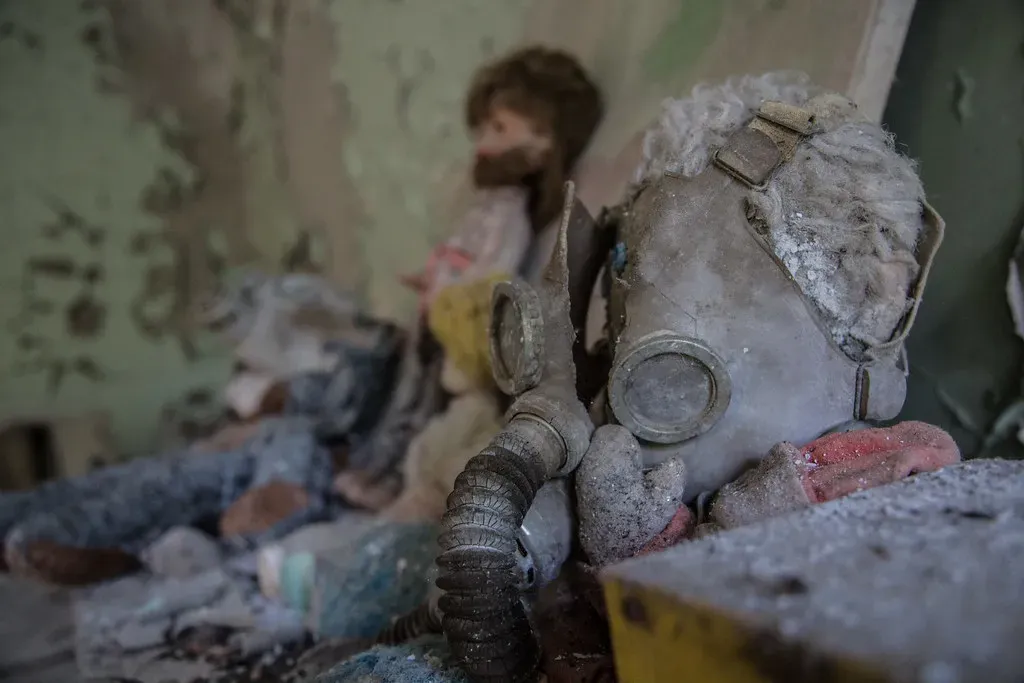
The Chernobyl nuclear disaster of April 1986 is remembered as an inevitable product of Soviet-era negligence. The reality is more chilling. The Chernobyl disaster began with a safety test that was supposed to occur during the day shift but was delayed to the night shift due to power demands from the grid. The night crew was less prepared for the test, leading to crucial mistakes.
That delay, forced by something as routine as a power grid’s energy demands on a Tuesday evening, placed an exhausted and undertrained crew in charge of a critical reactor test. The day shift operators who had spent months preparing for it were simply sent home. Had the test proceeded on schedule, the most experienced team would have been at the controls.
The explosion released radiation across large swaths of Europe, displaced hundreds of thousands of people permanently, and arguably accelerated the collapse of the Soviet Union itself. History often feels inevitable in hindsight, as if every major event was destined to unfold exactly as it did. Yet the truth is far more fragile: countless pivotal moments in human history balanced on a knife’s edge, where a single decision, coincidence, or twist of fate could have sent everything in a dramatically different direction. Chernobyl is perhaps the purest proof of that.
Conclusion: The Fragility Behind the Story We Tell Ourselves

What strikes me most after going through all eleven of these moments is not just how close each one came to going differently. It’s how ordinary the turning points often were. A misread memo. A petri dish. A weather forecast. A single officer saying no in the dark, sweating inside a submarine.
We tend to tell history as a story of grand forces, inevitable outcomes, and powerful leaders making decisive choices. The truth is messier and, in a way, more humbling. Much of what defines our world today was decided by accident, fatigue, curiosity, or one person’s refusal to go along with the crowd.
The world we live in is not the only world that could have existed. It’s just the one that happened to survive its near-misses. What would you have done in Arkhipov’s place?