Some names just work better than others. A stage name can turn an awkward mouthful into something unforgettable, or it can simply feel like a better fit for the person the performer decided to become. Over the decades, plenty of musicians and actors have swapped their birth names for something catchier, and in several cases the invented name eclipsed the original so thoroughly that most fans have no idea the “real” name ever existed. Here are six performers whose stage names didn’t just replace their birth names, they buried them almost entirely.
1. Lady Gaga (born Stefani Joanne Angelina Germanotta)
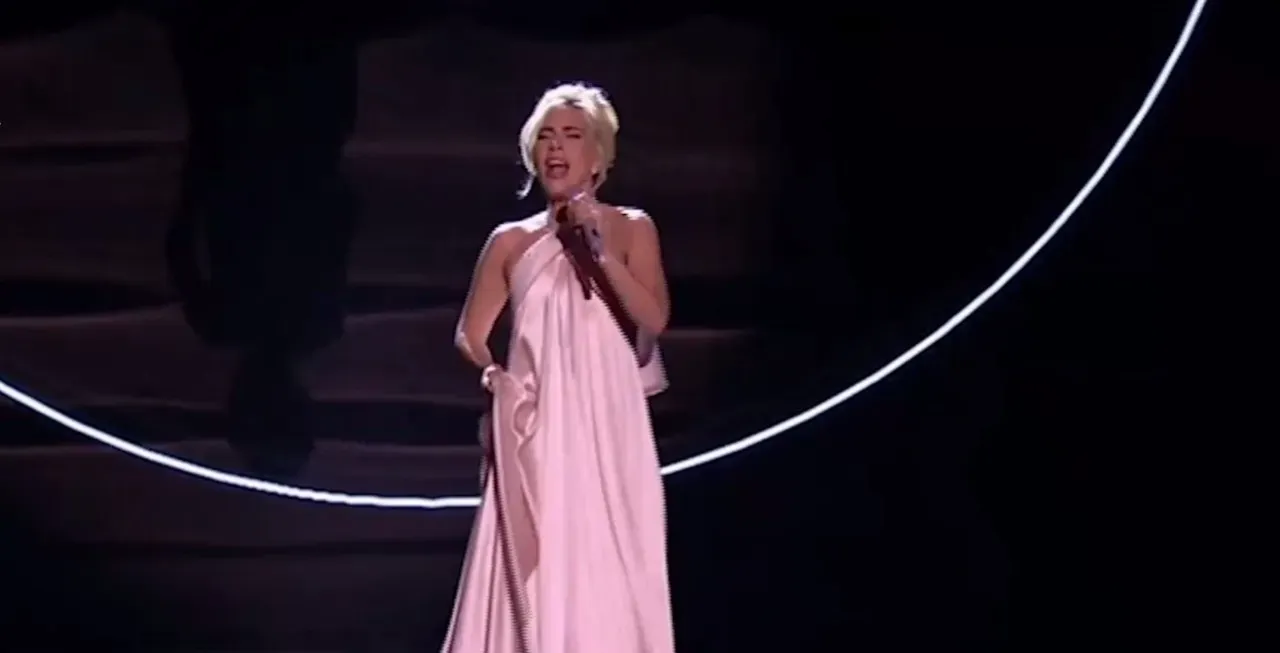
Stefani Germanotta grew up in New York City, studied at NYU’s Tisch School of the Arts, and spent her early performing years playing small clubs under her own name before reinventing herself. The name Gaga reportedly came from a nickname bandmates gave her, inspired by the Queen song “Radio Ga Ga,” and she leaned into it fully once she started building her pop persona. By the time “Just Dance” and “Poker Face” hit in 2008, the name Stefani Germanotta had essentially vanished from public conversation.
What makes this case interesting is how the stage name became inseparable from an entire aesthetic, not just a catalog of songs. Lady Gaga isn’t only a performer name, it functions as shorthand for a specific era of pop theatrics, fashion experimentation, and unapologetic weirdness. Even now, with her Oscar nomination for “A Star Is Born” and her Las Vegas residencies, audiences relate to “Gaga” as a complete artistic identity rather than a pseudonym layered over someone else.
2. Marilyn Monroe (born Norma Jeane Mortenson)
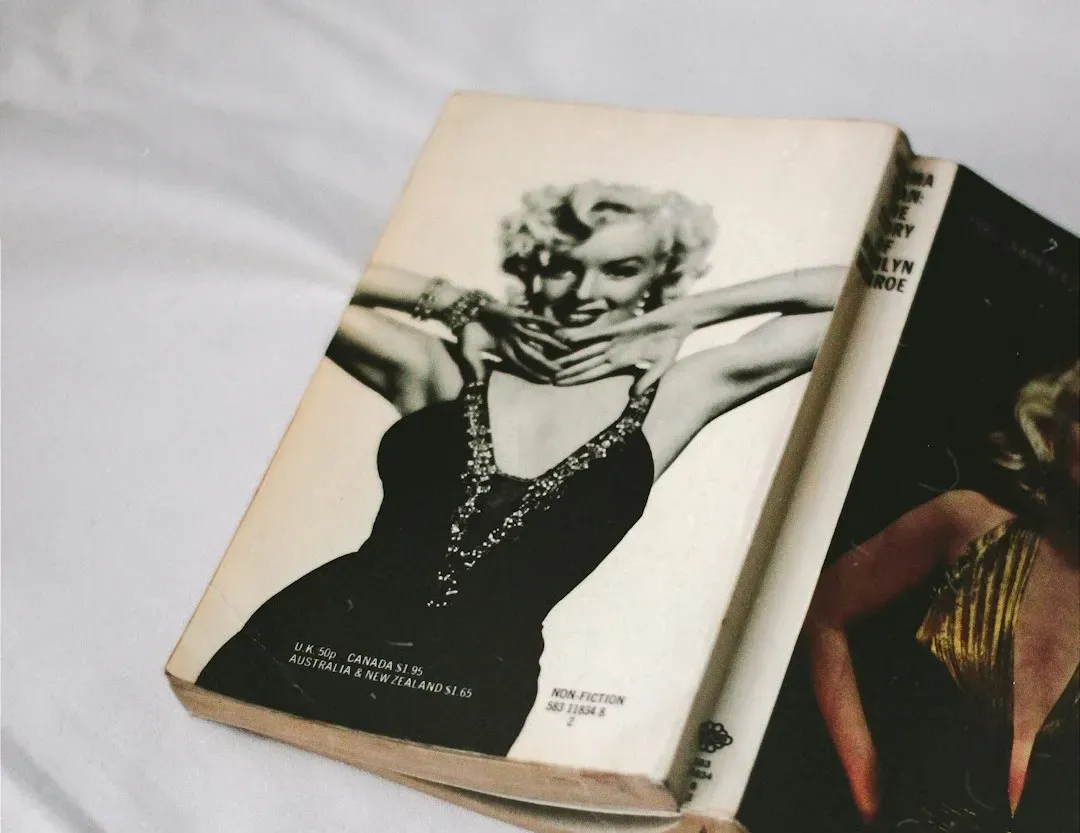
Norma Jeane Mortenson, later baptized under the surname Baker, was working as a model when 20th Century Fox signed her in the mid-1940s and insisted on a more marketable name. Studio executives paired “Marilyn,” suggested for its glamorous sound, with “Monroe,” her mother’s maiden name, and the combination stuck immediately. Within a few years, Norma Jeane had disappeared from public memory almost entirely, replaced by a name that came to represent an entire vision of old Hollywood glamour.
Decades after her death in 1962, Marilyn Monroe remains one of the most recognized names in entertainment history, still referenced in fashion, film studies, and pop culture retrospectives. Biographies and documentaries continue to explore the tension between Norma Jeane the private person and Marilyn Monroe the constructed icon, but even these deep dives rarely change how the public refers to her. The stage name isn’t just more famous, it’s essentially the only name most people know.
3. Freddie Mercury (born Farrokh Bulsara)
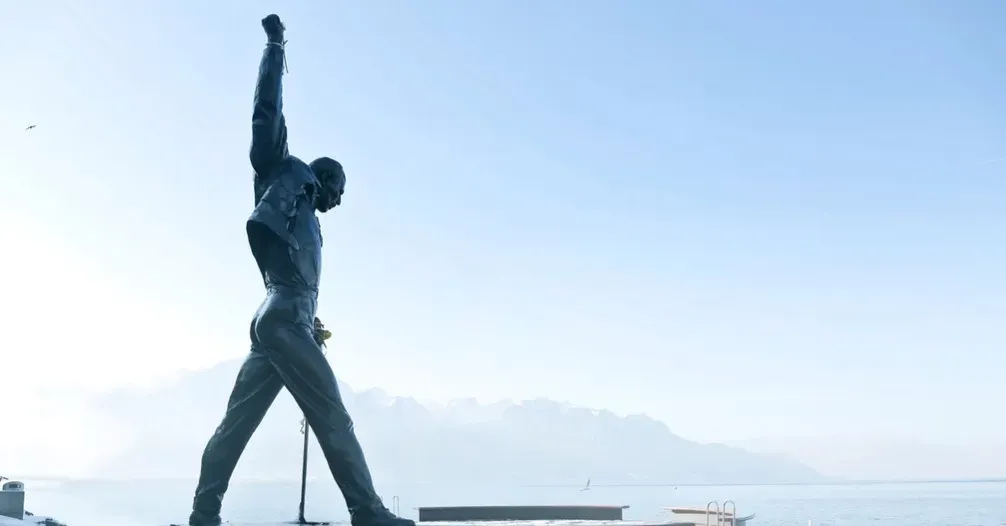
Freddie Mercury was born Farrokh Bulsara in Zanzibar in 1946, to a Parsi family with roots in India, before moving to England as a teenager. He had already picked up the nickname “Freddie” at school, but it was only when Queen formed in the early 1970s that he adopted “Mercury” as his stage surname, reportedly inspired by a lyric in one of the band’s early songs. The shift wasn’t just cosmetic, it accompanied his transformation into one of rock’s most theatrical and technically gifted frontmen.
Queen’s global success throughout the 1970s and 1980s, cemented by performances like the 1985 Live Aid set, made “Freddie Mercury” a name synonymous with vocal range and stage presence. Even the 2018 biopic “Bohemian Rhapsody,” which grossed hundreds of millions worldwide, used the stage name as its emotional anchor rather than his birth name. For most listeners today, Farrokh Bulsara is a historical footnote, while Freddie Mercury remains a benchmark for what a rock performance can be.
4. Bono (born Paul David Hewson)
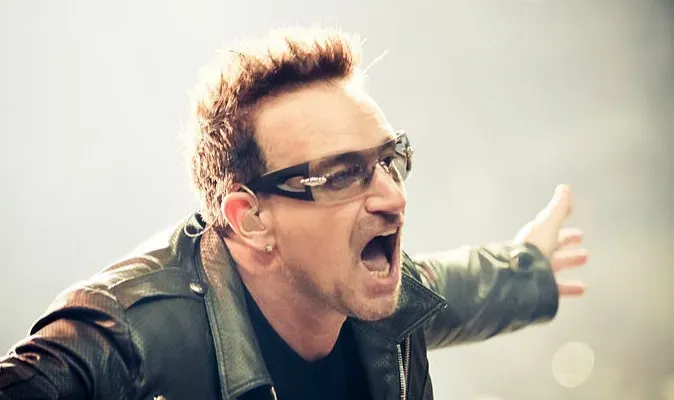
Paul Hewson picked up the nickname “Bono” as a teenager in Dublin, originally shortened from “Bono Vox,” a play on a hearing aid shop name that friends thought was fitting given his booming voice. When U2 formed in 1976, the nickname simply carried over and became his permanent public identity, with bandmates and fans rarely using his birth name at all. Unlike some entries on this list, there was no studio marketing push behind the change, it grew organically out of friend-group humor.
U2’s decades-long career, including albums like “The Joshua Tree” and ongoing activism work through organizations like ONE and RED, has kept the name Bono firmly in public view well into the 2020s. He’s testified before governments, met with world leaders, and written a memoir, all under the name his teenage friends gave him decades earlier. Paul Hewson still exists on his passport, but Bono is the name attached to nearly fifty years of music and advocacy.
5. Ringo Starr (born Richard Starkey)
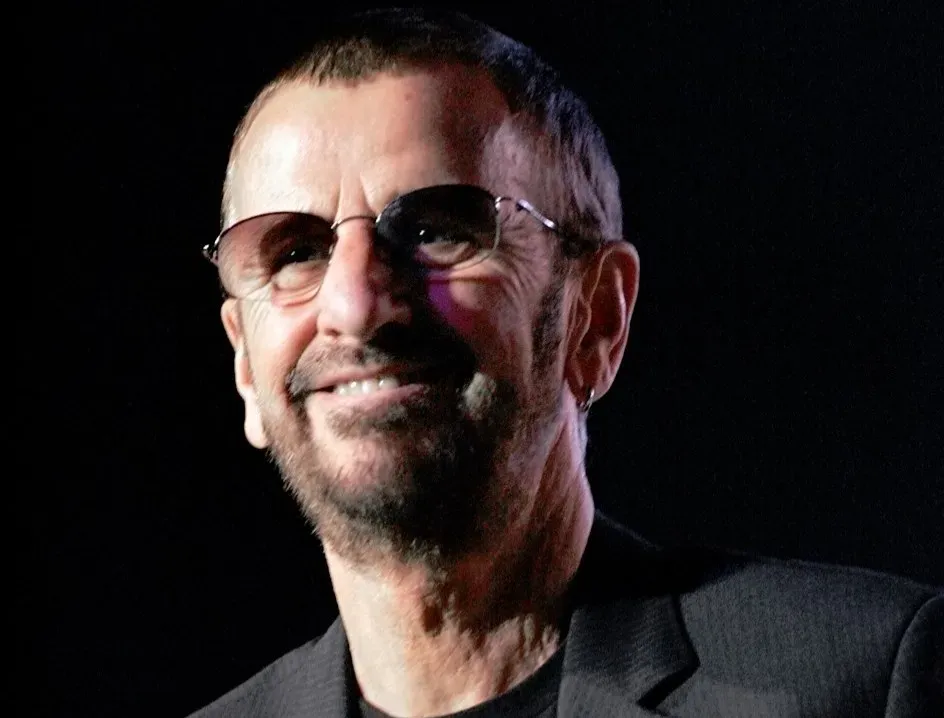
Richard Starkey grew up in Liverpool and earned the nickname “Ringo” for his habit of wearing multiple rings, with “Starr” following as a shortened, punchier version of his surname. He used the name while drumming for other Liverpool bands before joining the Beatles in 1962, replacing Pete Best just as the group was gaining momentum. The name fit the era’s appetite for catchy, memorable band monikers, and it never got left behind once the Beatles became a global phenomenon.
Ringo Starr’s name is now permanently tied to one of the most commercially successful bands in recorded music history, with the Beatles’ catalog continuing to sell and stream steadily even decades after their breakup. His solo career, including recent albums and his 2015 induction into the Rock and Roll Hall of Fame as a solo artist on top of his Beatles induction, has kept the stage name active independent of the band. Richard Starkey is rarely used outside of formal documents or detailed biographies.
6. Elton John (born Reginald Kenneth Dwight)
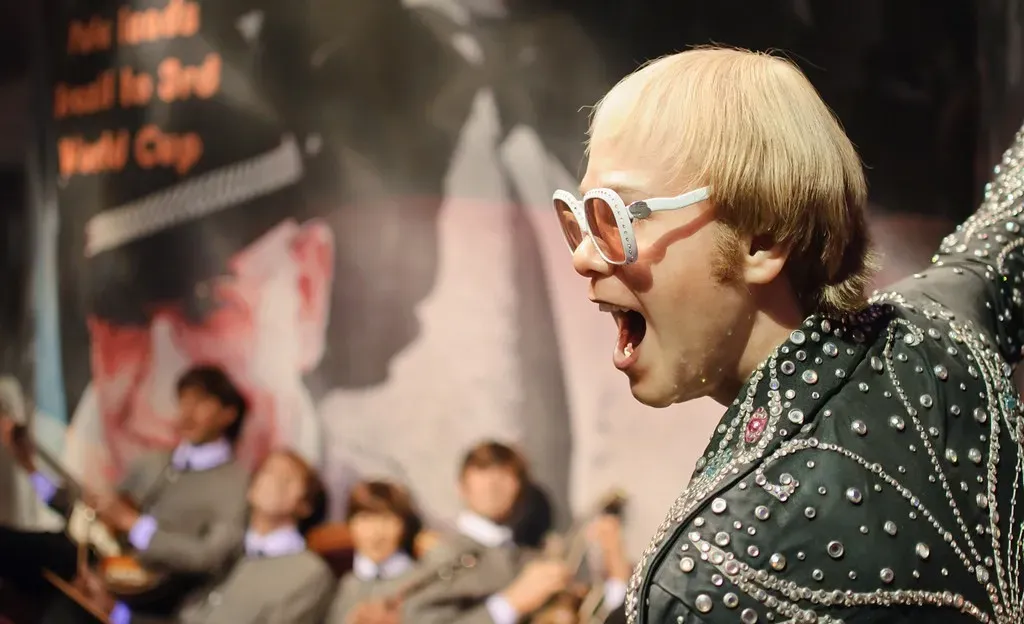
Reginald Dwight was a shy, classically trained pianist from a London suburb when he began performing in the pub and club circuit during the late 1960s. He borrowed pieces of his new name from two bandmates in an earlier group, Bluesology, combining saxophonist Elton Dean’s first name with singer Long John Baldry’s stage name to create “Elton John.” The reinvention wasn’t just about sound, it gave him room to build the flamboyant performing persona that Reginald Dwight, by most accounts, never quite embodied on his own.
Over a career spanning more than five decades, including the massive “Farewell Yellow Brick Road” tour that closed out in 2023, Elton John became a name attached to some of pop music’s most enduring hits and its most extravagant stage costumes. His knighthood, Oscar win for “Rocketman” related work, and continued presence at major cultural events have only deepened the gap between the stage name and the birth name behind it. Reginald Dwight is mentioned occasionally in interviews and documentaries, almost as a curiosity, while Elton John remains the name people actually sing along to.
Stage names like these succeed for different reasons, some were built by studio executives chasing marketability, others grew out of inside jokes among friends, and a few were simply chosen by young performers hoping to sound like someone slightly braver than they felt at the time. What connects all six is how completely the invented identity took over, to the point where the birth name now functions almost like trivia rather than a meaningful part of the public record.