Every era crowns its own masterpieces, and every later era gets to argue about them. Some works hold up beautifully. Others look worse each time we revisit them, whether because of their politics, their craft, or the way the world has changed around them.
This list isn’t about taste alone. Each entry is a work widely praised in its day, and each has drawn well-documented criticism since. “Terribly” is a strong word, so for each one I’ve tried to stick to what’s on the record and to be fair about what still works.
The Birth of a Nation (1915)

D.W. Griffith’s film was a technical landmark. It popularized editing, camera movement and large-scale staging techniques that filmmakers kept using. It was also a huge commercial success, and film histories long treated it as the starting point of American feature filmmaking.
The problem is the content. The film is based on Thomas Dixon’s novel The Clansman and presents the Ku Klux Klan as heroic while portraying Black Americans in demeaning ways. The NAACP protested it at release, and historians have long linked its popularity to the revival of the Klan in the following years. Its craft can be studied, but it’s very hard to defend as a masterpiece.
Gone with the Wind (1939)
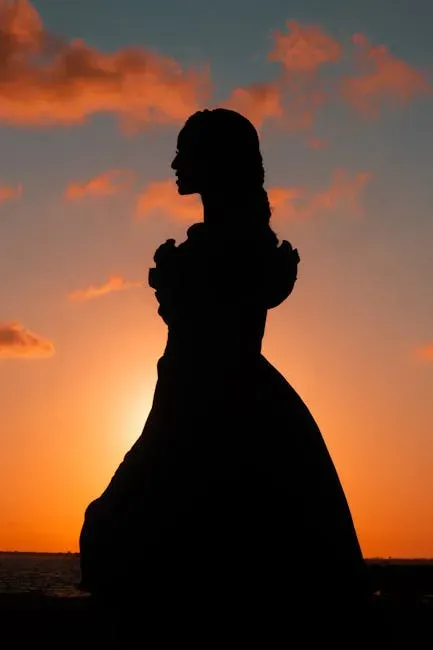
This epic won multiple Academy Awards, including Best Picture, and Hattie McDaniel became the first Black performer to win an Oscar for her role in it. It remains one of the most successful films in box office history when adjusted for inflation. For decades it was simply called a classic.
Yet its romantic picture of the antebellum South and the Lost Cause myth has been challenged for years. In 2020, HBO Max temporarily removed it and returned it with an introduction by scholar Jacqueline Stewart that places it in historical context. That response says a lot: the film is still seen as important, but no longer as innocent.
Breakfast at Tiffany’s (1961)
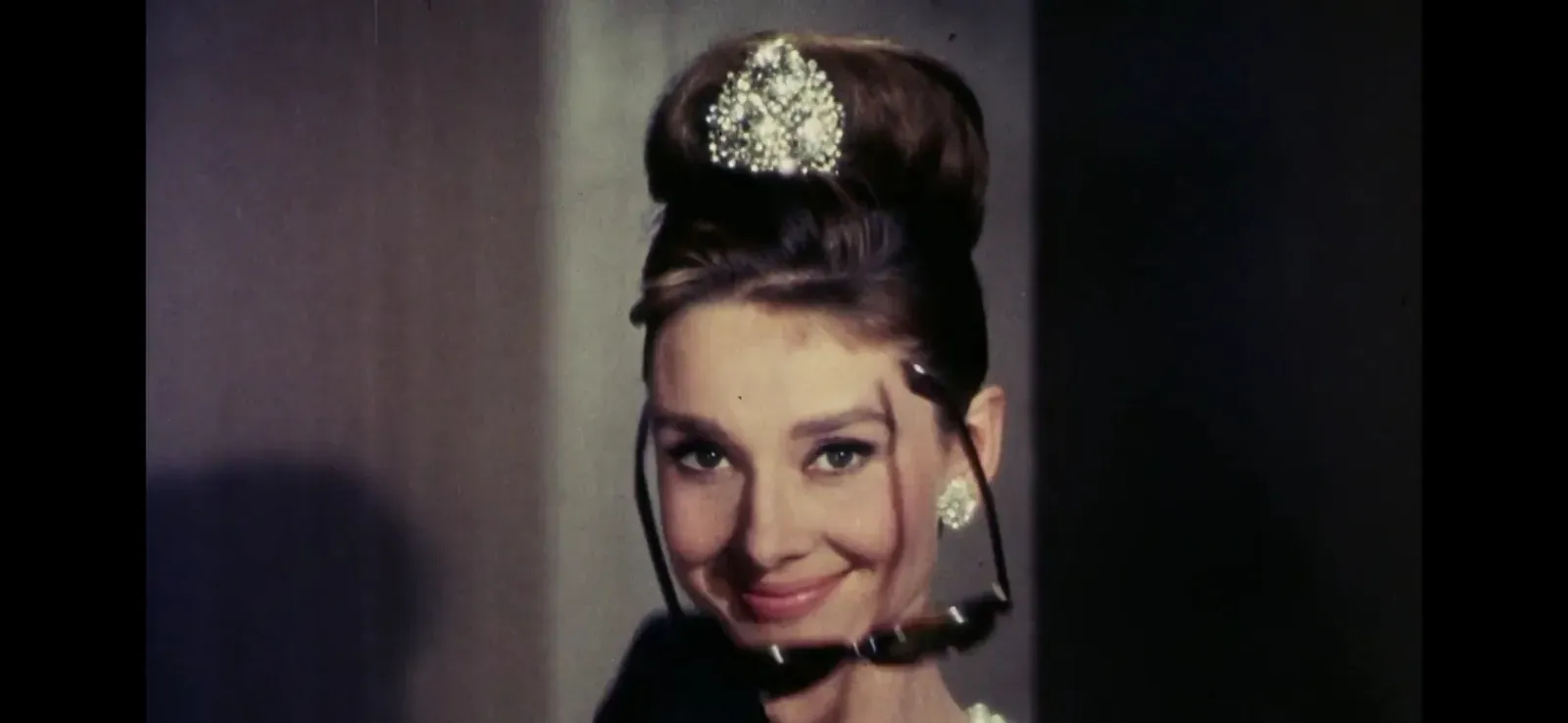
Audrey Hepburn’s Holly Golightly is one of cinema’s most recognizable images, and the film is still treated as a style icon. Henry Mancini’s “Moon River” won Oscars for score and song. Many viewers still love it as a romance.
However, Mickey Rooney’s performance as the Japanese neighbor Mr. Yunioshi is a widely cited example of racial caricature in a major studio film, with Rooney in yellowface. Rooney himself later expressed regret about it, and the portrayal now overshadows the film’s charm for many audiences. The movie also softens the darker material of Truman Capote’s novella, which is another common complaint.
Lolita (1955)
Vladimir Nabokov’s novel is routinely praised for its prose and has appeared on many lists of the best twentieth-century novels. Its narrator, Humbert Humbert, is deliberately monstrous, and many critics read the book as an indictment of his self-justifying voice.
The aging problem lies mostly in how the culture absorbed it. “Lolita” entered everyday language as a label for a seductive young girl, which is the exact distortion the narrator’s rhetoric encourages. Readers today often see how easily the book was misread, and some question whether its reputation placed style above the victim’s experience.
Pepé Le Pew and the “Classic” Cartoon Era
Golden-age Looney Tunes are celebrated for timing, design and invention, and Chuck Jones’s shorts remain studied in animation courses. One Pepé Le Pew short, For Scent-imental Reasons (1949), even won an Academy Award for Best Short Subject.
The recurring gag, though, is a skunk who persistently pursues a cat who clearly doesn’t want him. Modern viewers read that as treating unwanted pursuit as comedy. Warner Bros. cut the character from the 2021 film Space Jam: A New Legacy, a decision tied to those concerns. The animation craft is intact, but the premise isn’t something most people want to defend.
Heart of Darkness (1899)
Joseph Conrad’s novella has long been taught as a landmark of modernist fiction and an attack on colonial greed in the Congo. Its layered narration and atmosphere influenced writers and filmmakers, including Apocalypse Now.
In 1975, Chinua Achebe argued in a famous lecture that the book dehumanizes Africans and uses Africa as a backdrop for a European’s crisis. That critique changed how the book is taught. Many scholars still defend it as critical of imperialism, but few now present it without that debate attached.
Annie Hall’s Reputation and the Woody Allen Problem
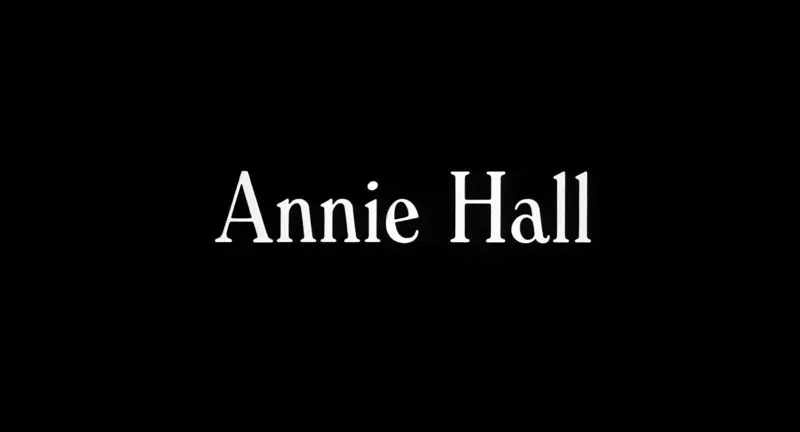
Annie Hall won Best Picture at the 1978 Oscars, along with awards for Allen’s direction and for the screenplay and for Diane Keaton’s performance. For decades it was cited as a model romantic comedy.
Its standing has been complicated by the allegations made by Dylan Farrow against Allen, which he has denied, and by his 1990s relationship with Soon-Yi Previn. Following the Me Too era, several actors said they regretted working with him, and Amazon ended its deal with him. Whether art can be separated from its maker is the real question here, and the film’s sharp writing doesn’t settle it either way.
Conclusion

None of these works are worthless, and several remain technically brilliant. What aged badly is the uncritical praise: the habit of calling something a masterpiece without asking who it served, who it hurt, and what it took for granted.
The healthiest response is probably neither erasing them nor worshipping them. Context, honest criticism and a willingness to say “brilliant and flawed” at the same time keep old art alive without pretending it’s perfect.