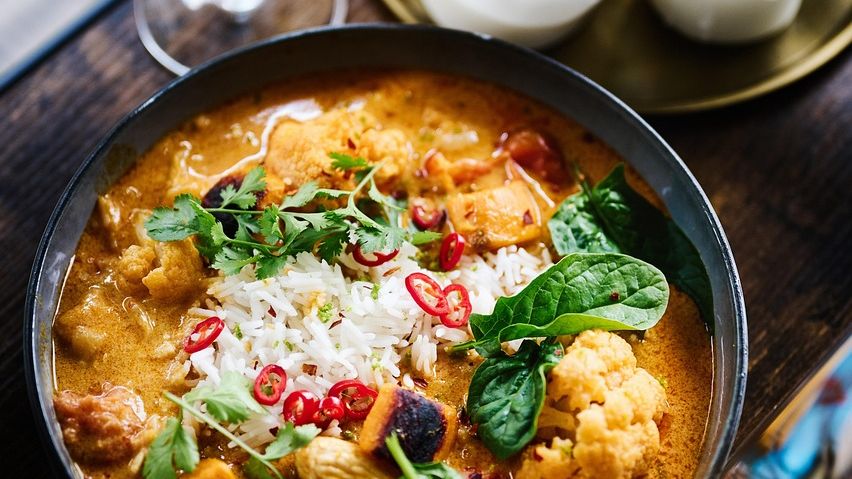
Have you ever stopped to think about how cultures collide on a plate? There’s something magical about tasting food that tells multiple stories at once, flavors that cross borders and traditions that refuse to stay in one place. Fusion dishes are more than just a trendy mashup of ingredients. They represent the journeys of immigrants, the curiosity of adventurous chefs, and our growing desire to experience the entire world through food.
Fusion dishes are projected to appear on 40% of new restaurant menus in the U.S. by 2025, nearly double their presence compared to just five years ago. Social media has turbo-charged this movement, turning colorful plates into viral sensations overnight. The dishes we’ll explore aren’t just food experiments. They’re cultural conversations, delicious dialogues between distant corners of the globe that somehow feel both foreign and familiar at the same time.
Korean Tacos: When Seoul Meets Mexico City

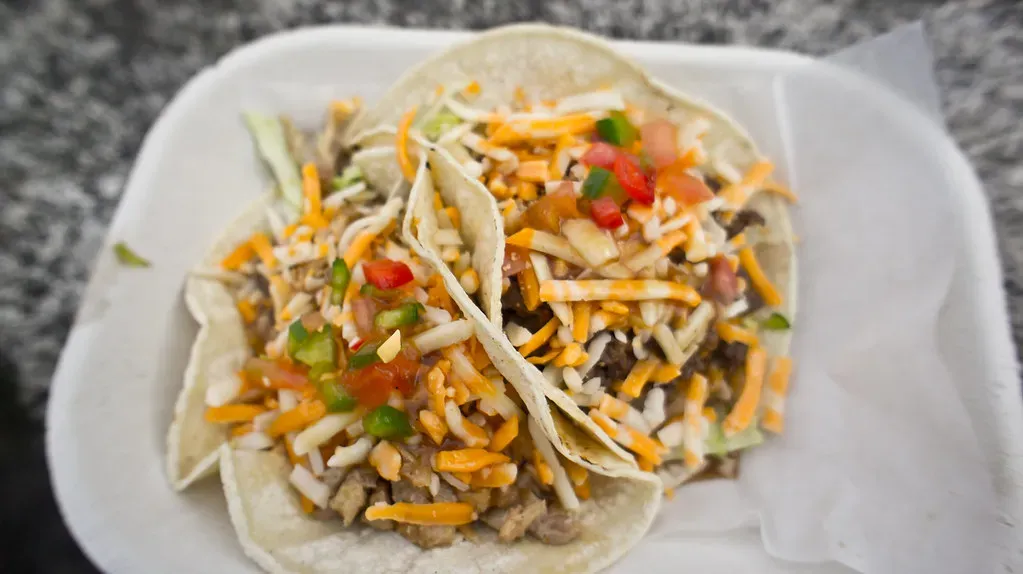
Let’s start with one that absolutely changed the game. Korean-Mexican fusion has taken cities like Los Angeles by storm, pioneered by chefs like Roy Choi with his Kogi BBQ food trucks, combining the bold, spicy flavors of Korean cuisine with the freshness and simplicity of Mexican dishes, with Korean BBQ meats like bulgogi wrapped in tortillas, topped with kimchi, and drizzled with spicy sauces. The first food truck serving Korean tacos, Kogi Korean BBQ, opened in Los Angeles in late 2008, and honestly, the food world hasn’t been the same since.
What makes this fusion work so brilliantly? The umami richness of marinated Korean beef meets the bright acidity of Mexican salsas and lime. Food trucks serving Korean-Mexican fusion opened in several cities across the U.S., including San Francisco, Austin, Chicago, Portland, Seattle and Washington. It’s hard to say for sure, but Korean tacos might just be the most successful fusion creation of the past two decades.
Sushi Burritos: San Francisco’s Handheld Revolution

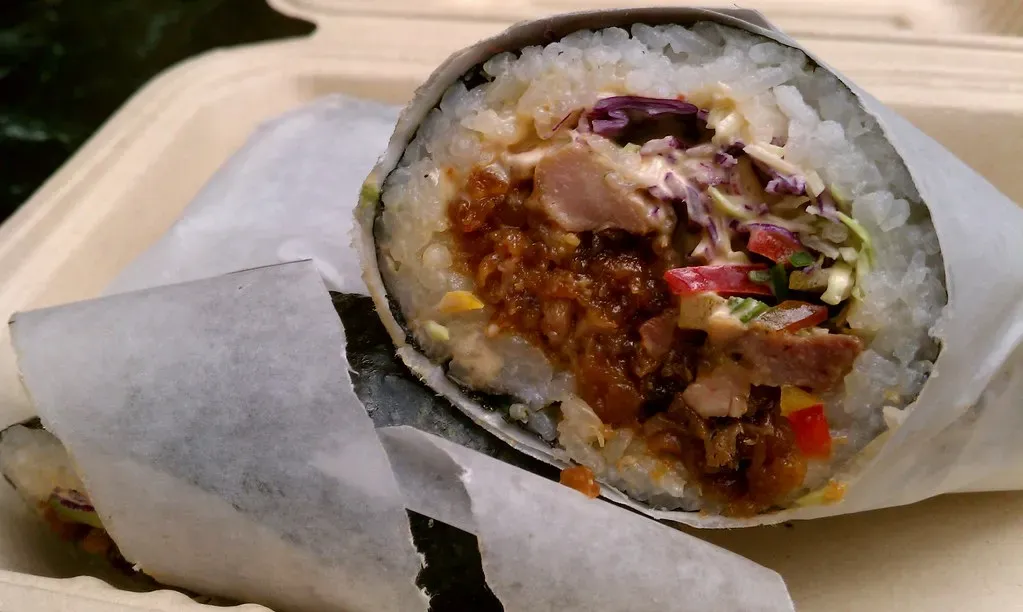
If you’ve never held a sushi burrito in your hands, you’re missing out on one of the most practical food innovations of the 21st century. The sushi burrito was created in 2008 by Peter Yen of the San Francisco fast casual restaurant Sushirrito, and since then, the dish has expanded in popularity and is sold by a variety of sushi and burrito restaurants in the United States. Picture all the fresh, clean flavors of sushi but in a format you can actually eat on your lunch break without juggling chopsticks.
The sushi burrito arrived in New York, Los Angeles, and Washington D.C., winning over millennials looking for healthier alternatives to traditional fast food, and became a viral trend on Instagram and TikTok in 2016 and 2017, a symbol of the new fusion cuisine. The visual appeal alone turned it into social media gold. Seriously, those vibrant layers of red tuna, avocado, and crisp vegetables are basically designed for your Instagram feed.
Bánh Mì: The Original Fusion Masterpiece

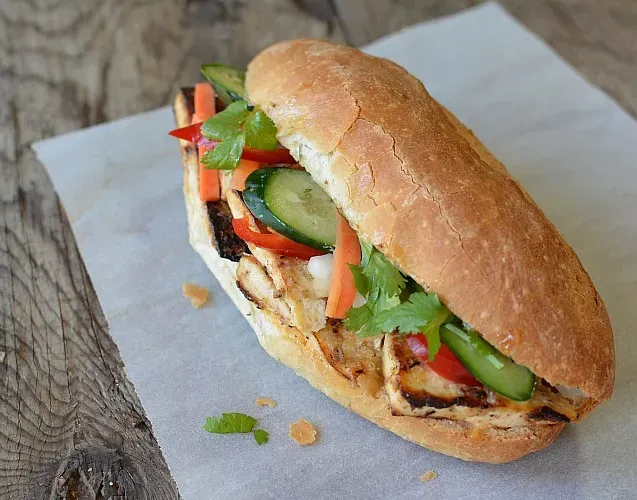
Before fusion was even a buzzword, Vietnam was already perfecting it. The bánh mì sandwich, an original fusion dish and popular street food, combines French elements like a crispy baguette and paté with Southeast Asian flavors including ham and pickled veggies. This isn’t some modern chef’s clever invention. It’s the result of French colonialism meeting Vietnamese ingenuity, creating something that transcends both cultures entirely.
The crispy baguette shatters under your teeth, giving way to savory meats, bright cilantro, tangy pickled carrots and daikon, and that crucial smear of paté. Every bite is a study in contrasts: crunchy and soft, rich and bright, European and Asian. It’s proof that sometimes the most profound culinary innovations come from necessity and cultural collision rather than trendy experimentation.
Nikkei Cuisine: Japan Meets Peru in Perfect Harmony

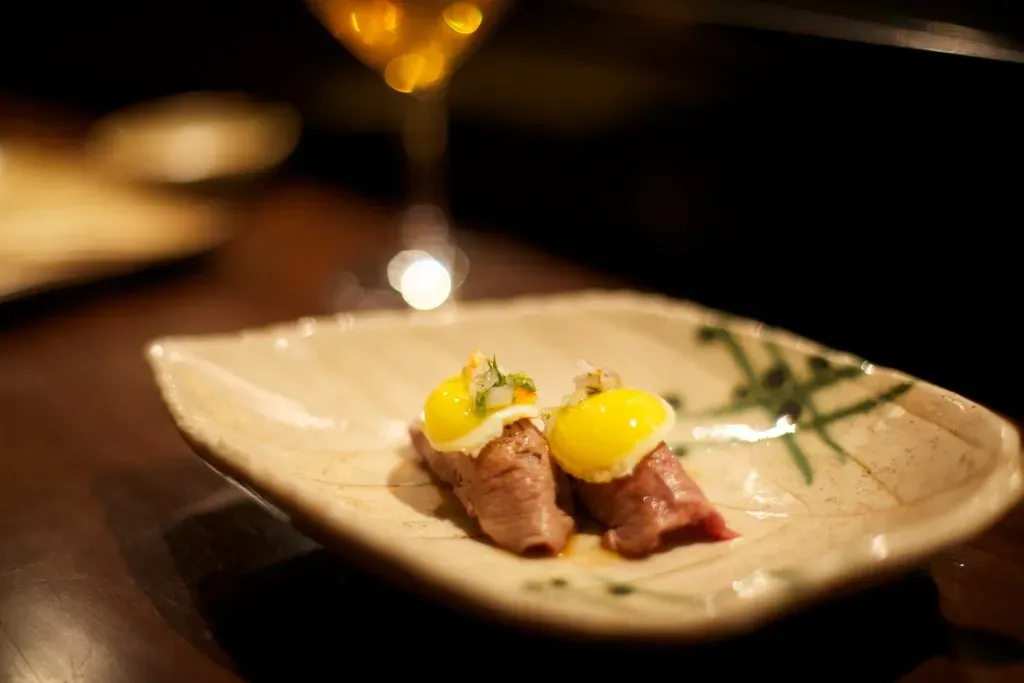
Nikkei, representing the fusion of Japanese and Peruvian cuisines, emerged from the Japanese immigrant community in Peru and has grown in popularity worldwide, combining the delicate, precise techniques of Japanese cooking with the bold, vibrant flavors of Peruvian ingredients. Think tiradito, which is essentially Peruvian sashimi dressed with aji amarillo peppers and lime. Or ceviche enhanced with soy sauce and ginger.
Indo-Chinese and Japanese-Peruvian are two global flavor mashups anticipated to gain popularity in 2025, with Japanese-Peruvian dishes bringing seafood together with Peruvian staples like yucca, lime, corn and aji peppers for a fresh and elevated flavor experience. The marriage of Japanese precision with Peru’s explosive flavors creates dishes that feel both refined and wildly exciting.
Tex-Mex: America’s Comfort Food Ambassador

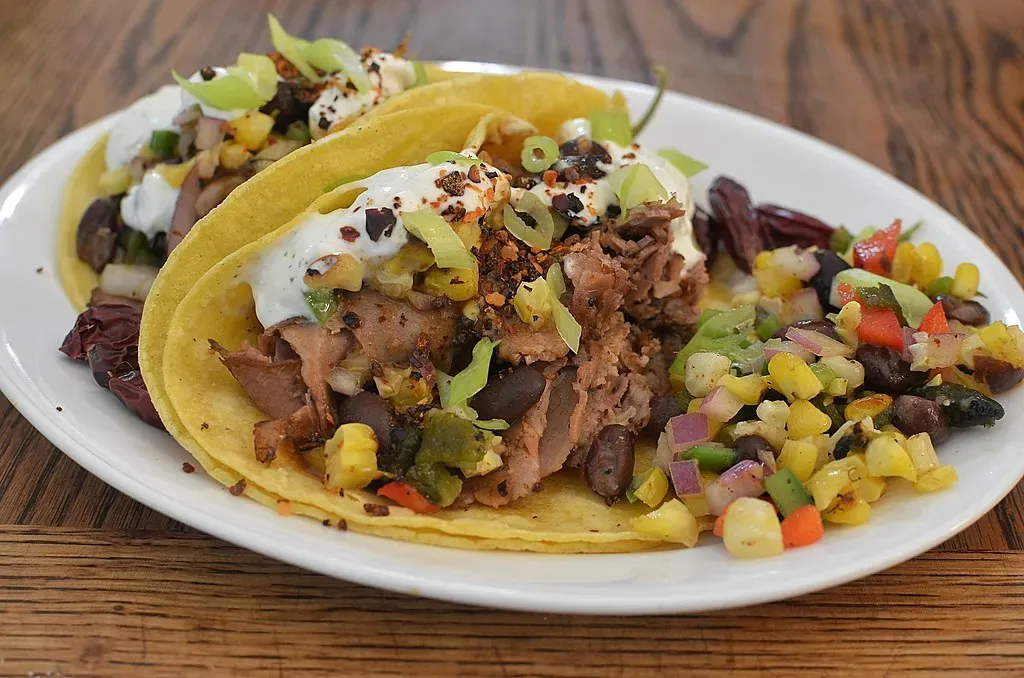
Tex-Mex, a fusion of Texan and Mexican culinary traditions, has long been a staple in American cuisine, offering hearty, flavorful dishes such as enchiladas, nachos, and fajitas, incorporating American ingredients like cheddar cheese, ground beef, and flour tortillas into traditional Mexican recipes, and has become a nationwide favorite. Yeah, purists might argue it’s not authentic Mexican food. They’re missing the point entirely.
Tex-Mex is its own beautiful thing, born from the meeting of two cultures along the border. It’s comfort food that speaks to a specific American experience, where ingredients and traditions blend so thoroughly they create something entirely new. Those sizzling fajitas, that gooey queso, the perfectly crispy tortilla chips? That’s not diluted Mexican cuisine. That’s a legitimate culinary tradition in its own right.
Spam Musubi: Hawaii’s Unlikely Icon

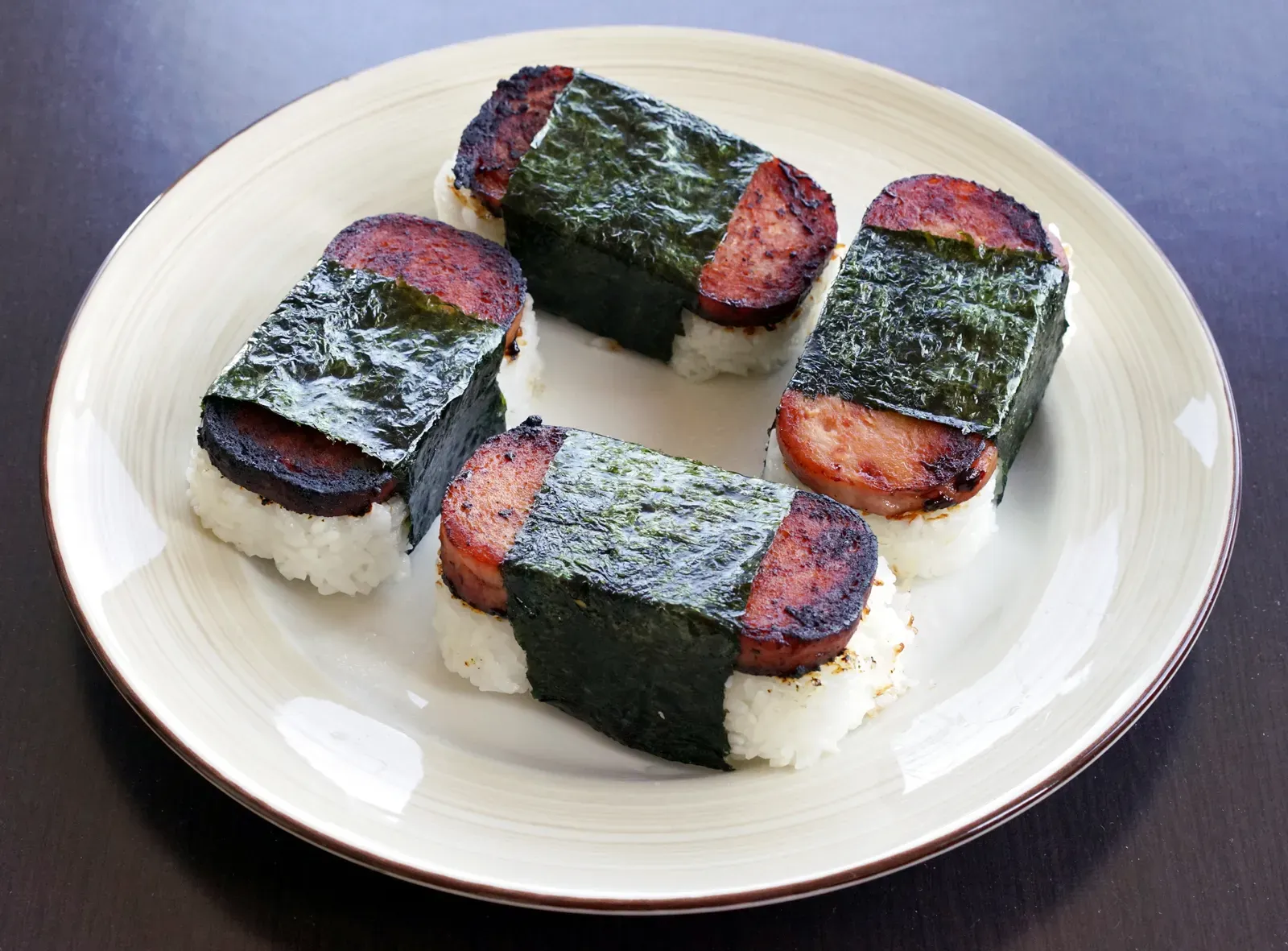
Spam musubi, a popular Hawaiian side dish, is a modified form of sushi, incorporating Japanese and American elements with spam replacing raw fish. It might sound strange if you’ve never had it, but this humble snack perfectly captures Hawaii’s multicultural soul. A slice of grilled Spam sits atop a block of rice, wrapped with a strip of nori seaweed.
The dish emerged from practical necessity during World War II when Spam was plentiful in Hawaii. Japanese immigrants applied their sushi-making techniques to this very American canned meat, and the result became a beloved local staple. You’ll find it everywhere in Hawaii, from gas stations to upscale restaurants, a testament to how fusion food can become deeply embedded in regional identity.
Partner offer

Wonton Tacos: Chinese Wrappers Meet Mexican Fillings
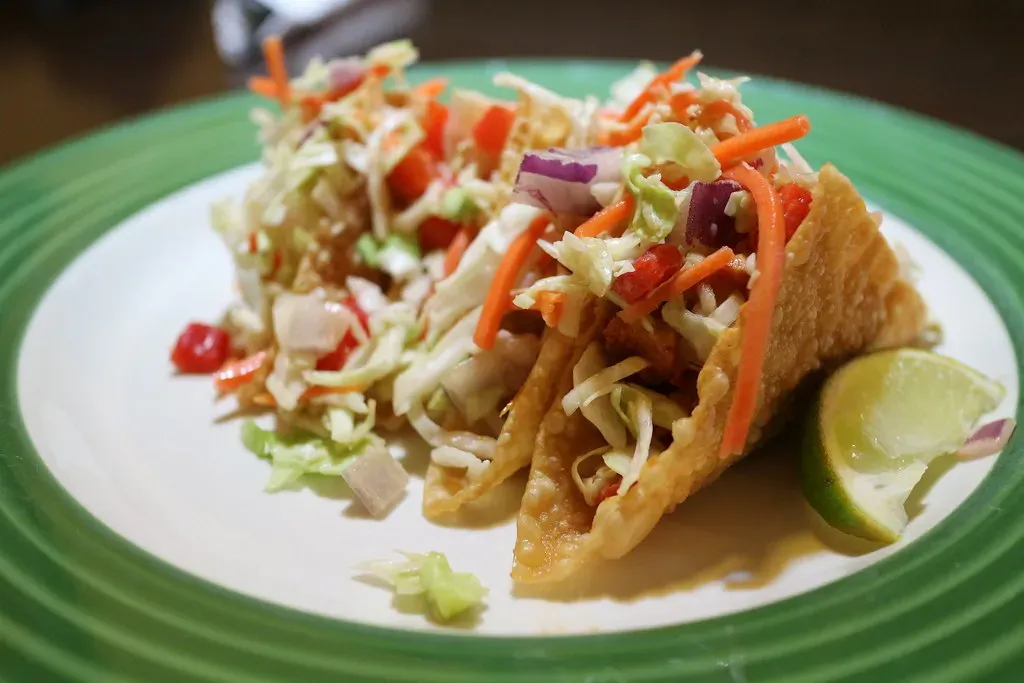
Wonton tacos use crisp wonton wrappers as fusion taco shells instead of a tortilla, adding ground beef, lettuce, and cheese for a traditional filling. The genius here is textural. Those fried wonton shells shatter in a completely different way than a corn tortilla, adding an almost chip-like crunch that elevates familiar taco fillings.
Restaurants have taken this concept in countless directions, filling crispy wonton shells with everything from Korean barbecue to Thai-spiced chicken to classic Mexican carne asada. The wonton wrapper becomes a neutral canvas, crispy and delicate, that lets bold fillings shine while adding its own subtle contribution to the flavor profile.
British Fusion: Tikka Masala Meets Sunday Roast

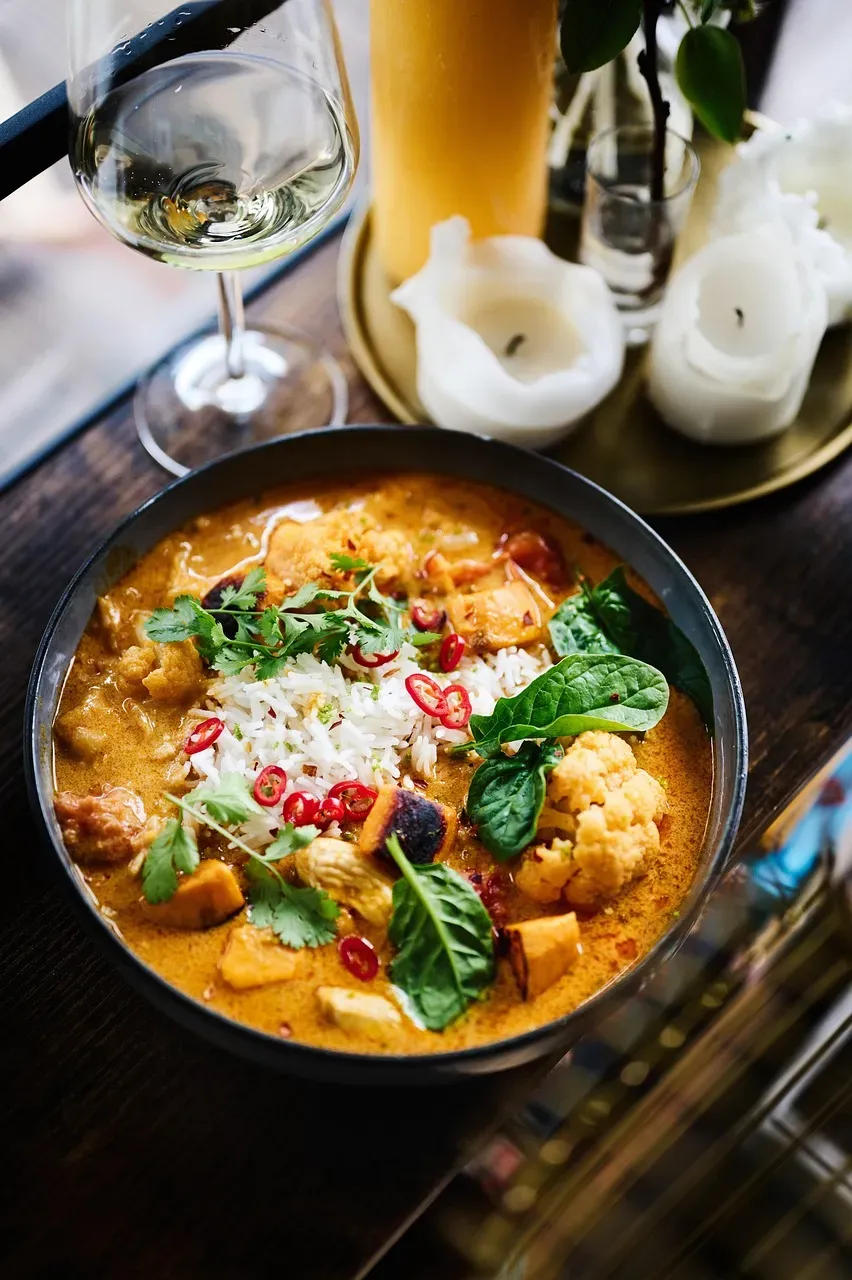
42% of UK consumers find appeal in British Fusion dishes because they give them the ability to enjoy mixing up different cultural influences within familiar British formats that they are comfortable with. British Fusion is predicted to grow in 2024, where consumers get the opportunity to try new flavors and ingredients from other cuisines in more familiar formats like pies, sausage rolls, crumbles, roast dinners or English breakfasts, with 35% of respondents stating they find British Fusion appealing as it’s a way to try new flavors in a format they are familiar with.
Imagine a shepherd’s pie infused with curry spices, or samosas stuffed into Yorkshire puddings. This trend bridges the psychological gap for diners who want adventure but not complete unfamiliarity. It’s comfort with a twist, tradition with a passport stamp.
Kimchi Quesadillas: Fermented Meets Melted

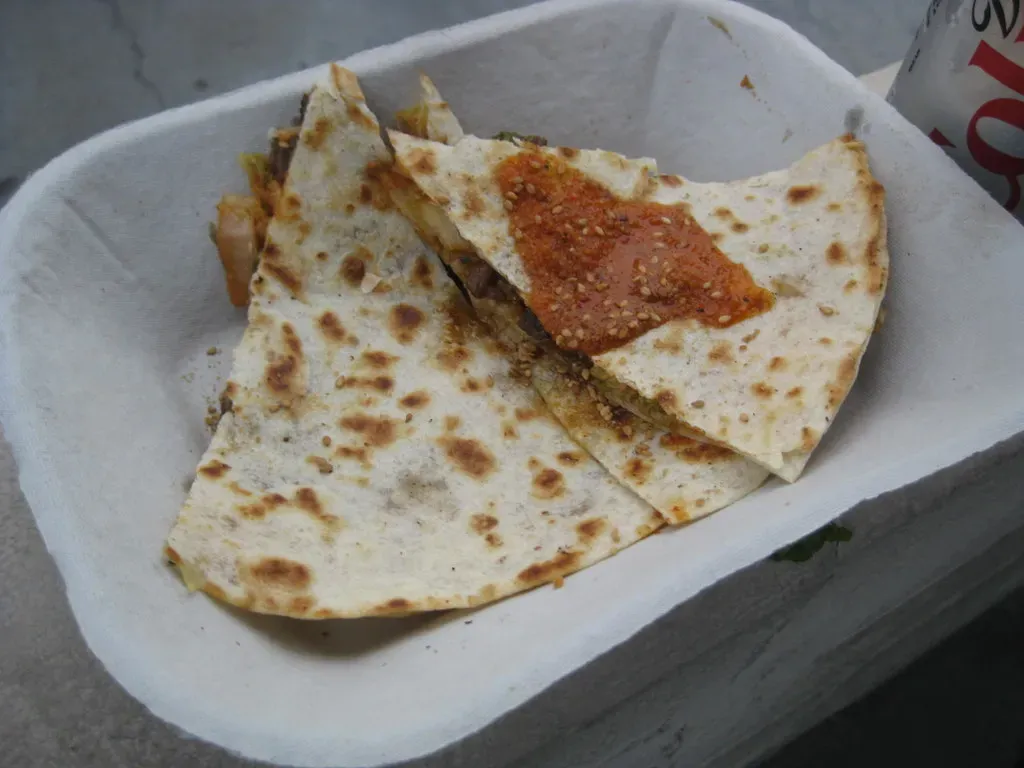
Kimchi Nachos represent a Korean twist on a Mexican favorite, marrying fermented tang with cheesy goodness. Extending that logic, kimchi quesadillas have become a fusion favorite that makes perfect sense once you taste it. The funky, spicy fermented cabbage cuts through rich melted cheese, while the tortilla provides structure and mild flavor that lets both components shine.
Offering Korean classics like bulgogi, galbi and kimchi in a Mexican burrito or bowl format can help express creativity and delight patrons. The acidic crunch of kimchi provides textural contrast to gooey cheese, and that spicy kick elevates what could otherwise be a one-note dish. It’s fusion that respects both traditions while creating something genuinely new.
Curry Pizza: Mumbai Meets Naples

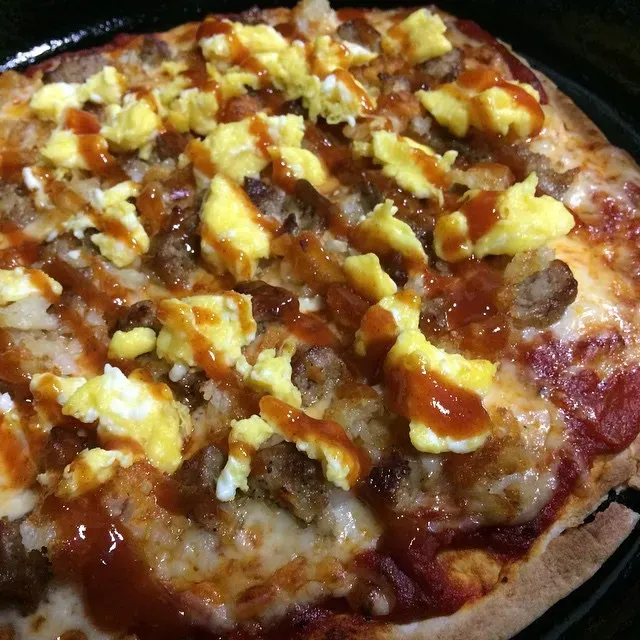
Curry Pizza represents where the vibrant spices of India meet the rustic charm of an Italian pizzeria. Pizza has always been a welcoming canvas for global flavors, but curry pizza takes things to another level entirely. Rich, aromatic curry sauce replaces traditional tomato base, topped with paneer, chicken tikka, or vegetables, all finished with fresh cilantro and perhaps a drizzle of cooling raita.
The most popular cuisines that consumers are interested in pairing with British formats include Chinese, Italian, Indian and American. Indian flavors have that depth and complexity that translates beautifully to pizza format, creating something that feels both exotic and comfortingly familiar.
Japanese-Italian Fusion: Unexpected Soul Mates

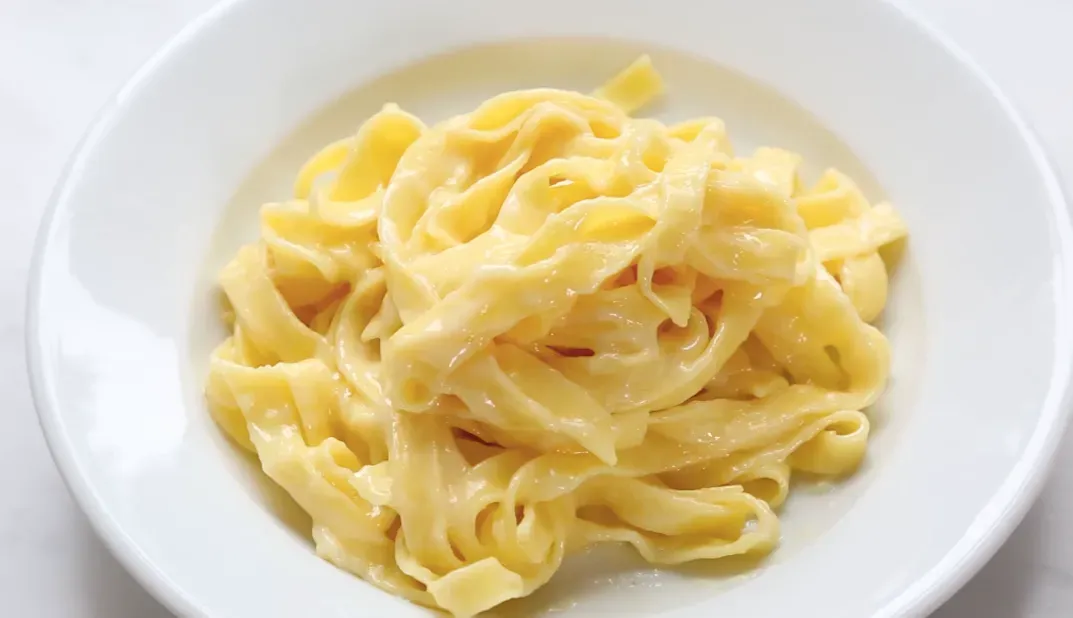
Angelina restaurant in London’s Dalston neighborhood brings Italy and Japan together with boldness and creativity, with the menu following a structure inspired by the Japanese kaiseki tradition focused on seasonal ingredients, while incorporating sections for antipasti and pasta. Think miso-butter pasta, or risotto finished with dashi and topped with crispy nori. Soy-marinated ribeye served alongside polenta.
Both cuisines share a reverence for seasonal ingredients and precise technique, which makes their fusion feel natural rather than forced. Data shows 68% of 2024’s Michelin-starred newcomers feature hybrid taste profiles. The best Japanese-Italian fusion respects the soul of both traditions while finding those unexpected flavor bridges that make you wonder why no one thought of it sooner.
Butter Chicken Poutine: Canada Gets Spicy

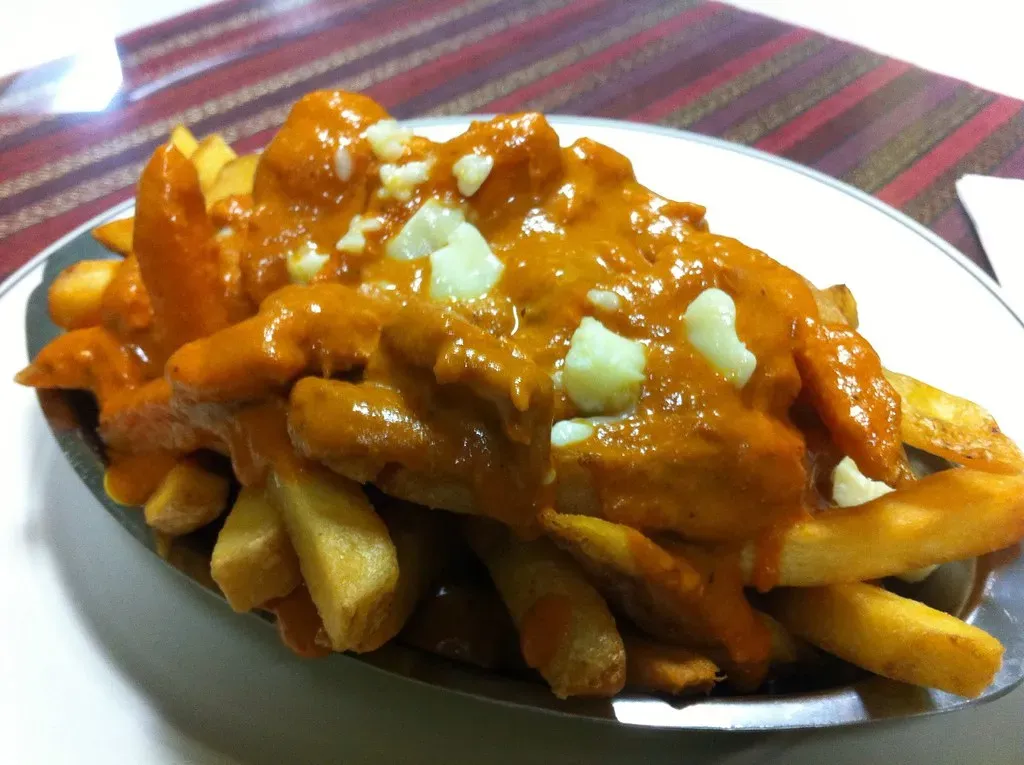
Canadian poutine – that glorious mess of fries, gravy, and cheese curds – has become a fusion playground. Butter chicken poutine takes the rich, tomato-cream based Indian curry and pours it over crispy fries and squeaky cheese curds. The result is indulgent, comforting, and unexpectedly harmonious. The mild sweetness of butter chicken sauce complements the salty fries, while those cheese curds add textural interest and richness.
Restaurants blending Thai and Mexican techniques see 22% higher customer retention than traditional concepts. Fusion dishes like butter chicken poutine aren’t just novelties. They’re building loyal followings precisely because they deliver genuine flavor innovation that keeps people coming back. The best fusion respects its source ingredients while fearlessly creating something new.
Fusion cuisine isn’t about diluting traditions or disrespecting culinary heritage. It’s about celebration and evolution. Gen Z, the most diverse generation in U.S. history, is the driving force behind the growth of global fusion foods, with 22 percent of Gen Zers having at least one immigrant parent and unlimited access to the world through social media, giving this generation more exposure to dynamic cultures that has influenced everything from fashion to food. These dishes tell stories of migration, innovation, and the beautiful chaos that happens when cultures collide. Every bite is a reminder that the best things in life often come from unexpected combinations. What fusion dish has surprised you the most? Tell us in the comments.
Partner offer
Planning a trip to Vegas?
Compare hotel rates and show tickets on VEGAS.com.