AI Will Force Artists to Define What Human Music Really Means

Let’s be honest, artificial intelligence is not just knocking on the music industry’s door anymore – it’s already inside, rearranging the furniture. AI was the dominating trend in the music business in 2025, and nothing else comes particularly close, according to The Hollywood Reporter. Reports from streaming service Deezer showed that 10,000 fully AI generated songs per day were being delivered to its service in January 2025, jumping to 20,000 by April, 30,000 by September, and reaching 50,000 per day by late 2025. That’s not a typo. In November 2025, ‘Walk My Walk’ by Breaking Rust became the first AI-generated song to hit No. 1 on Billboard’s Country Digital Song Sales chart, achieving over three million streams on Spotify in less than a month. What’s fascinating is the industry response. There’s a cultural rebound for “obviously human” recordings and performances, with many artists leaning harder into unmistakably human elements – real instruments, imperfect moments, and “raw” creativity as a differentiator.
Vinyl’s Nostalgia Trip Shows No Signs of Stopping
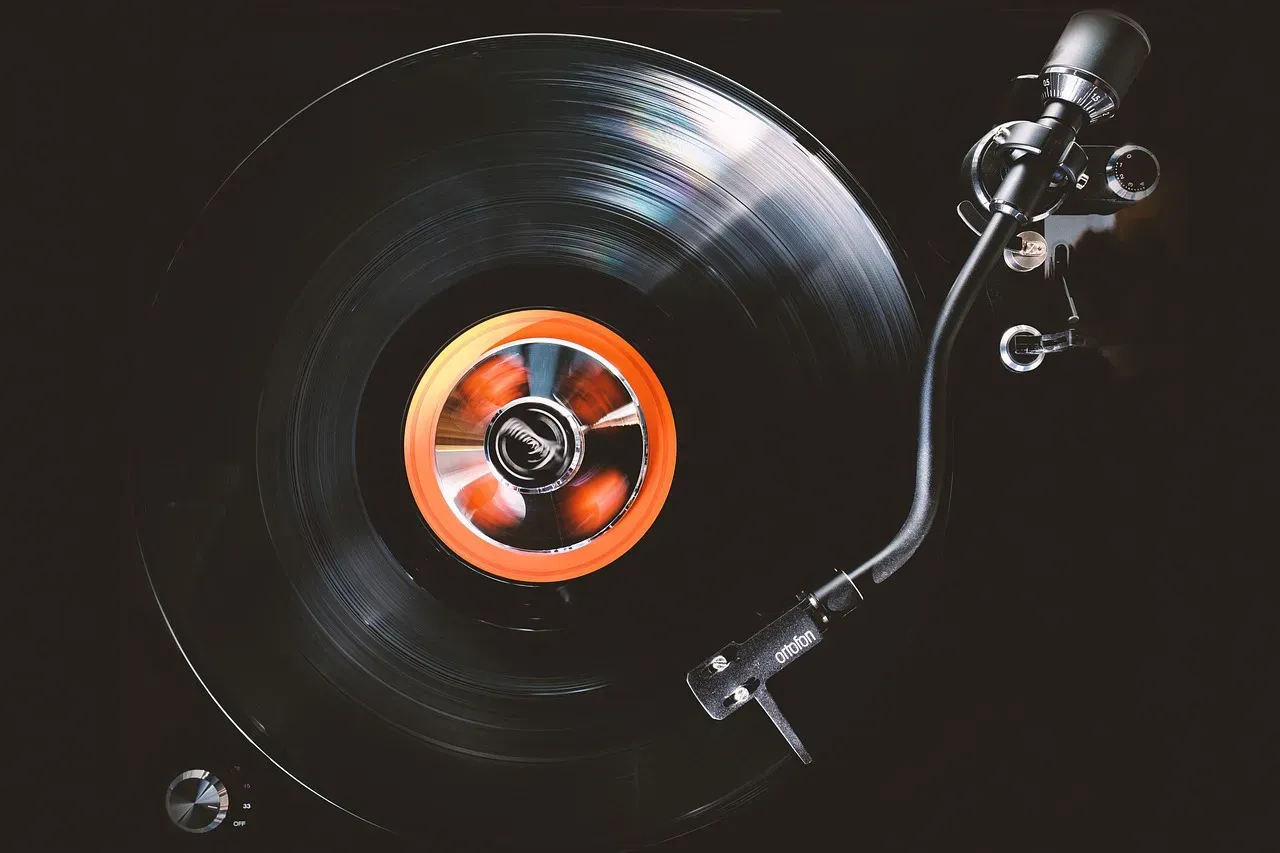
Vinyl posted its 18th straight year of growth in 2024, scoring nearly three-quarters of physical format revenue at $1.4 billion – its highest since 1984, with LP sales of 44 million records outpacing CD sales of 33 million compact discs. Think about that for a second. In an era where you can access literally any song with a voice command, people are deliberately choosing to buy heavy, fragile discs that require special equipment. Cassette tapes and CD players are now becoming a stronger cultural statement, as younger listeners are looking for tactile, intentional listening experiences that contrast with algorithm-driven streaming. It’s not just about the music, honestly. U.S. vinyl sales increased for the 19th consecutive year in 2025, growing by 8.6% to 47.9 million units, demonstrating that this isn’t just a fad but a sustained cultural shift. Collectors increasingly value physical objects that hold emotional meaning, and vinyl provides exactly that tangible connection that digital files simply can’t replicate.
Rock Music is Having Its Main Character Moment Again
Rock enjoyed a surge in 2025 thanks to acts like Sleep Token and Ghost, who managed to put rock atop Billboard’s 200 albums chart in back-to-back weeks for the first time in years. The genre hasn’t had this kind of mainstream currency since the late nineties, but things are changing fast. Nu metal bounced back in 2025, with bands like Deftones, Limp Bizkit, and Korn finding a whole new audience on TikTok – they’re not just nostalgia acts, they’re bigger than ever. The average length of UK number ones dropped from 4:16 minutes in 1998 to 3:03 minutes in 2019, but this trend may reverse as rock’s big return could push songs to get longer again. What’s driving this? Partly it’s cultural fatigue with overproduced pop perfection.
Fan Creativity Will Transform Listeners into Co-Creators
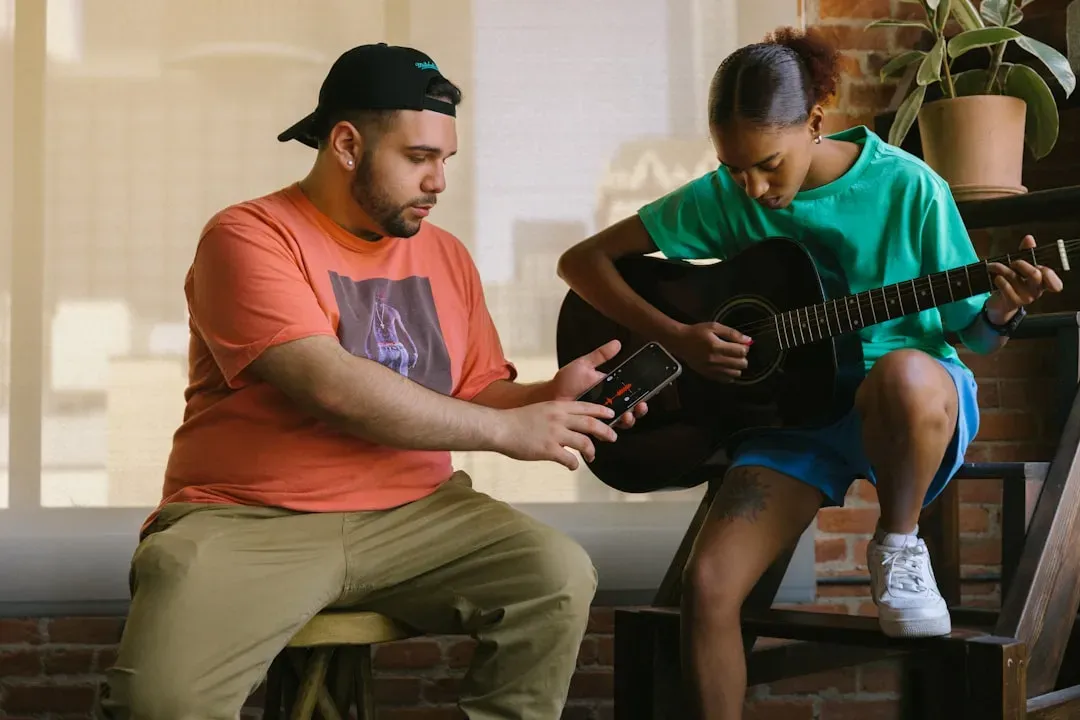
Fan creativity is integral to modern music culture – from remixes to audio memes – and in 2026, music will go from a spectator sport to a full-contact sport, according to Rolling Stone. As remixes, edits, sped-up versions, and fan-made variations invite listeners into the creative process, platforms that allow fans to safely and legally interact with songs can extend lifecycles, build stronger communities, and open new paths to discovery. This isn’t just about people making TikTok videos with trending audio anymore. Artists will look for new ways to integrate fans in their workflow, making the music creation process part of the overall fan experience and turning consumers into “co-sumers”. Here’s the thing – the lines between fan, musical artist and content creator are blurring as creatives choose to be all three. Streaming platforms are already adapting to this shift, recognizing that engagement matters more than passive listening.
Afrobeats and Global Sounds Will Dominate Charts Worldwide

African music reigned supreme among new genres on production platforms in 2025, with an eightfold increase in samples downloaded from genres like afro house, amapiano and afrobeats. Industry analysts are betting big on this trend continuing. The ascendant generation of African superstars – like Tyla, Wizkid, Amaarae, Davido, Tems, and Burna Boy – have gained massive popularity on the continent, and in 2026, an African artist is expected to break through and drive one of the most-streamed songs of the year. Latin music is booming too. Reggaeton-influenced “Latin trap” music will be a mainstay in 2026 with many producers from both genres looking for creative ways to fuse the two. Most countries in Europe are consuming more local repertoire, and while foreign-language global superstars like BTS will probably remain the exception, local stars will become more dominant. Honestly, it’s about time.
Nostalgia for Millennial-Era Pop Will Reshape Mainstream Sound
“Nostalgia is making its way back into the music world – and this applies to any genre – but lots of nods to that millennial era pop,” says Karen Pettyjohn, head of U.S. programming at Amazon Music. Groups are something we’re going to see again more frequently in the pop space – Netflix released two competition shows in 2025, “Simon Cowell: The Next Act” and “Building the Band,” both focused on creating the next music group sensation, while K-pop influenced girl group Katseye earned two Grammy nominations and a spot as TikTok’s Global Artist of the Year. The appetite for those glossy, carefully choreographed acts is real and growing. I think we’re seeing this because people who grew up with NSYNC and Destiny’s Child are now the ones with disposable income and cultural influence. It’s also a reaction against the endless stream of solo bedroom producers. The continued rise of nostalgic music formats is clear in 2026, as vinyl has paved the way, but cassette tapes and CD players are now becoming stronger cultural statements, with younger listeners looking for tactile, intentional listening experiences. This longing for the past isn’t just sentimental – it’s strategic.
Streaming Growth is Slowing, Forcing New Revenue Models

Streaming revenue grew by a more modest 6.2% in 2024 compared to 10.3% in 2023, with the contribution of streaming to overall industry growth falling to 58.5%, down from 64.6% in 2023 – the much-anticipated streaming revenue deceleration has now arrived. Streaming subscription growth hit the 100 million mark in the US for the first time in 2024, but it was up just 4 million for the year, continuing a slowing trend over the past five years – streaming numbers grew by nearly 9 million between 2020 and 2021. This has led music companies to desperately seek other sources of growth. Industry attention is turning to super-premium tiers and new monetisation models to re-ignite growth. Platforms will continue moving toward features that measure how fans connect with artists – not just how often a song is played, reflecting a bigger industry truth that superfans matter more than passive listeners. The days of pure streaming growth carrying the entire industry are over. What comes next is anyone’s guess, but the smart money is on finding ways to make dedicated fans pay more for exclusive experiences rather than chasing casual listeners.