


Walk into almost any American high school English classroom and you’ll find a familiar shelf of titles. Many of them have been there for decades. Teachers, librarians, and literacy researchers keep asking whether the shelf still reflects the students sitting in front of it.
The six novels below come up often in those discussions. Each one has been taught, defended, or recommended by educators for specific reasons, from historical context to language craft to the simple fact that teenagers actually finish them.
The House on Mango Street by Sandra Cisneros

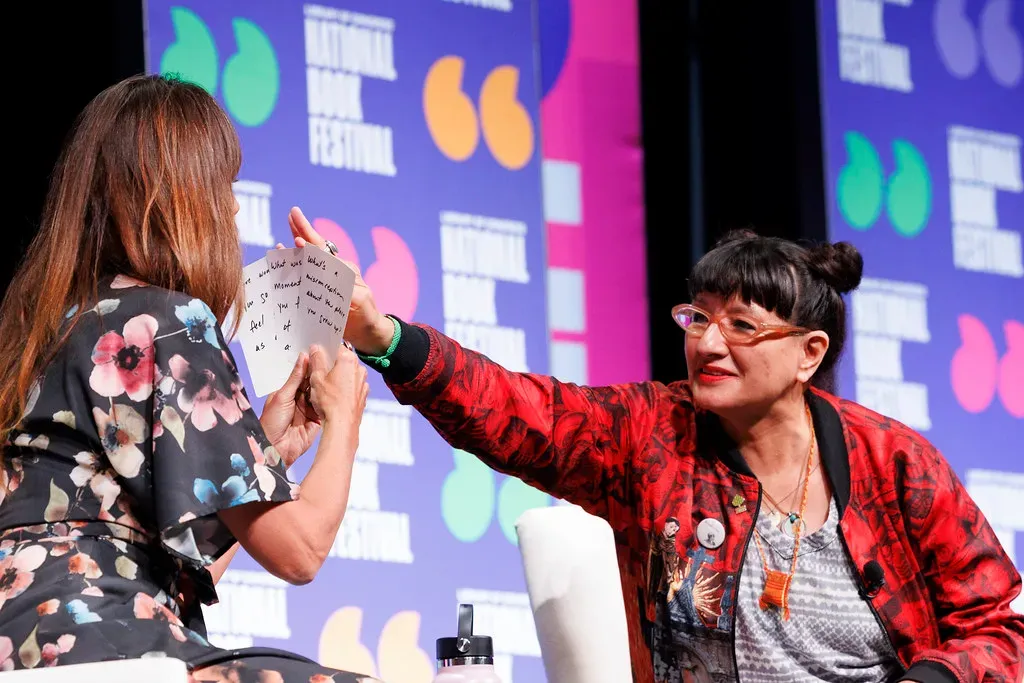
Published in 1984, this short book is told in vignettes by Esperanza, a young Latina girl growing up in Chicago. Its brevity is part of the appeal, since a single chapter can fit inside one class period. Teachers often use it to introduce students to voice, imagery, and the idea that a novel doesn’t have to follow a traditional plot.
It’s also a book that tends to show up in debates about representation in the curriculum. Educators who favor it usually point out that students are more engaged when they see their own neighborhoods and families on the page. Readers who have never lived that experience gain a window into it.
Beloved by Toni Morrison

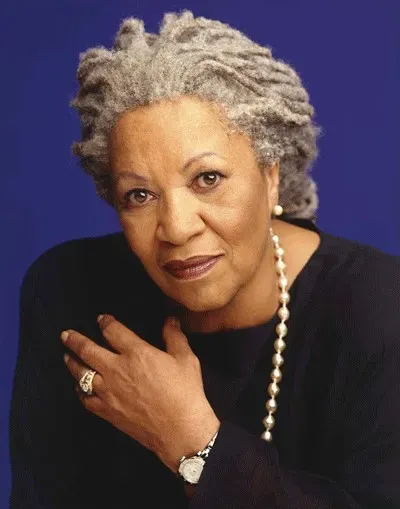
Morrison’s 1987 novel, set after the Civil War, deals with the lasting damage of slavery. It’s demanding, and nobody pretends otherwise. Advanced Placement literature teachers have long included it, and it won the Pulitzer Prize for Fiction in 1988.
Supporters argue that its difficulty is the point. The fractured timeline and haunting narration push older students to read slowly and argue about meaning. Morrison later received the Nobel Prize in Literature in 1993, which adds to the case that it belongs among the central American novels.
The Hate U Give by Angie Thomas


This 2017 young adult novel follows sixteen-year-old Starr Carter after she witnesses a police shooting of her friend. It became a bestseller and was adapted into a 2018 film. Many teachers like it because it speaks to current events in language teenagers recognize.
It has also been among the most frequently challenged books in recent years, according to the American Library Association. Educators who defend it say that tension is exactly why it works as a classroom text. Discussion of a hard subject, they argue, is better with a guide than without one.
Partner offer

Their Eyes Were Watching God by Zora Neale Hurston
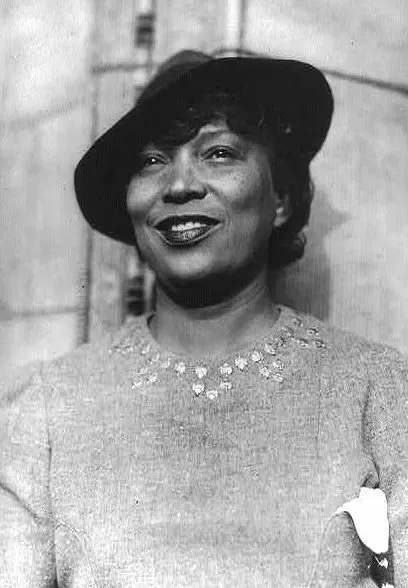
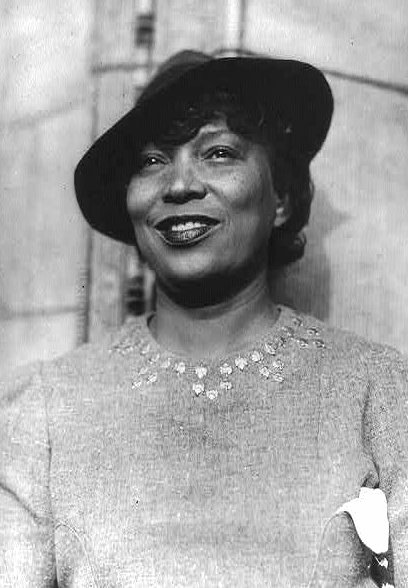
Hurston’s 1937 novel traces Janie Crawford’s search for independence and identity in early twentieth century Florida. Its use of dialect and lyrical description gives teachers plenty to work with on style. It was out of favor for years before Alice Walker and other writers helped bring it back to attention in the 1970s.
Today it’s a staple in many courses on American and African American literature. Teachers often pair it with texts from the Harlem Renaissance to give students a wider picture of the period. Its central question, how a person defines a self-directed life, doesn’t feel dated.
Station Eleven by Emily St. John Mandel

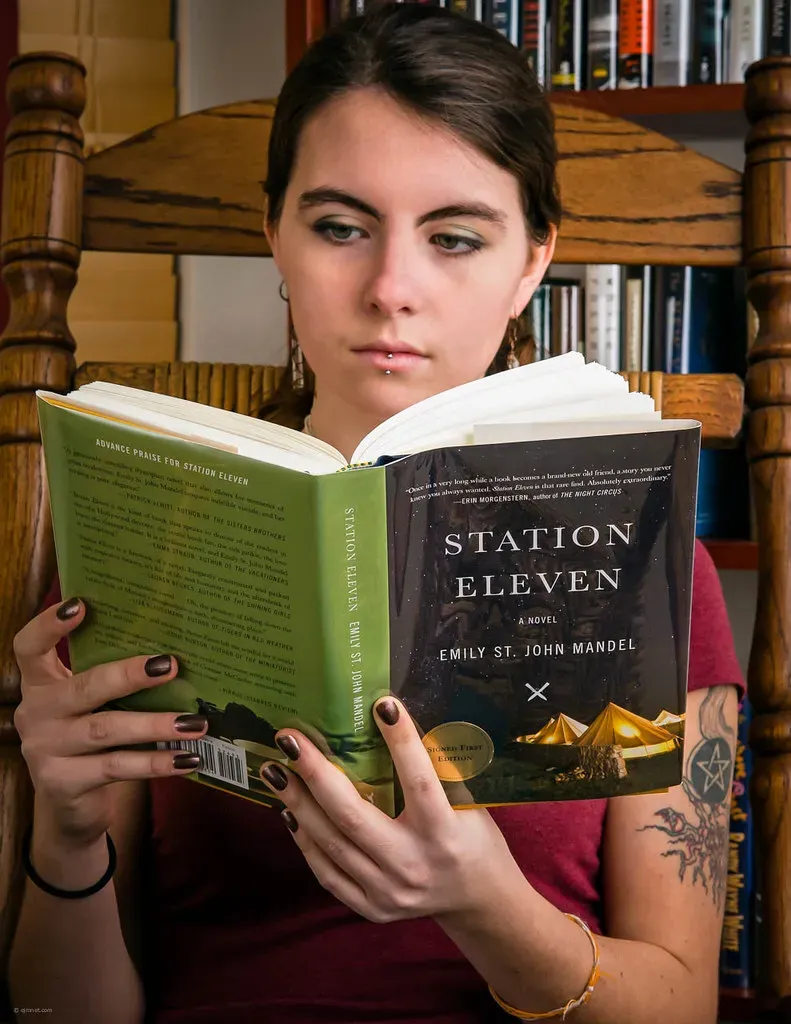
Published in 2014, this novel imagines the world after a devastating flu pandemic and follows a traveling Shakespeare company. It gained new attention after 2020, and many educators found it a natural fit for classroom conversations about community and what art is for. HBO Max adapted it into a limited series in 2021.
Because it’s contemporary and fast moving, teachers say it can reach students who find older classics a slog. It also opens up links to science, history, and ethics. As a bridge between genre fiction and literary fiction, it earns its place on a list.
Born a Crime by Trevor Noah


Strictly speaking, this 2016 book is a memoir rather than a novel, and it’s worth being upfront about that. Still, it appears on many modern reading lists alongside fiction, and a number of educators use it in the same way. Noah recounts growing up in South Africa under apartheid as the child of a Black mother and a white father.
Teachers value it for its humor and clear prose, which make heavy history approachable. A young adult edition was released to suit middle and high school readers. Students get a firsthand look at how laws shape daily life, told by someone who lived it.
Taken together, these six titles show how teachers are widening the idea of what counts as essential reading, mixing older landmarks with newer voices.
Partner offer
Planning a trip to Vegas?
Compare hotel rates and show tickets on VEGAS.com.

