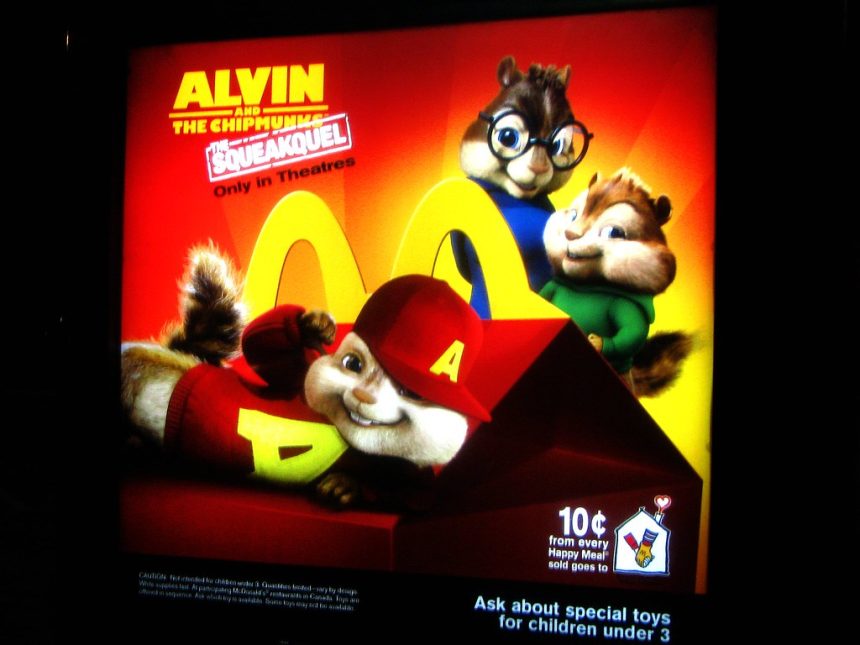
For a lot of kids in , Saturday started early and in front of a television. Cereal bowls sat on the carpet, and the networks competed for attention with a rotating lineup of animated shows. The decade produced some of the most recognizable characters in animation history.
Many of these shows were closely tied to toy lines, which shaped how they were made and sold. Others grew from comics, older properties, or European books. Here are nine that defined the era.
The Smurfs

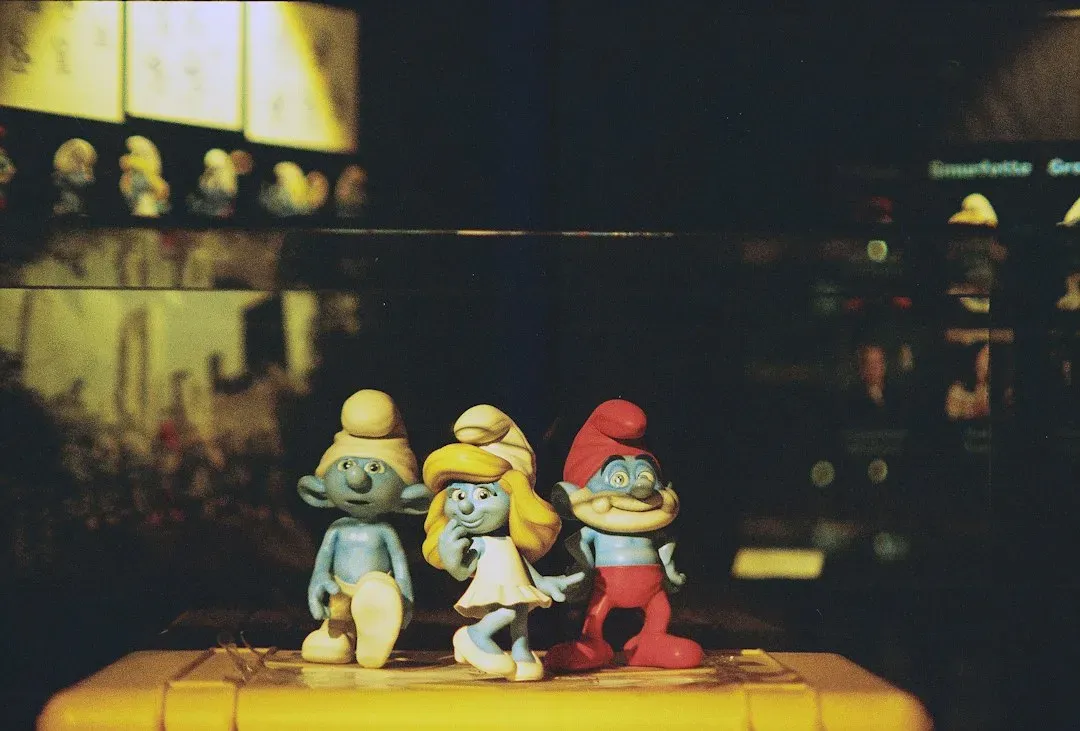
The Smurfs began on NBC in 1981, produced by Hanna-Barbera. The show was based on the Belgian comic creation of Peyo, who first introduced the little blue characters in the late 1950s. It became a fixture of the network’s Saturday morning schedule.
The series ran for nine seasons, ending in 1989. Its gentle stories about village life and the villain Gargamel made it a household favorite. Merchandise, including small figurines, spread widely during those years.
He-Man and the Masters of the Universe

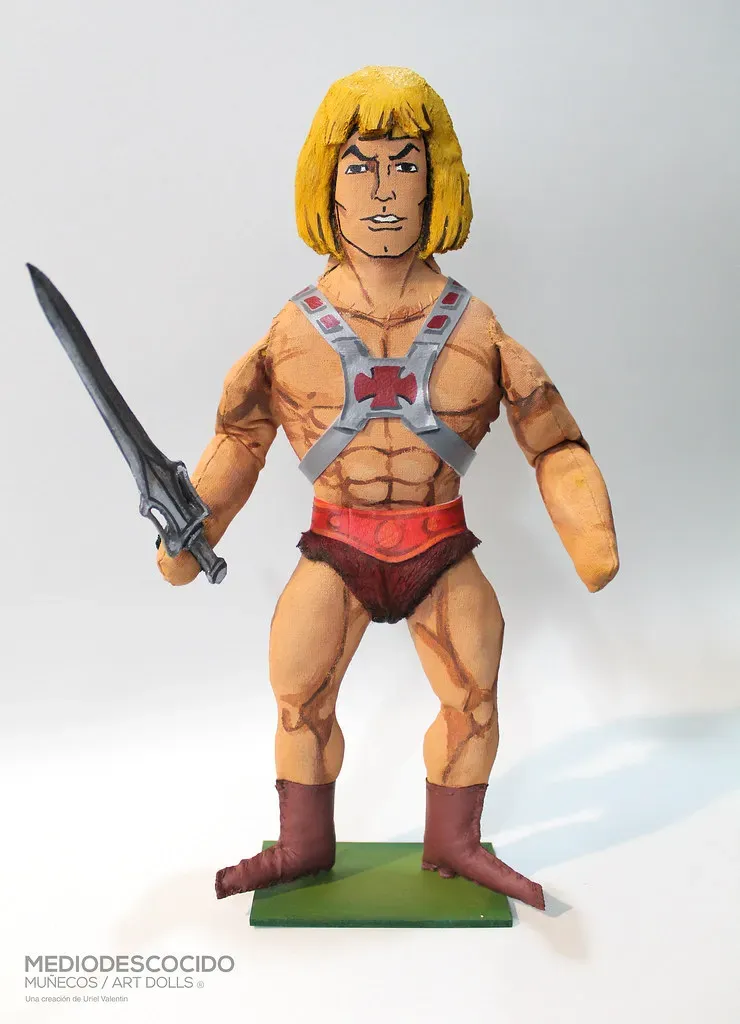
This series debuted in syndication in 1983 and was produced by Filmation. It was built alongside a Mattel toy line, which was a major reason the show existed. Prince Adam, who transforms into He-Man, defends Eternia from Skeletor.
The show ran for two seasons and produced a large number of episodes. Each one typically ended with a short moral lesson aimed at young viewers. It also led to a spinoff, She-Ra: Princess of Power, in 1985.
Thundercats

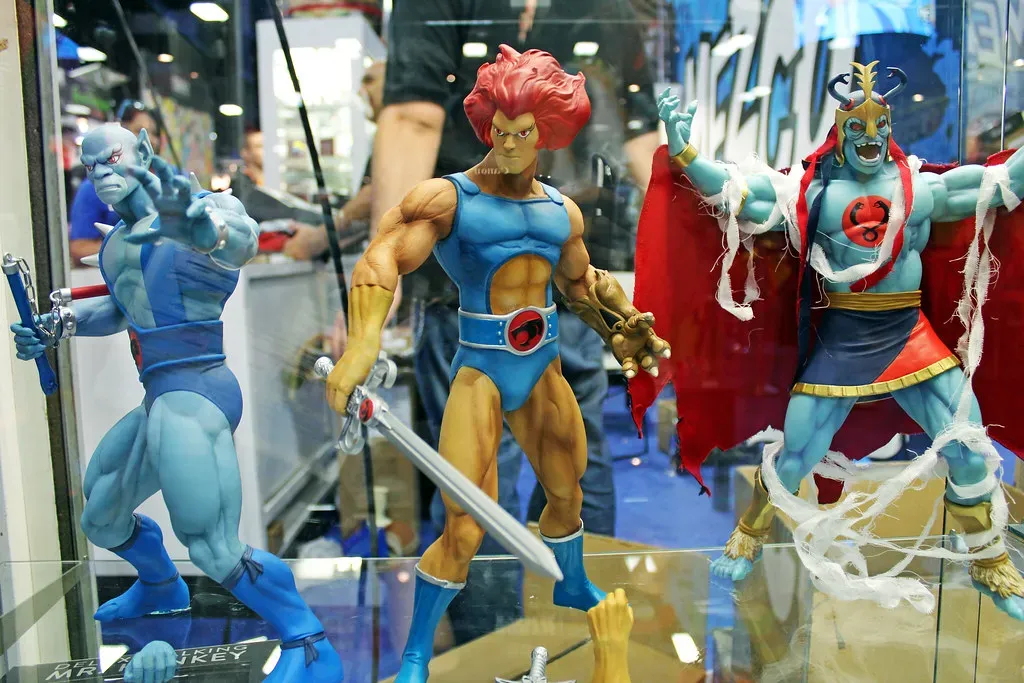
Thundercats premiered in 1985 and followed feline humanoids who escaped their dying planet Thundera. Rankin/Bass produced it, with animation work done largely in Japan. Lion-O, the young lord of the group, faced the mummy sorcerer Mumm-Ra.
The show also had a toy line from LJN. Its mix of fantasy and science fiction felt a bit darker than many peers. It remains one of the best remembered action cartoons of the decade.
Teenage Mutant Ninja Turtles

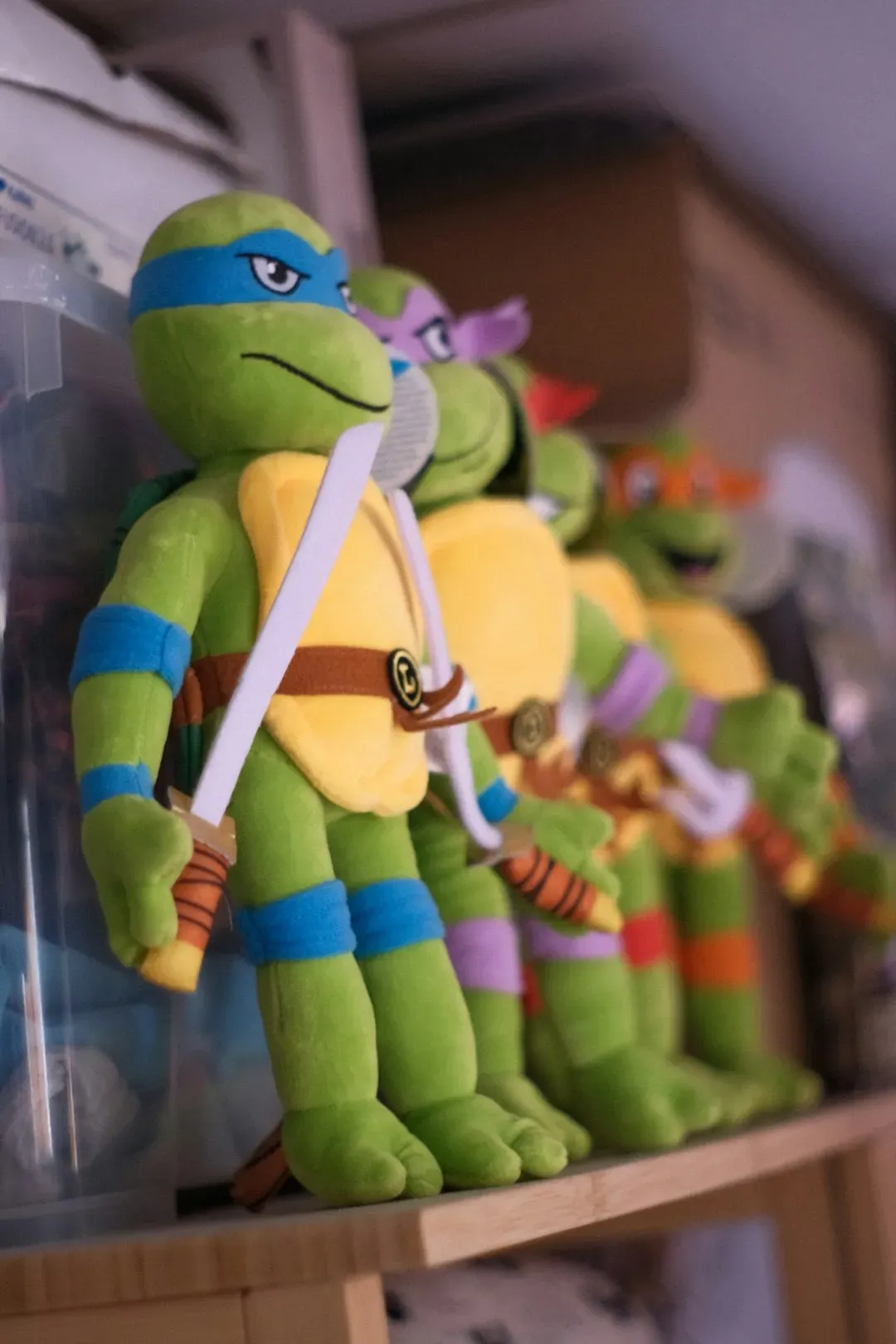
The 1987 animated series was adapted from the independent comic by Kevin Eastman and Peter Laird. The comic was far grittier, so the cartoon softened the tone considerably. Leonardo, Donatello, Raphael and Michelangelo fought Shredder and the Foot Clan.
It started as a short run in syndication and then expanded into a long-running series. Playmates Toys launched action figures in 1988, which helped the franchise explode. The show ultimately ran into the 1990s.
Partner offer

Transformers

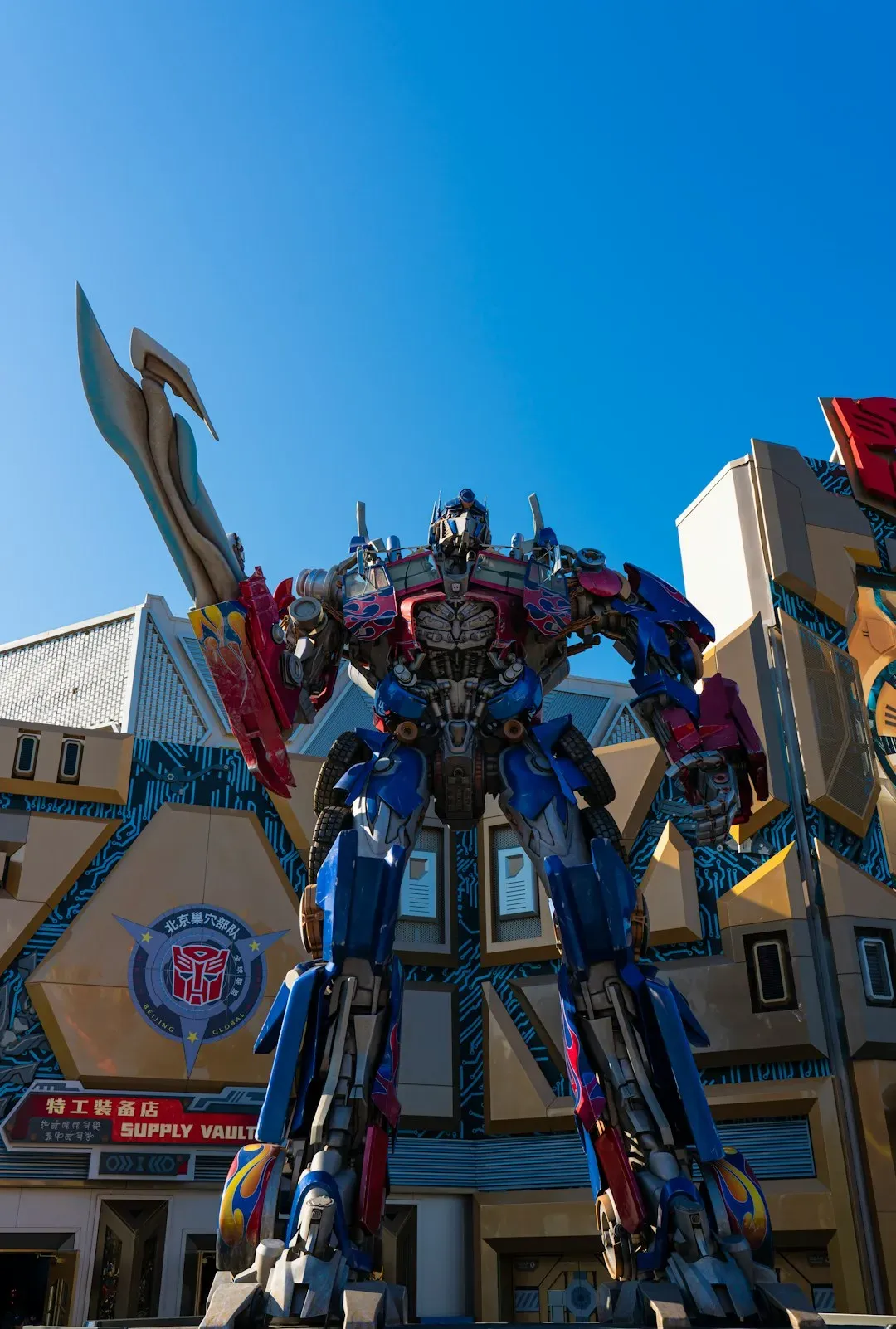
The Transformers cartoon launched in 1984, tied to Hasbro’s toys that were adapted from Japanese lines. The story centered on the heroic Autobots, led by Optimus Prime, and the villainous Decepticons, led by Megatron. Sunbow Productions and Marvel handled production.
An animated feature film arrived in 1986. It is remembered for the death of Optimus Prime, which surprised many young fans. The franchise has continued in various forms ever since.
G.I. Joe: A Real American Hero

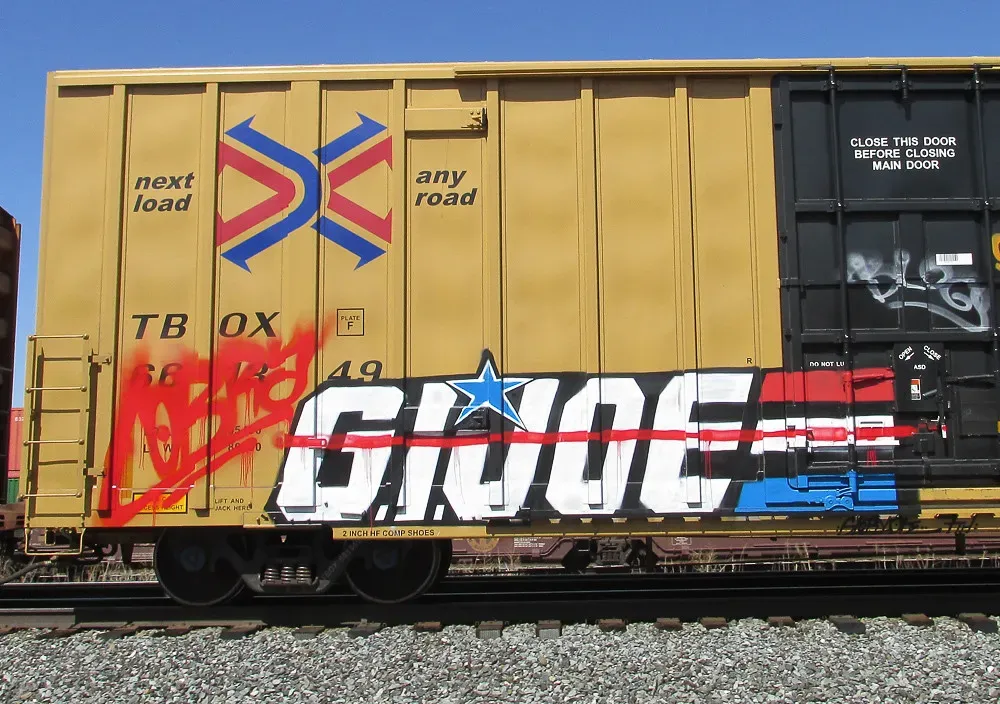
G.I. Joe came to television in the mid 1980s, again through Sunbow and Marvel, supporting Hasbro’s revived toy line. It pitted an elite team against the terrorist organization Cobra. The show was known for large casts and many colorful characters.
Its short public service announcements at the end of episodes became a cultural joke later on. They taught kids simple safety lessons. Even so, the series left a real mark on how toy based animation was marketed.
The Real Ghostbusters

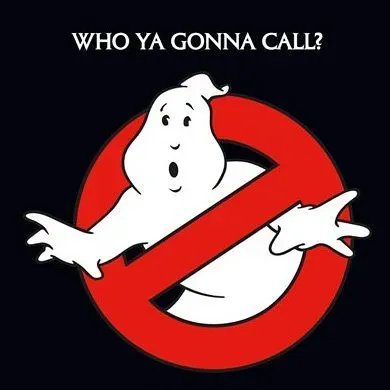
The Real Ghostbusters debuted on ABC in 1986, following the success of the 1984 film. Produced by DiC and Columbia Pictures Television, it continued the adventures of the paranormal team in animated form. Its writing was often a bit sharper than typical children’s fare.
The show was renamed Slimer! and The Real Ghostbusters later in its run. It continued into the early 1990s. Its design and humor kept an audience beyond just kids.
Scooby-Doo and Scrappy-Doo

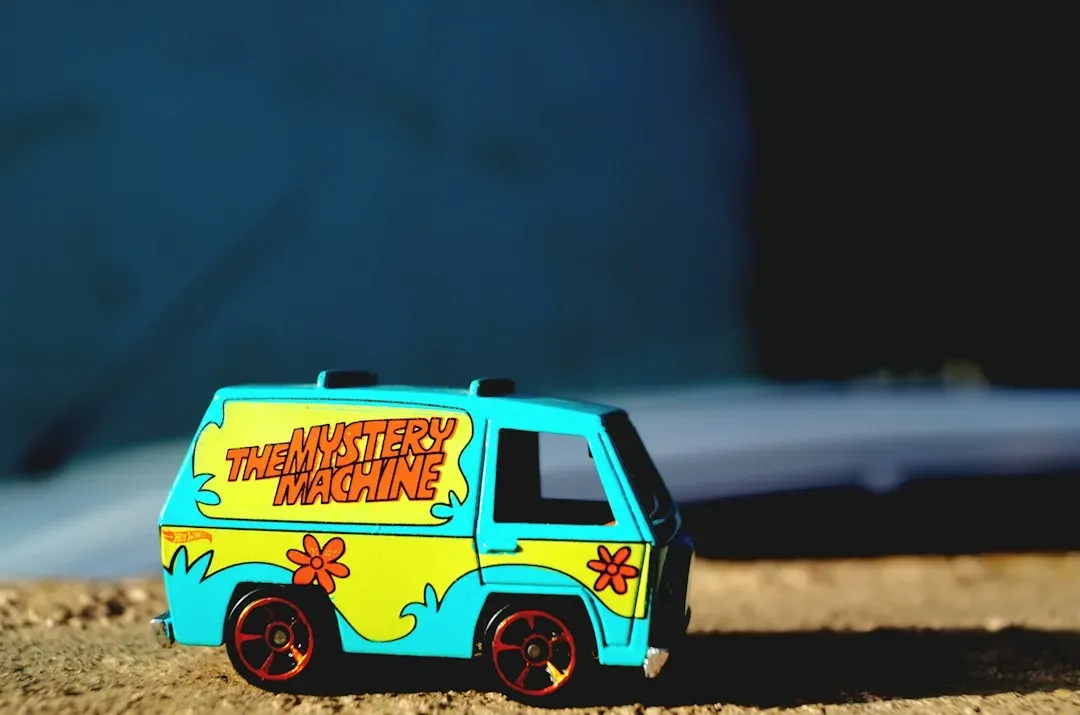
Scooby-Doo was already well known from the 1960s and 1970s, yet the franchise continued into . In 1980, Hanna-Barbera relaunched it with the addition of Scrappy-Doo, Scooby’s feisty nephew. Later series in the decade included The New Scooby and Scrappy-Doo Show.
Scrappy was divisive among fans, and the addition remains debated. The 1988 series A Pup Named Scooby-Doo then reimagined the characters as children. It shows how the franchise kept adapting to new audiences.
Alvin and the Chipmunks

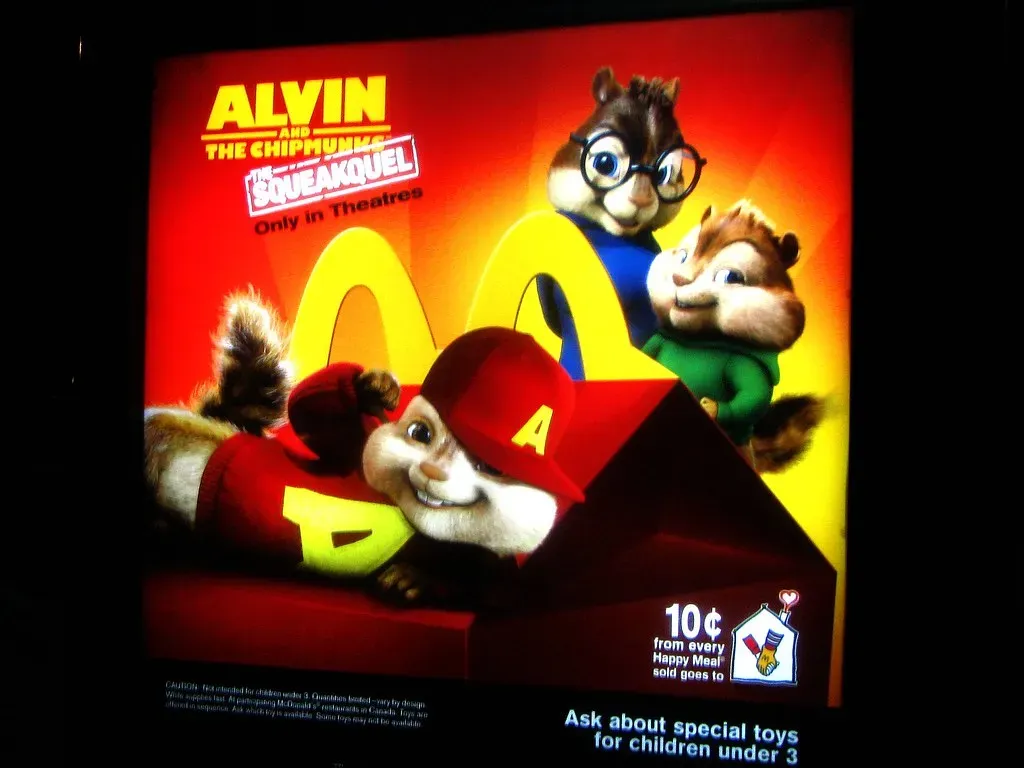
The 1983 series Alvin and the Chipmunks was created by Ruby-Spears Productions, reviving the singing trio first made by Ross Bagdasarian Sr. in 1958. It aired on NBC and mixed comedy with pop music. Ross Bagdasarian Jr. and Janice Karman carried the property forward.
The show became a Saturday staple for several years. Its songs gave it a different feel from the action driven cartoons around it. Later incarnations followed, but version remains the one many viewers recall.
Partner offer
Planning a trip to Vegas?
Compare hotel rates and show tickets on VEGAS.com.