Every school curriculum has its usual suspects. The same handful of titles get passed down year after year, while equally powerful books sit quietly on shelves, overlooked simply because they never made it into the canon. Some of these novels tackle history with more nuance than textbooks ever could, others illuminate corners of human experience that mainstream reading lists tend to skip entirely.
What follows isn’t a list of obscure or difficult reads. These are accessible, well-crafted novels that happen to teach empathy, critical thinking, and historical awareness in ways that stick with readers long after the final page. They deserve a spot in classrooms, not just personal libraries.
1. Fahrenheit 451 by Ray Bradbury

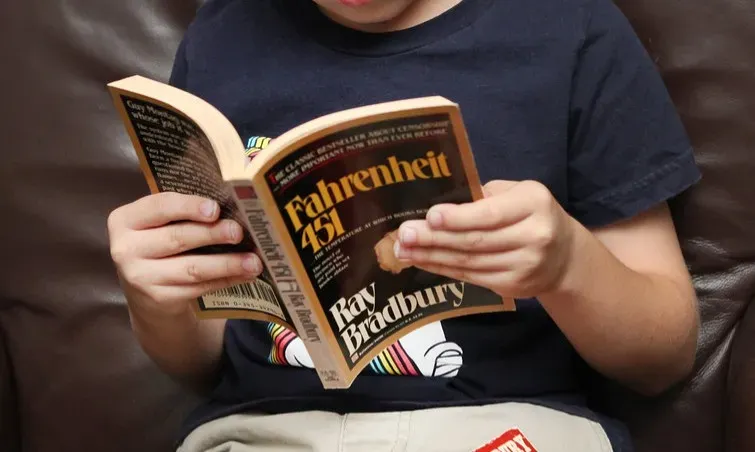
Bradbury wrote this novel in the early 1950s, partly as a response to McCarthyism and the growing anxieties around censorship and television’s influence on public thought. It imagines a future where books are illegal and firemen burn them rather than put out fires, a premise that feels less like science fiction and more like a warning with each passing decade. The book’s central question, what happens to a society that stops reading deeply, has only grown more relevant as attention spans shrink and misinformation spreads faster than ever.
Many schools do teach Fahrenheit 451, but it’s often taught narrowly, focused only on censorship rather than its broader commentary on media consumption and intellectual passivity. Students rarely get to unpack how Bradbury predicted wall-sized screens and shallow entertainment decades before smartphones existed. That gap between what the book offers and how it’s usually presented is exactly why it belongs in a wider, more thoughtful curriculum.
2. The Brief Wondrous Life of Oscar Wao by Junot Díaz


Published in 2007 and awarded the Pulitzer Prize for Fiction, this novel blends Dominican history, immigrant experience, and pop culture references into a voice that feels genuinely fresh. It traces a family curse rooted in the brutal Trujillo dictatorship while following an awkward, comic book obsessed young man trying to find love in New Jersey. Díaz weaves footnotes about Dominican political history directly into the narrative, making the book function as both a personal story and an accessible history lesson.
Despite its critical acclaim, the novel rarely appears on standard high school or even college reading lists, partly due to its frank language and sexual content. Yet that same rawness is what makes it resonate with younger readers who are tired of sanitized narratives about immigration and identity. Few books manage to make readers laugh and then hit them with the weight of dictatorship era trauma within the same chapter.
3. The Kite Runner by Khaled Hosseini


Hosseini’s 2003 debut follows a friendship between two boys in Kabul before the Soviet invasion and Taliban rule reshape their country and their lives. It offers Western readers a rare, intimate look at Afghan culture and history from someone who actually lived it, rather than through the lens of news coverage or geopolitics. The novel deals honestly with betrayal, guilt, and the long road toward redemption, themes that resonate regardless of a reader’s background.
Partner offer

The book did find its way into some classrooms after its massive commercial success, selling millions of copies worldwide. Still, it’s frequently pulled from lists due to a difficult scene involving sexual violence, which overshadows the broader value of the story in curriculum discussions. That’s a shame, because few novels do as much to humanize a country that most students only encounter through headlines about war.
4. Beloved by Toni Morrison
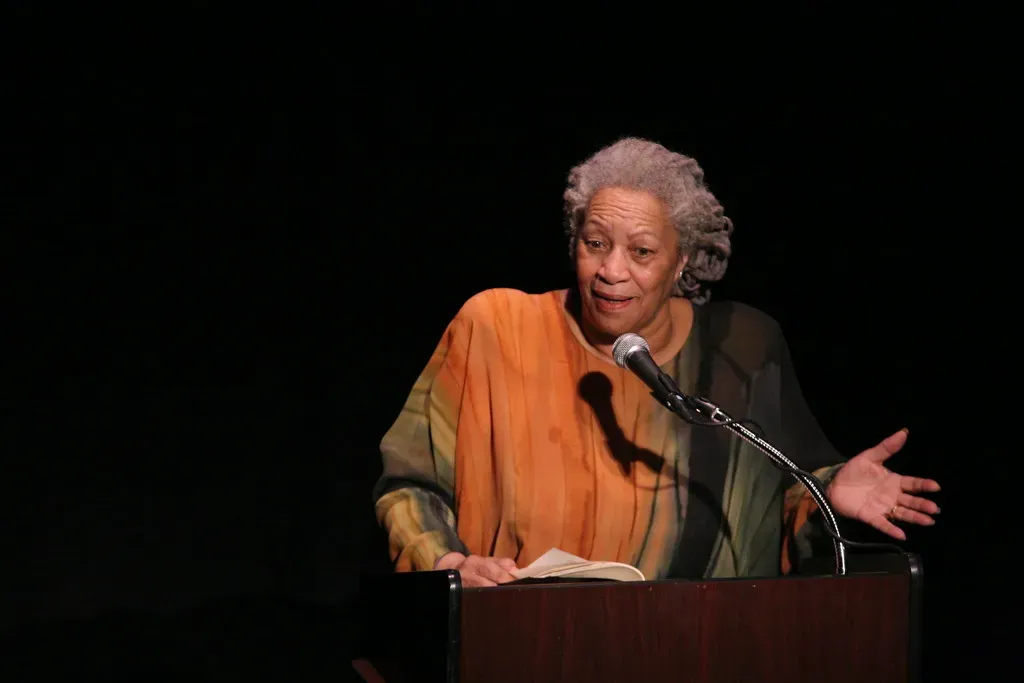
Morrison’s 1987 novel, which won the Pulitzer Prize and later contributed to her Nobel Prize in Literature, confronts the psychological aftermath of slavery through the story of a formerly enslaved woman haunted, literally, by her past. It’s inspired by the real historical case of Margaret Garner, a woman who killed her own child rather than see her returned to slavery. The novel doesn’t offer easy answers or comfortable resolutions, which is exactly why it works as serious literature rather than a simplified history lesson.
Beloved does appear on some AP English lists, but it remains one of the most frequently challenged books in American schools according to the American Library Association, often removed over its graphic content. That tension between its literary importance and its controversy keeps it out of many required reading lists altogether. Few novels force readers to sit with the emotional reality of slavery the way Morrison does, and that discomfort is precisely the point.
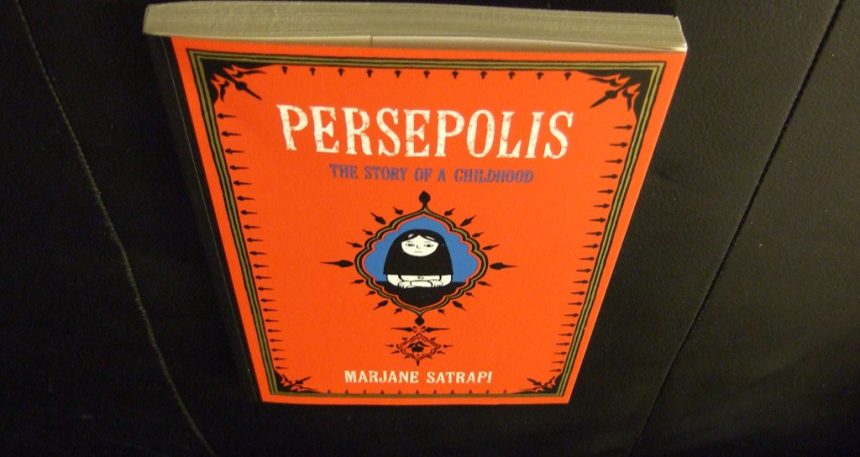
5. Persepolis by Marjane Satrapi

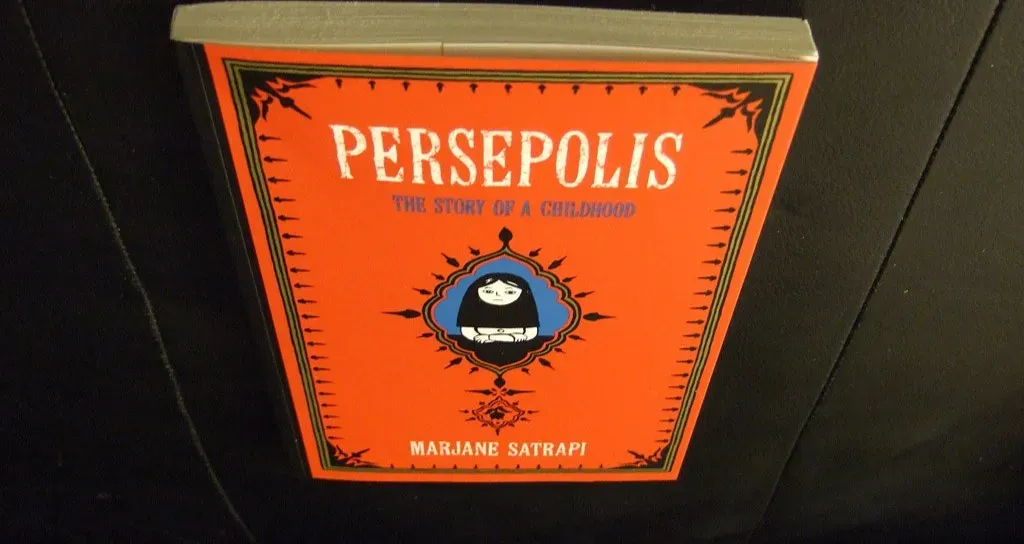
This graphic memoir, published in two parts in the early 2000s, tells Satrapi’s own childhood story growing up during the Iranian Revolution and the subsequent war with Iraq. The black and white illustrations make heavy historical material approachable, especially for reluctant readers who might shy away from dense prose. It offers a rare firsthand perspective on a period of Middle Eastern history that most Western students only learn about through brief textbook summaries.
Persepolis has actually been banned or restricted in several American school districts, including a notable 2013 controversy in Chicago Public Schools over a torture scene depicted in the book. That controversy sparked student protests and drew national attention to how selectively history gets taught. The graphic novel format alone makes it a valuable teaching tool, yet its political content keeps it out of many curricula despite its clear educational merit.
6. The Poisonwood Bible by Barbara Kingsolver


Kingsolver’s 1998 novel follows an American missionary family transplanted to the Belgian Congo in 1959, right as the country moves toward independence and political upheaval. Told through the alternating voices of the mother and her four daughters, it examines colonialism, religious zealotry, and cultural arrogance from multiple, often conflicting perspectives. The novel doesn’t just criticize Western intervention in Africa, it lets readers watch how differently each family member processes the same events based on their own biases and blind spots.
It’s a commercially successful and critically respected book, a finalist for the Pulitzer Prize, yet it rarely shows up outside of college level literature courses. Its length and structural complexity likely play a role, since it demands more patience than a typical assigned novel. Still, few books explain the messy legacy of colonialism in Africa with this much nuance, making it a genuine loss for history and literature classes alike.
Partner offer
Planning a trip to Vegas?
Compare hotel rates and show tickets on VEGAS.com.