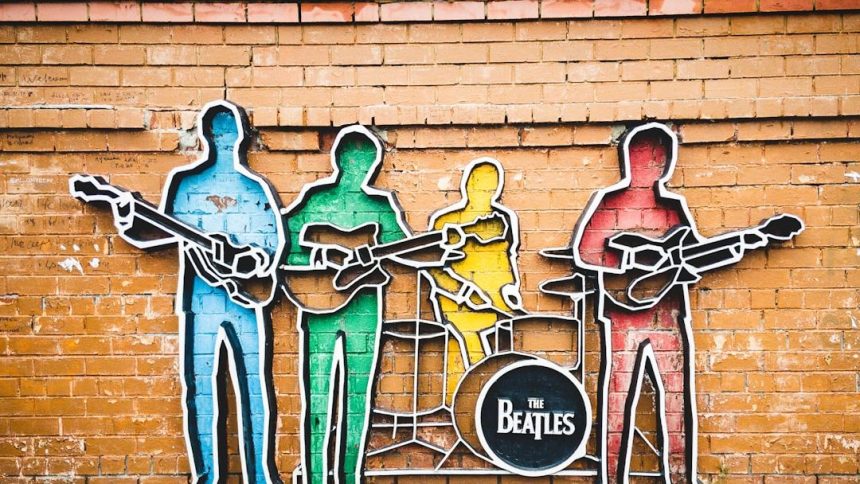
Music history is full of what-ifs. Sometimes the most important albums are the ones we never got to hear. Studios get flooded, artists change their minds, labels pull funding at the last second. These lost recordings sit in vaults for decades, gathering dust while fans wonder what could have been.
Here’s the thing though: some of these albums have actually surfaced. And when they do, they often reveal just how close we came to experiencing something that might have shifted the entire landscape of popular music. Let’s dive into these ghost recordings that almost rewrote the rulebook.
The Beach Boys – “Smile” (1967)

Brian Wilson was supposed to follow up “Pet Sounds” with something even more ambitious. “Smile” was meant to be a psychedelic masterpiece that would blow The Beatles out of the water. Wilson worked obsessively in the studio, layering strange instruments and unconventional sounds into elaborate arrangements.
Mental health struggles and internal band conflicts derailed everything. The project collapsed, and Wilson shelved the tapes.
Bootlegs circulated for decades before Wilson finally released a reconstructed version in 2004. Critics went wild. The original 1967 version, had it dropped on schedule, would have arrived at the peak of the Summer of Love and possibly changed how rock music evolved in the seventies.
Prince – “The Black Album” (1987)

Prince recorded this dark, funk-heavy album in a single week. It was raw, stripped-down, and aggressively sexual. Nothing like the polished pop he’d been releasing. Capitol Records pressed up half a million copies and set a release date.
Then Prince had a spiritual experience and called the whole thing off. He literally tried to destroy every copy.
Naturally, bootlegs leaked everywhere. The official release didn’t happen until 1994, but by then the moment had passed. If it had dropped in 1987 as planned, Prince might have owned the late eighties in a completely different way.
Jimi Hendrix – “First Rays of the New Rising Sun” (1970)

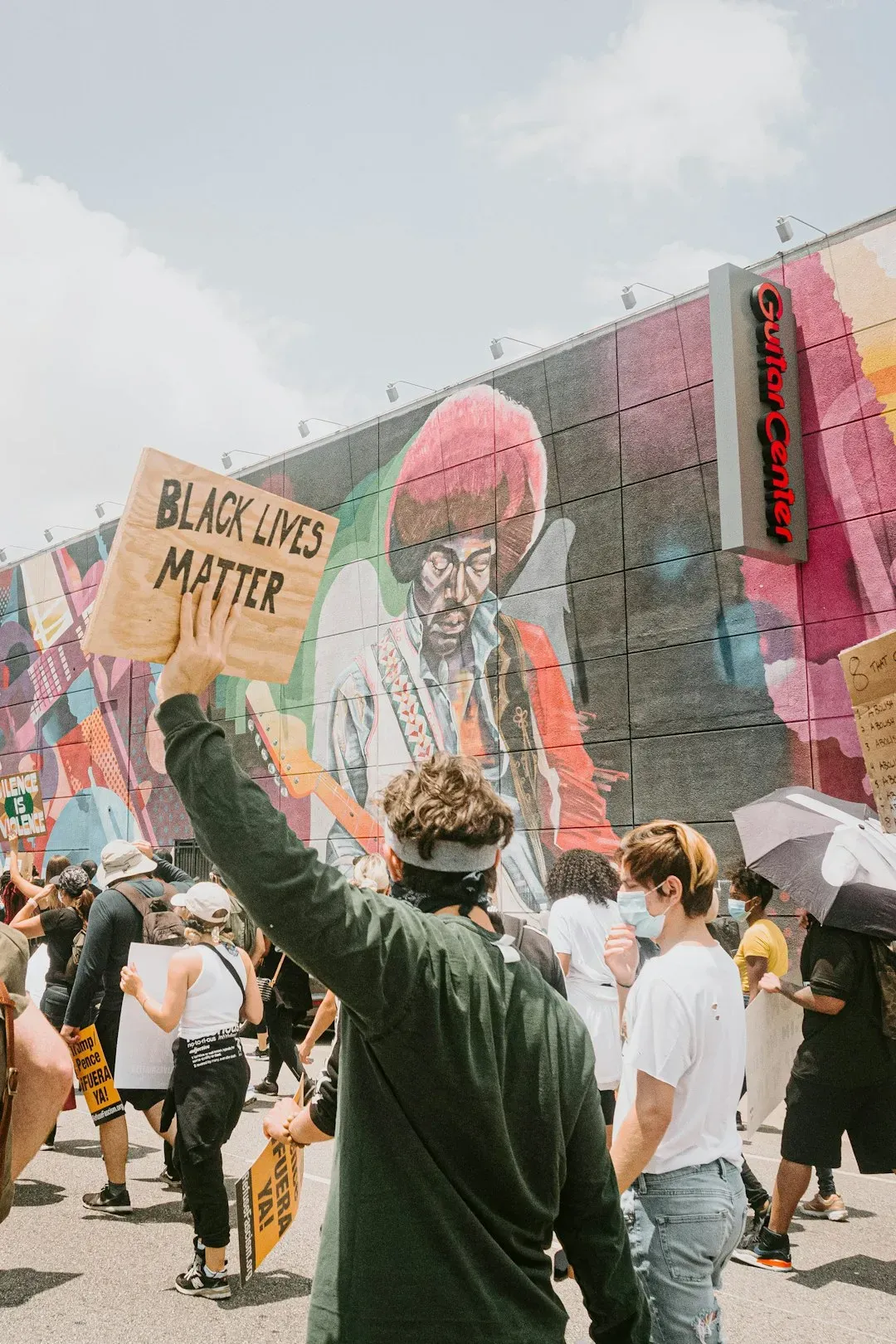
Hendrix was working on what he called his “most ambitious project” when he died in September 1970. He’d been recording for months, crafting a double album that was supposed to showcase a new direction. More experimental. Less blues-rock, more cosmic exploration.
After his death, the tapes sat in legal limbo for years while his estate fought over rights. Various compilations tried to capture what Hendrix intended, but none really nailed it. A proper reconstruction didn’t emerge until 1997.
Had Hendrix lived to finish and release this work, it might have steered seventies rock away from the bloated arena sound and toward something weirder and more boundary-pushing.
Jeff Buckley – “My Sweetheart the Drunk” (1997)

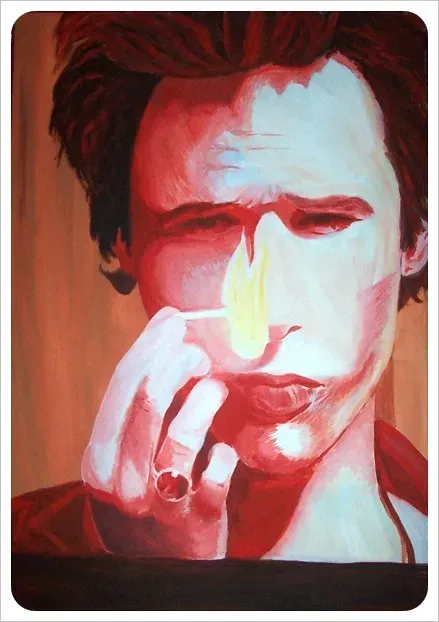
Buckley drowned in Memphis before finishing his second album. He’d recorded a bunch of tracks with producer Tom Verlaine, but wasn’t happy with them. He’d started over with new sessions just before his death.
What survived was a collection of demos and unfinished songs that his label released as a double album called “Sketches for My Sweetheart the Drunk.” It’s haunting and incomplete.
Buckley was moving toward a rawer, more aggressive sound than his ethereal debut “Grace.” If he’d finished it, he might have avoided the posthumous angel-voiced-martyr label and established himself as something more dangerous and unpredictable.
The Beatles – “Get Back/Let It Be Sessions” (1969)

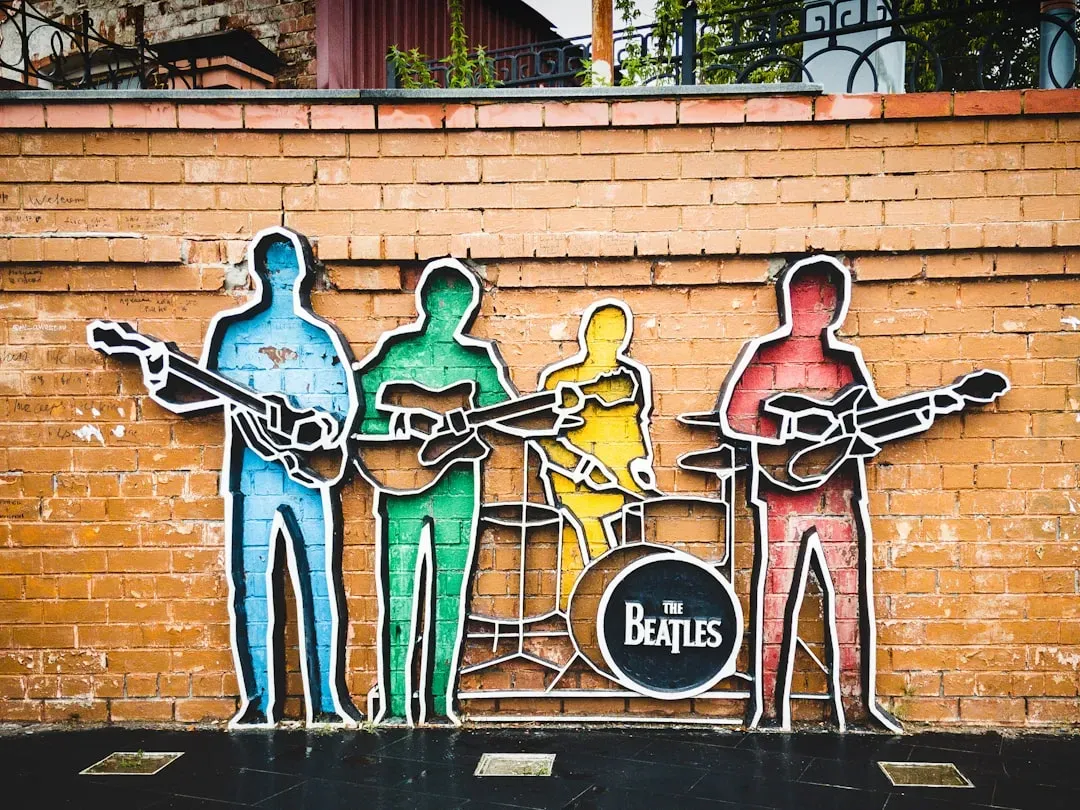
Everyone knows “Let It Be,” but the original “Get Back” album that Phil Spector later turned into “Let It Be” was supposed to be something completely different. The band wanted to strip things down, get back to basics, record live with minimal overdubs.
The sessions were a disaster. Tension everywhere. The footage became a documentary about a band falling apart. Producer Glyn Johns assembled a raw mix that the Beatles rejected. Spector came in later and added strings and choirs, creating the version we know.
The Glyn Johns mix finally got an official release as “Let It Be… Naked” in 2003, and it’s grittier, more immediate. If that version had come out in 1969 as intended, it might have pushed rock toward a more stripped-down aesthetic years earlier than it actually happened.
What If These Albums Had Changed Everything?

Music history isn’t just about what happened. It’s about what almost happened. These lost albums represent alternate timelines where different sounds dominated, different artists influenced the next generation, different trends took over.
Some of these records eventually surfaced, decades late, their revolutionary potential dulled by time. Others remain locked away, known only through rumors and bootlegs. Either way, they remind us that the music we love exists alongside a shadow history of what might have been.
The artists who created these albums moved on, made other records, lived other lives. But somewhere in those dusty tapes and abandoned sessions lives the ghost of a different musical universe. One where Brian Wilson stayed healthy, where Hendrix lived, where Prince released his dark masterpiece on schedule.
What do you think? Would any of these albums have actually changed music history, or would they have just been footnotes? Tell us in the comments.