Long before the modern novel came bound in a single, tidy volume, many of the books we now consider classics were released in pieces. Readers waited weeks or months between installments, arguing over cliffhangers and speculating about endings in letters and coffeehouses. This practice shaped not just how stories were consumed, but how they were written, often forcing authors to build suspense into every chapter’s close. Here are six novels whose first lives were spent in the pages of magazines and periodicals, long before they became the books we know today.
1. The Pickwick Papers by Charles Dickens

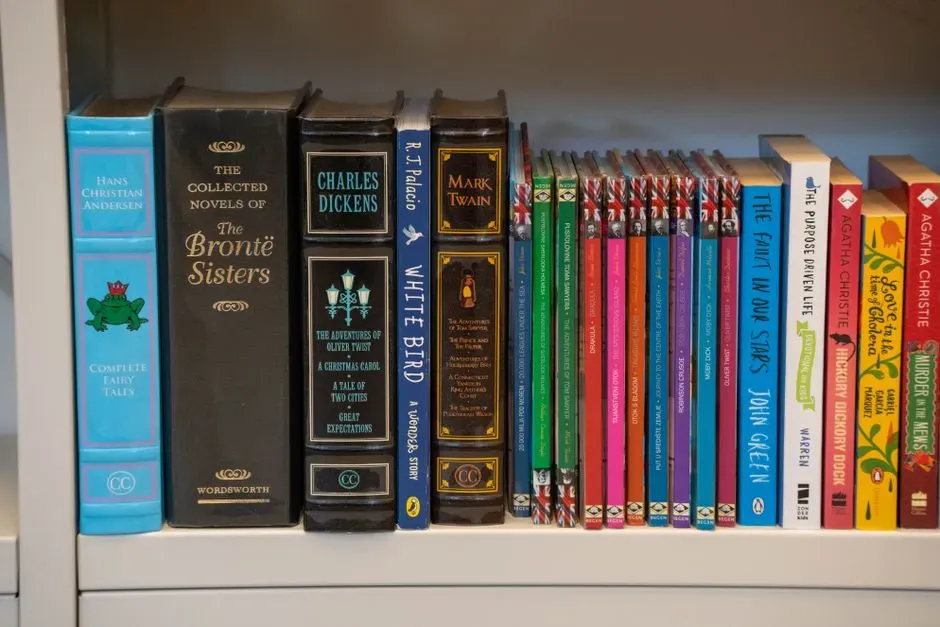
Dickens’s first novel began in 1836 as a monthly serial, sold in cheap paper wrappers alongside advertisements, a format that made literature accessible to readers who could never afford a full hardback. Sales were modest at first, but they climbed sharply once the character Sam Weller entered the story, turning the series into a genuine publishing sensation. The success of this format convinced publishers that serialization could be profitable on a scale nobody had previously imagined.
Dickens continued using this method for nearly all of his later novels, including Oliver Twist and David Copperfield, refining the technique with each release. The serialized structure meant Dickens often wrote with immediate reader feedback in mind, sometimes adjusting characters or plotlines based on public reaction between installments. This close relationship between author and audience became a defining feature of Victorian fiction.
2. Uncle Tom’s Cabin by Harriet Beecher Stowe


Stowe’s novel first appeared in 1851 and 1852 as a weekly serial in the abolitionist newspaper The National Era, running for roughly forty installments before being collected into book form. The serialized version reached readers across the country who followed the fates of Tom, Eliza, and other characters week by week, building an emotional momentum that helped fuel the growing antislavery movement. Its impact was immediate and widespread, contributing to a shift in public sentiment ahead of the Civil War.
When published as a complete book in 1852, it became one of the best selling novels of the nineteenth century, but the serialized rollout had already primed a massive audience. Readers who had waited for each new chapter brought that anticipation with them to the bound edition, helping drive its extraordinary commercial success. The novel’s structure, with each installment building toward a moral or emotional climax, reflects its origins as serialized fiction meant to sustain a reader’s attention over months.
3. War and Peace by Leo Tolstoy

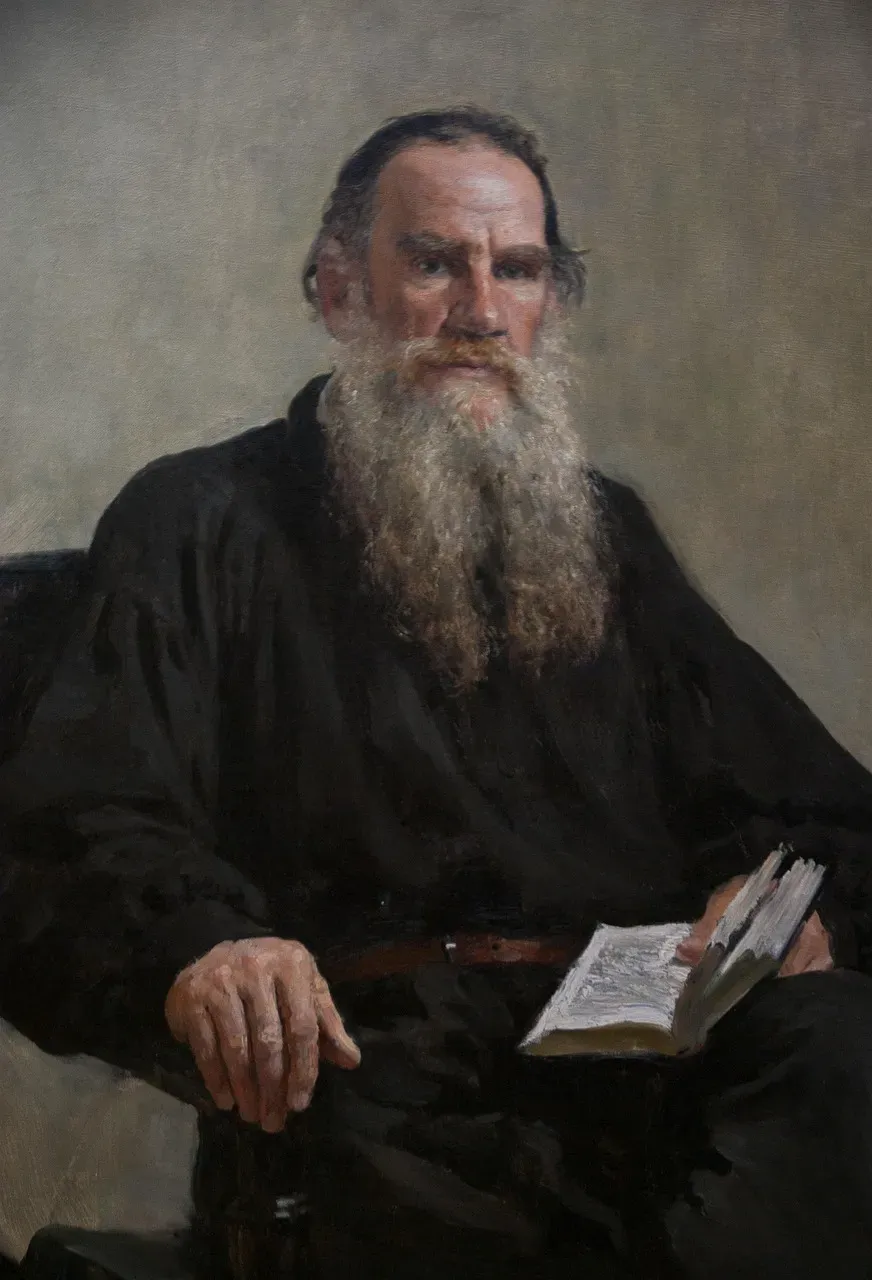
Tolstoy’s sprawling epic began appearing in the Russian journal The Russian Messenger in 1865, initially under the title 1805, before the author expanded and reworked it into the full novel readers know today. The serialized sections allowed Tolstoy to test material publicly while still developing the broader historical and philosophical arguments that would come to define the finished work. This piecemeal release also meant the novel’s structure evolved considerably between its first magazine appearances and its final book form.
By the time the complete novel was published in 1869, it had gone through significant revisions, with entire sections rewritten as Tolstoy’s thinking on history and war matured. The serialized origin explains some of the novel’s episodic pacing, since each installment needed to function somewhat independently while still contributing to the larger narrative. Russian readers of the 1860s experienced the story in a fundamentally different rhythm than modern readers do, absorbing it in chunks tied to the journal’s publication schedule.
4. The Strange Case of Dr Jekyll and Mr Hyde by Robert Louis Stevenson


Though often remembered as a short standalone novella, Stevenson’s story was distributed in weekly parts through periodicals shortly after its 1886 publication, allowing it to reach a wide readership quickly. The tale’s short chapters and tight pacing made it particularly well suited to serialization, since each section could deliver a self-contained dose of suspense. Its structure, built around escalating revelations, reflects the kind of pacing periodical publication tended to reward.
The story’s popularity grew rapidly through these serialized and cheaply printed editions, helping cement Jekyll and Hyde as a cultural touchstone almost immediately after release. Stevenson’s ability to compress a complex moral question into brief, punchy installments demonstrates how well serialized fiction could work even outside the sprawling multi-volume format Dickens favored. The novella’s continued relevance today, still referenced constantly in discussions of duality and identity, owes something to how efficiently it was built for serial consumption.
5. The Hound of the Baskervilles by Arthur Conan Doyle

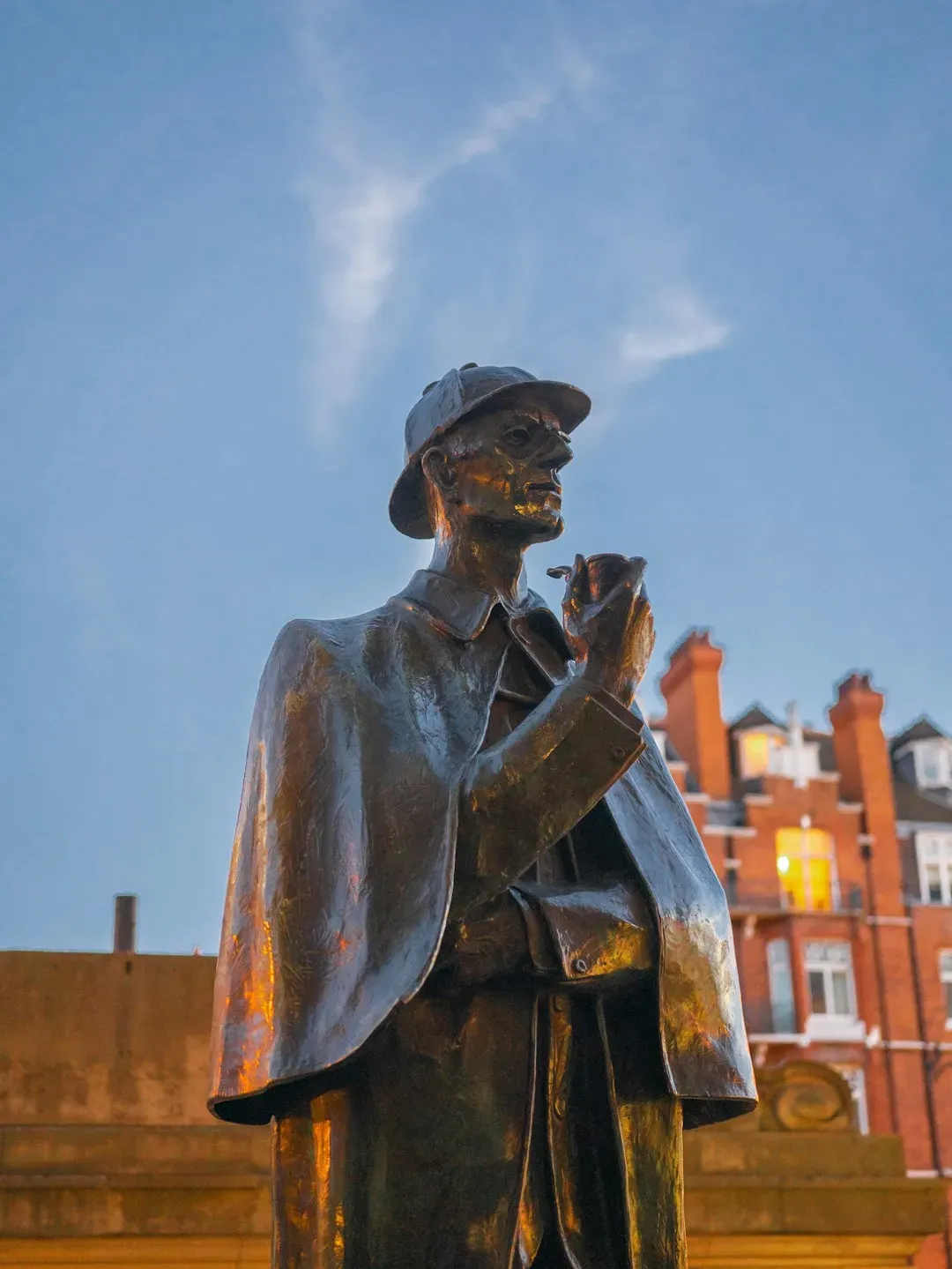
Conan Doyle’s Sherlock Holmes stories were a staple of The Strand Magazine, and The Hound of the Baskervilles ran there in nine monthly installments between 1901 and 1902. Readers followed Holmes and Watson’s investigation into the Baskerville family curse one chapter at a time, with each issue ending on enough mystery to guarantee the next month’s sales. The Strand’s illustrations, paired with Conan Doyle’s text, became as much a part of the reading experience as the prose itself.
This serialized structure is part of why Holmes stories rely so heavily on episodic reveals and tightly contained mysteries within a larger plot, a format perfectly suited to magazine publication. The novel’s popularity helped revive interest in the Holmes character, who Conan Doyle had killed off years earlier in an earlier short story before public demand brought him back. The Strand’s circulation numbers during Holmes serializations were remarkable for the era, reflecting just how central magazine fiction was to popular entertainment at the turn of the twentieth century.
6. Vanity Fair by William Makepeace Thackeray


Thackeray’s novel appeared in nineteen monthly installments between 1847 and 1848, published with the author’s own illustrations accompanying the text. The serialized format allowed Thackeray to develop Becky Sharp’s morally ambiguous journey gradually, letting readers form and revise their opinions of her across many months rather than in a single sitting. This slow unfolding suited the novel’s satirical tone, giving Thackeray room to skewer social ambition and hypocrisy in incremental doses.
The subtitle, A Novel without a Hero, hinted at the unconventional structure readers would encounter across the serialized run, one without a clear moral center guiding the plot forward. Each monthly part cost a shilling, a price point that made the story accessible to a broad middle class audience eager for serialized entertainment. When collected into a single volume in 1848, Vanity Fair’s reputation as a landmark of Victorian satire was already well established among its periodical readers.