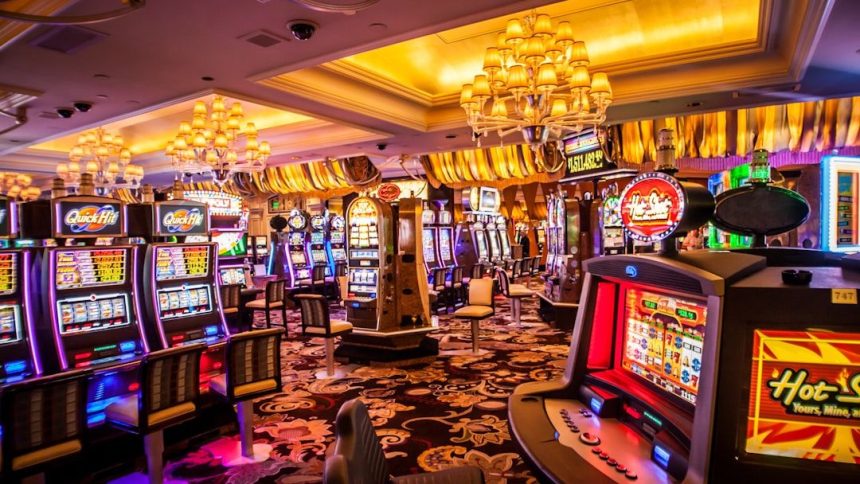
Fifty years is a long time in any industry. In the casino business, it’s practically a lifetime. When a small 5,000-square-foot gambling room opened its doors west of the Las Vegas Strip in the summer of 1976, nobody could have predicted it would eventually reshape how an entire city thinks about entertainment, neighborhood development, and what it really means to cater to the people who actually live somewhere.
The story of Station Casinos is not one of overnight glamour. It’s one of grinding incrementalism, smart neighborhood instincts, and a family’s stubborn conviction that Las Vegas locals deserved something designed specifically for them. Fifty years later, the evidence is everywhere. Let’s dive in.
A Bingo Hall With Big Ideas: The 1976 Origin Story

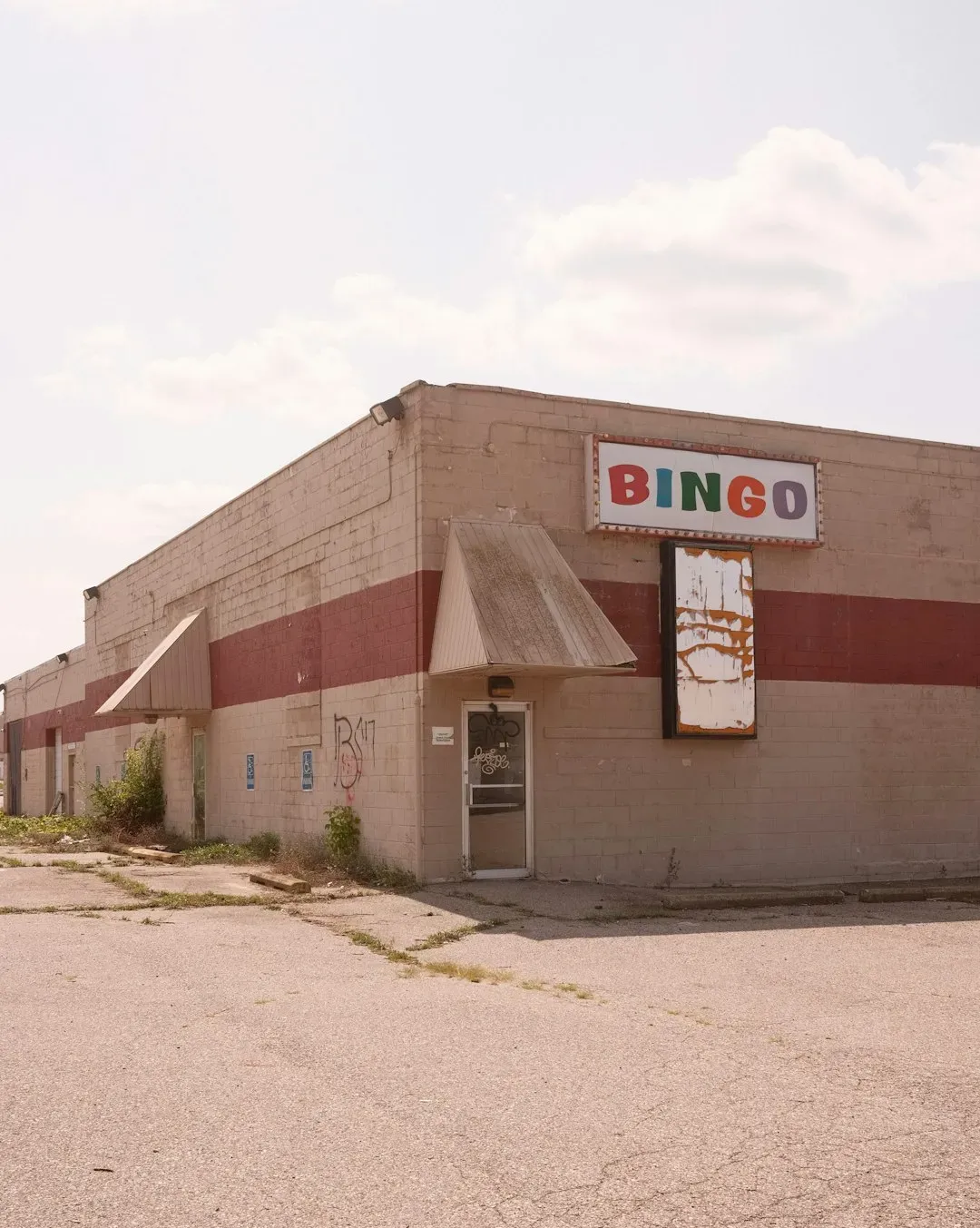
Palace Station originally opened as The Casino on July 1, 1976, attached to the Mini Price motel. It was not glamorous. The Casino opened initially as a 5,000-square-foot facility with 100 slot machines, six table games, four of them blackjack, a small bar, and a buffet next door to the Mini-Price Motel. Think about that for a second. That is the footprint of a large convenience store, not a casino empire.
The first addition came in July 1977 when a Bingo parlor was added, bringing 15,000 more square feet of space, including an 8,000-square-foot Bingo room, 300 more slot machines, an enlarged buffet, a Keno game, and the property’s first full-service restaurant. That bingo addition gave the venue its early identity. The ownership group included Frank Fertitta Jr., who bought out his partners in 1979. From that point on, it was very much a family operation.
Inventing the Locals Casino: A Quiet Revolution

Here is the thing most people don’t appreciate: the locals casino model did not just happen. Someone had to invent it. Bingo Palace used strategies to target locals, like a reasonably priced buffet, a cheap breakfast special, check-cashing, and T-shirt promotions. Those all became standard at locals casinos, but they were new at the time, and Bingo Palace caught on. These seem like obvious tactics in hindsight, but in the mid-70s, Las Vegas casinos were largely designed around the tourist experience.
Station Casinos, along with Affinity Gaming, Boyd Gaming and Golden Entertainment, dominate the locals casino market in Las Vegas. That dominance traces directly to those early instincts. The company essentially created a playbook that the whole industry would later copy. Cheap food, local rewards, familiar faces – it is a model that sounds simple but requires real discipline to execute consistently across decades.
From Bingo Palace to Palace Station: A Name That Mattered

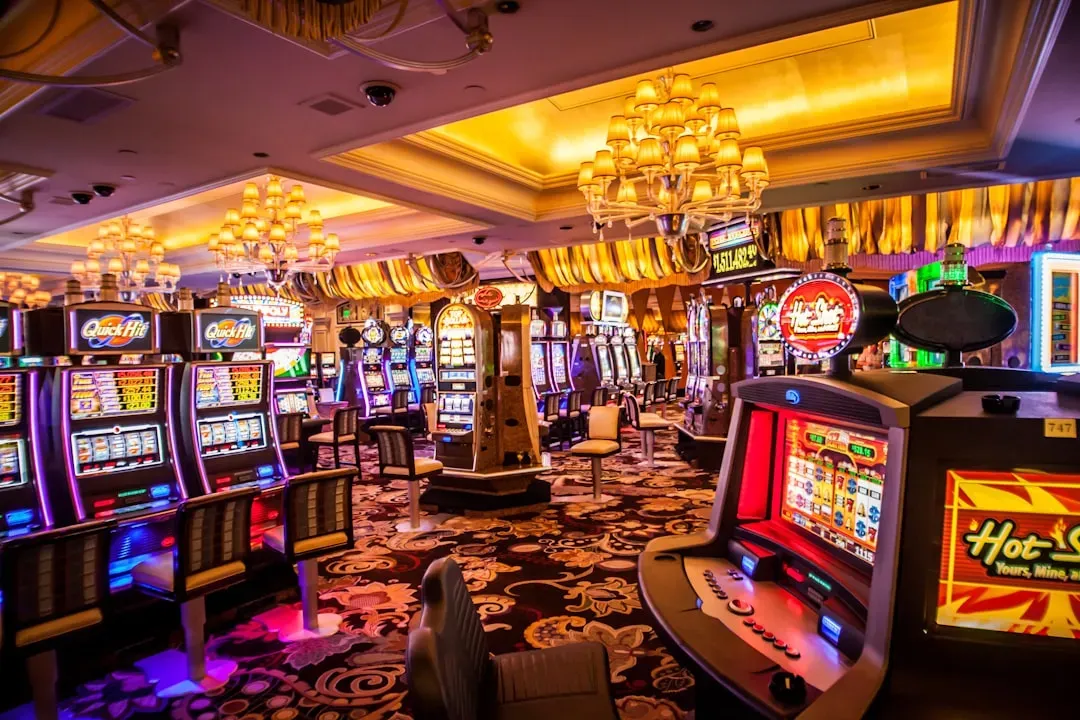
A $10 million renovation and expansion was underway in 1983, and a contest was held to select a new name, as Fertitta wanted to emphasize that the casino offered more than bingo. Approximately 26,000 contest entries were made over a three-week period. The winning name, Palace Station, was submitted by a keno runner at Bingo Palace. That is genuinely charming. A keno runner naming a future casino giant.
Bingo Palace was expanded further and renamed Palace Station in 1984. Concurrently, the family’s next generation arrived at work. Frank J. Fertitta III joined the company as a vice-president and director. The father-and-son dynamic that would define Station Casinos for the next several decades was now in place. Honestly, few family handoffs in Nevada gaming history went this smoothly or produced this many lasting results.
The 1990s Expansion Wave: Bringing the Model to the Masses

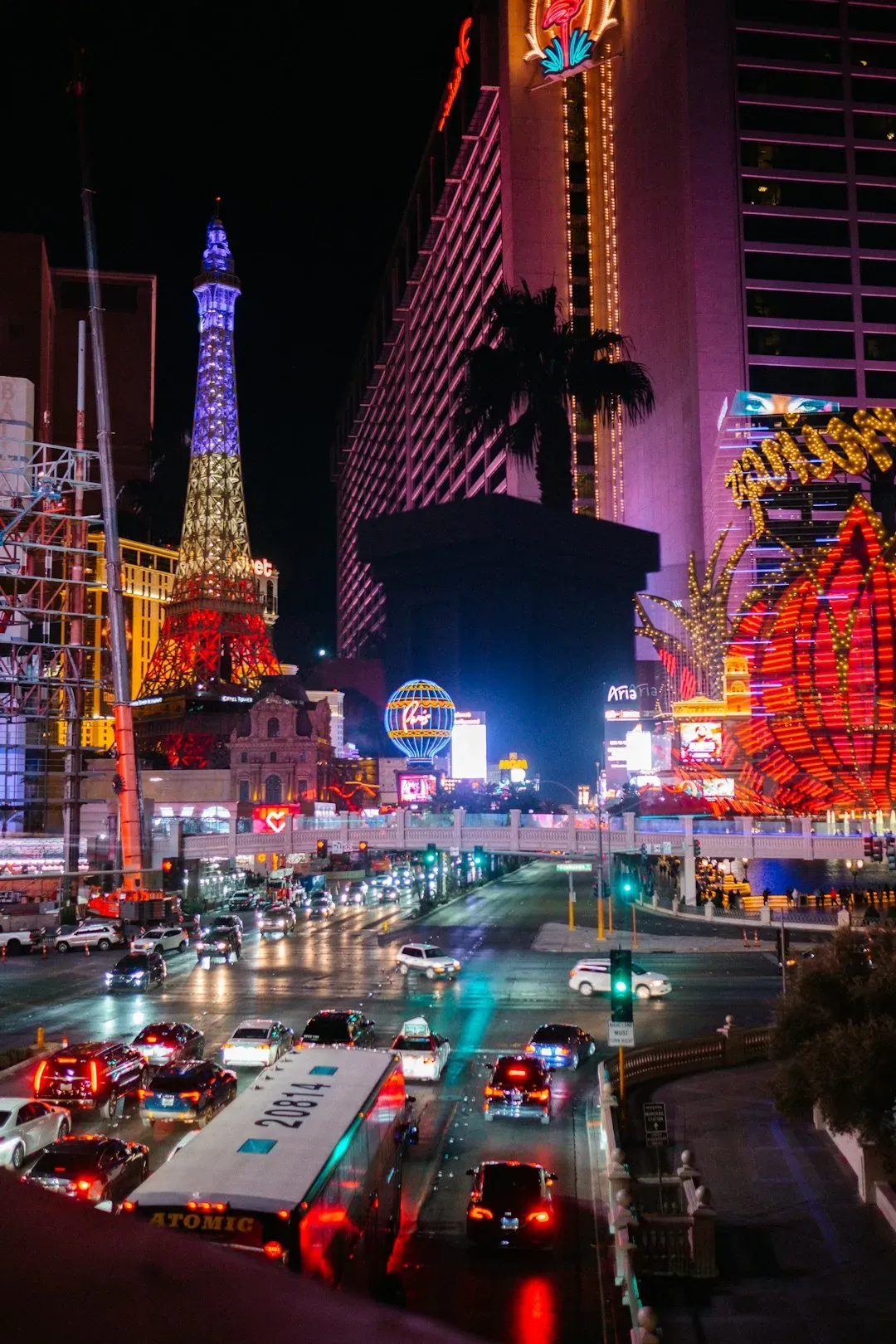
In 1993, Palace Station filed to become a public corporation known as Station Casinos, which has gone on to open numerous other hotel-casinos throughout the Las Vegas Valley, starting in 1994 with Boulder Station. That first public filing was a signal. The company was no longer just a neighborhood gaming spot. It was a replicable system. In Henderson, Nevada, Station opened the Sunset Station in 1997, followed by Green Valley Ranch in 2001, the latter in partnership with American Nevada Corporation.
Station also purchased several existing properties in the Las Vegas Valley, including the Santa Fe in 2000, and the Fiesta and Reserve in 2001. The acquisitions came fast. By the early 2000s, Station had transformed from a single west-side property into a genuine web of neighborhood entertainment venues stretching across every corner of the Las Vegas Valley. The pace of that growth, looking back, feels almost reckless. But it worked.
Red Rock Resort: The $925 Million Statement on the West Side

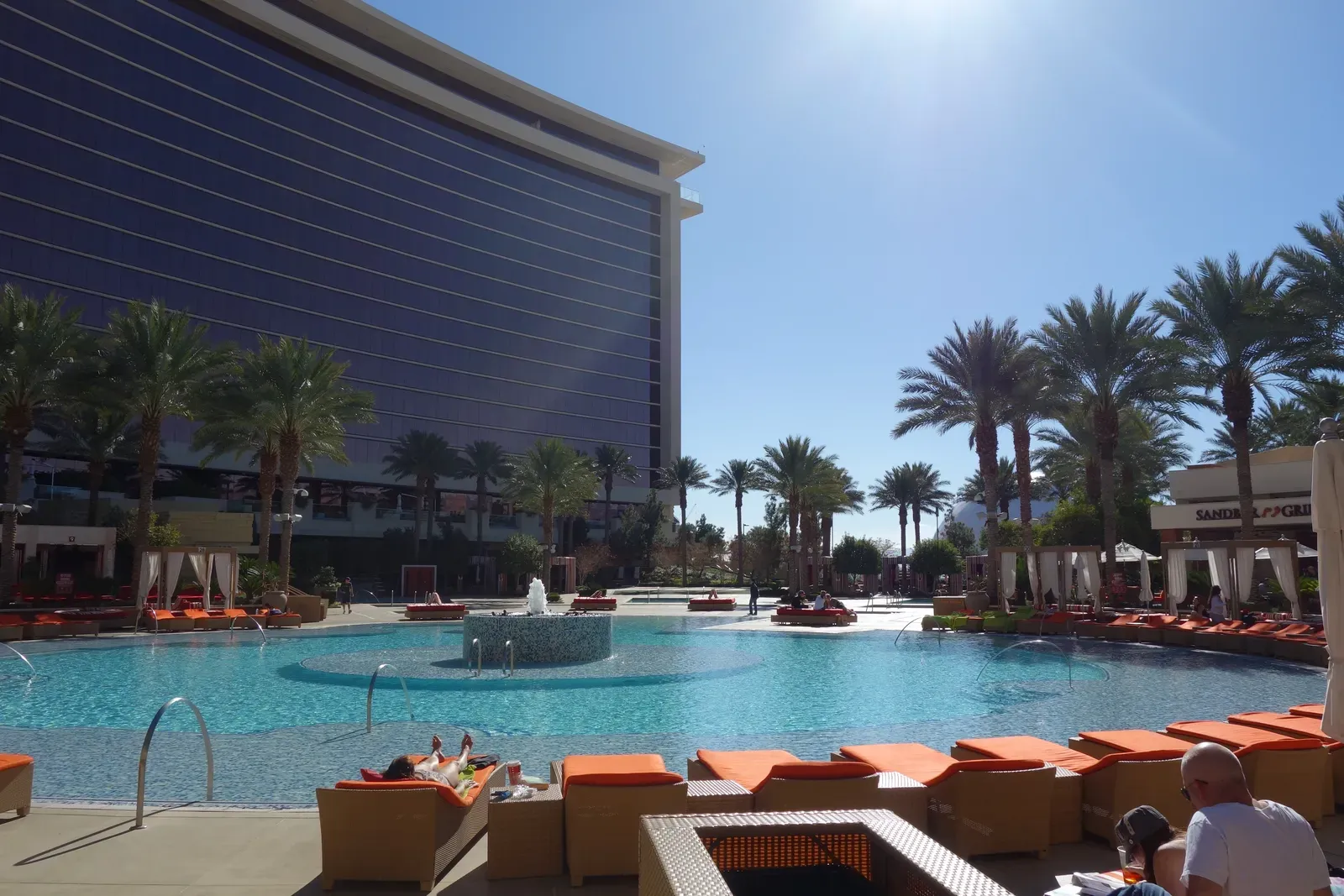
Station opened its Red Rock Resort in 2006. It was built in the Las Vegas community of Summerlin at a cost of $925 million, making it Station’s most expensive property. That number needs to sit for a moment. Nearly a billion dollars for a locals casino. That was not just a property opening. That was a declaration about who deserved luxury-level hospitality in Las Vegas.
Red Rock Resort became the clearest physical symbol of what Station Casinos believed about the west side. It was the company’s first new casino since Red Rock Resort in Summerlin opened in 2006 – a gap that would stretch until Durango’s arrival in 2023. Seventeen years between flagship openings. In a city that reinvents itself constantly, that kind of patience is unusual. But the Red Rock brand held up, and the west side it helped catalyze kept growing around it.
The Pandemic and the Painful Reset of 2020
Several casino properties in the Las Vegas Valley – Texas Station, Fiesta Rancho, and Fiesta Henderson – were closed in 2020 amid the COVID-19 pandemic and never reopened. These were not just closures. They were permanent ends to neighborhood anchors that had served their communities for decades. Texas Station and Fiesta Rancho had a combined total of nearly 3,200 slot machines, and North Las Vegas saw decreased gaming revenue following their closure.
Demolition began on September 12, 2022, and was completed by February 2023. The demolition was viewed by analysts as a defensive move to prevent future competition from gaming rivals. Whether you see that move as cold-blooded strategy or smart capital management depends on your perspective. What it did reveal is that the company emerged from COVID leaner, more focused, and with a clearer vision of which properties were worth investing in going forward. Known as Feast Buffet, the company’s buffet chain operated until 2020, when most buffets in Las Vegas closed permanently as a result of the COVID-19 pandemic. Even the iconic all-you-can-eat buffets that had defined the locals casino experience did not survive the reset.
Durango Casino: The Next-Generation Blueprint

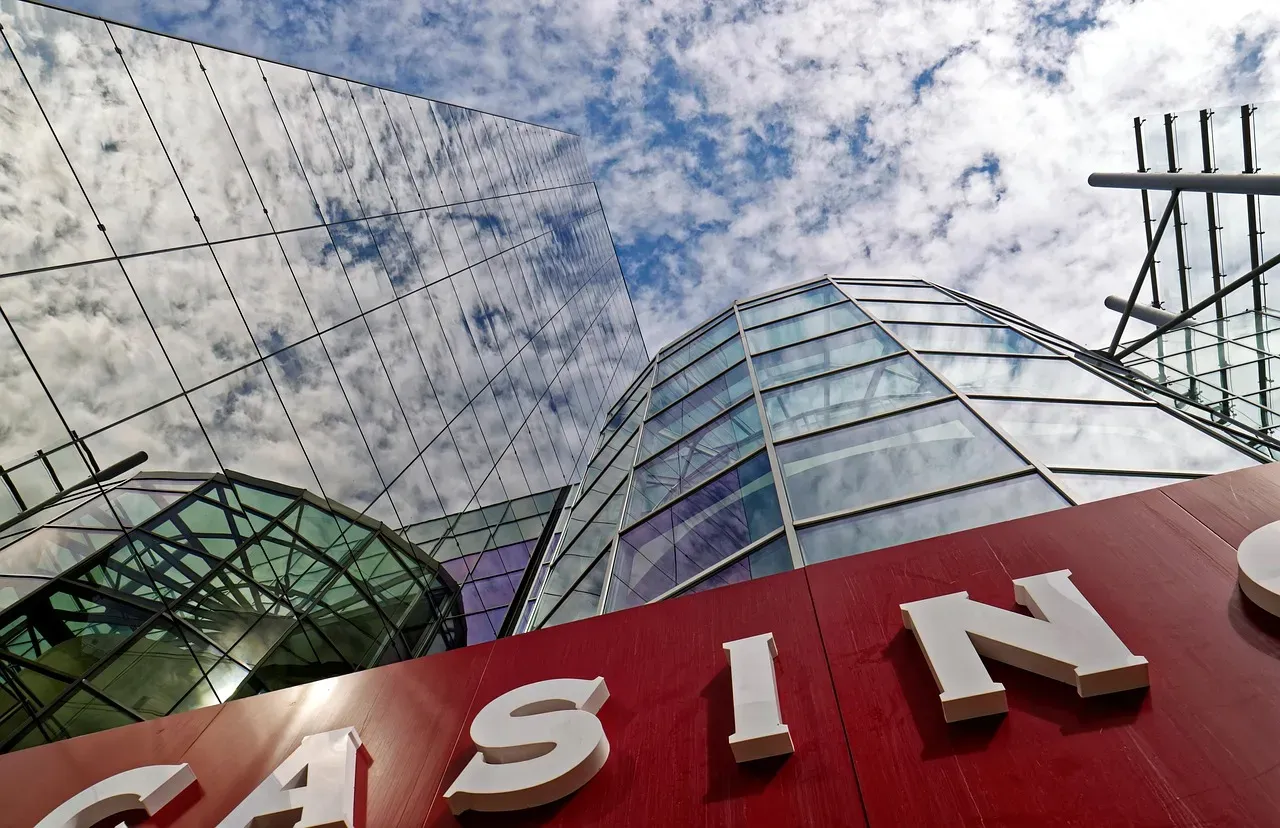
Construction began in early 2022, and Durango opened on December 5, 2023. The wait for a new flagship property had been nearly two decades. The $780 million resort on Durango Drive and the 215 Beltway featured an inside-out concept with some restaurants opening to the outdoors, a light color scheme and plenty of open space. In a city where dark, windowless casino floors are practically a design religion, that architectural choice was genuinely bold.
Durango will be the only major gaming location within a 5-mile radius available to more than 250,000 adults. The only other gaming offerings in the southwest area had been tavern-style restricted locations with no more than 15 slot machines. That is a revealing detail. A quarter million adults within five miles and essentially no major competition. The casino added more than 108,000 new customers since opening in December 2023. The demand was real, the pent-up need even more so.
Record Financial Performance and the Strength of the Locals Model

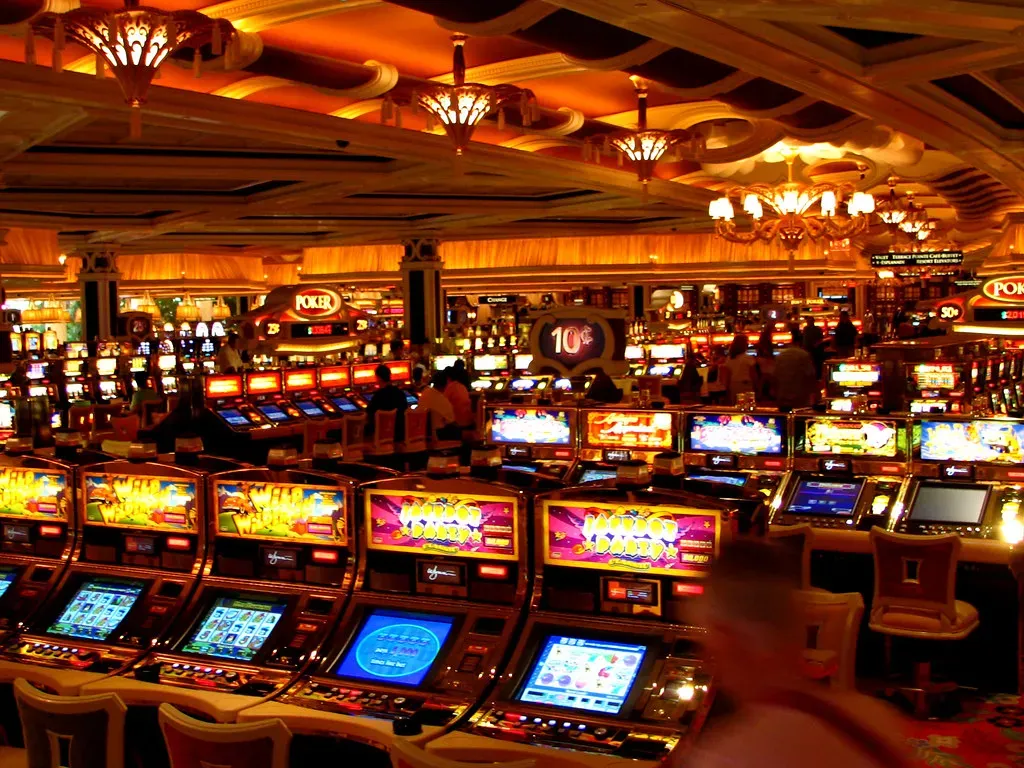
Net revenues from Las Vegas operations were $1.93 billion in 2024, an increase of 12.6%, or $216.2 million, from $1.71 billion in 2023. Adjusted EBITDA from Las Vegas operations was $879.4 million in 2024, an increase of 7.4% from $818.8 million in 2023. Those are not minor gains. For a company that started with a 5,000-square-foot bingo hall, producing nearly two billion dollars in annual Las Vegas revenue is almost surreal.
Red Rock Resorts posted its highest quarterly net revenue in its 49-year history: $526.3 million in Q2, an 8.2% year-over-year jump. Meanwhile, several Strip casino operators were reporting declines during the same period. The contrast was stark. The Nevada Gaming Control Board asked Station’s COO what was happening in the neighborhood casino market that was faring better than Strip resorts. “Unlike our other counterparts on the Strip, we rely on guests to come four to six times a month,” Nichols said. That frequency of repeat visits is the whole business model in one sentence.
The 50th Year and What Comes Next
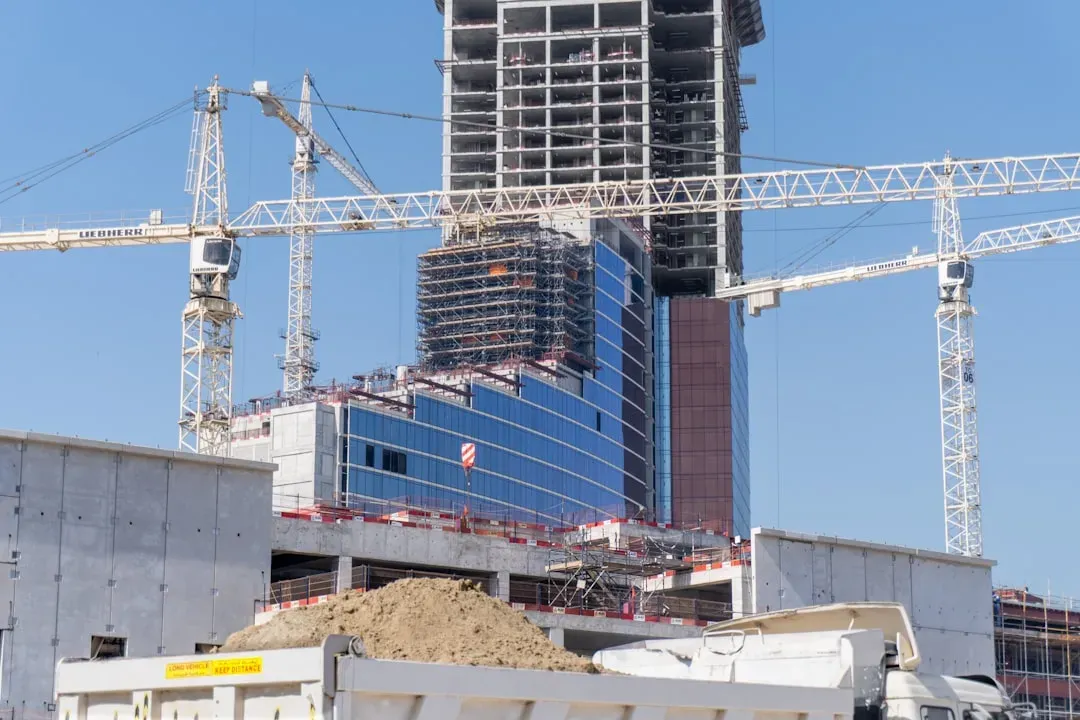
The Durango project forms part of a wider spending push by Red Rock Resorts’ Station Casinos as it prepares to celebrate its 50th anniversary on July 1. Crews have begun work on the north side of the Durango property, where the latest phase will add 275,000 square feet to the resort. The 50th anniversary is not just a milestone. It is an active construction zone. The current phase carries a price tag of $385 million and will take roughly 18 months to complete.
Red Rock Resort in Summerlin will add new food outlets in early 2026, including returning and new dining names joining its food court lineup. Sunset Station will receive a property-wide refresh backed by a $53 million reinvestment. At Palace Station, where the company began, Master Kim’s Korean BBQ will open a 6,500-square-foot restaurant with seating for more than 100 guests. That last detail is genuinely meaningful. The company is actively investing in the very property where everything started. It’s been reported that the company wants to double its presence in southern Nevada in the next 10 years, and the way this place is growing and Station keeps pace, that’s an entirely plausible ambition.
Conclusion

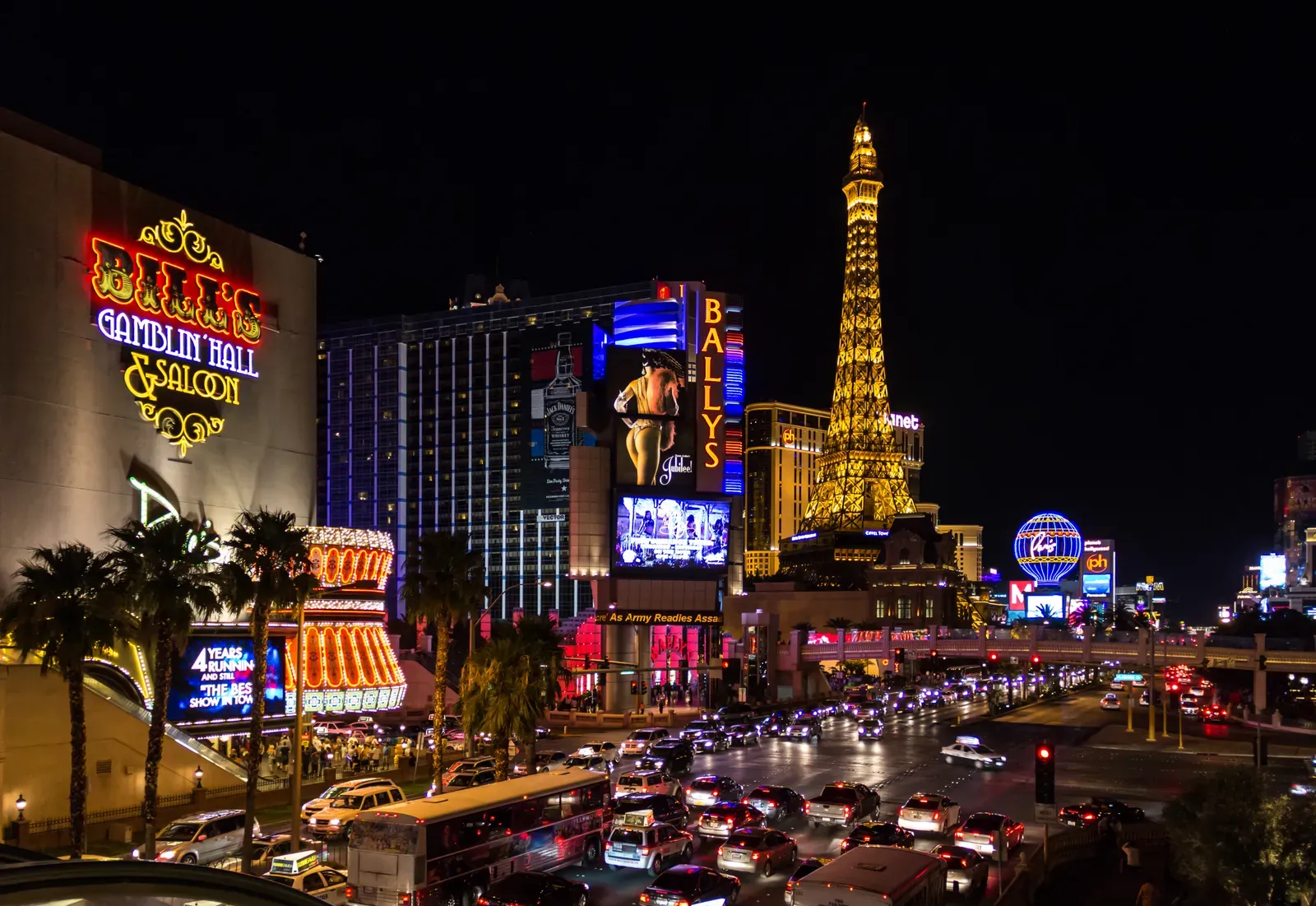
Fifty years after a modest gambling room opened beside a motel on West Sahara Avenue, Station Casinos stands as one of the most consequential companies in Nevada gaming history. Not because of glittering Strip spectacle, but because of something quieter and arguably more durable: an enduring, almost stubborn commitment to the people who actually live in Las Vegas. The cheap breakfast, the bingo room, the neighborhood feel – those were not just amenities. They were a philosophy.
From a 5,000-square-foot bingo hall to nearly two billion dollars in annual Las Vegas revenue, the arc of this company is genuinely remarkable. The west side of Las Vegas looks the way it does today, in no small part, because a family decided locals deserved a casino of their own. What would Las Vegas look like if that bingo hall had never opened?