Not every great show arrives fully formed. Some of television’s most beloved series spent their first season or two figuring out who their characters actually were, only clicking into place once writers stopped imitating a blueprint and started trusting their own instincts. Looking back at these early stumbles is a useful reminder that patience, both from networks and from viewers, sometimes pays off in a big way.
The Office (US)


When NBC’s version of The Office premiered in 2005, it leaned heavily on its British source material, right down to recreating the original pilot almost word for word. The Office is an American adaptation of the British TV series, presented in a mockumentary format documenting daily life at a fictitious paper company. That opening stretch felt tentative, more homage than original comedy, and audiences weren’t quite sure what to make of Michael Scott yet.
Everything changed in season two. Season 2 is where the show really hits its stride, with the characters starting to take shape and becoming more independent from the British show. The series also embraced more traditional sitcom storytelling, and Jim and Pam’s will-they-won’t-they relationship grew into the benchmark sitcom romance it ultimately became, aided by cringe comedy built on a more accessible comedic register.
Parks and Recreation


Parks and Recreation had an even rougher start, partly because it was originally conceived as a spinoff of The Office and never fully shook that shadow. The first season is only six episodes, and it hadn’t found its stride yet, though the core characters were decently established, particularly Leslie Knope with her dreams of improving Pawnee. Critics at the time noted the resemblance was hard to ignore.
Leslie Knope was passionate, but there’s a difference between passion and intensity, and in season one she was too intense, to the point where audiences found her unintelligent and silly. That changed quickly. Season 2 saw the writers getting a better handle on their characters, making sure they were more nuanced, as Leslie’s do-gooding became less of a joke and more of a source of inspirational optimism while the show’s jokes became funnier.
Seinfeld

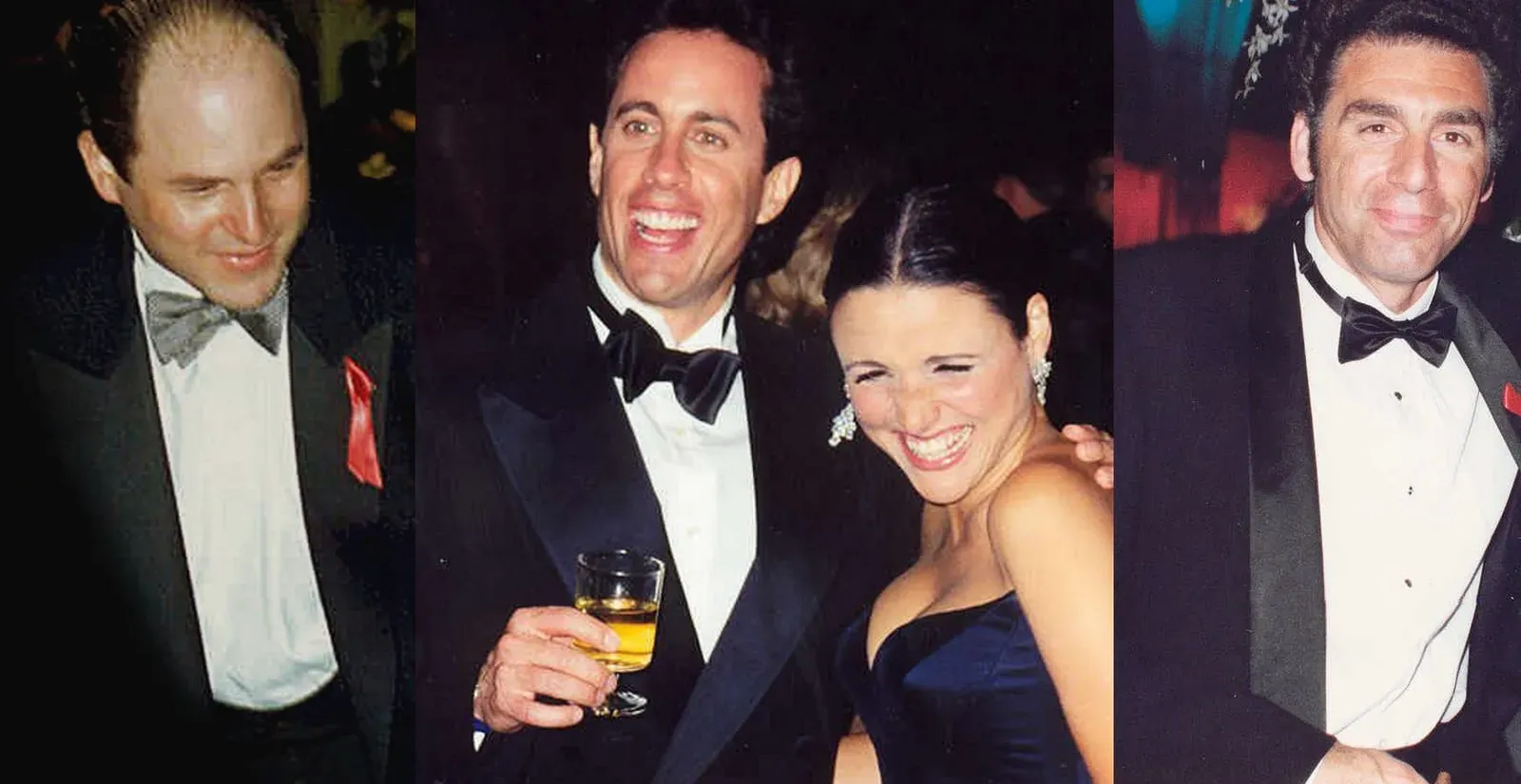
Seinfeld’s beginnings were shaky enough that the show almost never made it past a single pilot. A few NBC executives, most notably Rick Ludwin, saw potential and used part of his department’s budget to fund four additional episodes. Those short early seasons gave the writers barely any room to breathe, let alone develop a distinct voice.
The show found its footing gradually rather than all at once. The writers and actors didn’t hit their groove until season 3, and it wasn’t until season four that it became clear the show was a full-on hit, once episodes like The Outing made it clear Seinfeld was here to stay. By the time that fourth season aired, the observational humor and self-contained plotting that would define the series had fully clicked into place.
Partner offer

Community


Community arrived in 2009 with a clever premise, a community college study group, but its first season spent a lot of energy establishing Jeff Winger’s redemption arc at the expense of the ensemble around him. It was well received, but something was still missing. Fans and critics alike sensed the show had more ambition than its early episodes were showing.
Season two is widely regarded as the turning point. Nothing beats Community season two, which earned a perfect 100 percent rating from critics and 98 percent from audiences, as it took the show a short while to really get going before that season became where it clearly hit its stride. By no longer making Jeff’s development the show’s sole focus, Community managed to avoid the usual season two sophomore slump entirely.
Brooklyn Nine-Nine


Brooklyn Nine-Nine actually landed well right out of the gate, winning early awards attention for its cast. Yet even strong first impressions can look thin in hindsight. Despite those accolades, season one still ranks last among fans, telling of how good the show became in later years, as the series was still trying to get its footing early on.
The improvement came fast once the writers settled in. Brooklyn Nine-Nine took a short while to really find its groove, and by the time season two rolled around, the cast and writers were firing on all cylinders. By the sophomore season, the colorful characters had been fully fleshed out with their unique personalities and quirks honed in, and audiences loved the camaraderie among the cast.
Cheers

Cheers is one of the more surprising cases on this list, since it’s remembered today as one of the sharpest sitcoms of its era. Despite strong reviews out of the gate, the show struggled to pull in a large audience during its first season, a fact that has become part of TV folklore over the decades. NBC stuck with it anyway, betting on the writing and the chemistry of its cast rather than early ratings numbers.
That patience turned out to be justified. As the ensemble settled into their rhythms, particularly the dynamic between Sam Malone and Diane Chambers, the show grew into a genuine ratings hit and eventually one of the most acclaimed sitcoms in network television history. It’s a case often cited as proof that a slow ratings start doesn’t necessarily predict a show’s long term fate.
Looking across these six examples, a pattern emerges. Networks that gave writers room to adjust, rather than pulling the plug at the first sign of mixed reception, ended up with some of the most enduring comedies in television history. It’s a reminder that a rocky pilot season rarely tells the whole story.Partner offer
Planning a trip to Vegas?
Compare hotel rates and show tickets on VEGAS.com.