We all learned about Joan of Arc, Marie Curie, and maybe Rosa Parks in school. But here’s the thing – history textbooks have a habit of leaving out some of the most fascinating women who changed the world. I’m talking about women who invented things we use every day, women who fought wars, women who literally saved millions of lives. Yet somehow, their names got buried under centuries of dust.
What’s even more frustrating? Many of these women were deliberately erased from the record books, their achievements credited to men or simply forgotten altogether. It’s time to set the record straight. Let’s dive into the stories of ten incredible women who deserve way more recognition than they ever got.
Rosalind Franklin: The Woman Who Actually Discovered DNA’s Structure


You probably learned about Watson and Crick discovering the double helix structure of DNA. What your textbook likely didn’t mention was Rosalind Franklin, the British chemist whose X-ray crystallography work made that discovery possible. Her famous “Photo 51” was the critical piece of evidence that revealed DNA’s helical structure.
Watson and Crick used her research without permission and never properly credited her. When they won the Nobel Prize in 1962, Franklin had already died from ovarian cancer at just 37 years old. The Nobel committee doesn’t award prizes posthumously, so she never received the recognition she earned.
Her contributions went far beyond DNA, though. Franklin also did groundbreaking work on the molecular structures of viruses, particularly polio. Think about that next time someone mentions the “fathers” of molecular biology.
Hedy Lamarr: Hollywood Star and Secret Inventor of WiFi Technology

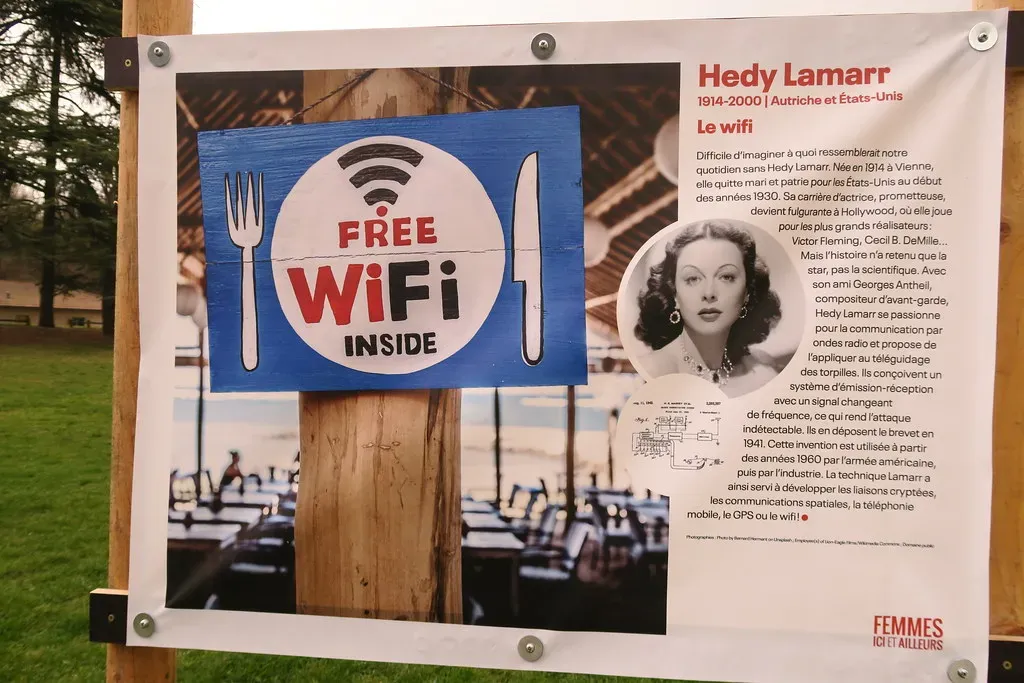
Most people have never heard of Hedy Lamarr, but those who have usually know her as a gorgeous Hollywood actress from the 1940s. What almost nobody knows is that she invented the frequency-hopping technology that became the foundation for modern WiFi, Bluetooth, and GPS.
During World War II, Lamarr and composer George Antheil developed a radio guidance system for torpedoes that used frequency hopping to prevent enemy jamming. The U.S. Navy rejected it at the time because it came from an actress. Decades later, the military adopted the technology, and it’s now in virtually every wireless device you own.
She never made a penny from her invention. The patent expired before anyone bothered to use it commercially. Lamarr spent her final years in near-poverty while the world used her technology billions of times per day without knowing her name.
Margaret Hamilton: The Programmer Who Saved the Moon Landing

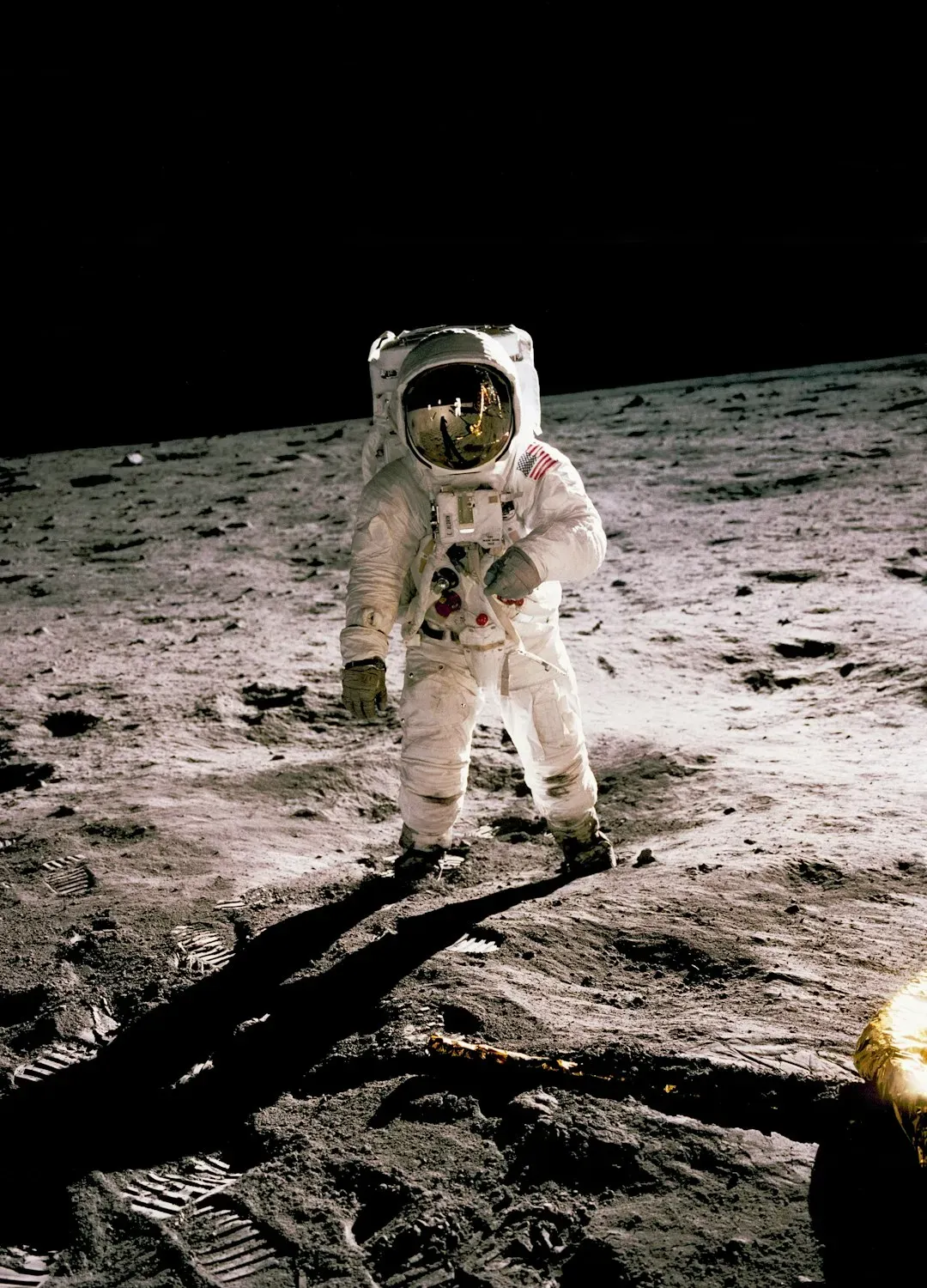
When Apollo 11 was about to land on the moon, the onboard computer started throwing critical errors. If not for Margaret Hamilton’s software design, the mission would have failed and Neil Armstrong would never have taken that famous small step.
Hamilton led the team that developed the flight software for the Apollo missions at MIT. She invented the concept of “priority scheduling” which allowed the computer to focus on essential tasks when overloaded. During the landing, her code correctly prioritized the landing radar over less important functions, saving the mission.
She also coined the term “software engineering” to legitimize the field at a time when people didn’t take programming seriously. The photo of her standing next to a stack of code printouts as tall as she was became iconic, but most history books skip right over her contributions. Without Hamilton, we might still be dreaming about moon landings instead of having accomplished them.
Noor Inayat Khan: The Princess Who Became a Spy and Died Fighting Nazis

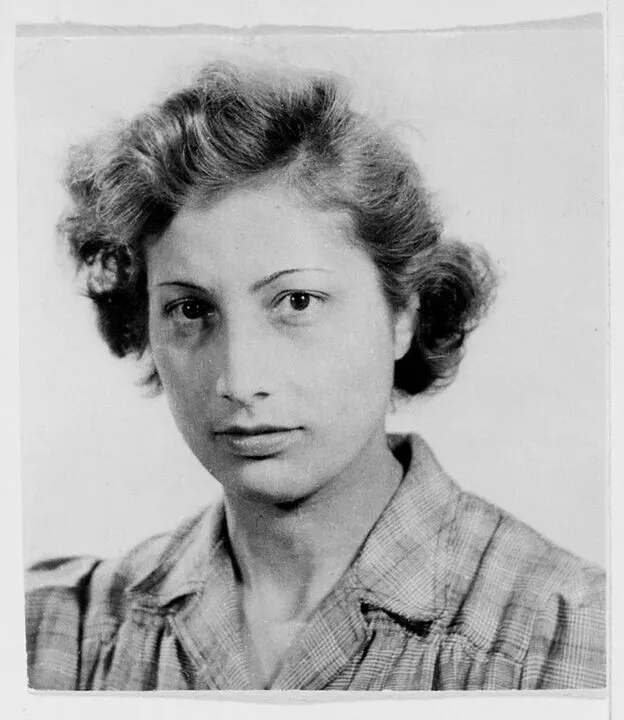
Noor Inayat Khan was an Indian princess, a published children’s author, and one of the most unlikely spies in World War II. She was also one of the bravest people you’ve never heard of.
As a British Special Operations Executive agent, she was the first female wireless operator sent into Nazi-occupied France. When her entire network was captured, she refused to leave, continuing to send intelligence back to London while the Gestapo hunted her. She was the most wanted British agent in Paris.
After her capture, she attempted escape twice and refused to cooperate despite brutal interrogation. The Nazis kept her in chains and eventually executed her at Dachau concentration camp. Her last word was “Liberté.” She was 30 years old and posthumously received the George Cross, Britain’s highest civilian honor.
Chien-Shiung Wu: The Physicist Who Proved Einstein Wrong

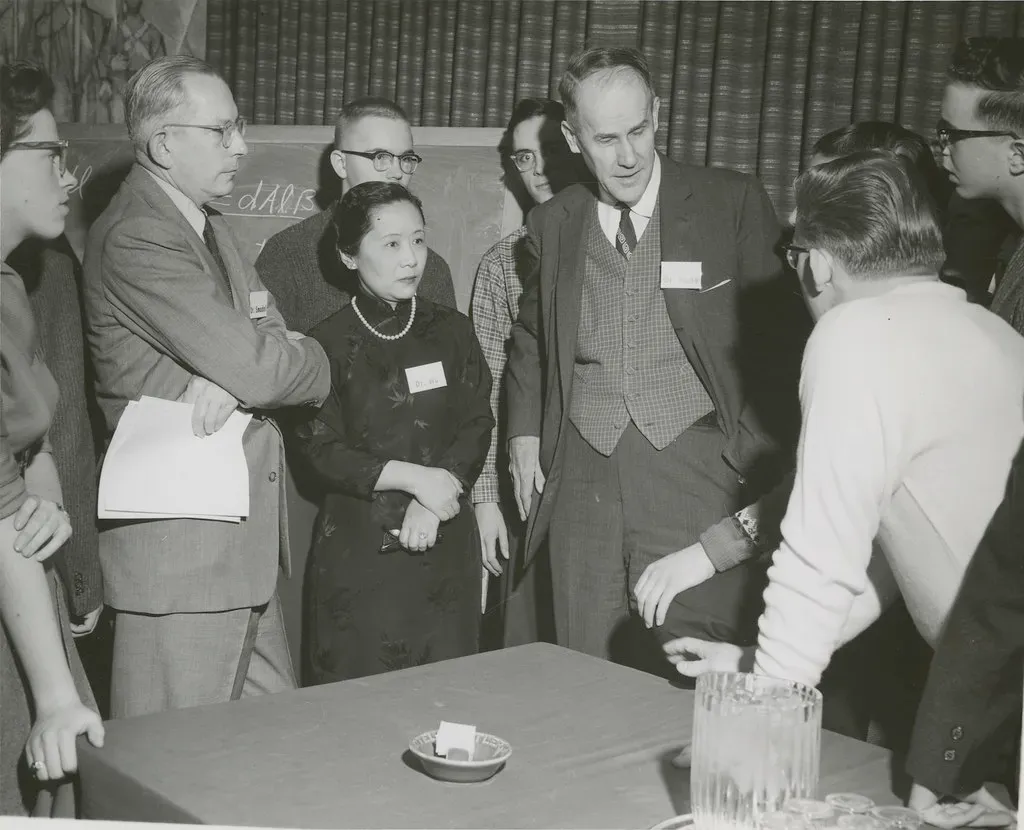
Chien-Shiung Wu conducted the experiment that disproved the law of conservation of parity, one of the fundamental principles of physics. It was revolutionary work that changed our understanding of the universe. Two of her male colleagues won the Nobel Prize for the theory she proved.
Wu never received the Nobel Prize herself, despite doing the actual experimental work. This omission is considered one of the most glaring oversights in Nobel history. She became known as the “First Lady of Physics” and the “Chinese Madame Curie,” but those nicknames didn’t translate into the recognition she deserved.
Born in China in 1912, Wu emigrated to the United States and also worked on the Manhattan Project developing the atomic bomb. She mentored countless students and fought discrimination against women and Asian Americans in science throughout her career.
Mary Anning: The Girl Who Found Dinosaurs and Founded Paleontology

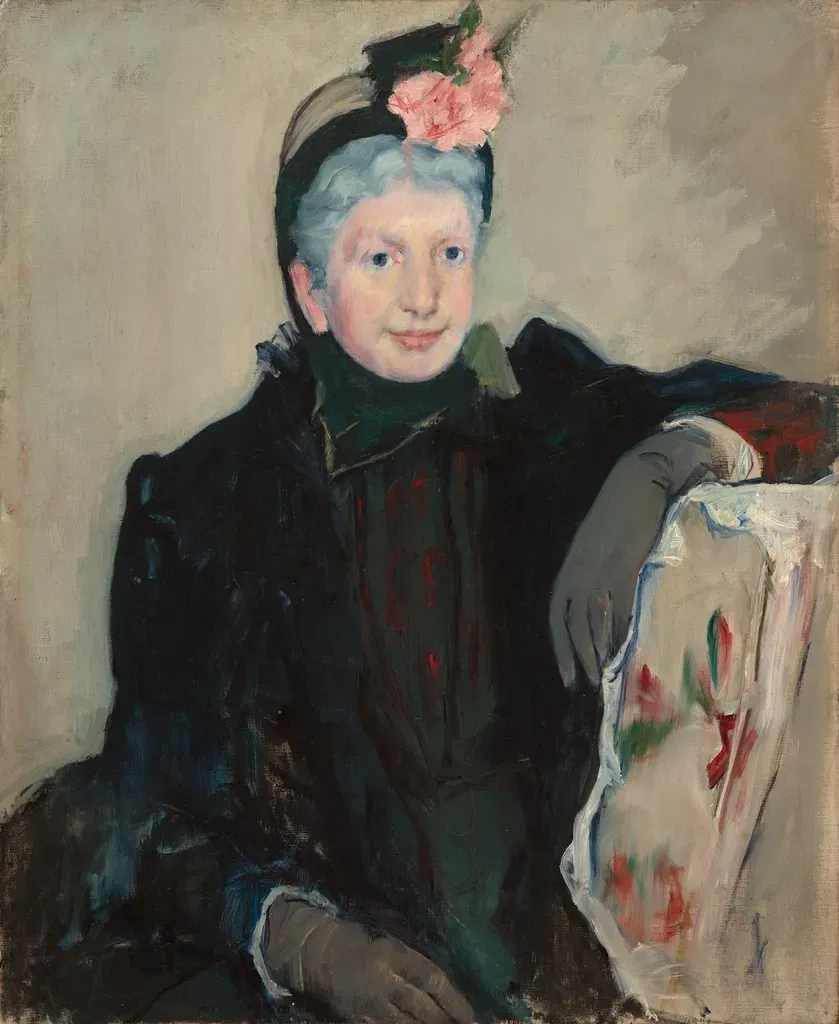
When Mary Anning was 12 years old, she discovered the first complete ichthyosaur skeleton on the cliffs of Lyme Regis, England. Over her lifetime, she found countless fossils that fundamentally shaped our understanding of prehistoric life and extinction.
Here’s the kicker: because she was a working-class woman with no formal education, the male scientists who bought her fossils took credit for her discoveries. She couldn’t join the Geological Society of London or even read the papers written about her finds. The scientific community used her knowledge while systematically excluding her from it.
Anning discovered the first plesiosaur, identified the first pterosaur outside of Germany, and realized that coprolites were fossilized feces, which helped scientists understand ancient diets and ecosystems. Charles Dickens wrote about her contributions in 1865, but most geology courses today barely mention her name. She died of breast cancer at 47, never receiving proper credit during her lifetime.
Ida B. Wells: The Journalist Who Documented Lynching and Changed America

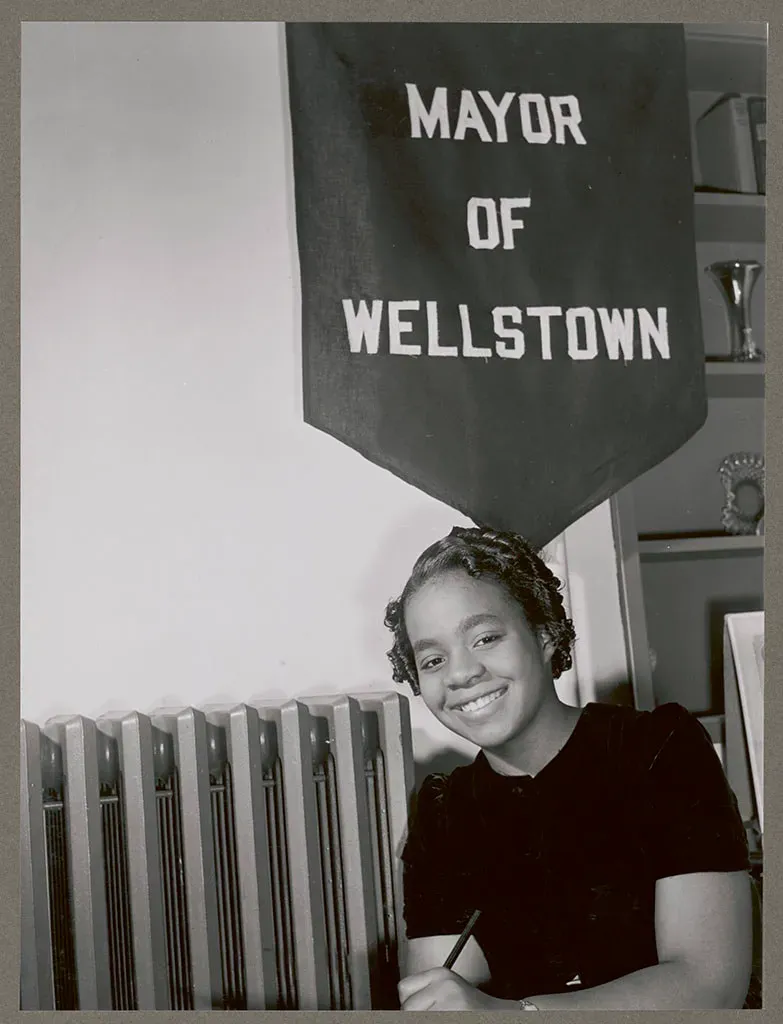
Ida B. Wells was an investigative journalist who risked her life to document lynchings in the American South during the late 1800s and early 1900s. Her work exposed the horrific reality of racial violence and challenged the lies used to justify it.
After her friend’s lynching in Memphis, she investigated and published detailed accounts proving that economic competition, not crime, motivated most lynchings. Her Memphis newspaper office was destroyed by a white mob in retaliation. She continued her work from exile, traveling across the country and even to Europe to raise awareness.
Wells co-founded the NAACP and fought for women’s suffrage while facing racism from white suffragettes. She organized the first Black women’s suffrage organization and refused to march in the back of suffrage parades. Despite her massive influence on civil rights journalism, most Americans couldn’t pick her name out of a lineup. That needs to change.
Lise Meitner: The Physicist Behind Nuclear Fission Who Got Robbed
Lise Meitner discovered nuclear fission alongside Otto Hahn in 1938. When Hahn won the Nobel Prize in Chemistry in 1944, Meitner’s name was conspicuously absent despite her equal contribution to the discovery.
As a Jewish woman in Nazi Germany, Meitner had to flee to Sweden while continuing her research in exile. She corresponded with Hahn and provided the theoretical explanation for nuclear fission while he did the experimental work. Many historians consider her omission from the Nobel Prize one of the worst injustices in the award’s history.
Meitner refused to work on the Manhattan Project, despite being invited. She wanted nothing to do with creating weapons. Element 109, Meitnerium, was named after her, but that’s small consolation for being written out of one of the 20th century’s most important discoveries.
Sybil Ludington: The Girl Who Rode Twice as Far as Paul Revere

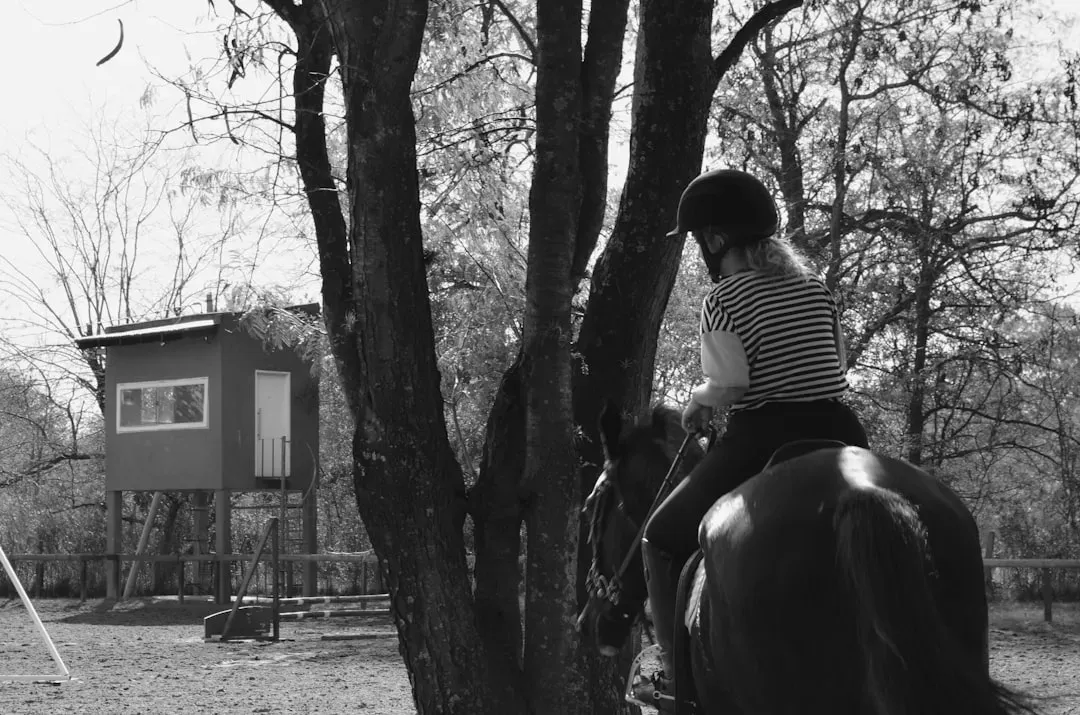
Everyone knows about Paul Revere’s midnight ride. Almost nobody has heard of Sybil Ludington, who rode nearly twice as far at age 16 to warn colonial forces about a British attack.
On April 26, 1777, Ludington rode 40 miles through the night in Connecticut and New York to muster her father’s militia regiment. She rode alone through dangerous terrain and rainy weather, knocking on doors and rallying troops. Her ride was longer and more treacherous than Revere’s famous journey.
George Washington personally thanked her for her service. Yet while every American child learns about Revere, Ludington remains virtually unknown. She didn’t get a famous poem written about her, so history forgot her contribution to the Revolutionary War. There’s a statue of her in New York, but it’s hardly enough recognition.
Grace Hopper: The Grandmother of Computer Programming


Grace Hopper invented the first compiler, which transformed computer programming from machine code into human-readable language. Without her work, modern programming wouldn’t exist. She also helped develop COBOL, one of the first high-level programming languages.
As a Rear Admiral in the U.S. Navy, Hopper was also the person who popularized the term “bug” in computing after finding an actual moth in a computer. Her contributions to computer science are foundational, yet most people couldn’t name her if asked who invented modern programming.
Hopper fought against the “we’ve always done it this way” mentality throughout her career. She kept a clock on her wall that ran backwards to remind people that just because something worked in the past doesn’t mean it’s the best way forward. She worked into her 80s and received the Presidential Medal of Freedom in 2016, decades after her death. Better late than never, I suppose.