Most people who inherit a box of old records from a grandparent or find a crate in the attic assume they’re looking at nostalgic clutter. A worn sleeve, a plain white cover, a familiar album title – none of it seems especially significant until you flip the record over and notice something slightly off. The label looks different. The serial number is unusually low. The track listing doesn’t quite match what you remember.
That quiet moment of confusion is exactly where serious collectors have struck gold. Global vinyl revenue hit over a billion dollars in the US alone in 2025, the first time above that mark since 1983, and prices have climbed significantly since 2020. The secondhand vinyl economy is enormous, with Discogs alone cataloging over 105 million items and generating hundreds of millions in annual sales. The records listed below aren’t hypothetical rarities locked in museum vaults. They’re real pressings that have turned up in storage units, at estate sales, and tucked inside cardboard boxes in ordinary homes.
The Beatles – “The White Album” Low-Numbered UK First Pressing (1968)
When the Beatles released their self-titled double album in 1968, every copy pressed in the UK was given an individual serial number embossed on the plain white cover. Most people who owned a copy never thought twice about those digits. The Beatles’ self-titled 1968 album ranks among the most collectible vinyl records ever pressed, with certain first pressings and rare variations commanding prices from $200 to over $10,000. UK first pressing copies with low serial numbers, especially those numbered below 10,000 and in Near Mint condition, regularly sell for $2,000 to $10,000.
The most valuable Beatles White Album ever sold was UK first pressing number 0000001, originally owned by Ringo Starr, which fetched $790,000 at Julien’s Auctions in December 2015. Market trends show steady appreciation for top-condition first pressings, with Near Mint UK mono copies appreciating approximately eight to twelve percent annually over the past five years. If you have a copy with the title embossed rather than printed, find the serial number and look it up. It may be worth far more than you’d expect.
The Beatles – “Yesterday and Today” Butcher Cover First State (1966)
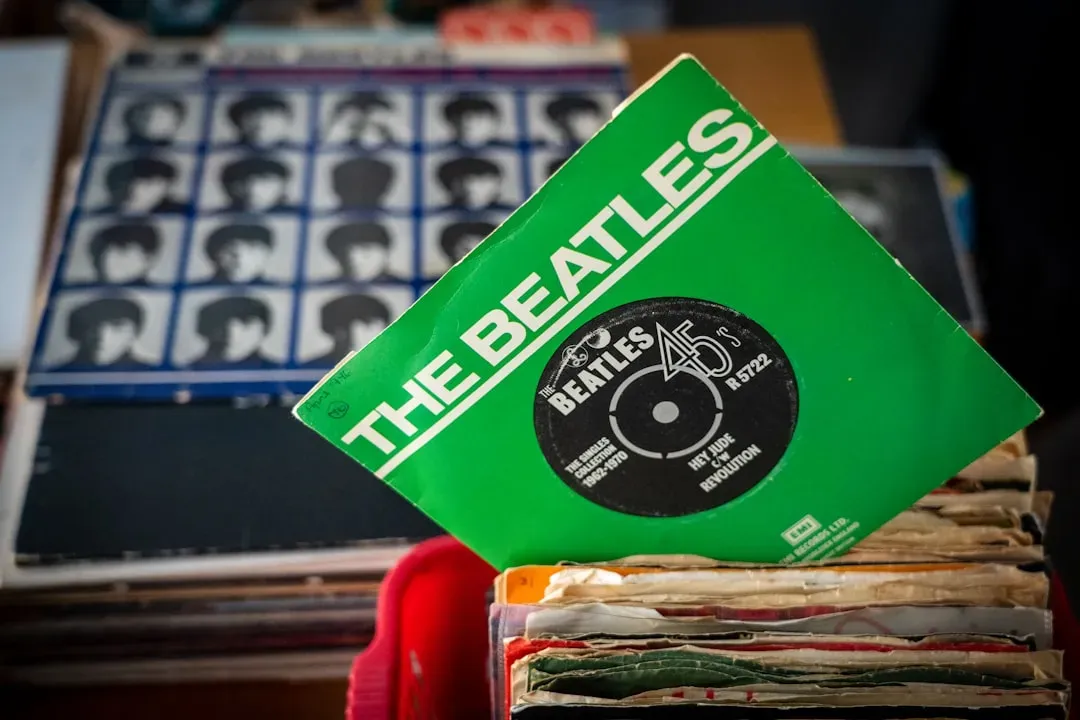
This is arguably the most famous recalled record in history. Roughly 750,000 albums with the shocking butcher cover art were produced by Capitol Records, and before the album was released to the general public, several hundred copies were sent to music industry insiders such as radio DJs and music critics. Capitol Records quickly withdrew the cover and replaced it with an innocuous photo glued over it, and “First State” copies with the original uncensored cover in excellent condition can be worth between $15,000 and $38,000.
Excellent condition butcher cover copies of “Yesterday and Today” bring five figures on the auction block – one sold for $17,000 on eBay in May 2024. The “first state” covers that never had the second cover pasted over them are among the rarest and most valuable of all records. Even paste-over copies, where the original cover was simply glued beneath the replacement, have real collector value. The key detail to check is whether you can faintly see the original artwork bleeding through on the cover.
Bob Dylan – “The Freewheelin’ Bob Dylan” Withdrawn Tracks Pressing (1963)
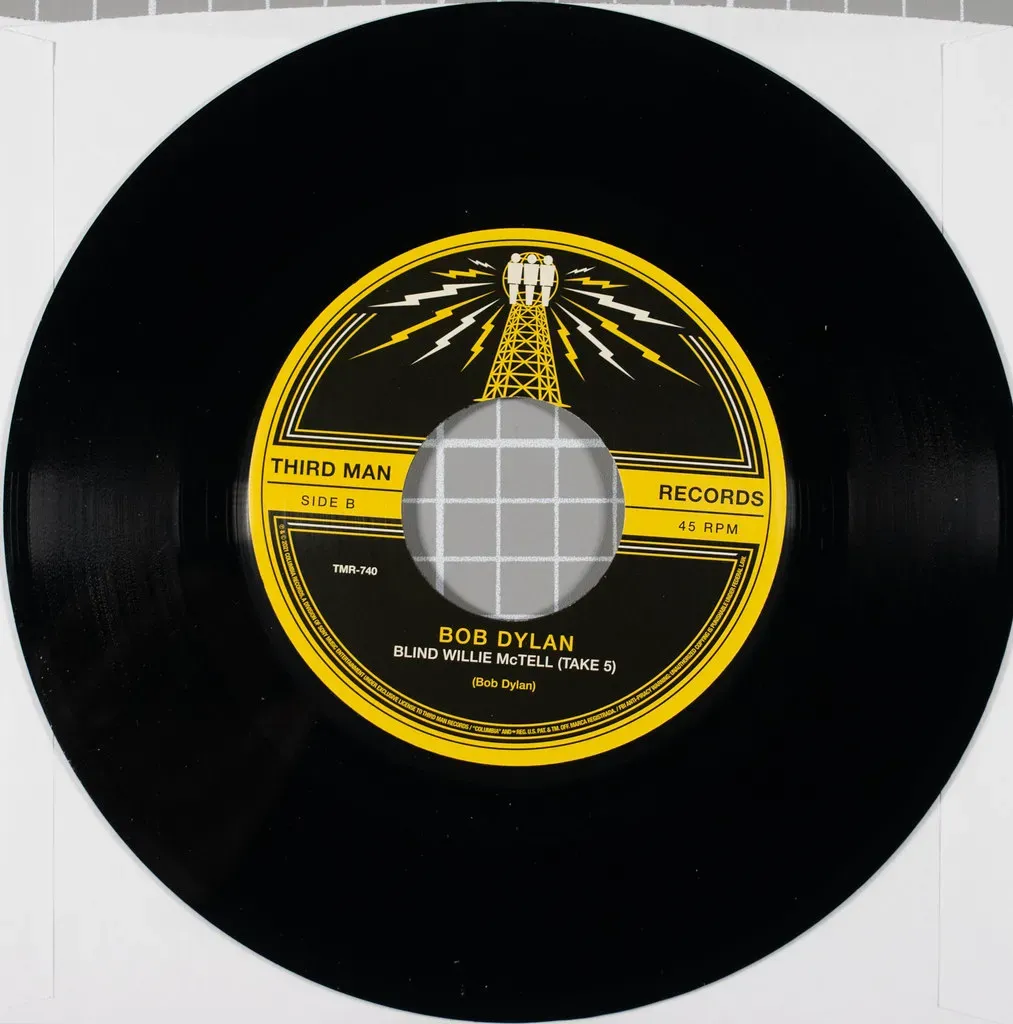
This one is the result of a genuine pressing plant mistake, and it remains one of the most coveted accidental rarities in all of recorded music. The original pressing of “The Freewheelin’ Bob Dylan” features four rare, unreleased tracks that Columbia Records replaced before the album’s release, likely because songs like “Talkin’ John Birch Blues” had been censored – but someone at the pressing plant made a mistake, and a batch of records was pressed with the old stampers containing the withdrawn songs. Only two stereo copies are known to exist, along with fewer than 20 mono copies.
A stereo copy of this album sold at Heritage Auctions for $150,000 – two and a half times its pre-auction estimate of $60,000. Collectors have long used a physical clue to hunt for these copies: on the rare original pressing, “A Hard Rain’s A-Gonna Fall” appears as the widest groove band in the third position on side one, while on common pressings, it lands in the final spot. If you own a copy where the groove positions don’t match what’s printed on the label, you could be holding something extraordinary.
Sex Pistols – “God Save the Queen” A&M Records Single (1977)
The Sex Pistols were dropped by A&M Records in March 1977, just days after signing, amid growing controversy over the band’s public behavior. Around 25,000 copies of “God Save the Queen” were pressed but then withdrawn prior to sale, and A&M dropped their contract with the band and ordered all copies destroyed. Several copies, however, found their way into circulation. One of these A&M pressings recently sold for nearly $15,000, and just nine copies of the record are known to exist.
The original A&M Records edition is one of the rarest vinyl records in the world. Of the 25,000 copies pressed, almost all were destroyed after the contract with the label was terminated, and the rare survivors, estimated at fewer than ten, can be worth between £10,000 and £20,000. Genuine originals can be identified by the serrated anti-slip necklace and “7284” written twice on the side B runout groove, one above the other. The chance of finding one is slim, but it’s not zero.
Led Zeppelin – “Led Zeppelin I” Turquoise Lettering UK Pressing (1969)
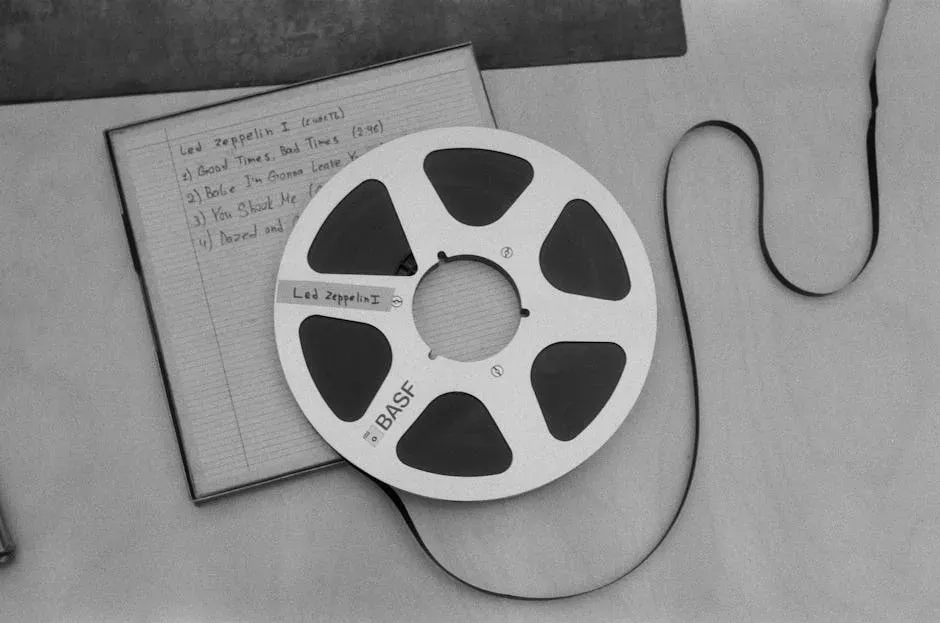
Led Zeppelin’s debut album is not hard to find. Millions of copies were pressed, and it’s a record many households quietly still own. The version almost everyone has features orange lettering on the cover. The valuable copies have turquoise lettering and the famous picture of the Hindenburg crash on the cover, but buyers should not be led astray by a reproduction, which may have the turquoise lettering on the front but will not have the title or a catalog number along the spine. If the font is turquoise, your vinyl could be worth close to four thousand dollars.
The original UK pressing with turquoise lettering is particularly rare, making it a significant collector’s gem. The turquoise lettering appeared only on an early batch of UK pressings before the cover art was standardized, and most owners have never realized the distinction. Checking the spine for a catalog number, then comparing the font color under good lighting, takes about thirty seconds and could be a genuinely useful thirty seconds.
Prince – “The Black Album” Original 1987 Pressing
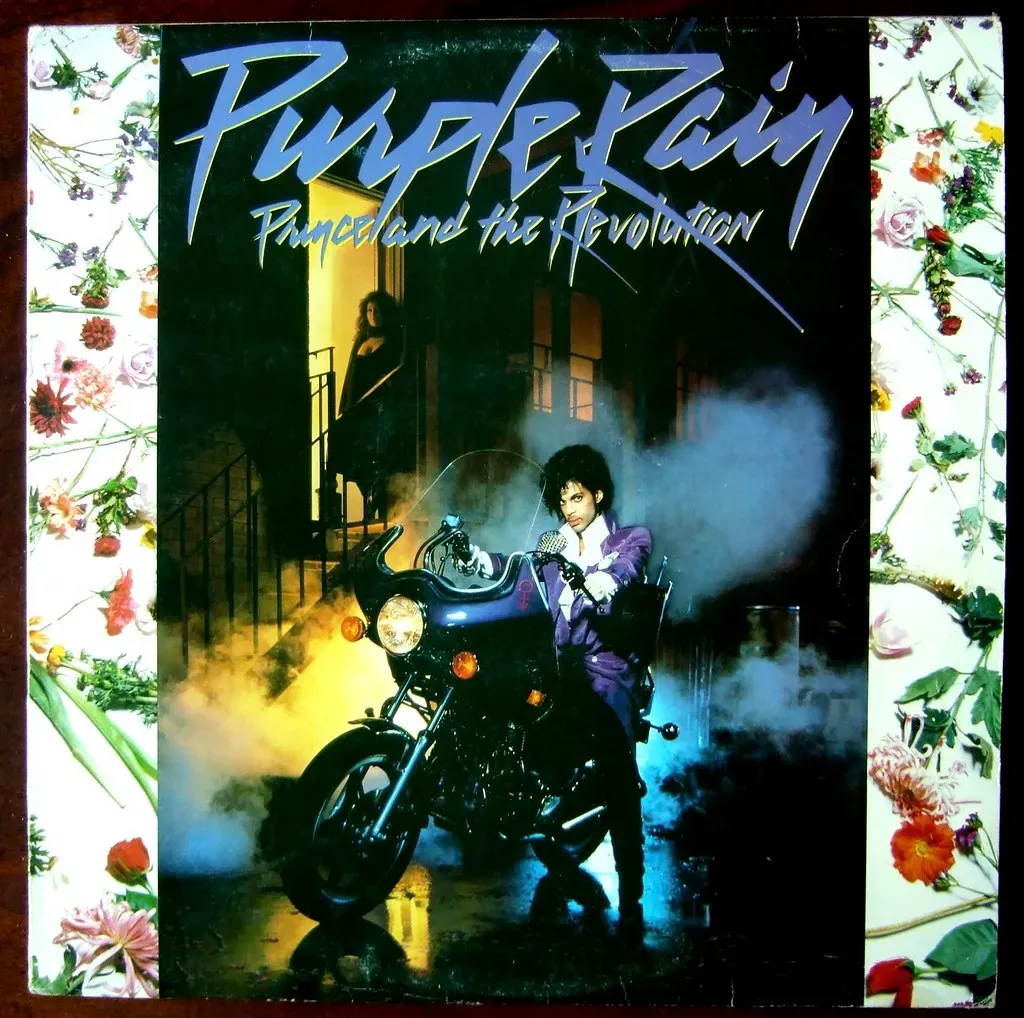
Prince’s unreleased “Black Album” has one of the most dramatic withdrawal stories in music history. Prince attempted to reclaim and destroy all 500,000 copies of The Black Album back in 1987, just days before its scheduled release. Original copies of The Black Album are among the rarest vinyl records you can find today. It’s not even known how many copies are still out there, though almost all that have been sold were promo copies sent to journalists and radio stations, and only one non-promo copy has ever been sold – saved by a rogue employee at the Canadian pressing plant.
Two copies of the 1987 pressing of Prince’s “Black Album” each sold for $20,000. The Black Album was eventually re-released on vinyl, but that has not made original pressings any less valuable. Originally intended for release in 1987, Prince withdrew the album shortly before its debut, making original pressings extremely rare and valuable. Promo copies occasionally surface in collections belonging to former music journalists or radio staff from that era. If an older relative worked in the industry in the late 1980s, it’s worth asking what’s in their record collection.
The common thread across all six of these records is that their value isn’t obvious at a glance. They look like ordinary albums. They sit in crates, closets, and basements without ceremony. What separates a common pressing from a five-figure discovery is usually one small detail: a serial number, a font color, a groove pattern, or a label that was never supposed to leave the pressing plant. Before assuming that dusty box is worthless, look at the dead wax – the smooth area between the last groove and the label – where stamped or etched codes identify the exact pressing plant, master, and run. That code is the record’s fingerprint. It costs nothing to look, and occasionally, it changes everything.