There’s a particular kind of magic that happens when an artist takes someone else’s song and comes back with something entirely unrecognizable yet undeniably better. It doesn’t happen often. Most covers are serviceable at best, a faithful tribute or a curious experiment. But occasionally, a cover arrives and rewrites the entire story of a song so thoroughly that the original feels like a rough draft.
The six covers below didn’t just borrow from their source material – they transformed it. Some flipped the emotional meaning, others fused genres that had never touched, and a few made listeners forget there was ever an original at all. These are the ones worth knowing.
1. Aretha Franklin – “Respect” (Originally by Otis Redding, 1965)
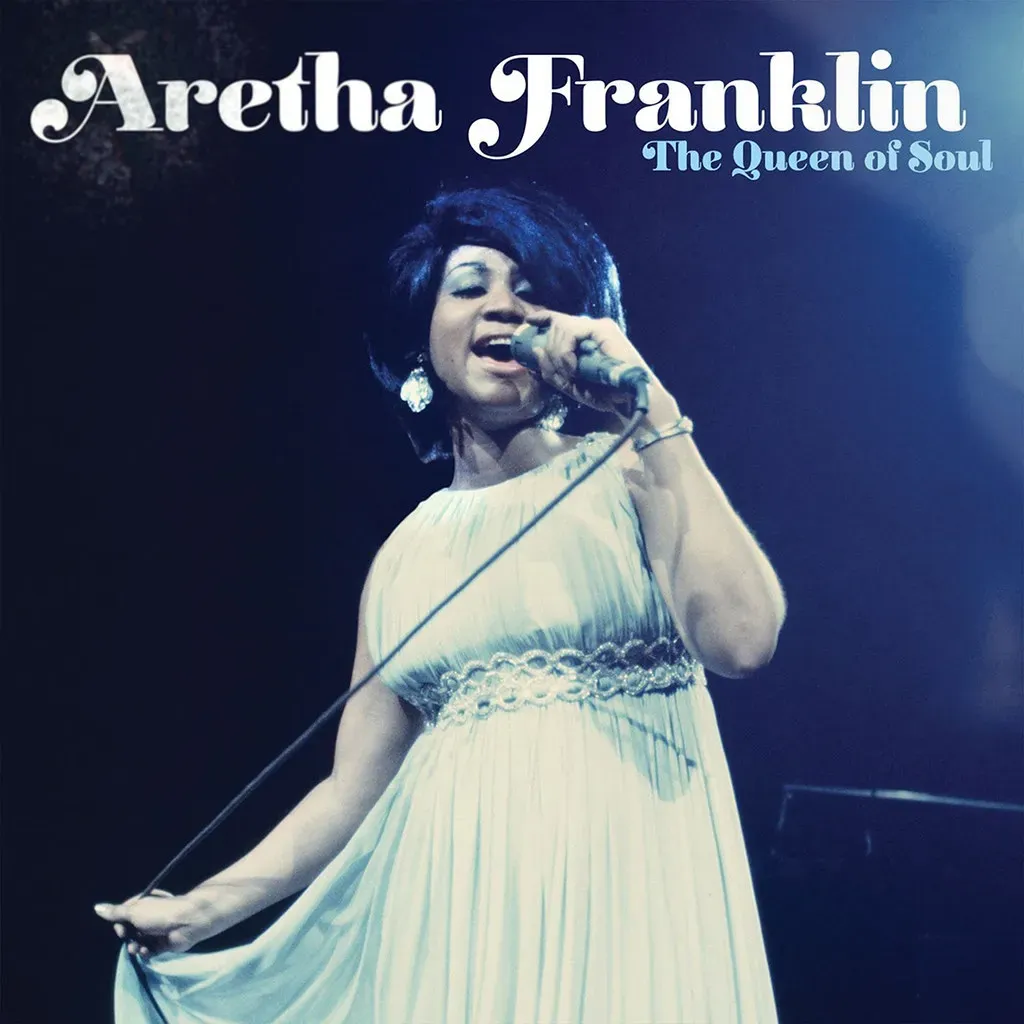
Otis Redding originally released it in 1965, but the true power of this song wasn’t unlocked until two years later, when a rising R&B singer named Aretha Franklin turned it into an irrepressible feminist anthem. Redding’s version was a call from a desperate man who will give his woman anything she wants, as long as he gets his respect when he brings money home. Aretha’s version, however, came from a strong, confident woman who knows she has everything her man wants – and demands his respect.
Her powerful vocals and assertive delivery made the song an anthem for both the feminist and civil rights movements. Franklin’s version soared to the top of the charts, earning her two Grammy Awards and a permanent place in music history. Aretha Franklin’s version of “Respect” is so definitive that it might make you think Otis Redding wrote the song specifically for her – and it was Franklin’s decision to add the climactic “R-E-S-P-E-C-T / Find out what it means to me” lines, which are now impossible to imagine the song without.
2. Jimi Hendrix – “All Along the Watchtower” (Originally by Bob Dylan, 1967)

Bob Dylan’s original version of “All Along the Watchtower,” simply arranged with a trotting acoustic trio behind him, presents a striking cast of characters. Every scene in Dylan’s rendition is like a silent, close-up shot in black and white. Jimi Hendrix’s cover, recorded just a year later, is a panoramic, technicolor masterpiece to rival the original. Hendrix builds upon the cryptic spookiness at the song’s core with lush studio overdubs, miles of reverb, and that unmistakable guitar, howling like the wind.
The transformation was so profound that even Dylan started performing the song in Hendrix’s style – a rare nod from the original artist. Critics have long cited Hendrix’s version as one of rock’s greatest covers, with publications highlighting its explosive guitar solos and new sense of urgency. The song’s message suddenly felt more intense and relevant, thanks to Hendrix’s passionate delivery. It’s one of the clearest examples in music history of a cover permanently reclaiming its source material.
3. Johnny Cash – “Hurt” (Originally by Nine Inch Nails, 1994)
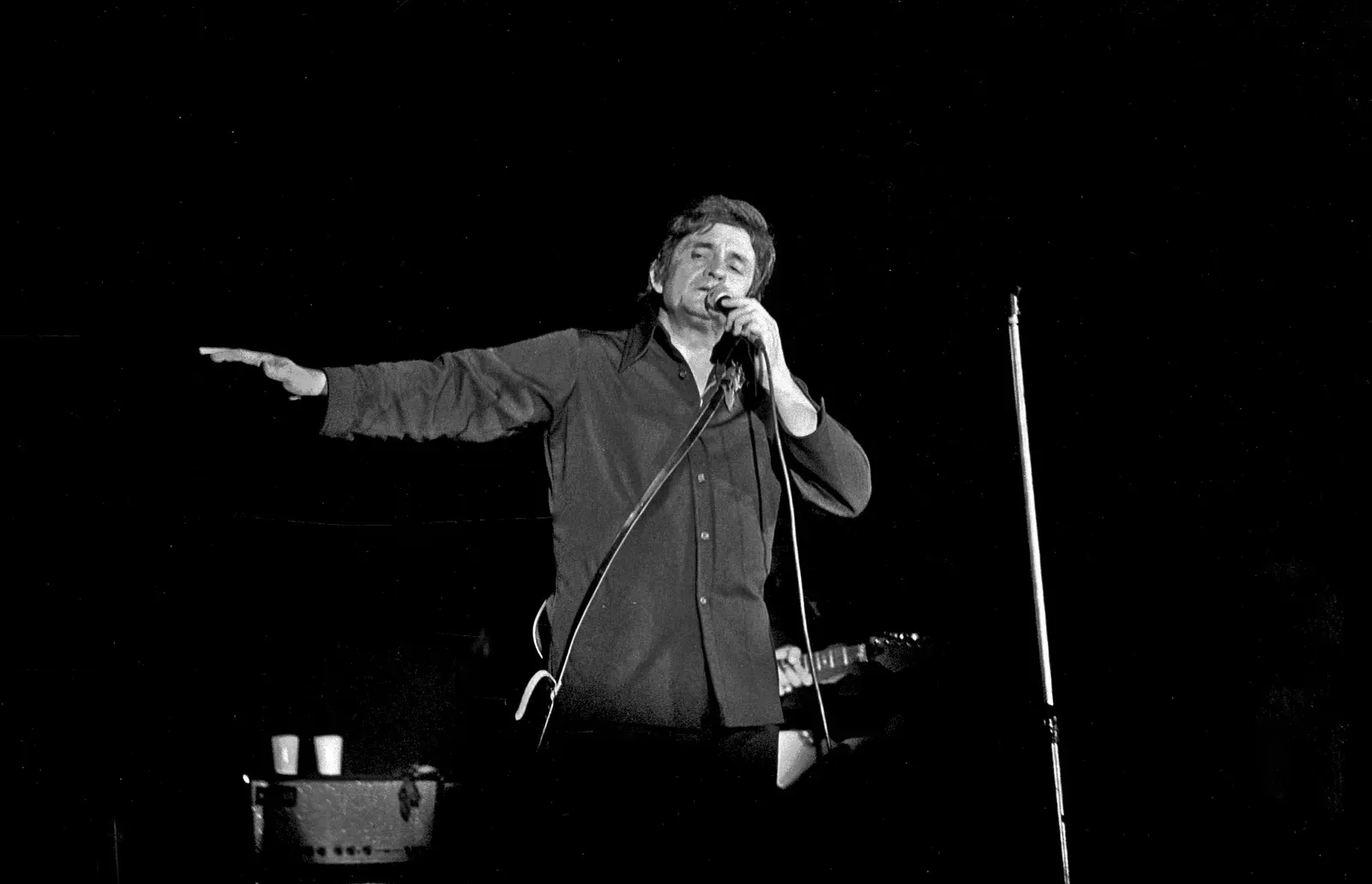
The utterly bleak Nine Inch Nails song was written when Trent Reznor hadn’t even turned 30 years old. Cash’s take, sung near the end of his life, took on new meaning, filled with personal history and a calm defiance. It’s one of the greatest cover songs recorded in the 21st century. For a song as heavy with melancholy as “Hurt” already was, Cash’s straightforward reading of it still somehow added weight. His reckoning with his own mortality and 71 years of transgressions feels pure, poignant, and not at all gimmicky – a worry Trent Reznor expressed when first approached about the recording.
Partner offer
Originally an industrial metal track by Nine Inch Nails in 1995, it was covered in 2002 by Johnny Cash, a year before his death. Its accompanying video, featuring images from Cash’s life and directed by NIN collaborator Mark Romanek, won several awards. What made Cash’s version historic wasn’t just the performance – it was the unbearable honesty of a man at the end of his life singing a young man’s crisis. The two experiences met in that recording and became one.
4. Sinéad O’Connor – “Nothing Compares 2 U” (Originally by Prince/The Family, 1985)

“Nothing Compares 2 U” was written by Prince, who recorded a demo in 1984. In 1985, Prince’s funk band the Family released their sole studio album including the track – but it was not released as a single and received little recognition. Recorded in 1985 with a funky, experimental arrangement, the song was never released as a single and remained largely unknown. Released in 1990 on I Do Not Want What I Haven’t Got, O’Connor’s minimalist interpretation transformed it into a global hit, topping charts in over 30 countries. She slowed the tempo, emphasized haunting vocals, and highlighted emotional intensity, making it universally relatable.
Just like Prince, O’Connor didn’t take long to perfect the song. Recorded in one take, she nailed the vocals with uncompromising earnestness. Listening to it back, it’s clear why this is the definitive version of “Nothing Compares 2 U.” The whole thing is stripped back to only the essential parts, allowing O’Connor’s haunting vocals to resonate over all else. In December 1990, Billboard magazine named “Nothing Compares 2 U” the number one world single of 1990 at its first Billboard Music Awards.
5. Run-DMC – “Walk This Way” (Originally by Aerosmith, 1975)

Aerosmith’s “Walk This Way” was originally released as the second single from the album Toys in the Attic in 1975. It peaked at number 10 on the Billboard Hot 100 in early 1977, part of a string of successful hit singles for the band in the 1970s. Run-DMC’s cover peaked at number four on the Billboard Hot 100 – a full six places higher than Aerosmith’s original – and became the first rap song to crack the Top 10. For the first time ever, mainstream rock and pop radio were playing hip-hop, a still largely underground genre that would ultimately come to dominate American music and conquer the globe.
By 1986, Aerosmith was dangerously close to falling into the “washed up” category. Guitarists Joe Perry and Brad Whitford had left the band, and at the same time, substance abuse was running rampant within the group, further lowering the quality of their output. As a result, the band’s hits had all but dried up. This cover was a touchstone for the new musical subgenre of rap rock, the melding of rock and hip hop. It became an international hit, reaching number four on the Billboard charts, and won both groups a Soul Train Music Award for Best Rap Single in 1987.
6. Jeff Buckley – “Hallelujah” (Originally by Leonard Cohen, 1984)
Consider one of the undisputed best: “Hallelujah” by Jeff Buckley. Why this song? It’s Leonard Cohen’s masterpiece, refined over years, but dated by his eighties synth-driven style. Yet every word, every chord change is a testament to the song’s greatness. Jeff Buckley’s “Hallelujah” is often considered the definitive version, even surpassing Leonard Cohen’s original in popular recognition. Buckley stripped the song down to its bare emotional bones, his voice trembling with vulnerability over gentle guitar picking. This haunting approach has led many critics and outlets to praise Buckley’s cover as a modern classic.
“Hallelujah” is commonly known as one of the most covered songs of all time. Among over 300 known versions, Jeff Buckley’s stands out above the rest, although it was not an instant hit. It wasn’t released as a single until 2007, after Buckley’s death in 1997, so he sadly did not live to see the true extent of this song’s success. The song’s depth and sincerity have made it a fixture in movies, TV, and even weddings and funerals. Buckley’s performance brings a spiritual weight that resonates deeply with listeners, inviting them into a private world of longing and beauty.
Partner offer
Planning a trip to Vegas?
Compare hotel rates and show tickets on VEGAS.com.