There’s something electric about live music rooted in its own soil. Regional showcases and music festivals have quietly grown into more than just entertainment – they’ve become vital platforms where cultural identity meets economic impact. While megafestivals grab headlines, smaller local showcases bring communities together and offer musicians a stage to share their distinct regional character. In a world increasingly dominated by digital streams, these physical gatherings remind us why live music matters. They’re where traditions are kept alive, where new talent finds its footing, and where the heartbeat of a region becomes audible.
South by Southwest (Austin, Texas): Where Careers Are Launched

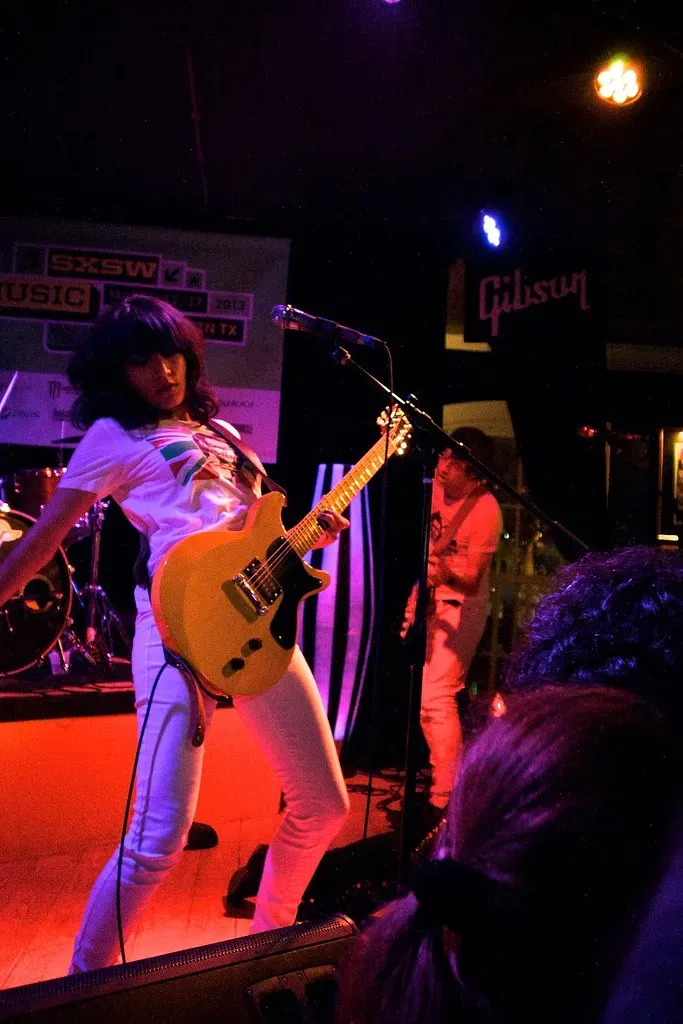
South by Southwest in Austin has evolved into more than a festival – it’s essentially a launchpad for emerging artists across genres like indie, hip-hop, rock, and global sounds, with its unique blend of music, film, and interactive media. Every March, downtown Austin transforms into a sprawling musical ecosystem. Picture hundreds of venues, from dive bars to concert halls, all pulsing with fresh talent.
The American Music Tourism Act of 2024 aims to promote U.S. musical heritage to boost domestic and international travel. SXSW has become a cornerstone of that vision. Honestly, it’s hard to think of another event where an unsigned band can walk in on Monday and have agents knocking on their door by Thursday. This festival creates opportunities that simply don’t exist elsewhere. It’s where industry professionals converge to discover the next big thing, and it shows – careers have been made overnight here.
Montana Folk Festival (Butte): Celebrating World Music in Big Sky Country

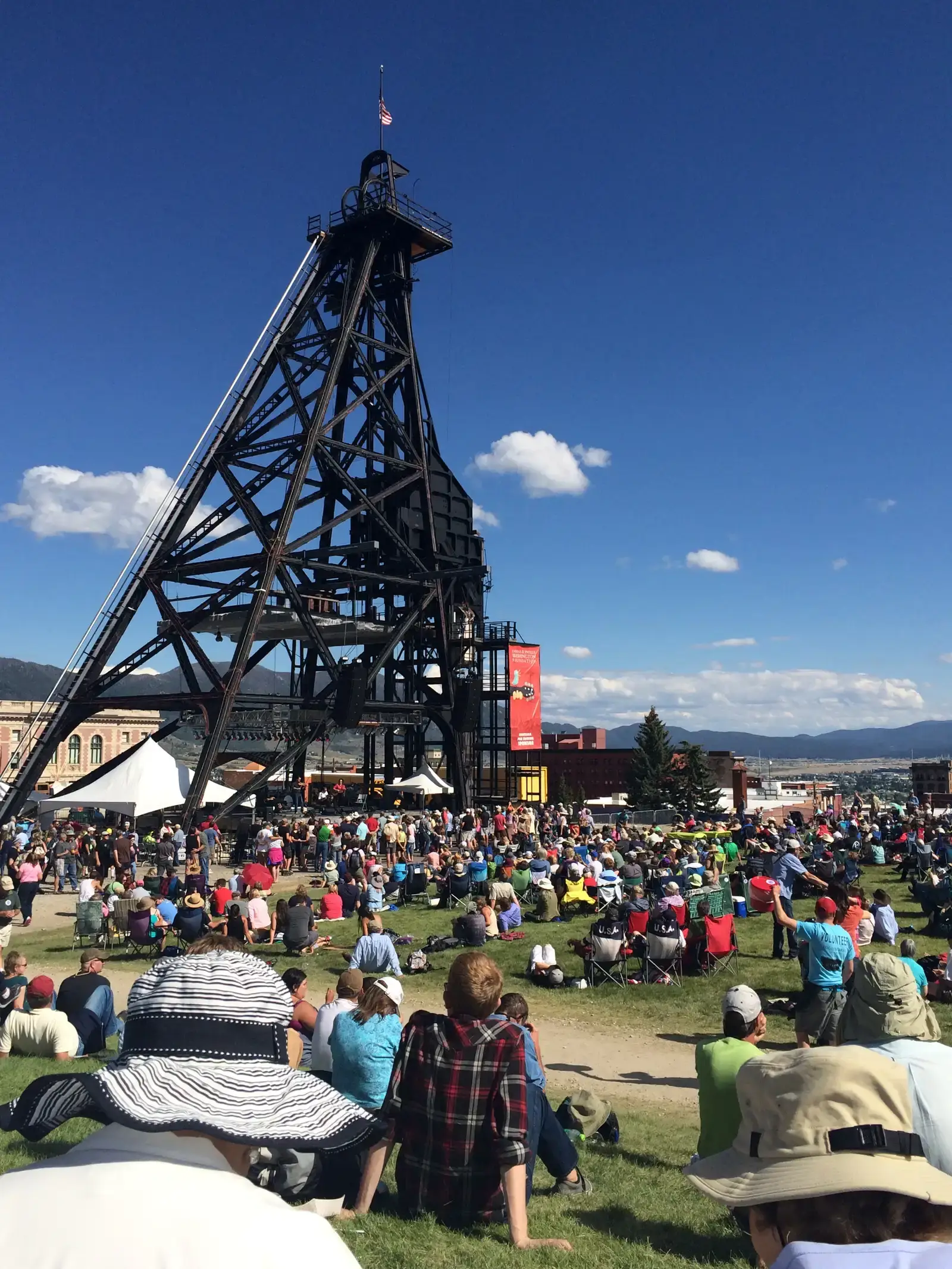
The Montana Folk Festival set for July in downtown Butte always has free admission, showcasing folk styles from around the world including Norwegian fiddle, Irish, mariachi, zydeco, cumbia, old time and bluegrass. What sets this event apart is its commitment to accessibility and cultural diversity. Wandering through downtown Butte, you’ll encounter musicians playing Chinese instruments alongside Filipino string ensembles and Native American drum groups.
This festival celebrates Montana’s rich and diverse cultural traditions, bringing together some of the best traditional musicians and dancers from around the country, offering a unique opportunity to experience different musical genres including blues, gospel, bluegrass, Cajun, Native American, and more. The festival doesn’t charge admission, which means families can spend entire weekends immersed in global sounds without worrying about ticket costs. That’s a deliberate choice that reflects Montana values – community over commerce. It creates an environment where cultural exchange happens organically.
Richmond Folk Festival (Virginia): A Multi-Cultural Musical Tapestry

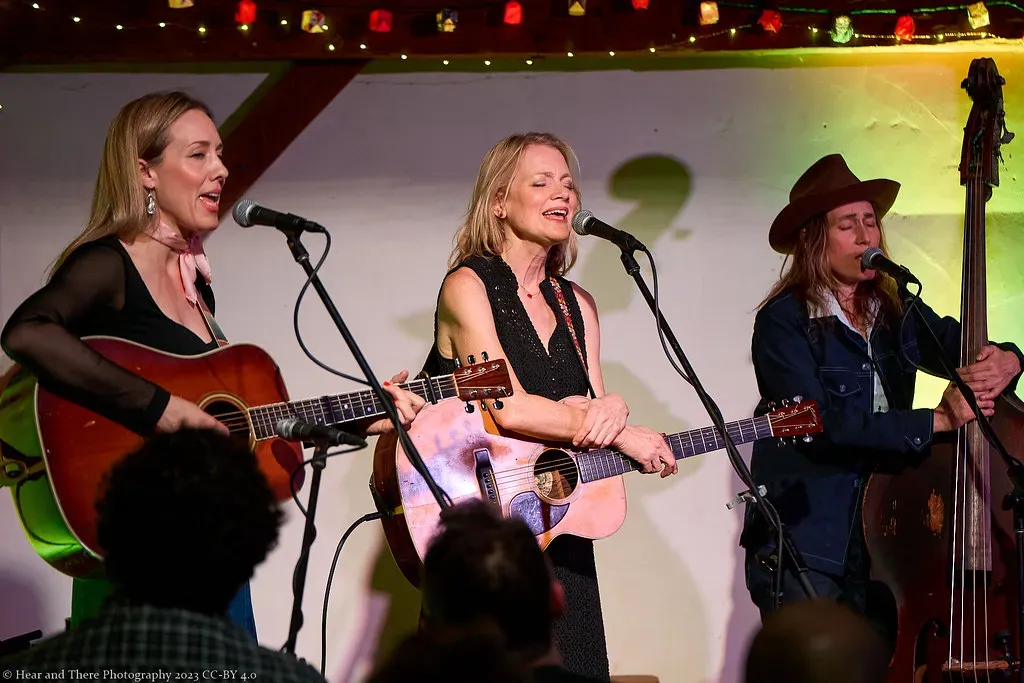
The Richmond Folk Festival showcases an extraordinary range of global traditions in one location. This music nearly vanished before becoming the most prominent symbol of a regional resurgence, led by Canzoniere Grecanico Salentino from Italy, who returned to celebrate the festival’s 20th anniversary. Walking along Richmond’s riverfront during festival weekend, you might hear Indonesian gamelan percussion one minute and Colombian Pacific coast rhythms the next.
The festival brought attention to Pakistan’s Ustad Noor Bakhsh, a master of the electric benju, a rare five-stringed keyed zither unique to Balochistan, who came to global attention at age 77 thanks to online discovery by anthropologists. Richmond demonstrates how regional showcases can serve as cultural educators, introducing audiences to musical traditions they’d never encounter otherwise. The festival operates as a living museum where preservation meets celebration.
Music in the Mountains (Montana): Spotlighting Emerging Regional Talent

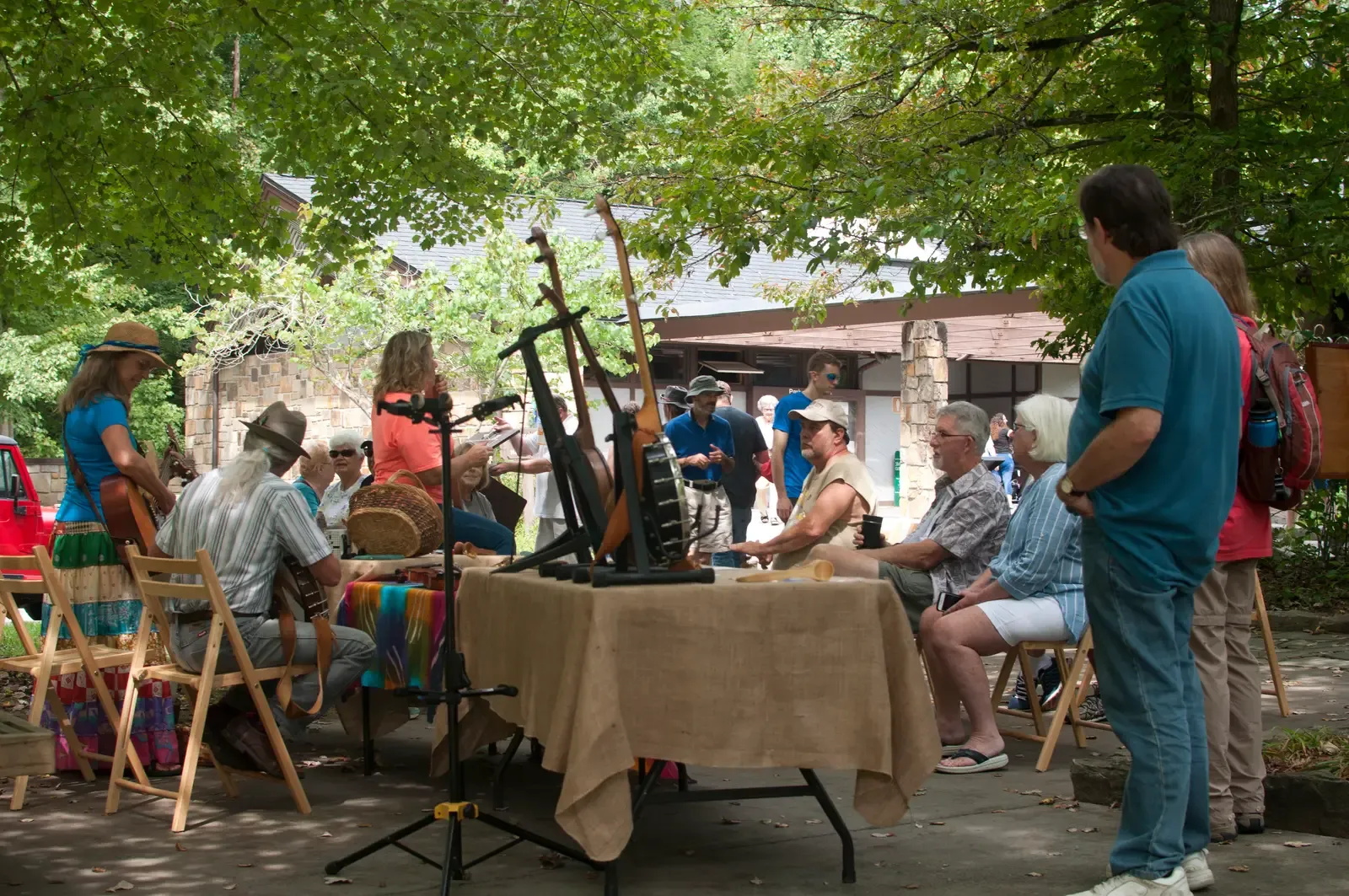
Thanks to the Spanish Peaks Community Foundation, the Emerging Artist Series showcases local and regional opening bands to the weekly concert audience by featuring the area’s best up-and-coming talent. This summer concert series in Montana prioritizes giving emerging musicians a platform before larger touring acts take the stage. It’s a smart model that recognizes talent development as essential infrastructure.
Throughout the summer months, the festival brings both regional and national acts to outdoor venues where the mountains provide a dramatic backdrop. The Sweet Pea Festival includes locals like Ben Busalacci of The Cactus Cuts and Mint, while SLAM’s free summer festival features local performers yet to be announced. Montana’s music ecosystem thrives because festivals like these invest in homegrown artists, ensuring the next generation has opportunities to grow.
Blues on the Fox (Aurora, Illinois): Intimate Settings for Authentic Blues

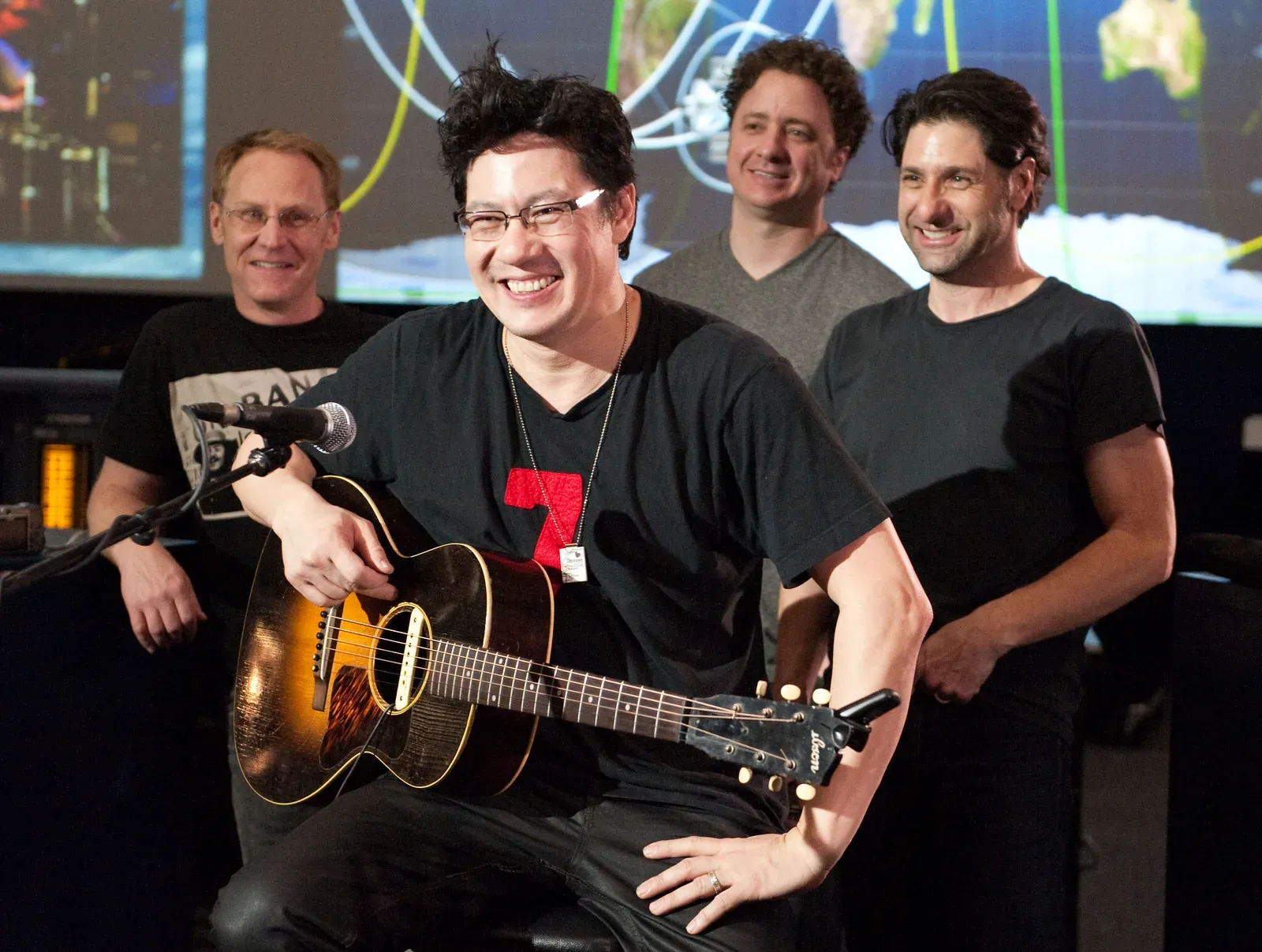
Blues on the Fox emphasizes local and regional blues talent, creating an intimate setting where music fans can soak up authentic blues in a relaxed, historic environment along the scenic Fox River. This two-day June festival might not have the scale of major urban festivals, but that’s precisely its strength. The proximity between performer and audience creates a connection that larger venues can’t replicate.
Blues has always been about storytelling and raw emotion. When you’re standing fifteen feet from a guitarist who’s channeling decades of tradition, you feel it differently. Local music festivals are more than just events – they’re cultural phenomena that showcase regional talent and encourage grassroots support, fostering community and highlighting local heritage, with 2024-2025 festivals focusing on inclusivity, sustainability, and innovation. Aurora’s festival demonstrates how smaller cities can create significant cultural moments by honoring authentic musical traditions.
Carolina Music Festivals (North Carolina): Supporting Emerging Bluegrass and Americana

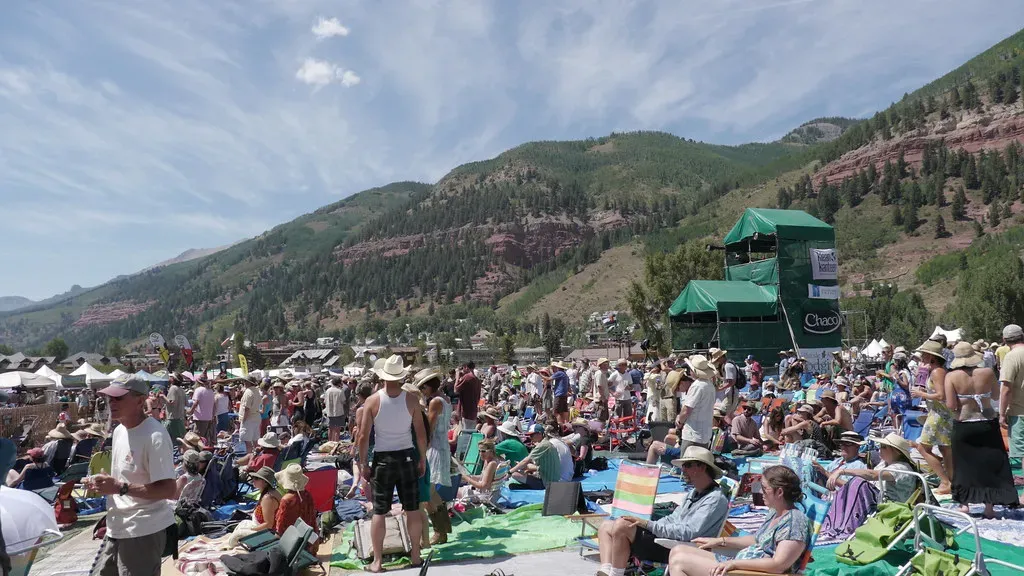
Shakori Hills presents concerts, musician showcases, square dances, and competitions that award cash prizes in Old Time String Band, Bluegrass Band, Fiddle, Banjo, Guitar, Mandolin, Bass, Folk Song categories, along with musicians’ and dance workshops. North Carolina’s landscape hosts numerous regional showcases throughout the year, from the mountains to the coast. The Hoppin’ John Old-Time and Bluegrass Fiddlers’ Convention in Pittsboro offers musicians actual cash prizes and meaningful recognition.
The Blue Ridge Music Center’s Deep Roots, Many Voices Summer Outdoor Concert Series highlights women who are leading the way in refining, adapting, and redefining American roots and traditional mountain music. Carolina’s festivals don’t just present music – they actively cultivate it through competitions, workshops, and multigenerational participation. Honestly, watching young fiddlers compete against seasoned players reminds you that traditional music isn’t dying; it’s evolving in real time.
The Economic Power Behind Regional Music Events
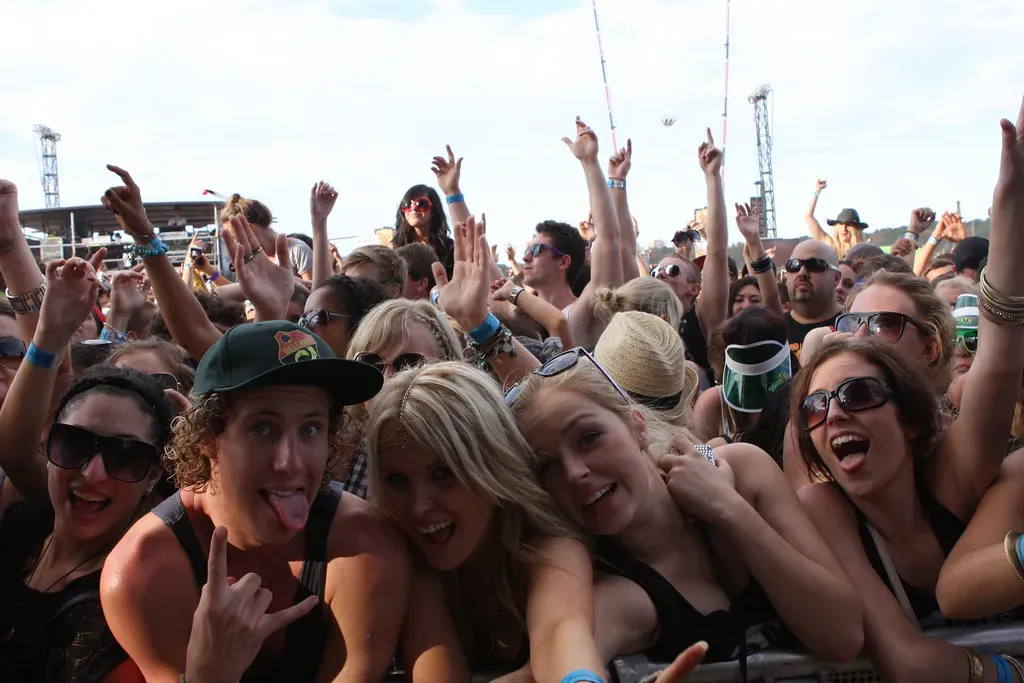
The global music tourism market was estimated at USD 96.78 billion in 2024 and is expected to reach USD 267.85 billion by 2030, growing at a CAGR of 18.8%. Regional showcases represent a significant portion of that growth. The U.S. music tourism market was estimated at USD 27.58 billion in 2024, with over 800 music festivals annually, and approximately 54% of American adults having attended at least one festival.
The economic ripple effects are substantial. The Outback Trail music festival in Queensland generated over $750,000 for the local economy in 2024, while global festivals like the Montreal Jazz Festival draw 2 million visitors. In 2024, Coachella generated more than 10,000 jobs alone. Even smaller festivals create employment, boost tourism, and support local businesses in ways that extend far beyond the event weekend.
Cultural Preservation Through Regional Music

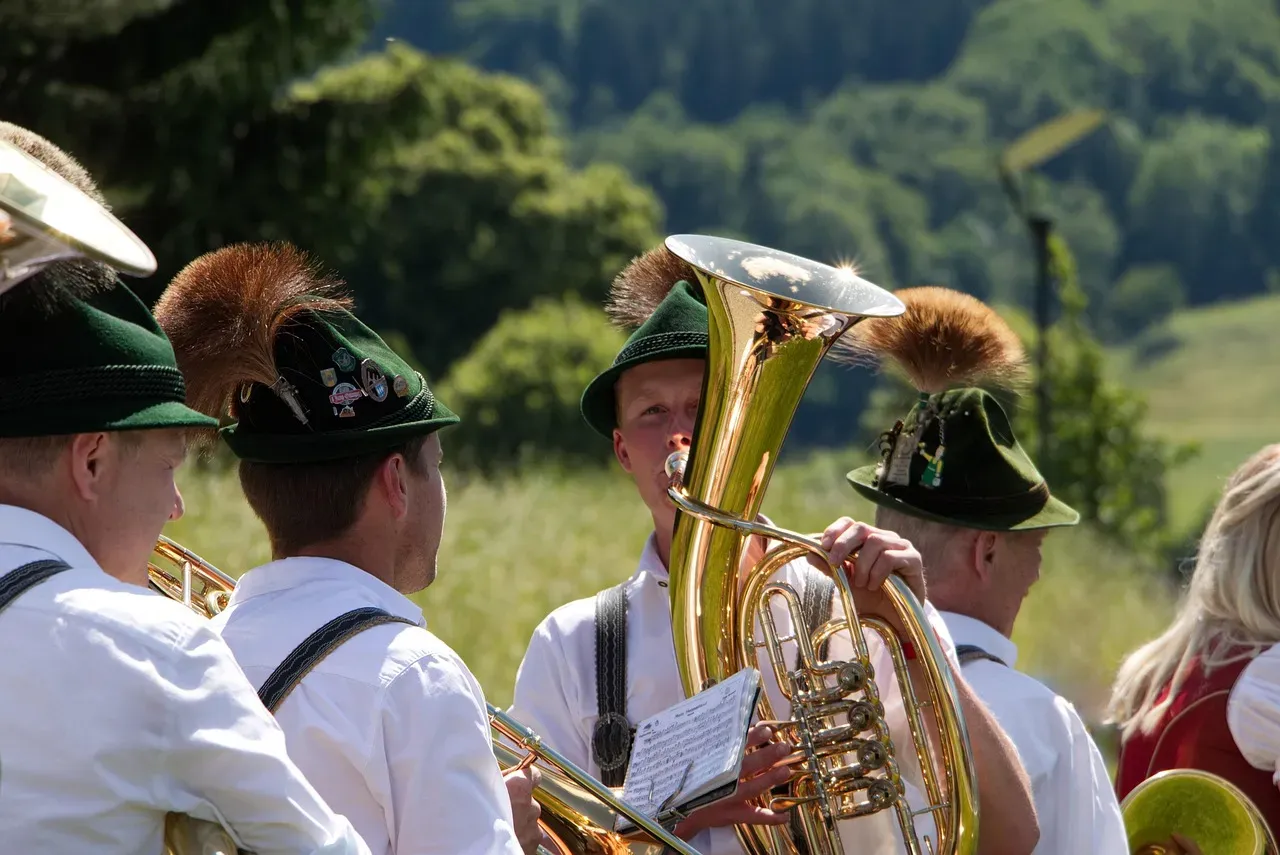
Regional showcases do something remarkable – they preserve cultural traditions while allowing them to evolve. Key players in the music festival market are focusing on promoting homegrown events that highlight local and regional talent, with festivals primarily featuring local musicians celebrating unique cultural and musical heritage of specific areas, like India’s IMP X-Festival featuring over 100 artists across 34 performances.
Live events and music festivals sew the fabrics of communities, with the New Orleans Jazz and Heritage Festival celebrating the region’s Creole, Native American, and Isleño cultures, Hawaii’s Aloha Festivals exposing over 1 million attendees to Hawaiian traditions, and Brooklyn’s Afropunk Festival celebrating alternative Black artists. These events become living archives where traditions are actively practiced rather than merely commemorated. Cultural preservation isn’t about freezing music in time – it’s about giving it room to breathe and grow within its community context.