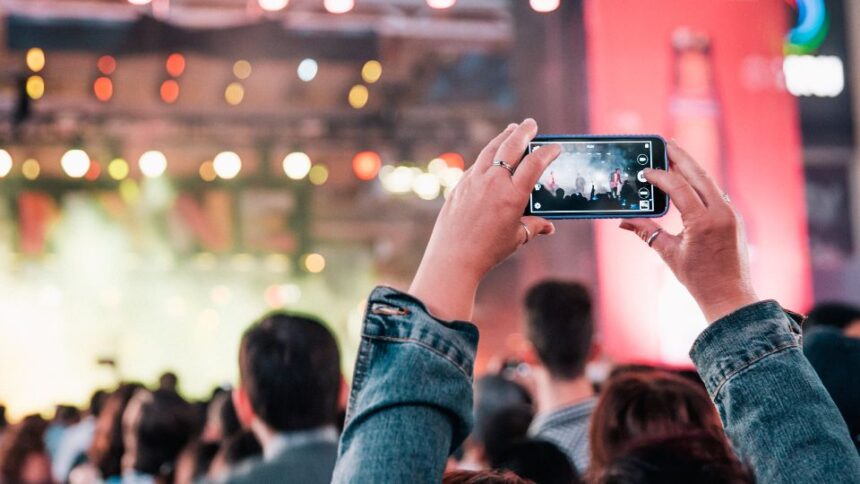
Festivals have become more than just entertainment events. They’re cultural phenomena that draw millions of people seeking connection, adventure, and moments they’ll cherish for years. Whether you’re camping out at a massive music festival or strolling through a local cultural celebration, these events offer something uniquely powerful: the chance to step outside everyday life and immerse yourself in pure experience.
Let’s be real, though. With ticket prices climbing and the sheer number of festivals competing for attention, you want to make sure your investment is worth it. Three quarters of festival attendees say they’re more willing to splurge on experiences than material possessions, which tells us something important about how people value these moments.
Understanding What Makes Festival Experiences Stick


Research indicates that five antecedents are positively related to visitors’ flow experience, which in turn positively affects visitors’ memory and behavioral intentions. What does that actually mean for you? Essentially, when you’re fully engaged at a festival, totally absorbed in the moment, your brain forms stronger memories.
About 82 percent of those who attended Woodstock in 1969 called their experience life-changing, the highest impact of all festivals measured in one study. Now obviously, most of us aren’t going to Woodstock, but this shows festivals have genuine power to shape how we see ourselves and our lives. The key is being present and open to whatever unfolds around you. It’s not just about seeing your favorite act – it’s about allowing the entire environment to work its magic on you.
Planning Ahead Without Overplanning


Here’s the thing about festival prep: you need enough structure to avoid disaster, but too much planning kills spontaneity. Smart preparation actually increases your chances of stumbling into amazing unplanned moments because you’re not stressed about basics.
Start by researching the festival thoroughly, but don’t obsess over scheduling every minute. While festivals are full of fun and freedom, having a proper plan in place will enhance your experience and ensure your first festival experience is one to remember. Check the weather forecast, understand the layout, and identify a few must-see acts or activities. Then leave breathing room. Some of the best festival memories happen when you wander off the beaten path or follow a group of interesting strangers to an unexpected stage. Pack smart – comfortable shoes, sunscreen, a reusable water bottle, and layers for changing temperatures make a massive difference.
Embracing the Social Connection

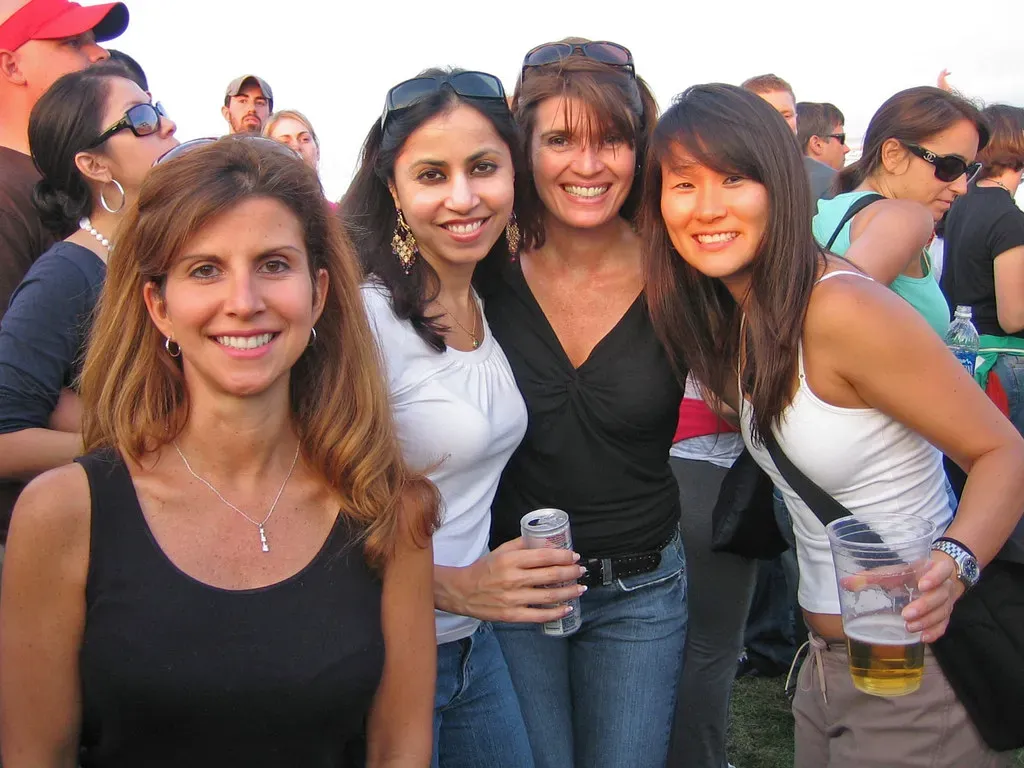
Roughly 74 percent of festival attendees say they attend to experience a sense of community. That’s huge. Festivals aren’t just about entertainment – they’re fundamentally social experiences. Even if you arrive with friends, the real magic often happens when you connect with strangers who share your enthusiasm.
About three quarters of festival attendees report they have made new friends at festivals. Strike up conversations in line, compliment someone’s outfit, share your snacks with neighbors at the campsite. Individuals who participate in community festivals with kinship groups are likely to enjoy festive and entertaining atmospheres and feel happiness, but the social benefits extend beyond just attending with people you already know. Opening yourself to new connections transforms a good time into something genuinely meaningful. I know it sounds a bit sappy, but trust me – festivals create this weird temporary world where normal social barriers dissolve.
Capturing Moments Without Living Behind Your Phone

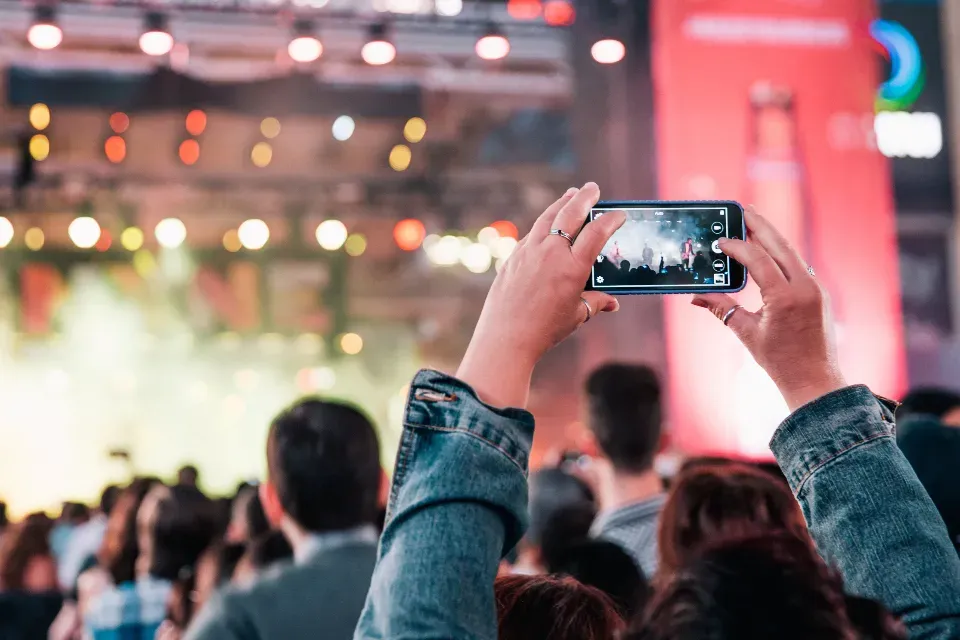
Nearly all millennials – 96 percent – share photos or videos of their festival experiences. Social media and festivals go hand in hand, but there’s a delicate balance. You want to document the experience without experiencing it solely through a screen.
Roughly 48 percent of concert attendees say they record video during the show to relive the memory later. That’s fine – capturing a few moments helps cement them in memory. The trick is being selective. Decide in advance which moments you’ll photograph and which you’ll simply absorb. Maybe you film the first minute of your favorite song, then put your phone away and dance like nobody’s watching. Modern smartphone cameras are incredibly capable, so you don’t need elaborate equipment. A few well-chosen shots will serve you better than hundreds of mediocre ones. And honestly, sometimes the best memories are the ones you can’t scroll through later – they just live in your mind, still vivid years later.
Prioritizing Your Physical and Mental Well-Being

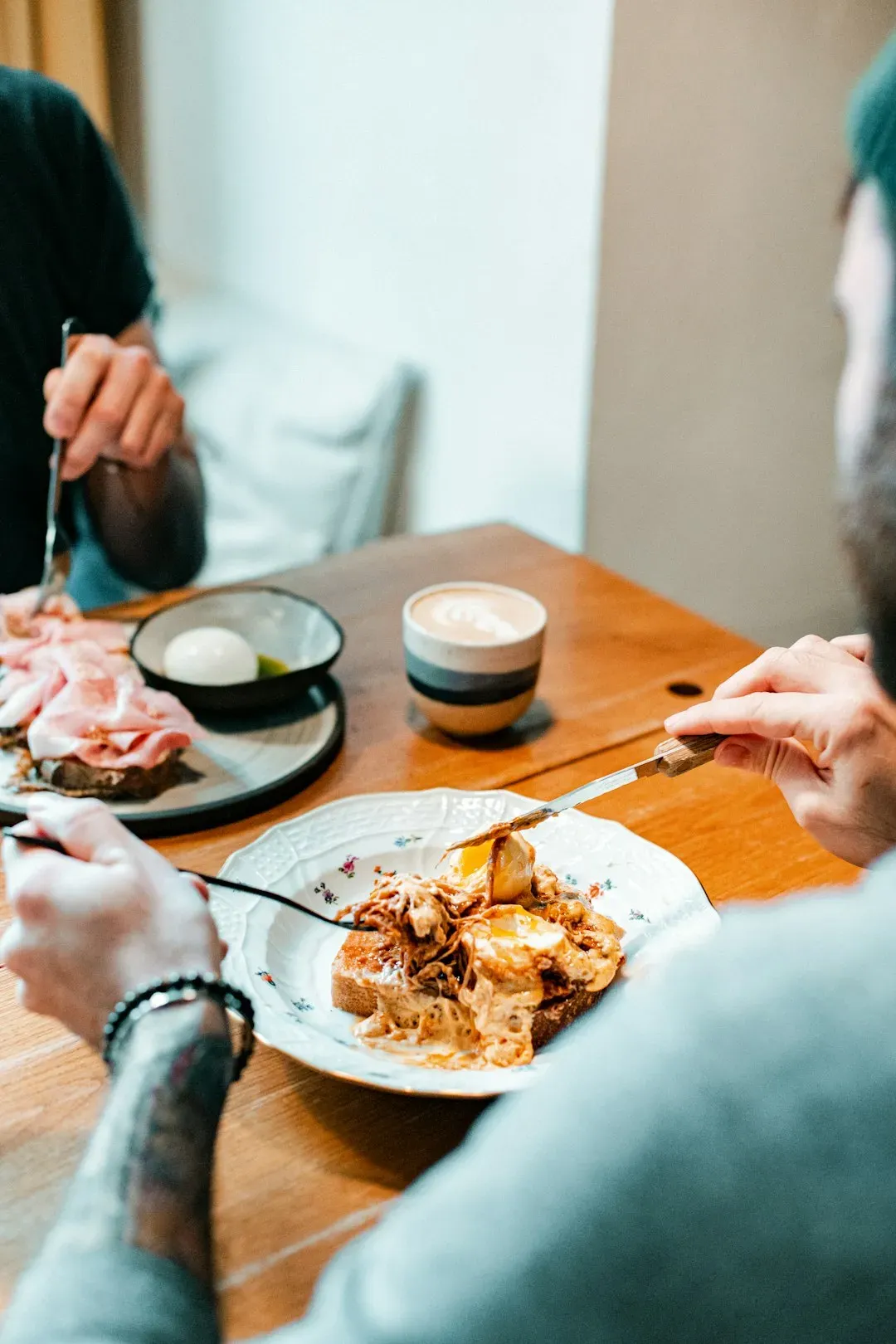
Festivals are marathons, not sprints. While having fun in the sun and dancing, it’s easy to forget to drink water, but dehydration can lead to low blood pressure, reduced cognitive performance, and in extreme cases, medical emergencies. Take this seriously. Your body needs fuel and rest to sustain multiple days of activity.
Set reminders to hydrate, eat proper meals instead of just snacking, and don’t push through exhaustion. Partying and late nights can be the name of the game, but a little bit of self-care can go a long way towards feeling your best and having the best possible experience. It might seem boring to take a break and rest in your tent for an hour, but it’s the difference between enjoying the headliner at full energy versus dragging yourself there half-conscious. Bring earplugs for sleeping – trust me on this. Festival campsites can be loud well into the morning, and sleep deprivation compounds fast. Your future self will thank you.
Exploring Beyond the Main Stages
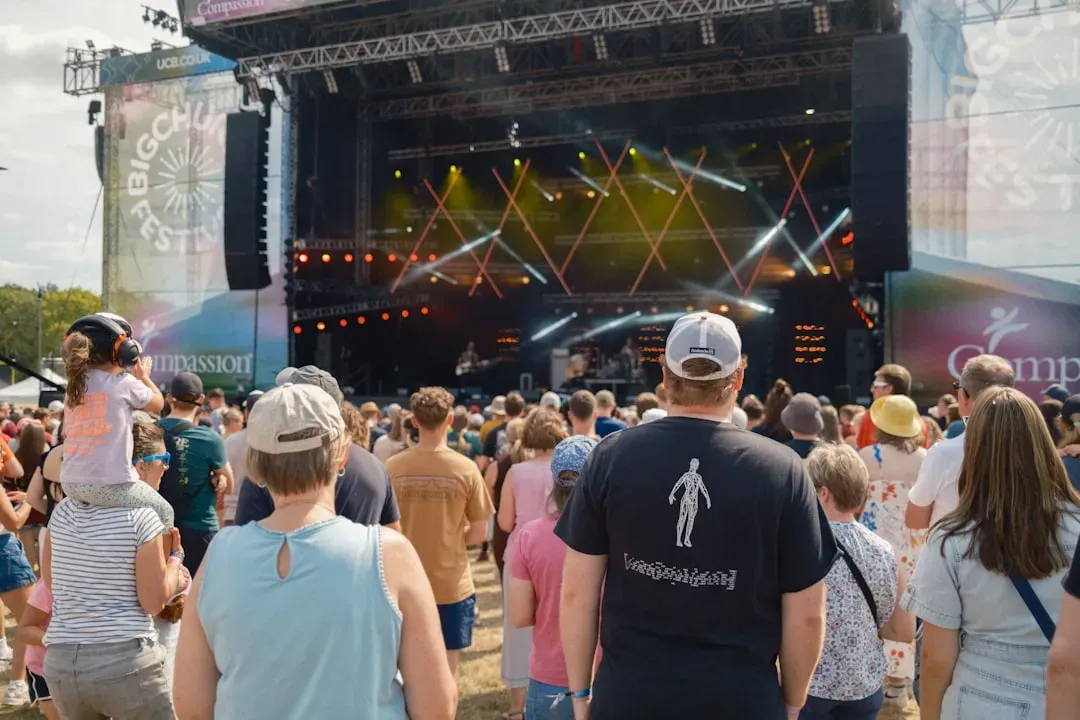
About 58 percent of attendees prefer boutique and niche festivals over larger commercial events, but even at massive festivals, intimate experiences exist if you seek them out. The main stage attracts crowds, but smaller stages, art installations, and workshops often deliver the most memorable moments.
Partner offer

Wander through the entire festival grounds. Check out that weird art piece nobody seems to notice. Attend a workshop on something you know nothing about. Chat with vendors and artists. Nearly three quarters of festival attendees report discovering new music or artists at festivals, and that discovery usually happens at smaller stages or by accident. Some of my favorite festival memories involve stumbling upon performers I’d never heard of, catching them in small tents with maybe 50 other people, and feeling like I’d discovered a secret. Those moments feel personal in a way that massive headliner sets rarely do.
Leaning Into the Festival’s Unique Atmosphere

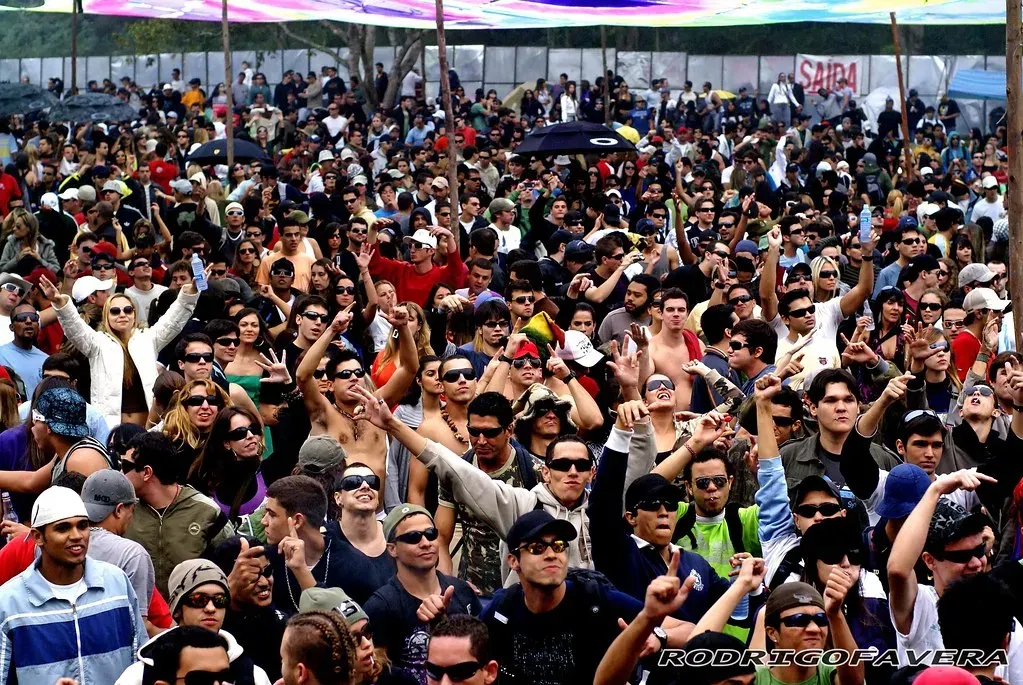
Festivals create what researchers call temporary autonomous zones – spaces where normal rules of society temporarily shift. The fan interest is the music festival experience in its entirety: live music, festival community, communal and relaxed atmosphere, as well as the liminality of the festival experience, when one’s economic and social status, and everyday worries are left at the festival gate.
This is your permission to be different, to experiment with how you present yourself, to try things you wouldn’t normally try. Wear that outrageous outfit. Dance without inhibition. Have deep conversations with strangers at 3 AM. The beauty of festivals is everyone else is doing the same thing. There’s this collective agreement that for a few days, we’re all stepping outside our regular lives. Lean into that freedom. It’s rare and precious. The “real world” will still be there when you get back, unchanged. But you might return slightly transformed by allowing yourself to be fully, weirdly, gloriously yourself.
Respecting the Environment and Community

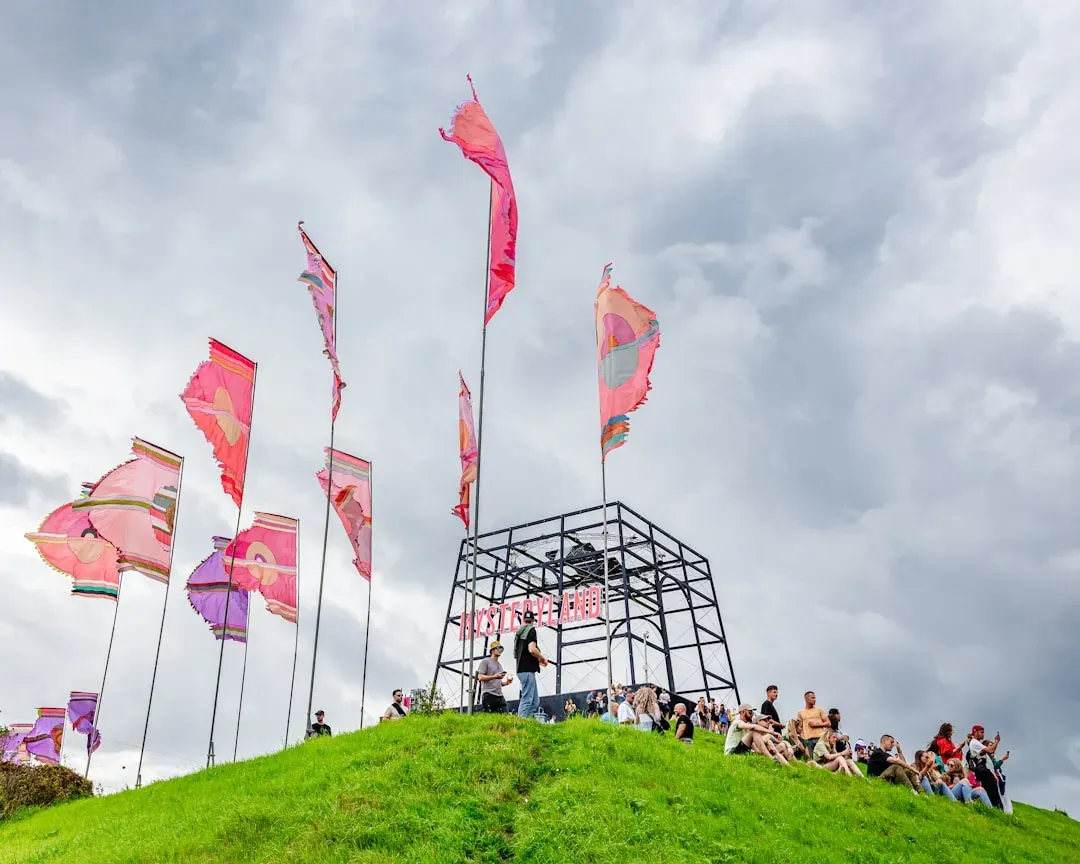
Sustainability initiatives and eco-friendly practices are increasingly important, with 69 percent of attendees favoring nature-connected events. How you treat the festival space directly impacts your experience and everyone else’s. More than 93 percent of festival organizers prioritize sustainability in their planning, but attendees need to do their part too.
Pack out everything you pack in. Use designated trash and recycling bins. Respect quiet hours at campsites. Watch out for others in crowded spaces. When you contribute positively to the festival environment, you’re not just being a good citizen – you’re actively creating the kind of space where magical moments can happen. Nobody has transcendent experiences in fields covered with trash and surrounded by inconsiderate people. The collective atmosphere matters enormously, and you’re part of building it.
Creating Rituals and Traditions

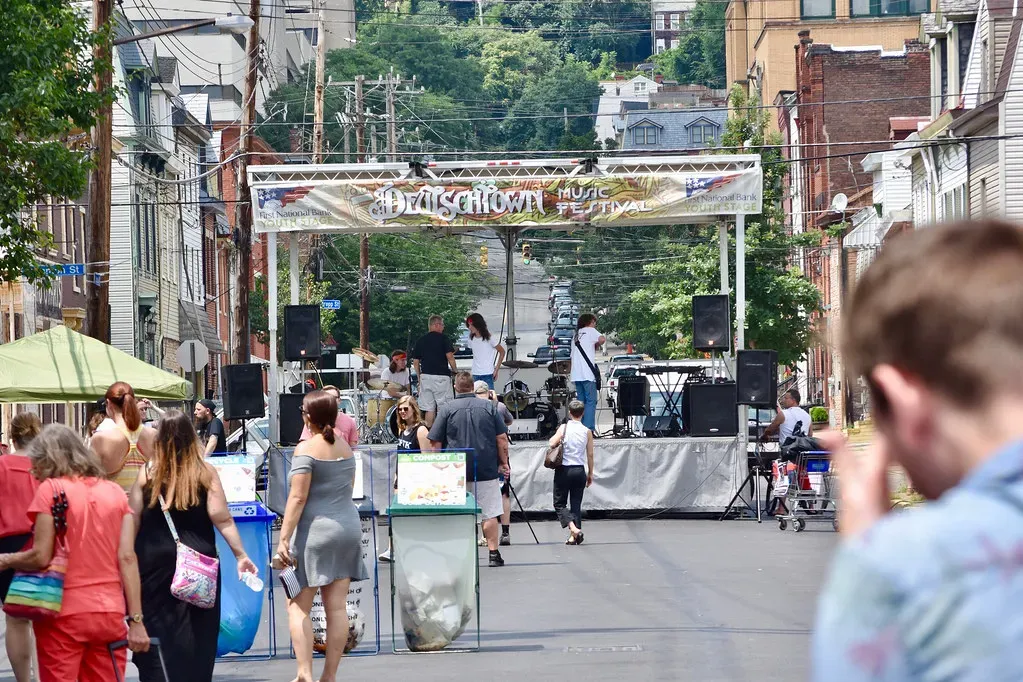
Individuals who attended festivals on multiple days were more likely to report deeper social benefits such as those relating to social well-being and social identity than those who attended on single days. Returning to festivals year after year amplifies their impact on your life.
Consider creating personal traditions: the same breakfast on day one, a particular spot you always visit, an annual photo in the same location. These rituals provide continuity and deepen your connection to the experience. Maybe you collect one small item from each festival – a pin, a poster, a setlist. Years later, these physical tokens trigger floods of memories. Regularity and repetition were identified as important for building a sense of community and belonging among attendees at live music events. When you return to the same festival multiple times, you’re not just attending an event – you’re participating in an ongoing story, and that narrative becomes part of your identity.
Processing and Preserving Your Experience Afterward


The festival doesn’t end when you drive home exhausted and sunburned. The psychological benefits and aspects of music festivals extend far beyond the confines of the weekend the event takes place on and is expressed through transforming and affecting the psychological well-being of attendees throughout the year.
Take time to reflect on what you experienced. Sort through your photos and share your favorites. Reconnect with people you met and make plans to stay in touch. Create a playlist of artists you discovered. Write down stories while they’re fresh – the details fade faster than you’d think. About 75 percent of concert attendees report feeling an improved mood for days after a show, so leverage that post-festival glow. Use the energy and inspiration you gained to make small changes in your regular life. That’s how festival experiences transform from isolated events into catalysts for growth.
Conclusion


Festivals offer something increasingly rare in modern life: permission to be fully present, connected, and alive. Even with digital trends, 60 percent of event revenue continues to come from in-person experiences, and festivals are particularly powerful because they create unique, memorable moments. The industry continues growing precisely because people crave these shared experiences.
Making the most of your festival isn’t about seeing every act or getting the perfect Instagram shot. It’s about openness – to new people, unexpected moments, and parts of yourself that don’t get much air time in daily life. It’s about balancing careful preparation with spontaneity, documentation with presence, and pushing your limits while respecting your needs.
The memories you create at festivals become stories you’ll tell for years, reference points that mark different chapters of your life. They’re investments in experiences that shape who you become. So when you’re standing in that field, surrounded by thousands of strangers who feel like friends, music washing over you, the sunset painting everything gold – put down your phone for a minute. Breathe it in. This is what you came for. What’s your most unexpected festival memory? Sometimes the moments we never planned become the ones we never forget.
Partner offer
Planning a trip to Vegas?
Compare hotel rates and show tickets on VEGAS.com.