Money has broken up more bands than musical differences ever did. So the idea of a group deciding on a fair split before the first album, and sticking with it, sounds almost too tidy to be real. The reality is messier than the title suggests.
No documented band literally signed a day one pact to disband on a set schedule. Several well known rock acts did commit early to sharing income equally, though, and a few of them ended or paused on their own terms. Here are six that fit that spirit as closely as the public record allows.
U2
U2 is probably the most cited example of equal sharing in rock. The four members have long said that songwriting credit and the income that follows are divided evenly among them. Even the band’s own accounts treat this as a founding principle rather than a later fix.
The arrangement is widely credited with keeping the lineup unchanged since the late 1970s. The band hasn’t disbanded, so it only fits half of the title. Still, it’s a clear case of an early financial decision shaping a career.
R.E.M.

R.E.M. formed in Athens, Georgia, in 1980 and became known for crediting all four members on every song. The members have described an equal split of money as a deliberate way to avoid the resentment that wrecks bands. It held through the band’s rise from college radio favorites to global stars.
When drummer Bill Berry left in 1997, the remaining three kept the shared approach. In 2011 the band announced it was finished, describing the decision as a joint one. Few major acts have ended so calmly.
Coldplay

Coldplay has often been reported to split its earnings equally among Chris Martin, Jonny Buckland, Guy Berryman and Will Champion. That includes Champion, who doesn’t write the melodies and lyrics in the traditional sense. The group has framed the deal as a way to protect its friendship.
The band is still active and still touring, so there’s no breakup to report. Its stability over more than twenty five years is the main evidence that the arrangement works. As with most private band finances, the exact terms aren’t public.
Rush

Rush was a trio of Geddy Lee, Alex Lifeson and Neil Peart, and the three were known for treating the band as a true partnership. Peart wrote most of the lyrics and Lee and Lifeson handled most of the music. Even so, they were credited as a unit and are generally described as sharing equally.
The band stopped touring in 2015 after what was billed as its final major run. Peart died in January 2020, and many assumed that closed the story. In 2025, however, Lee and Lifeson announced a reunion tour with drummer Anika Nilles, which shows how flexible the word disband can be.
Black Sabbath
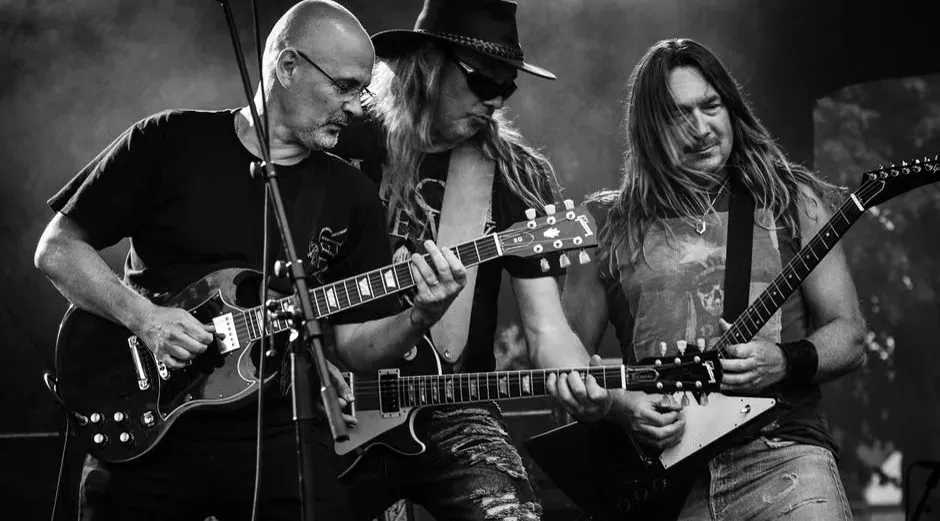
Black Sabbath credited its songs to all four original members: Ozzy Osbourne, Tony Iommi, Geezer Butler and Bill Ward. That shared credit became a long running talking point because of how it shaped the band’s later business disputes. It also shows that an equal split on paper doesn’t always prevent friction.
The original lineup played a farewell show in Birmingham in July 2025, billed as Back to the Beginning. Osbourne died later that month. The band’s closing chapter was unusually public, and it came after decades of on and off partnership.
Phish
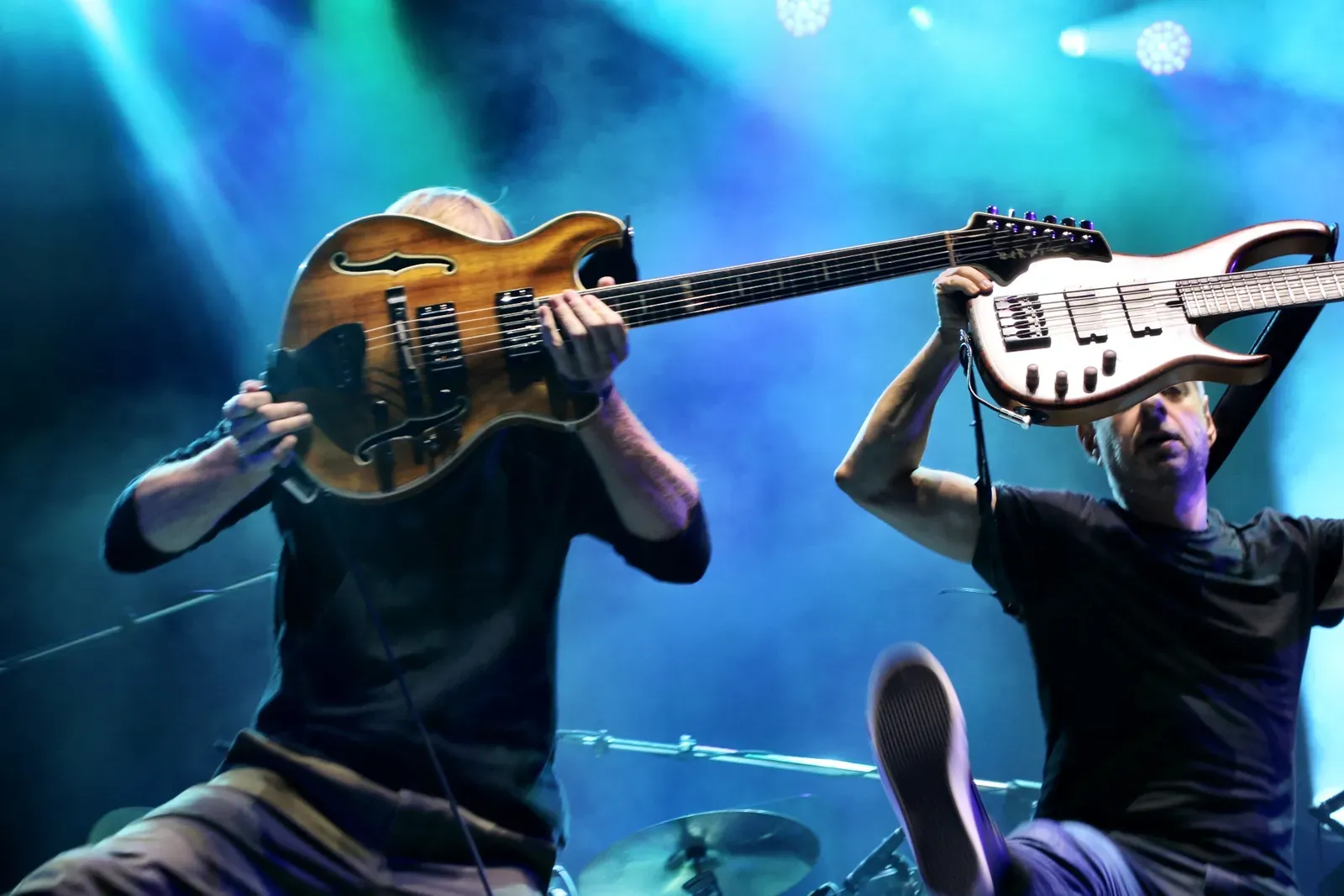
Phish, formed in Vermont in the early 1980s, has long presented itself as a four person democracy. Trey Anastasio, Mike Gordon, Jon Fishman and Page McConnell are commonly described as sharing as equals. Their songs are often credited to the group or to shared writing teams.
The band did stop in 2000 and again in 2004, and each time the pause was announced as a group decision. It then returned and has been steady ever since. Phish is a good example of a band that steps away without a legal or financial blowup.
Equal splits are common in bands that have lasted, and the cases above show how often they go hand in hand with long careers. Exact contract terms are rarely made public, so most details come from interviews and press reports rather than documents.