There’s a particular kind of loneliness in playing music for a room that isn’t listening. Long before arena lights and sold-out tours, most legendary rock bands spent years grinding through gigs where the crowd numbered in the single digits, sometimes less. Bartenders outnumbered fans, and the only applause came from whoever happened to wander in looking for a drink. These stories rarely make it into the highlight reels, yet they’re often more revealing than the triumphant moments that followed. Here are six bands whose early years included exactly that kind of quiet, thankless slog before everything changed.
Metallica at Radio City, Anaheim
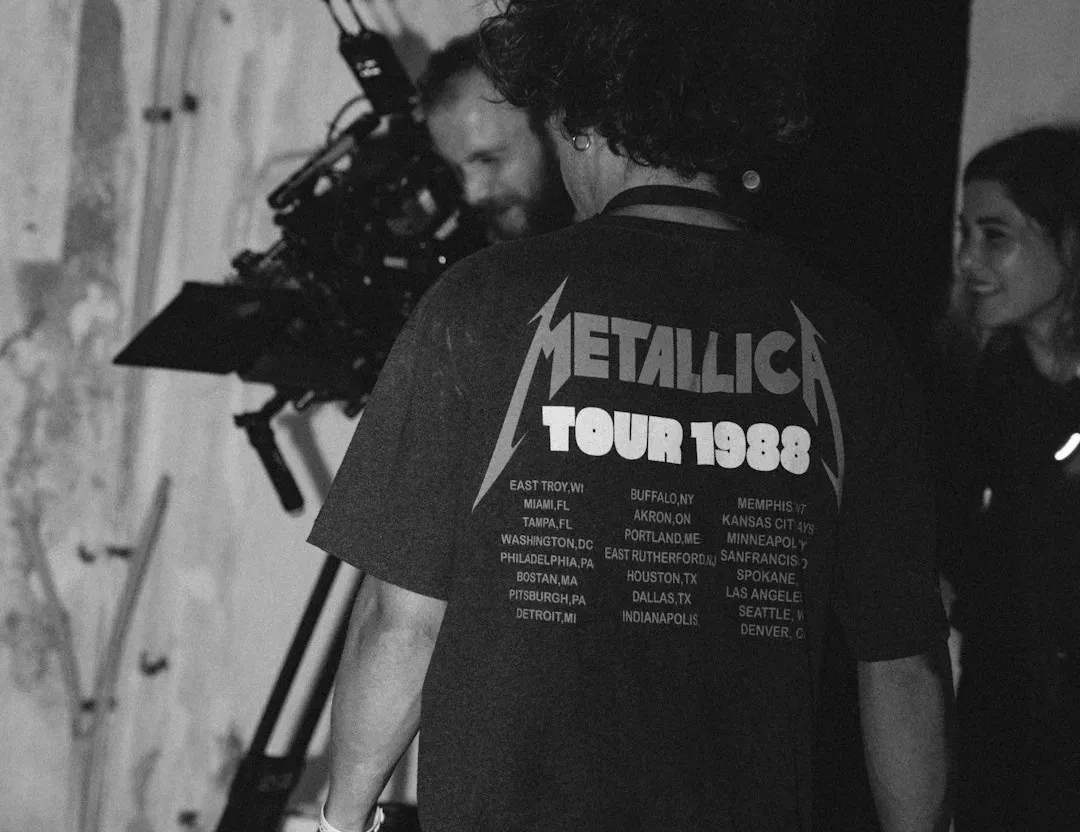
On March 14, 1982, a scrappy young band took the stage at a club called Radio City in Anaheim for what would become Metallica’s first live gig, since which the band has performed on all seven continents in a total of over 1,600 shows. That night, though, nobody knew any of that was coming. Seeing the show required a fifteen dollar cover charge, and in total, only about 75 people showed up to the gig, though accounts of the exact number vary depending on who’s telling the story.
The lineup that night included James Hetfield, Lars Ulrich, Dave Mustaine, and Ron McGovney, and the performance was far from polished. Hetfield was guitar-less that night, since he had not yet learned how to sing and play rhythm guitar at the same time. The band leaned heavily on covers, playing mostly songs by New Wave of British Heavy Metal groups, with only two original tracks in the set. It’s a strange thing to picture now, given how massive the band became, but that thinly attended club show was where it all genuinely started.
U2 at the Rock Garden and the Baggot Inn
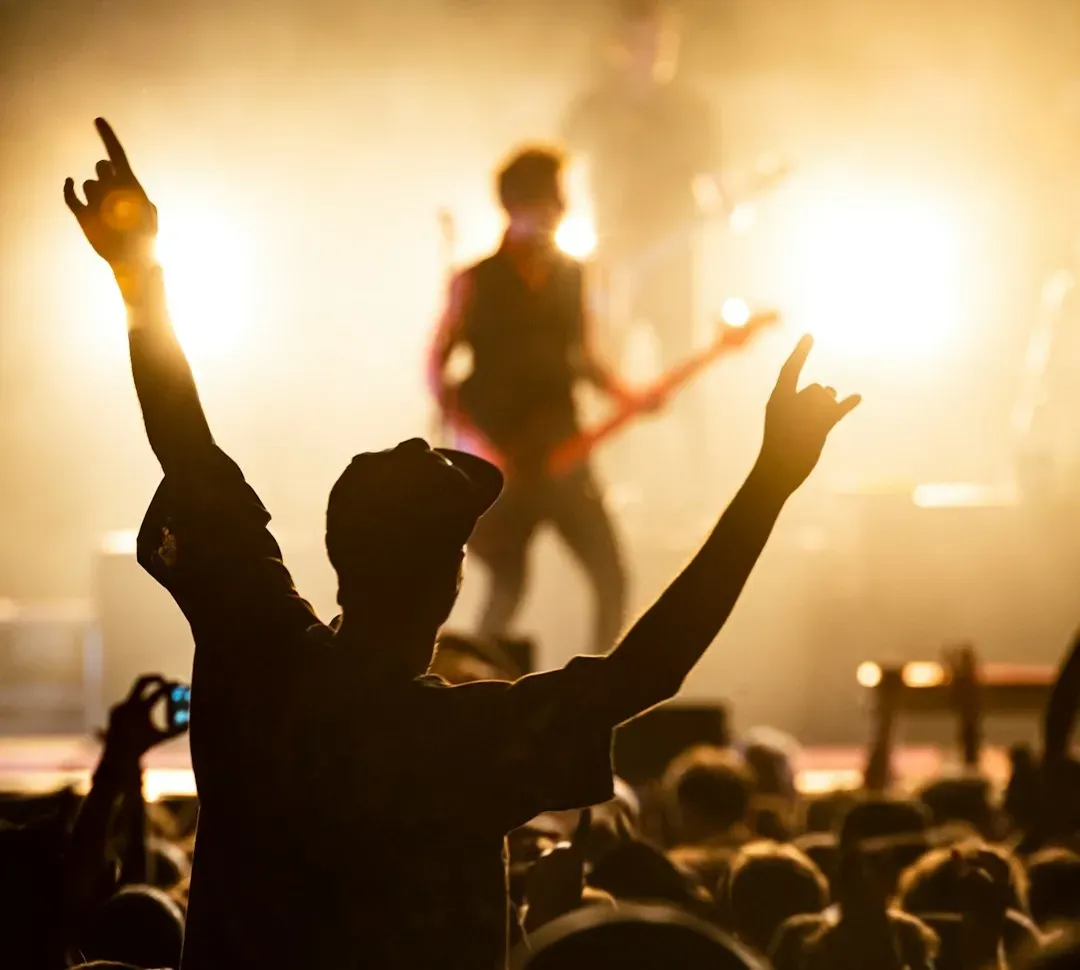
Before Bono was filling stadiums, U2 were four Dublin teenagers playing to whoever happened to show up. One especially small gig took place in 1979 at London’s Rock Garden in Covent Garden, a show later remembered for its tiny turnout. Photos rediscovered years later showed the band performing to a strikingly sparse crowd, a scene almost impossible to reconcile with the version of U2 that would later headline the world’s biggest venues.
Back home, the band’s real breakthrough came from a much humbler stage. It was at the Baggot Inn in Dublin that the fledgling group booked a breakthrough residency in 1978 that set them on the road to a glittering career. A photography exhibition documenting this era later captured the band playing a half empty venue, a far cry from the sea of lighters and phone screens that would greet them a decade later. The gap between those two images says more about the music business than any biography could.
Guns N’ Roses at the Troubadour
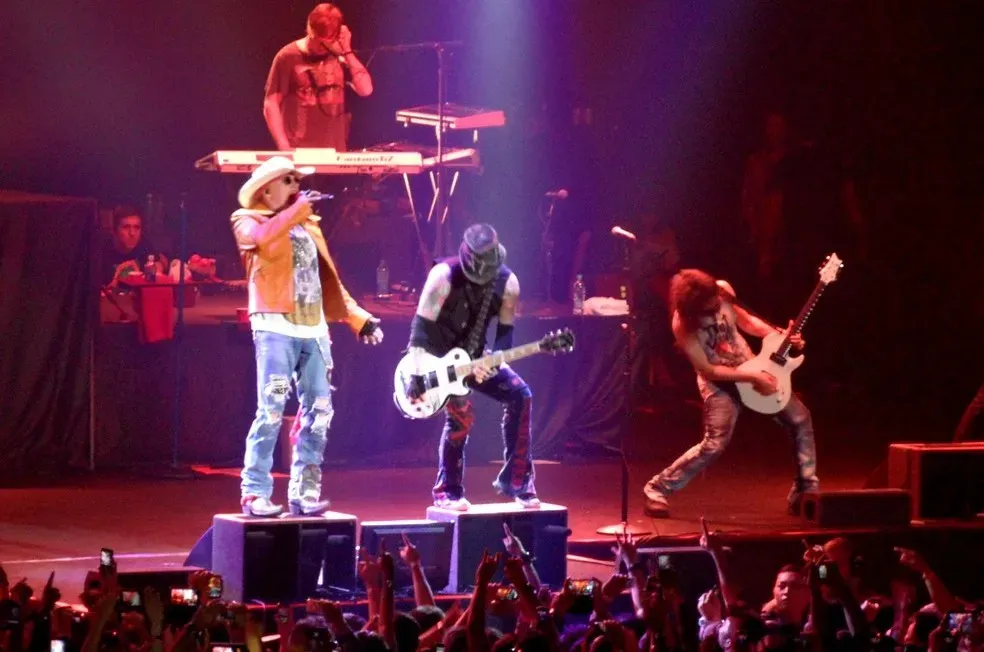
The classic Guns N’ Roses lineup, the one that would eventually record Appetite for Destruction, played its first show together on June 6, 1985, at the Troubadour in West Hollywood. It wasn’t glamorous. Something permeated the show at the Troubadour, and it went pretty well, even though they played for only about 10 people, and it didn’t matter, drummer Steven Adler later recalled. That kind of attitude, treating a nearly empty room like it was Madison Square Garden, turned out to be a defining trait of the band.
Just months earlier, the Troubadour had been the epicenter of Sunset Strip rock culture, a venue where a string of giant 80s rockers including Mötley Crüe and Poison had launched their careers, making it the epicenter of L.A. rock’n’roll. Getting a coveted weekend slot took time and drawing power, and Guns N’ Roses simply didn’t have either yet. So they played the sparse Monday and Tuesday night slots, poured everything into the performance anyway, and let word slowly spread from there.
Partner offer
Nirvana in Aberdeen and beyond
Nirvana’s roots trace back to a small, unglamorous corner of Washington State. Kurt Cobain and Krist Novoselic were outcasts at the same Aberdeen, Washington high school, and after the two became aware of each other, Novoselic listened to a DIY album Cobain gave him and agreed to form a band. There was no crowd to speak of at that point, just two teenagers figuring out what kind of noise they wanted to make together.
The duo honed their early music in a hair salon managed by Novoselic’s aunt before getting gigs around the Pacific Northwest. Those early bar and club shows were a world away from the stadium-sized fame that would follow once Nevermind hit MTV rotation. It’s worth remembering that the band spent years playing to small, indifferent Pacific Northwest crowds before anyone outside that scene had any idea who they were.
Foo Fighters above a boat house
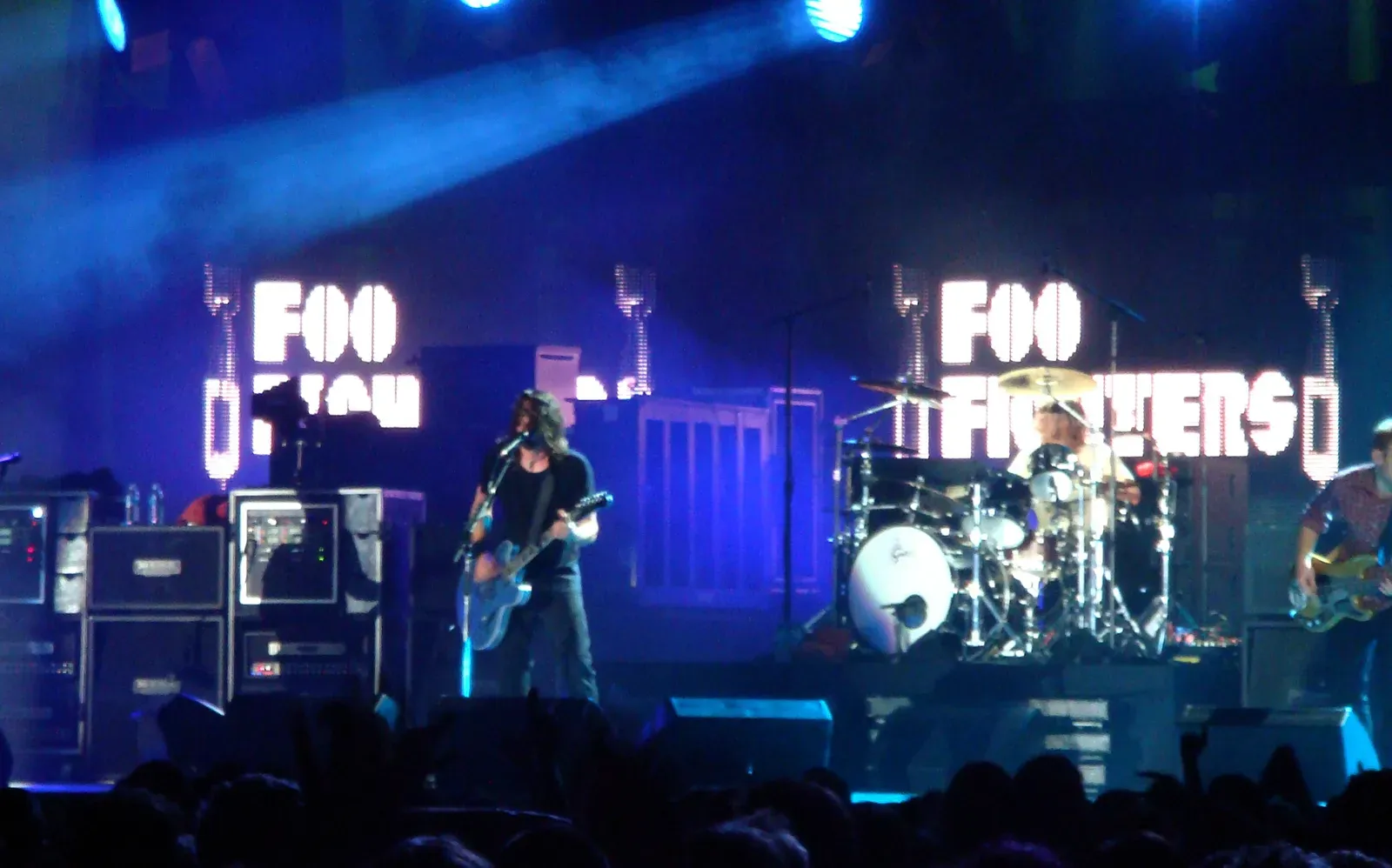
Dave Grohl’s post-Nirvana project didn’t launch with any fanfare at all. Foo Fighters’ first show was a low key affair, taking place on February 19, 1995, above a boat house in Seattle, in front of friends and family. There was no label buzz, no press waiting outside, just a small gathering of people who already knew Grohl personally.
Grohl himself later described the experience as a weight off his shoulders, since it was his first gig since Nirvana’s demise. Playing that stripped-down, intimate show seems to have mattered more emotionally than commercially at the time. It gave him room to test out songs and a new identity as a frontman without the scrutiny that would come later, once the band’s self-titled debut turned heads.
Pixies at Jack’s in Cambridge
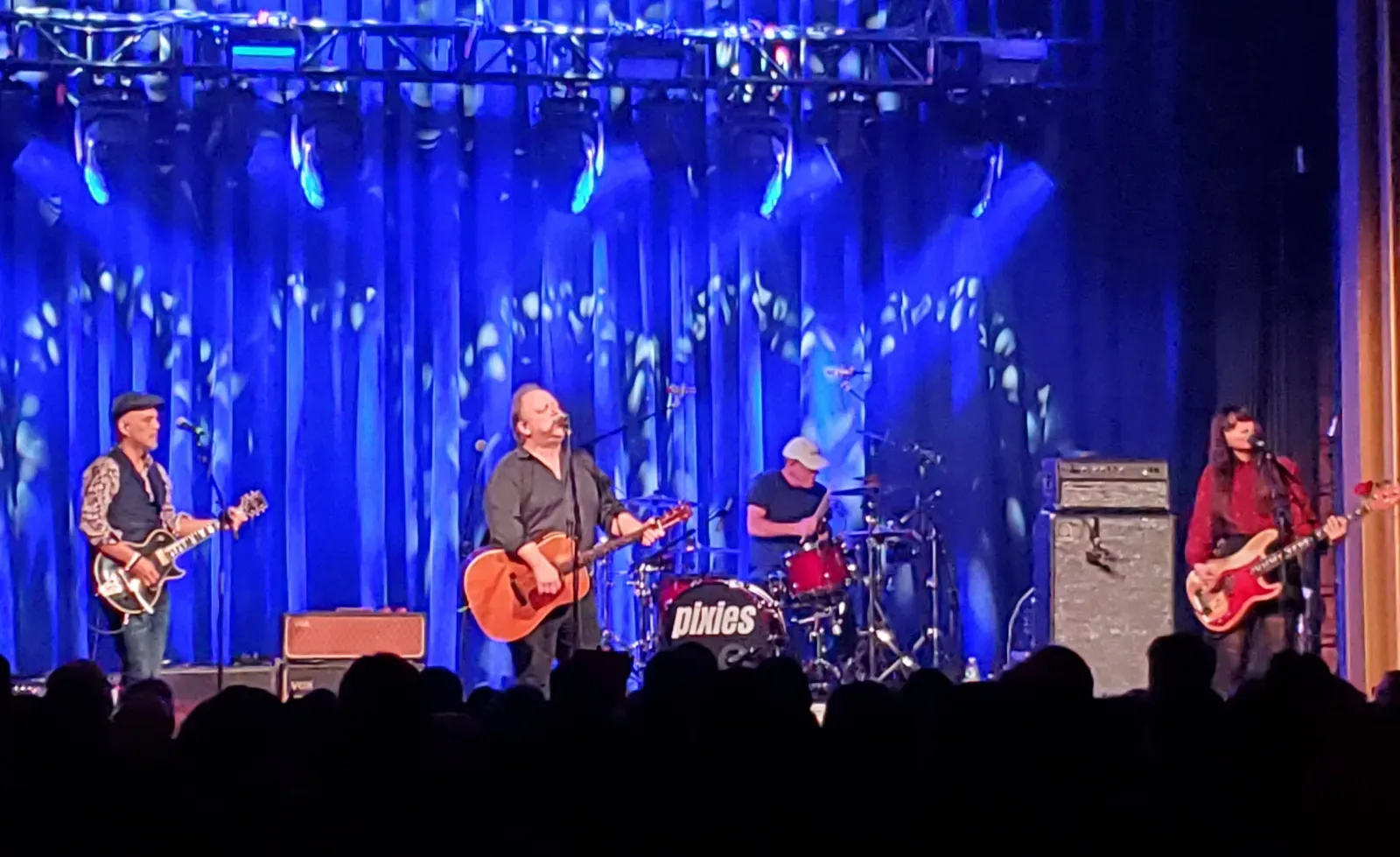
Few origin stories capture the reality of playing to nobody quite like the Pixies’ first gig. Their debut show took place in 1986 at Jack’s in Cambridge, Massachusetts, a modest club that gave zero indication of the influential band that was about to form there. It wasn’t just quiet. It was practically forgettable, at least to the venue staff.
The band later recalled that no one was there and they got the group’s name wrong, advertising them as the Puxies, which they called a bummer. That kind of anonymous, slightly humiliating start is almost comically fitting for a band that would go on to influence a huge swath of alternative rock without ever quite becoming a mainstream household name themselves. Sometimes the quietest beginnings produce the most enduring influence.
Looking back at all six of these stories, a pattern emerges. None of these bands were discovered in a flash of obvious talent recognized by a packed room. They built their sound in front of empty chairs, disinterested bartenders, and the occasional friend who showed up out of loyalty rather than excitement. The fame came later, sometimes years later, and only after they’d already learned how to treat a nearly empty bar like it mattered just as much as a sold-out arena.Partner offer
Planning a trip to Vegas?
Compare hotel rates and show tickets on VEGAS.com.