Hollywood loves a good origin story, and most of them follow a familiar shape: a young hopeful moves to Los Angeles, grinds through auditions, and lands their first film role sometime in their twenties. That timeline feels so standard that it’s easy to forget how many performers never fit it at all. Some of the most recognizable faces in film history didn’t step in front of a camera until they were well into middle age, and a few didn’t get there until they were pushing seventy. What follows is a look at eleven actors whose film careers began after they turned 40. Their paths into acting varied wildly, from stage veterans to producers to a boxing club regular who wandered onto a movie set by accident, but each one proves that a first film credit can arrive on a very different schedule than the industry usually expects.
Alan Rickman
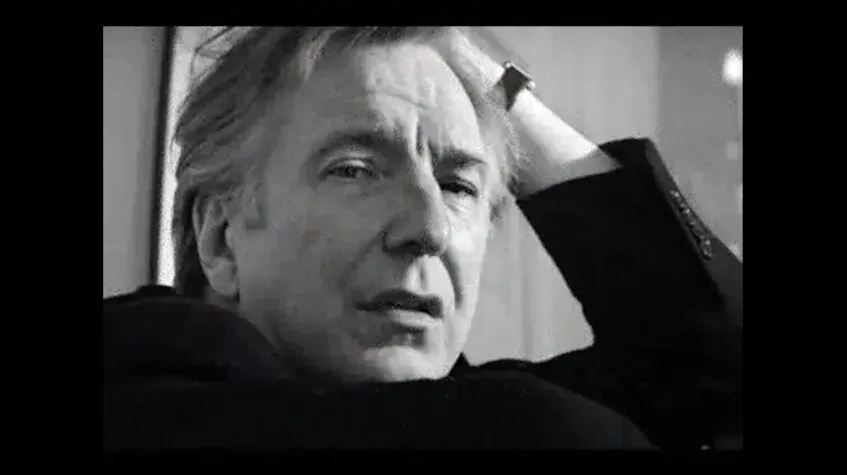
Alan Rickman spent more than a decade building a serious reputation in British theater before a single camera ever pointed at him for a feature film. According to Collider, the first movie Alan Rickman ever did was at age 41, and was arguably his best, when he was cast alongside Bruce Willis as the charming terrorist Hans Gruber in 1988’s Die Hard. Before that, Upworthy notes that Rickman had mainly acted on stage, racking up theater credits and accolades through the 1970s and ’80s.
It’s a strange thing to consider now, given how thoroughly Hans Gruber has been absorbed into pop culture, but Rickman’s screen career genuinely started at the top. He didn’t ease into film with a bit part or a forgettable supporting role. He walked straight into one of the most quoted villain performances of the decade, then spent the rest of his career proving it wasn’t a fluke, from Sense and Sensibility to Harry Potter’s Severus Snape.
Danny Aiello
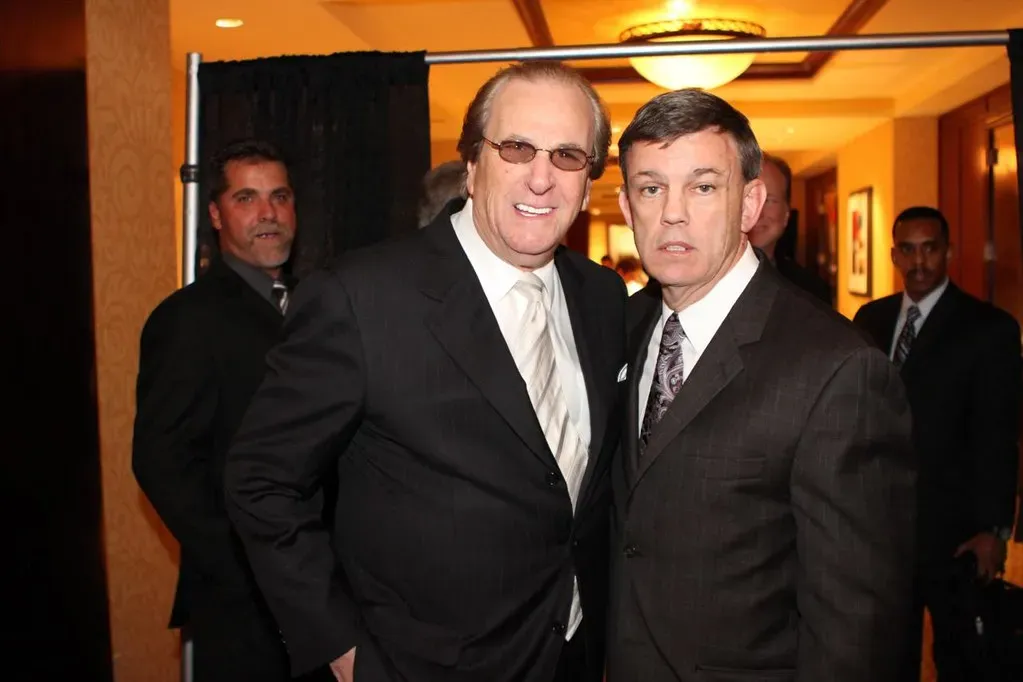
Danny Aiello’s route into film ran through New York bouncer jobs and a Broadway play staged in a church basement before he ever appeared on screen. Grokipedia states plainly that his screen debut came at age 40 as the baseball player Horse in the sports drama Bang the Drum Slowly (1973), co-starring Robert De Niro. Fandango’s biography adds that Aiello left behind his working class life in his late thirties to become a performer.
He didn’t waste any time once the door opened. Within a year of that debut, Aiello was ad-libbing one of the more memorable lines in The Godfather Part II, and he spent the following four decades as one of the most reliable character actors in American film, right up through Do the Right Thing and Moonstruck.
Danny Trejo
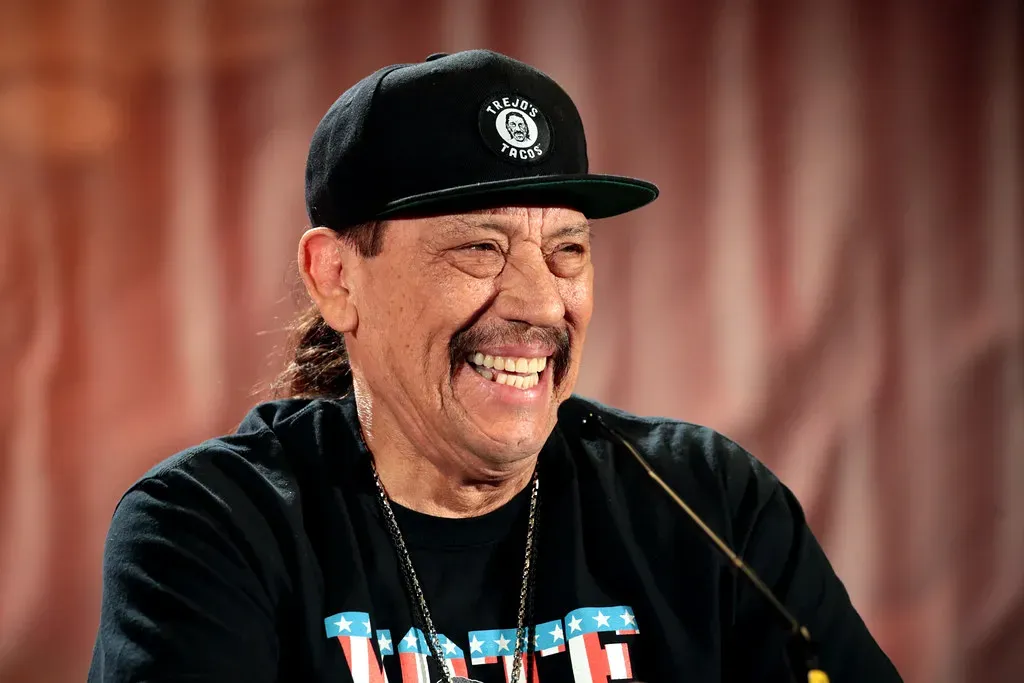
Few debut stories are as unlikely as Danny Trejo’s. Wikipedia notes that Trejo’s film career began in 1985, when he landed a role in Runaway Train (1985). Born in May 1944, he was 41 years old that year, and he hadn’t set out to become an actor at all. Remind Magazine explains that Danny Trejo’s first film role came by accident in 1985 on the set of Runaway Train, where he was initially hired as an extra and then given a small speaking part due to his boxing skills and real-life experience as a convict.
Trejo had been working as a drug counselor at the time, visiting the set to help a client. A chance encounter with a former prison acquaintance turned screenwriter, Edward Bunker, led to a speaking role, and that single accident launched a career that has since spanned hundreds of film and television credits, from Desperado to Machete.
Sidney Greenstreet
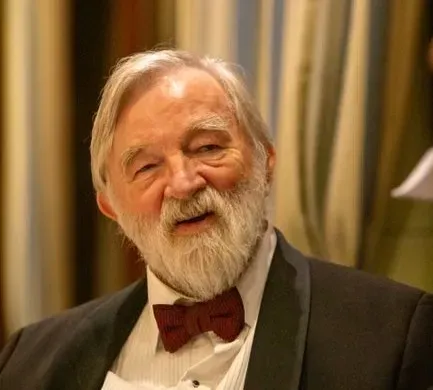
Long before he ever appeared on a movie screen, Sidney Greenstreet had already built a substantial career on stage. Comicbasics notes that Sidney Greenstreet made his film debut in his sixties after decades as a respected stage actor and producer, and his first screen roles quickly established him as a formidable presence with a commanding, urbane style. Born in December 1879, he was 61 when The Maltese Falcon reached theaters in 1941.
That debut turned out to be a landmark one. Comicbasics points out that he became indelibly linked to classic studio-era mysteries and thrillers, with viewers knowing him from The Maltese Falcon, Casablanca, and other Warner Bros. ensemble pieces. Few actors have ever arrived in film so late and left such an immediate mark.
Chief Dan George

Chief Dan George’s path to film ran through decades of life as a community leader rather than through drama school or bit parts. Comicbasics explains that he began acting on screen in his seventies after serving as a tribal leader, laborer, and performer of traditional stories, and his natural poise and unforced humor translated directly to film. Born in July 1899, he was 71 when Little Big Man premiered in 1970.
The role earned him an Academy Award nomination and made him one of the most recognizable Indigenous actors of his era. Comicbasics adds that he earned widespread recognition for Little Big Man and continued with roles that honored his community and heritage, with other credits including The Outlaw Josey Wales.
John Houseman
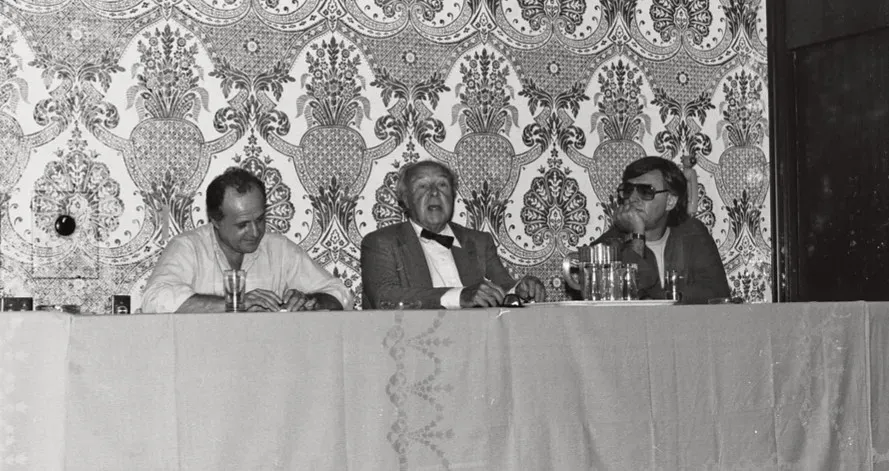
John Houseman spent most of his professional life behind the scenes, not in front of a camera. Comicbasics notes that John Houseman spent most of his career as a producer, director, and educator before stepping in front of the camera after 40, and his sonorous voice and patrician bearing immediately translated into memorable authority figures. Born in September 1902, he was 71 when The Paper Chase reached theaters in 1973, playing the intimidating Professor Kingsfield.
Partner offer
The role wasn’t just a curiosity late in a long career. Comicbasics states that his performance as Professor Kingsfield in The Paper Chase brought broad recognition and consistent offers. He went on to win an Academy Award for the part and continued acting steadily for another decade.
Charles Coburn
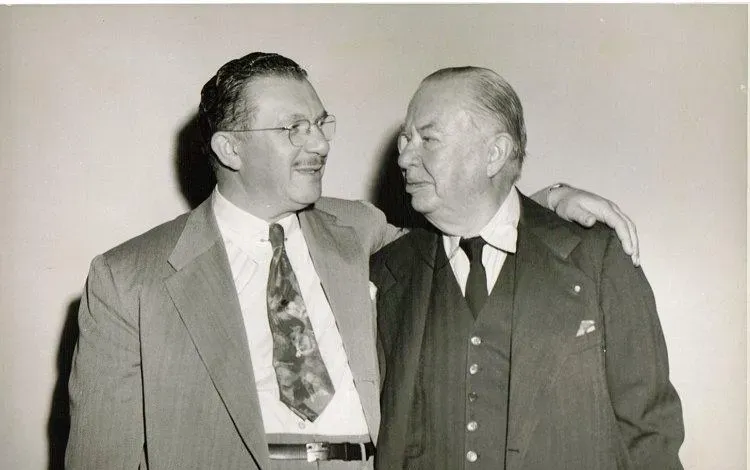
Charles Coburn’s acting life began in regional and Broadway theater, where he spent years before Hollywood ever came calling. Comicbasics sums up his transition simply: Charles Coburn turned to film after a long stage career, beginning screen work in his fifties. That’s a full decade past the age most actors are trying to establish themselves, yet he went on to become a familiar face in studio-era comedies and dramas.
What makes Coburn’s case notable is how quickly he settled into film work despite the late start. He built a substantial filmography of supporting roles through the 1940s, eventually winning an Academy Award, and remained active in pictures well into his seventies.
Min Tanaka
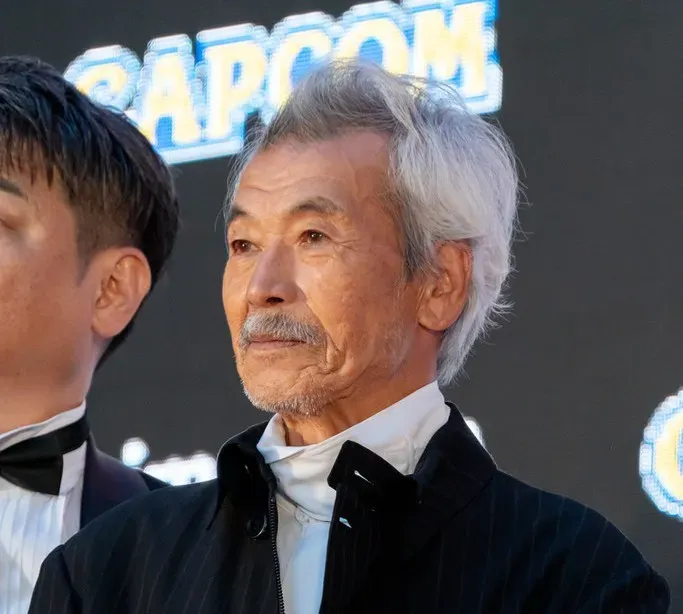
Min Tanaka came to film from an entirely different discipline. Comicbasics describes him as an acclaimed dancer and choreographer who began film acting in his mid-forties. His background in butoh, a demanding and highly physical form of Japanese dance, gave him an unusual toolkit compared to actors who trained in conventional drama.
That physical control and stillness became his signature on screen. Rather than diluting his presence, the transition from stage movement to film acting seemed to sharpen it, and he became known internationally for roles that relied on precision and restraint rather than conventional line delivery.
Eddie Jones

Eddie Jones spent a long stretch working in regional theater before ever appearing in a film or television production. Comicbasics notes that Eddie Jones shifted to screen work in his forties after a long stretch in regional theatre, and his grounded demeanor made him a natural for working fathers, coaches, and blue-collar pros. That kind of lived-in authenticity is hard to fake, and it clearly came from years of stage craft rather than a fast-tracked film career.
His most widely recognized role came on television rather than film, but his screen work extended into features as well. Comicbasics points out that he earned lasting recognition as Jonathan Kent on Lois & Clark: The New Adventures of Superman, with other credits including A League of Their Own and The Terminal.
Estelle Getty
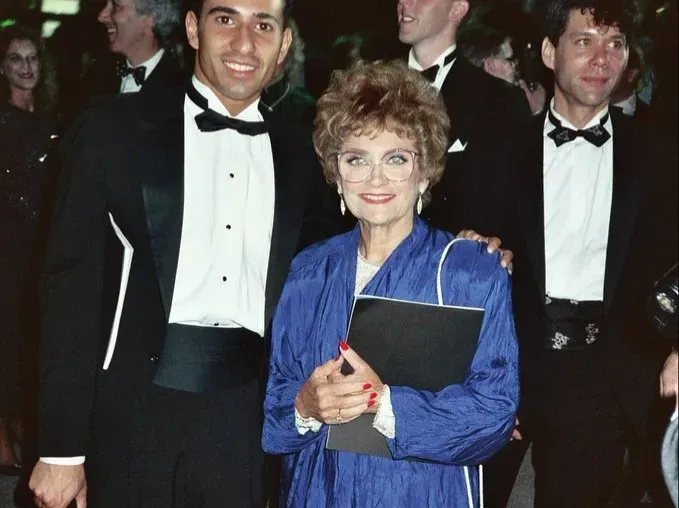
Estelle Getty spent decades working in community theater and off-Broadway productions in New York before film work ever entered the picture. She was born in July 1923, and by the time she appeared in Tootsie in 1982, alongside Dustin Hoffman and Jessica Lange, she was 59 years old. A Quora thread referencing an IMDb-sourced list of late-starting actors specifically notes that Danny Aiello and Estelle Getty are two names from the list of performers whose screen careers began well past the usual starting age.
Her film work continued sporadically through the 1980s while she built toward her defining role. Wikipedia lists her other notable films as Mask (1985), a semibiographical film in which she played the grandmother of Roy L. Dennis, Mannequin (1987), and Stuart Little (1999). It was television, of course, that made her a household name once The Golden Girls premiered in 1985.
Robert Prosky
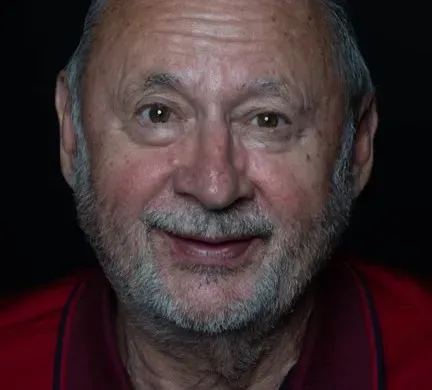
Robert Prosky built his early reputation at Washington D.C.’s Arena Stage, spending years as a respected stage actor before film work entered his career. He was born in December 1930, and Wikipedia’s record of his professional activity states that his years active in the industry began in 1971, which would have put him right around 40 years old.
It took roughly another decade for that screen work to translate into wider recognition. Wikipedia notes that he became a well-known supporting actor in the 1980s with his roles in Thief (1981), Christine (1983), The Natural (1984), and Broadcast News (1987). From there, he built a steady character-actor career that lasted right up until his death in 2008.
Taken together, these eleven careers make a fairly simple point: there’s no single window for when an acting career is supposed to start. Some of these actors spent decades in other fields entirely, whether that meant running a drug counseling program, leading a tribal community, or producing other people’s films, before a camera ever pointed their way. Others had simply been doing theater for so long that film felt like an afterthought until someone finally offered them a part. Either way, the age on their debut credit never seemed to matter much once the cameras started rolling.Partner offer
Planning a trip to Vegas?
Compare hotel rates and show tickets on VEGAS.com.