


Hollywood has always been about spectacle and storytelling, sometimes leaving scientific accuracy by the wayside. While filmmakers prioritize dramatic tension and visual thrills, some scientific errors slip past audiences almost every time. These mistakes have become so commonplace that viewers rarely question them. Here are six scientific missteps in blockbuster films that audiences consistently miss, even though they defy basic laws of physics and nature.
Sound Effects in the Vacuum of Space


Space battles have thrilled moviegoers for decades, from the roaring TIE fighters in Star Wars to the explosive encounters in Armageddon. These scenes are packed with roaring engines, blazing laser fire, and thunderous explosions. Physicists like Brian Cox have pointed out that real space battles would be completely silent, no matter how intense. The vacuum means there’s nothing for sound waves to move through, so all those dramatic noises are pure fiction. The reality is far less cinematic than what appears on screen.
Sound is impossible in a vacuum. Sound is the result of vibrations; without air or another medium to vibrate, even the most colossal explosion would be nothing but light, debris, and heat. Yet filmmakers understand that silent space sequences would feel empty and boring to most audiences. Star Wars helped revolutionize cinema by setting a new, higher standard for what things in space “sound” like, from the metallic scream of TIE fighters to the buzz of laser cannons. That iconic sound design became part of cinema history, despite being scientifically impossible.
Fiery Explosions in the Vacuum of Space

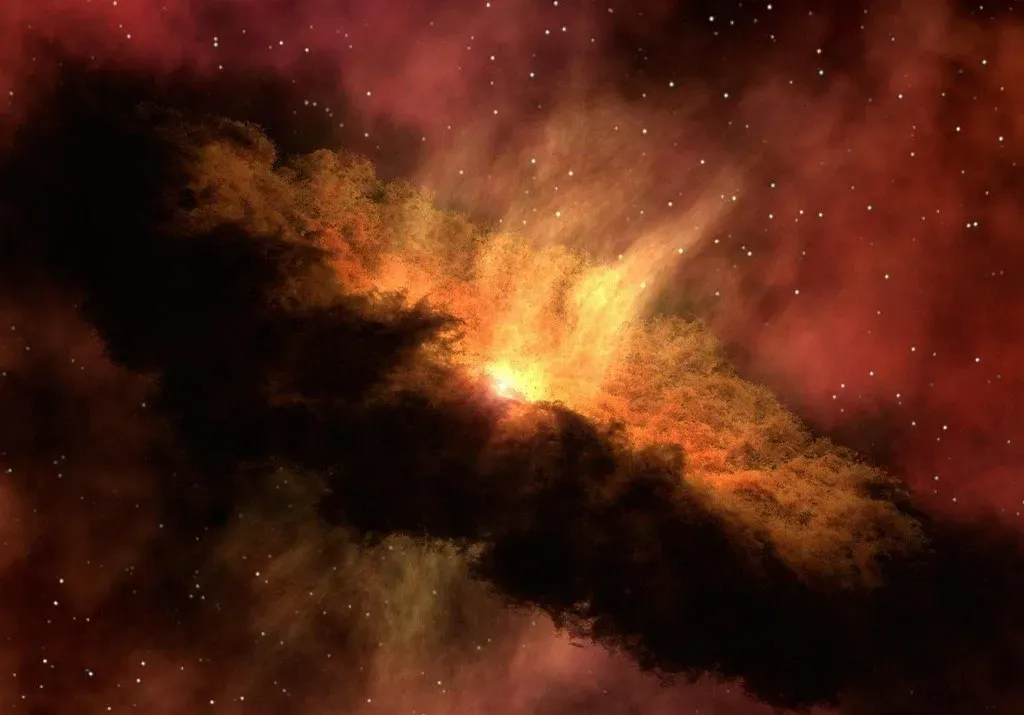
Few cinematic moments are as satisfying as watching a villain’s space station erupt in a massive fireball. Films from Star Wars to Star Trek have delivered spectacular explosions with roaring flames and billowing smoke. Armageddon delivered some of the most dramatic explosions ever seen on film, with debris flying and fireballs lighting up the screen. But in reality, space is a vacuum, which means there’s no air to carry sound and no oxygen to feed those giant fireballs. If a bomb exploded in space, it would be eerily silent, and you wouldn’t see the same spectacular flames. NASA experts confirm that without oxygen, combustion as we know it on Earth just can’t happen out there.
Fire requires oxygen (or another oxidizer) to burn, and space is an airless vacuum. If a spaceship were to explode, there might be a brief burst of flames, but only long enough to burn away whatever oxidizers the vessel had packed with it in its atmosphere or fuel, which would take almost no time at all. The reality would look quite different from Hollywood’s version. Instead of lingering fireballs, there would be a quick flash of light and debris scattering in all directions, continuing to move forward indefinitely unless hitting another object.
Dinosaur DNA Preserved in Amber


The film suggests that dinosaur DNA, trapped inside a mosquito in amber for 65 million years, could be used to bring ancient creatures back to life. However, DNA molecules are fragile and start breaking down shortly after an organism dies. Studies published in journals like Nature have shown that DNA has a half-life of about 521 years. After just a few million years, let alone 65 million, the genetic material would be almost completely gone. Jurassic Park turned this concept into one of the most successful franchises in cinema history, but the science doesn’t hold up.
Scientists at the University of Manchester attempted to extract DNA from insects that had been sub-fossilized in hardened tree resin, just like in the movie. Unlike in the movie, they were unable to detect any DNA in the samples, which were between 60 and 10,600 years old. So, if you had amber samples that were millions of years old like the ones in Jurassic Park were, your chances of finding DNA are basically nonresistant. The entire premise of the beloved franchise rests on an impossibility that audiences happily overlook for the sake of seeing dinosaurs walk the Earth again.
Partner offer

Splitting an Asteroid with a Nuclear Bomb

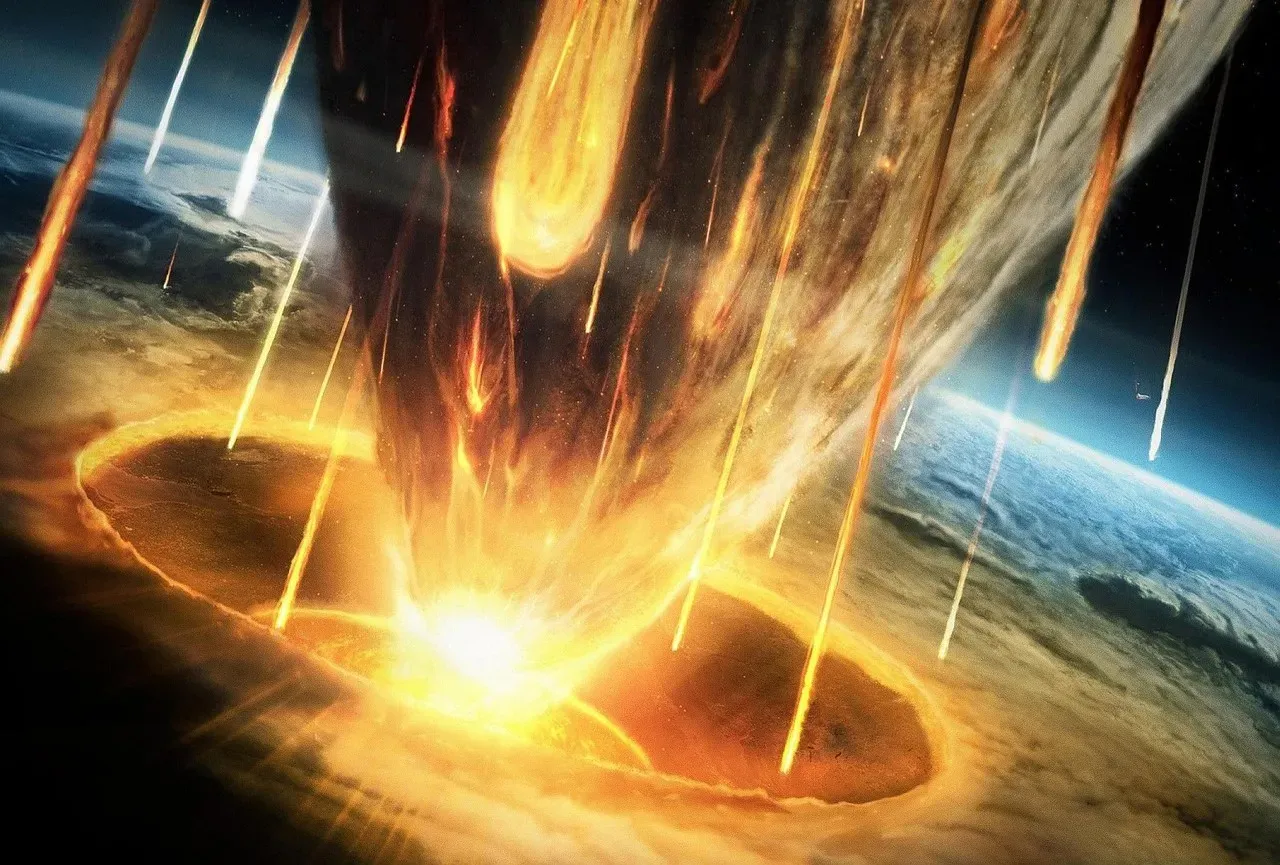
Armageddon presented a heroic solution to an Earth-threatening asteroid: drill into it and detonate a nuclear bomb to split it in two. Bruce Willis and his crew saved humanity with this daring plan. A group of physics students in the U.K. found that for the plan to work, the bomb would need to be a billion times stronger than the biggest bomb ever detonated on Earth. Even if Willis had the most powerful explosive, the odds of scientists not knowing an asteroid “the size of Texas” will hit Earth in less than 20 days is nearly zero. The timeline alone makes the entire scenario implausible.
This movie is so bad that NASA even used the movie during management training to see if the trainee was able to find all 168 inaccuracies. That’s correct – NASA found more than 160 scientific errors in a single film. There are teams of astrophysicists keeping an eye on all the objects of a certain size that come close (less than 100 million miles) to Earth’s orbit. An object that massive would have been detected years in advance, not days before impact.
The Earth’s Core Stopping Its Rotation

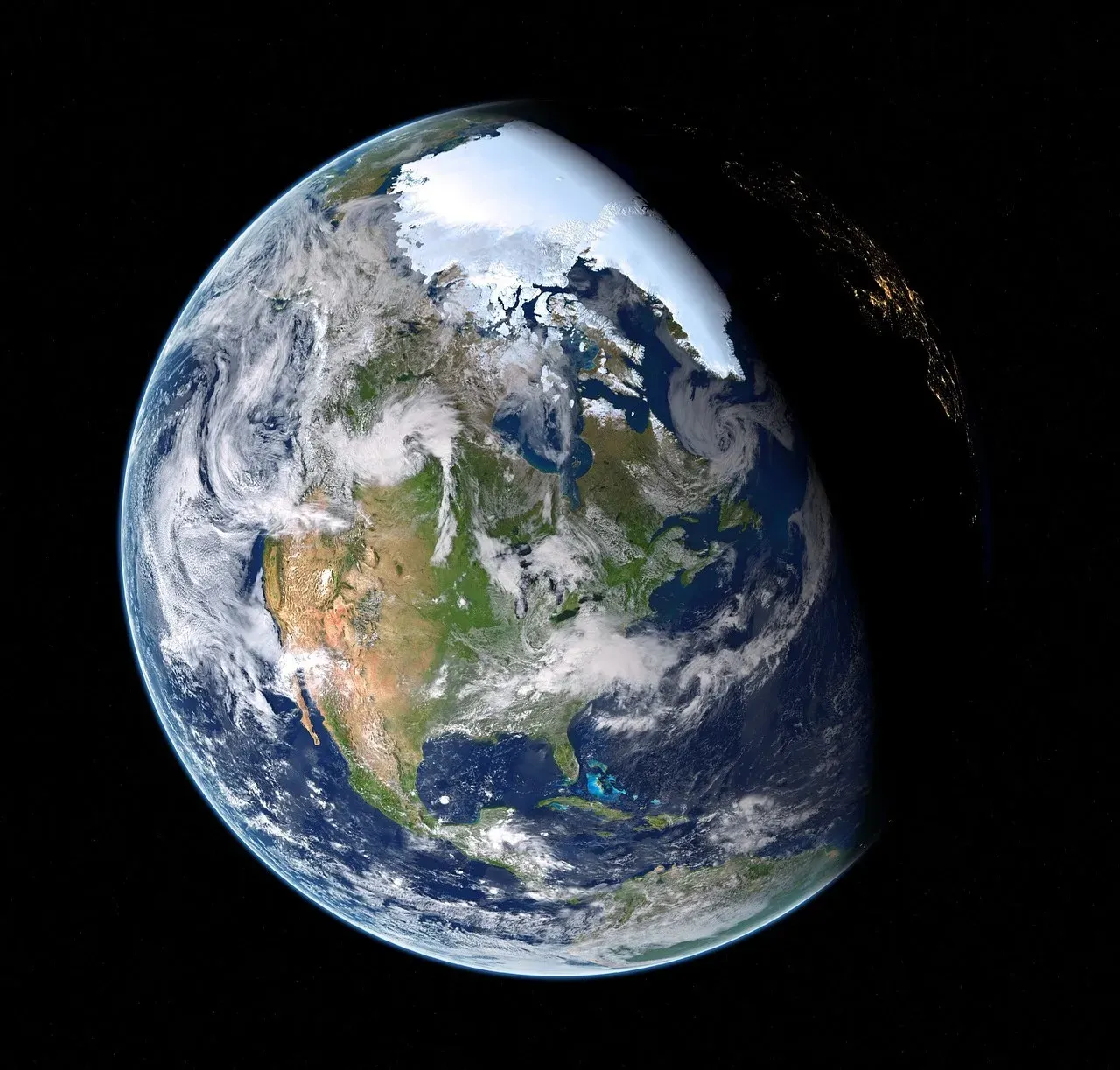
The Core presented an apocalyptic scenario where Earth’s core stops spinning, threatening all life on the planet. The film follows a team of scientists who journey to the center of the Earth to restart it with nuclear explosions. After mysterious tragedies keep occurring worldwide, a geophysicist announces that the Earth’s core has stopped spinning. He goes on to say they have a year to restart it before the magnetic field around Earth disappears. But according to physicist John Ortberg if the Earth’s core stopped spinning, the magnetic field would be gone in an instant. Even a group of ragtag scientists couldn’t delay that phenomenon.
The film follows a group of scientists, engineers, and astronauts as they journey to the center of the planet to restart the core’s rotation, and along the way, it gets just about every scientific principle wrong that it can get wrong. The Core’s science is so bad that it inspired the creation of The Science & Entertainment Exchange, a National Academy of Sciences program that connects entertainment industry workers with scientists and engineers to promote better science in movies and television. The movie’s numerous errors led to actual institutional change in Hollywood, encouraging filmmakers to consult with real scientists before committing scientific howlers to film.
Gravity Remains the Same on Every Planet

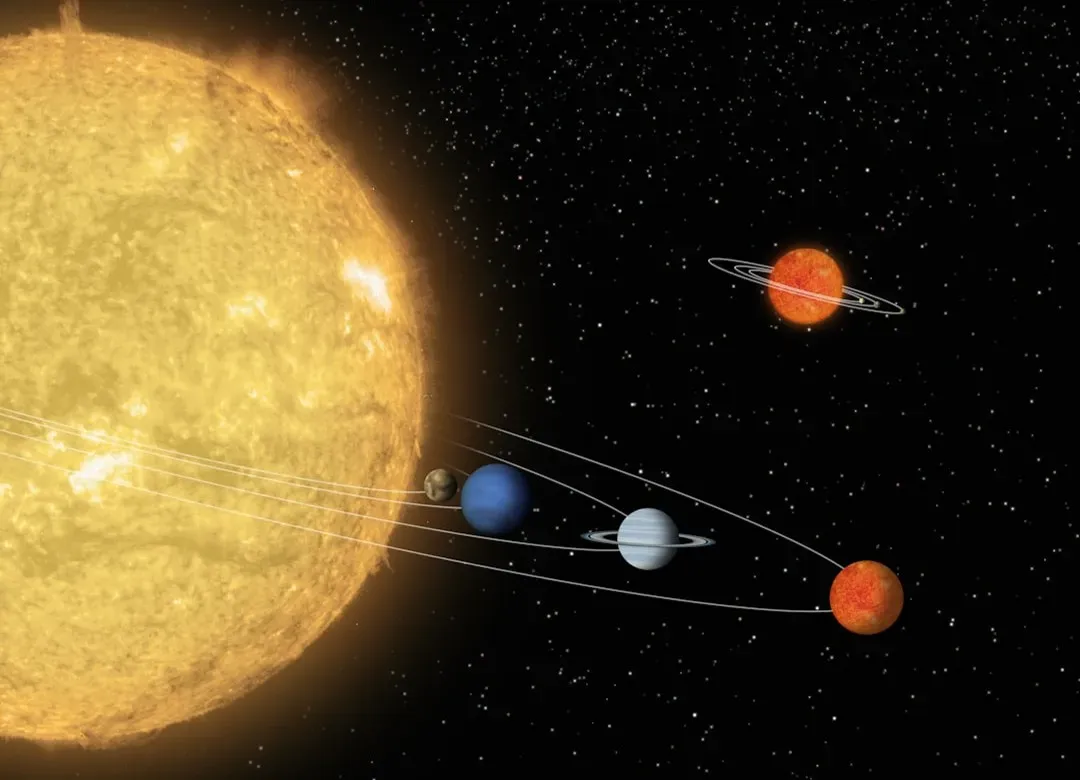
Science fiction takes audiences to countless alien worlds, from barren desert planets to lush jungle moons. Yet characters always seem to walk around normally regardless of where they land. Whether creators are exploring deep space in the MCU or Star Wars’ many moons and worlds, every planet’s gravity is always basically the same as Earth’s. Regardless of a world’s apparent mass, characters are never crushed by their own weight or bounce around on a planet’s surface. Gravitational pull is based on mass. While many planet’s around Earth’s size exist, no two are perfect matches for each other.
The truth is that gravity varies dramatically based on planetary mass and density. Characters landing on smaller celestial bodies would experience weightlessness similar to what astronauts feel on the Moon. Landing on a super-Earth or gas giant would crush human bodies under immense gravitational force. Yet blockbusters from Star Wars to Avatar rarely acknowledge these differences. The convenience of Earth-like gravity on every world makes filming easier and keeps audiences comfortable, but it completely ignores fundamental physics that govern how planets actually work.
Partner offer
Planning a trip to Vegas?
Compare hotel rates and show tickets on VEGAS.com.


