There’s a moment, usually somewhere between the second night and the third morning, when a music festival stops feeling like entertainment and starts feeling like something harder to name. The mud, the fatigue, the stranger sharing a meal with you at dawn – none of it looks like a religious experience from the outside. From the inside, it often does.
Festival tourism has long played a significant role in shaping why travelers cross borders, often seeking shared rhythms, creative expression, and a sense of belonging among crowds. What happens, though, when people stop merely traveling to a festival and start treating it as a destination that holds personal meaning – one they return to year after year, with intention? That’s when a music festival quietly crosses into pilgrimage territory.
1. The Crowd Begins to Think of Itself as a Community


The first signal that a festival has become something more is when attendees stop seeing themselves as an audience and start identifying as a people. At Bonnaroo in Tennessee, this shift has a name: the Bonnaroovians have developed core values, culture, and transcendent experiences, and researchers have investigated the lived experiences of the community, how the experience transcends the boundaries of the weekend, and the significance that individuals are ascribing to their experiences.
Social scientists study festivals to investigate the human desire for public celebration, community, and ritual. Through the years, crowds of people gather for weekends of immersive musical experiences that produce an isolated community for the duration of the festivals. That isolation, temporary as it is, turns strangers into something closer to kin.
2. The Journey Itself Becomes Part of the Meaning

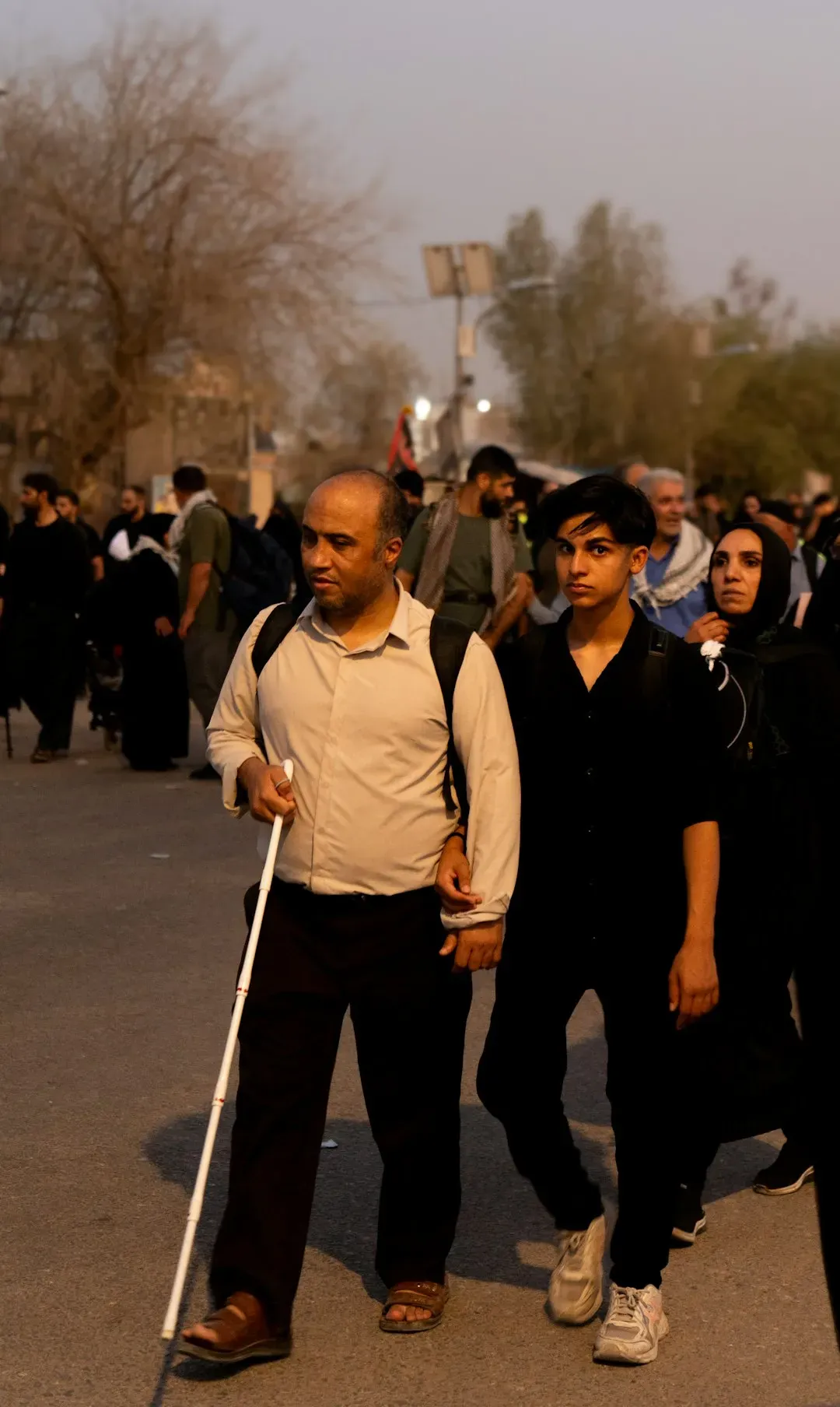
Pilgrimage is a journey with purpose to pilgrim places, most often by foot. People across the world have made pilgrimage in every historical era. To turn a walk into a pilgrimage, one sets an intention at the beginning. The practice of pilgrimage is open to all and connects a person with themselves, others, nature, and everything beyond. Festival-goers increasingly describe the act of traveling to the site in similar terms.
In traditional pilgrimages, the on-foot journey is a vital part of the whole experience and provides an opportunity for meditation and reflection, as people build their connection with the land, themselves, and the world about them. Whether it’s the drive through the Nevada desert to Black Rock City or the train ride into Somerset, the approach to a beloved festival carries its own quiet weight.
3. Ritual Replaces Routine

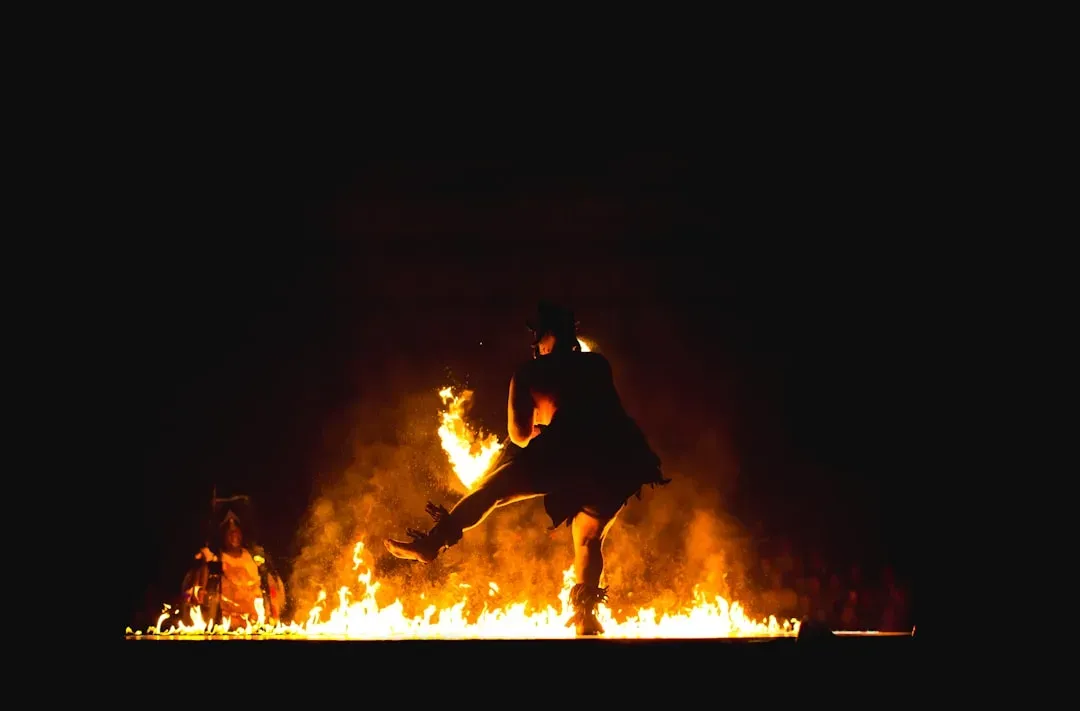
Perhaps the folk genre most closely associated with Burning Man is ritual, which is based on traditional beliefs and customs. Cofounder Larry Harvey often used the word ritual to describe the annual burning of the Man, which began almost spontaneously in 1986 on Baker Beach in San Francisco. Ever since the event moved to the Black Rock Desert in 1990, the rituals have become more entrenched.
For instance, all first-timers are asked to make a dust angel in the Playa Dust and ring a bell to signal their arrival. Burners howl and cheer when they see both the sun rise and the sun set. They go to the Temple for contemplation, mourning, and leaving behind memories for those who have passed. These aren’t random behaviors – they’re the kind of repeated, meaningful acts that define any serious pilgrimage tradition.
4. People Return Year After Year, Almost Compulsively

In surveys, Burners report experiencing strong feelings of connection during the event. Over three-quarters say that their experience was transformative, over nine in ten say that these transformative effects lasted beyond their stay, and over eight in ten say that they made a permanent impact on their lives. The great majority return again, many of them every year.
The same pattern holds at Glastonbury and Coachella. One attendee said they bought tickets before they even knew the lineup. A longtime Coachella attendee who has been to the festival ten times said, “Even if the lineup isn’t the strongest, you go for the vibes.” Out of more than 120 survey respondents, roughly two thirds said they attend Coachella for the experience rather than the music. When the artist lineup becomes secondary, you’re no longer attending a concert – you’re returning to a place.
5. The Festival Ground Becomes Sacred Space

As attendees lose themselves to the rhythmic beats and melodic flows, they step into what renowned anthropologist Victor Turner termed “liminality” – a transformative stage that sits outside of everyday norms. Liminality is the core of pilgrimage, too. Sacred sites work precisely because they exist apart from ordinary life, demanding something different from the people who enter them.
Partner offer

The Glastonbury Festival is not just an event; it is a cultural phenomenon that transcends music and art to embody a spirit of togetherness, creativity, and celebration. Held annually in Pilton, Somerset, England, this legendary festival has become a mecca for music lovers, artists, and free spirits from across the globe. The word “mecca” keeps appearing in descriptions of these places. People don’t use that word lightly.
6. A Shared Identity Forms Around Attendance


Leaving their default name behind them, Burning Man attendees use their “playa name” – a name gifted to them by another Burner and used to signify their new identity in the playa. Adopting a new name in a sacred space is ancient behavior. It’s documented across pilgrimage traditions from the Camino de Santiago to the Hajj. Burning Man participants arrived at the same practice independently.
The overwhelming majority of Burners identify as nonreligious, yet the deeply spiritual experiences they report resemble those of religious groups. Indeed, the similarities with religion are no accident. Identity, naming, spiritual experience, community – these are the building blocks of pilgrimage, and they’re all present here.
7. The Economic and Cultural Pull Grows Impossible to Ignore
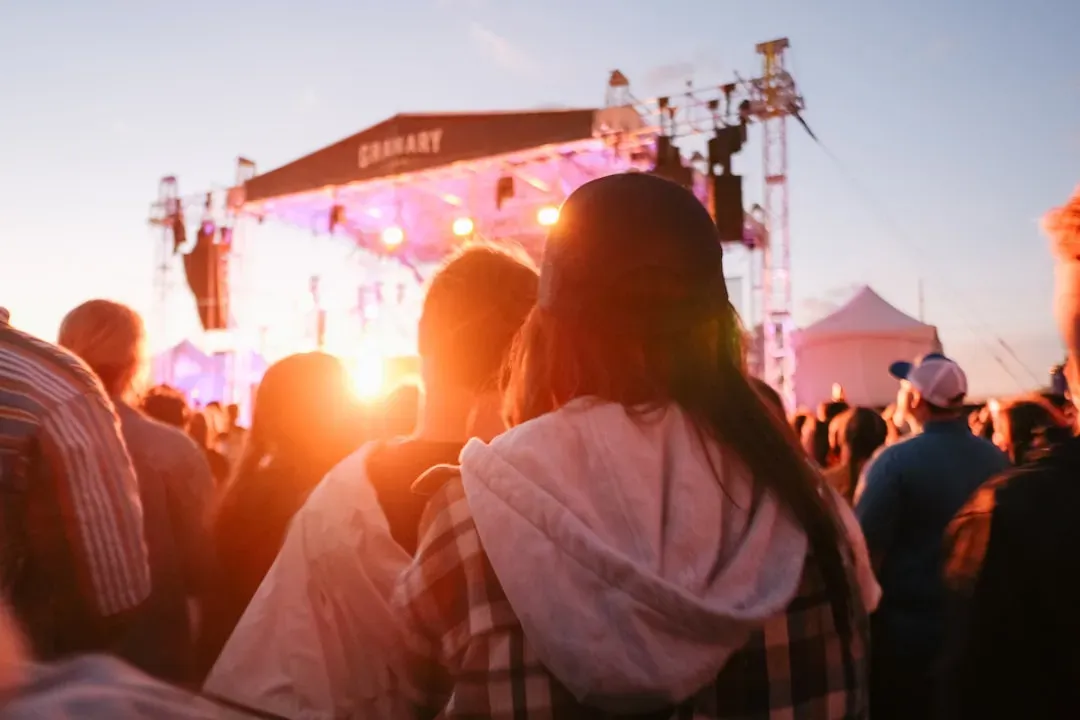
When a festival becomes a pilgrimage, the surrounding region transforms too. According to a 2012 economic impact study, Coachella brought $254.4 million to the desert region that year. A 2016 report announced that Coachella, along with the Stagecoach Country Music Festival, generated $704 million in overall economic impact for the global economy, with more than $403 million directly benefiting businesses in the Coachella Valley.
Glastonbury’s commitment to environmental sustainability is evident in its initiatives, such as banning single-use plastics and promoting recycling. Moreover, it donates millions of pounds annually to charities, including Oxfam, Greenpeace, and WaterAid. A festival that shapes local economies, funds charities, and drives policy decisions is no longer just a weekend in a field – it’s an institution with genuine civic weight.
8. The Festival Inspires Replicas and Satellites

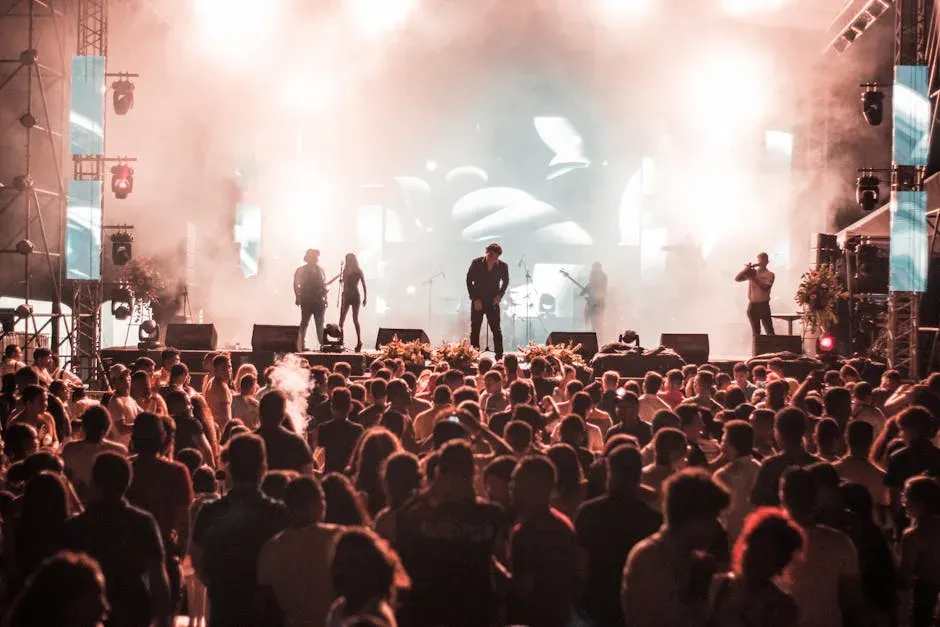
A woman who longed to attend the world-famous Glastonbury festival created her own version when illness prevented her from traveling, showing how the essence of festival tourism, community bonding, and meaningful journeys can exist far beyond commercial arenas. Her personal event, affectionately named Ella Fest, was held on a family farm in the UK and became a moving celebration of music, memory, and togetherness.
The principles of the Burning Man event have inspired numerous regional events and festivals worldwide, fostering similar communities and practices. When a gathering produces satellite events – formal or informal, large or deeply personal – it has done something that ordinary concerts never do. It has created a culture capable of reproducing itself, which is perhaps the clearest sign that it has become a true pilgrimage destination.
9. The Human Need for Ritual Reasserts Itself
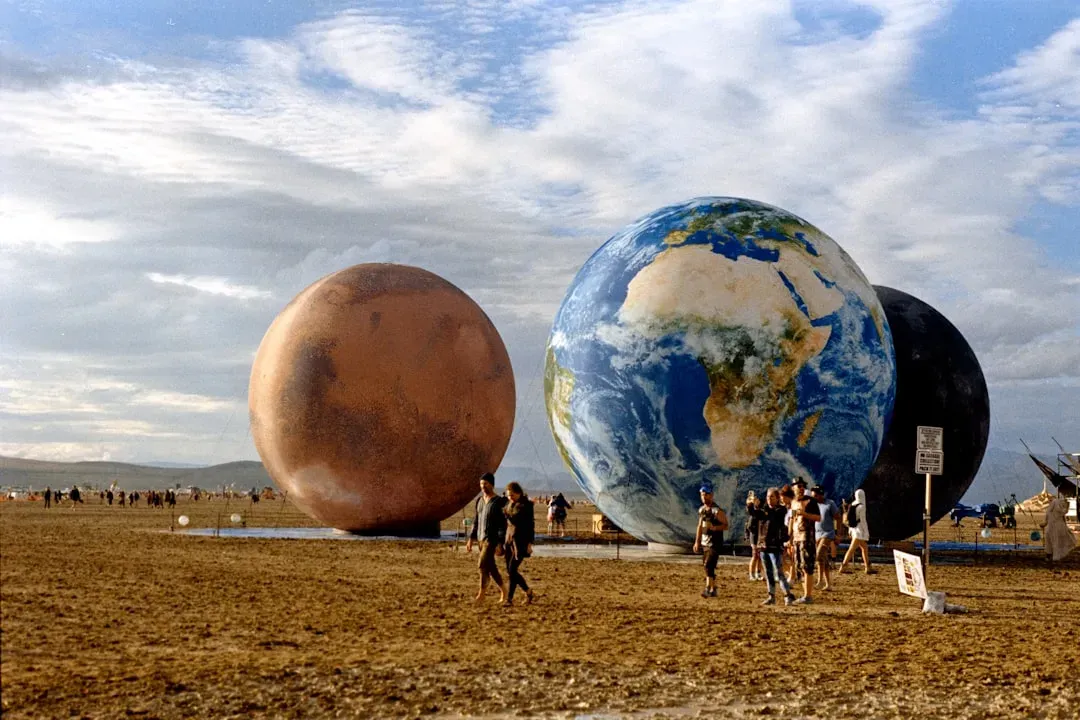
Phenomena like Burning Man could confirm the view that the human need for ritual is primeval. It both predates and extends beyond organized religion. There is something deep and persistent in the impulse to travel to a specific place, at a specific time, with other people, and do specific things together. Organized religion formalized this impulse. Music festivals have quietly rediscovered it.
In recent years, the practice of pilgrimage has spread beyond the confines of established religion, with contemporary travelers of every belief traveling to sites they hold as sacred. The festivals that become pilgrimages – Glastonbury, Burning Man, Bonnaroo, Coachella – aren’t sacred in any theological sense. They’re sacred in the older, simpler sense: places where people go to feel something real, together, and carry it home.
When the wristband finally comes off, the festival is over. But the place it made inside you doesn’t close the gates.
Partner offer
Planning a trip to Vegas?
Compare hotel rates and show tickets on VEGAS.com.