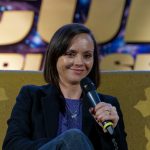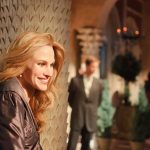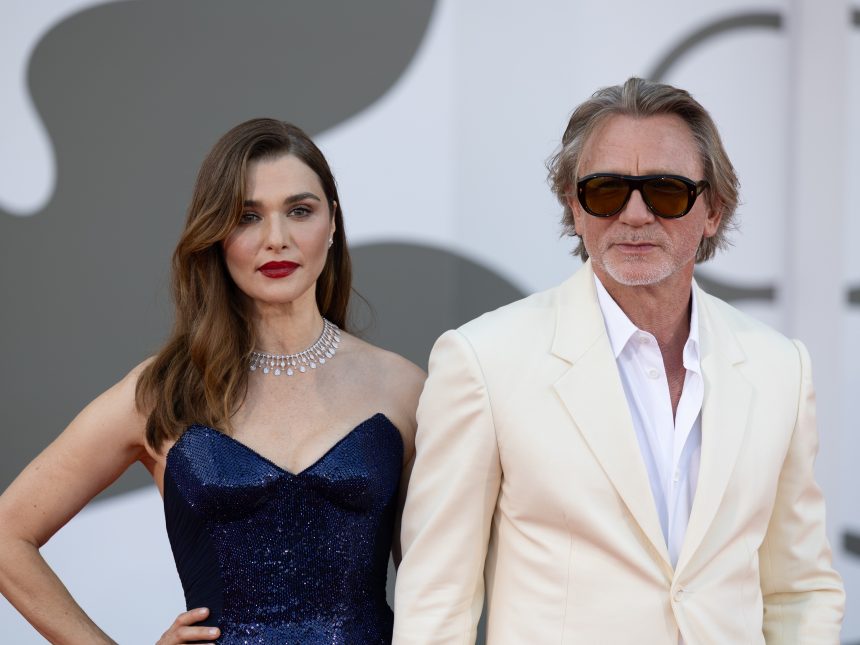
In an industry built on visibility, a handful of A-listers have made a career out of being seen only when they choose to be. While most of Hollywood posts, tweets, and shares its way through daily life, these six performers have stuck to a simpler rule: stay off the apps entirely. Their reasons range from protecting mental health to a genuine lack of interest in the whole exercise, and together they offer a rare counterpoint to the idea that fame now requires a follower count.
George Clooney
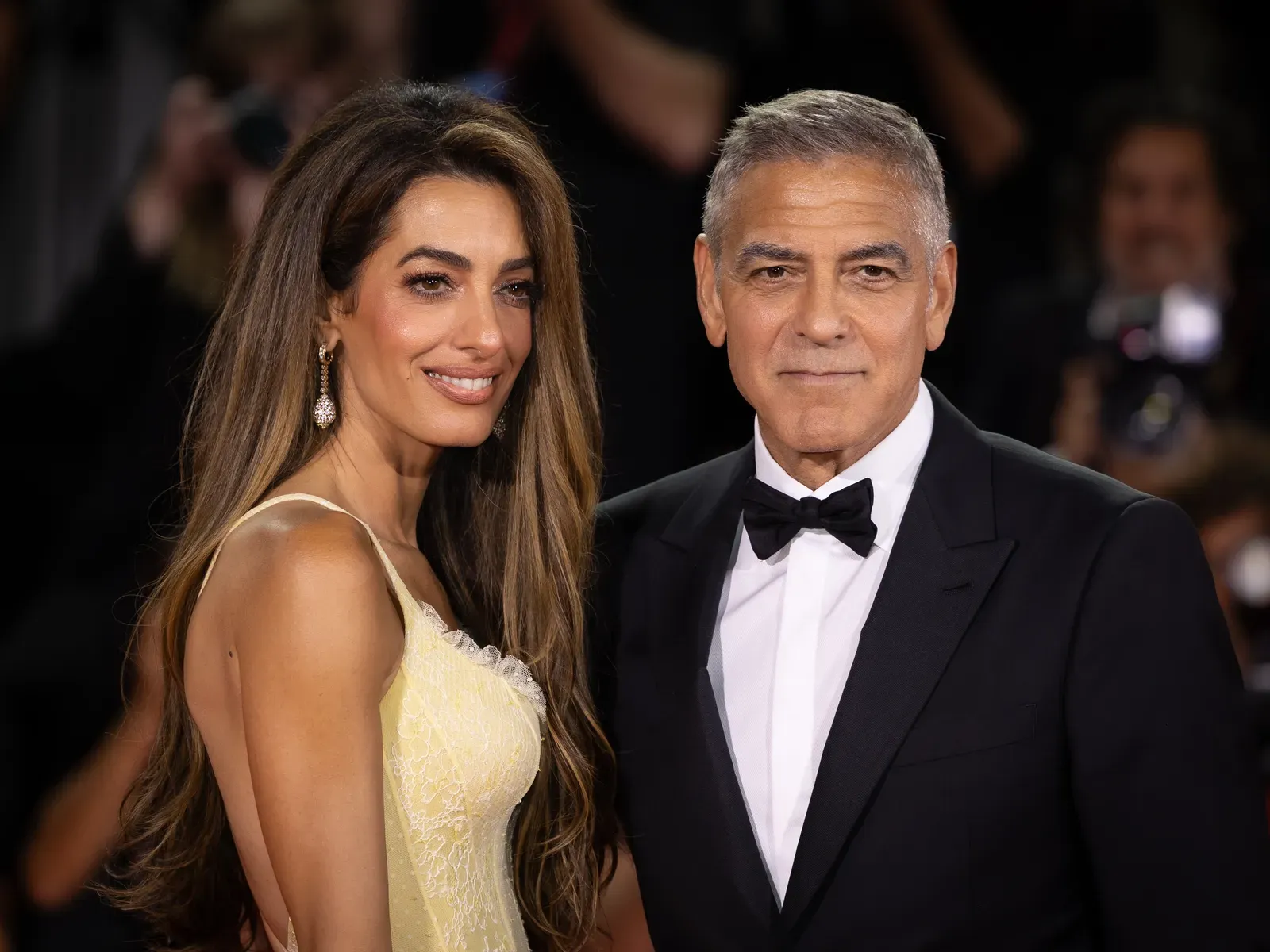
George Clooney has built one of the more consistent anti-social-media stances in Hollywood, and he has never been shy about explaining why. He has said he doesn’t know how to use social media, but that his life is simpler without it. More recently, he offered a blunter, funnier version of that same logic while promoting his film Jay Kelly.
Clooney explained he avoids platforms like Twitter and Instagram because he drinks, joking that a 3 a.m. joke about Mother Teresa might not play so well the next morning. He has also turned this into career advice for younger actors, claiming casting directors and studio executives have asked him to choose talent based on their online following, once comparing an actor with 175,000 Instagram followers to one with only 30,000. His response to that pressure has been consistent: stay off it entirely so there is nothing to compare.
Emma Stone
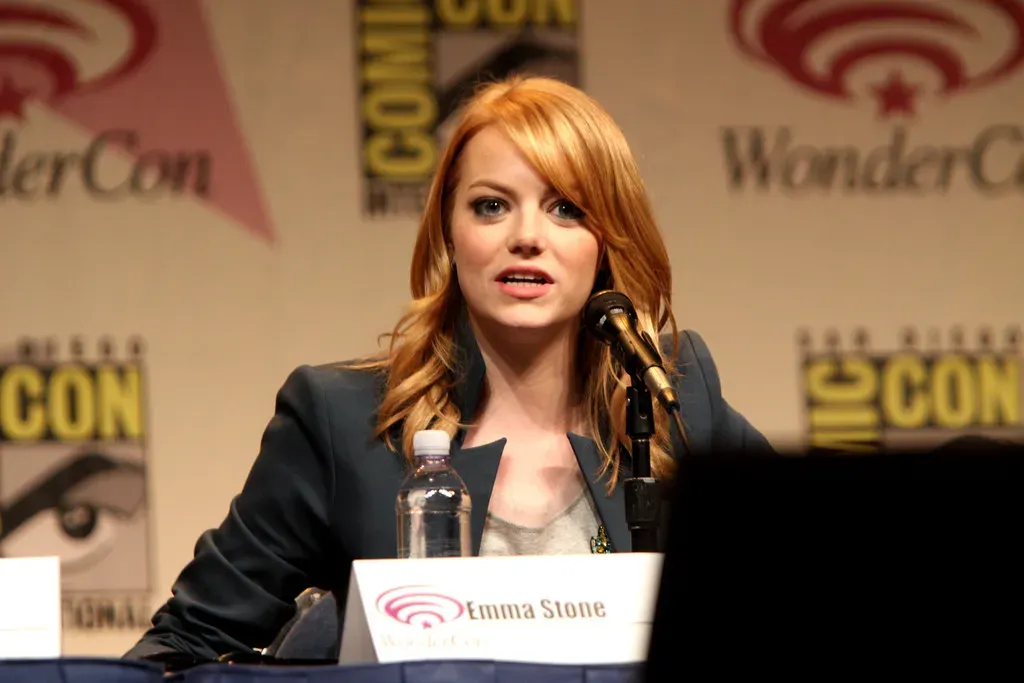
Emma Stone has been one of the most quietly firm holdouts in modern Hollywood. Her decision to stay off social media is straightforward, and she has said in past interviews that it simply would not be a positive thing for her. That stance has not shifted even as she has become one of the most in-demand actresses of her generation.
She has been open about the fact that scrolling through feeds makes her anxious, and she believes staying offline helps her maintain a sense of peace and values her privacy and mental health over likes or comments. Given her Oscar wins and steady stream of high-profile roles, Stone has proven that a major career can thrive without a single public post.
Daniel Radcliffe
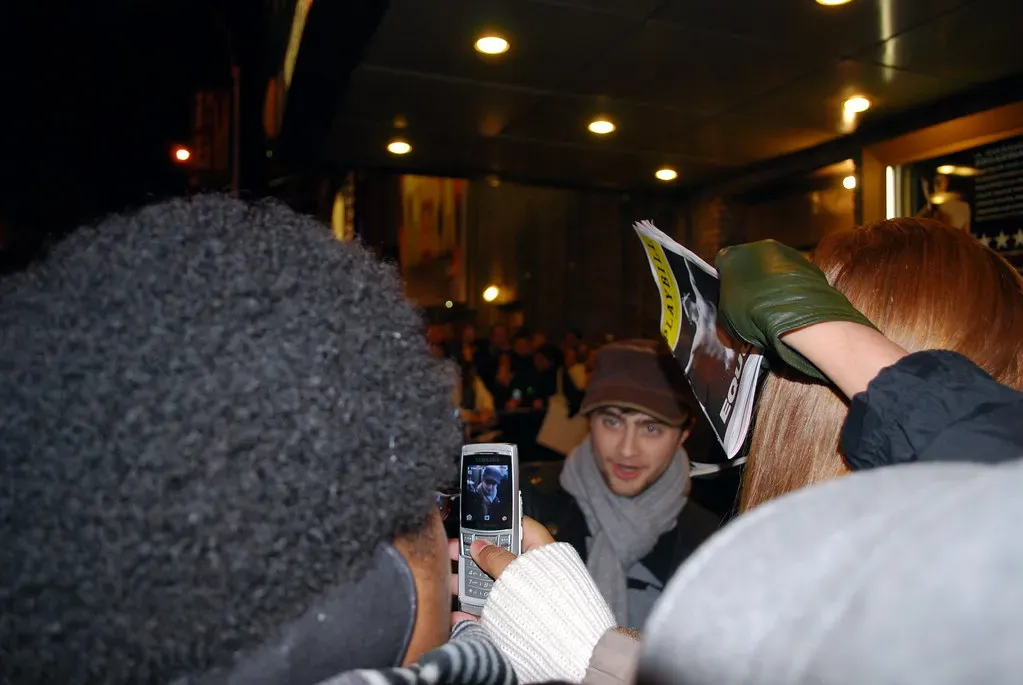
Daniel Radcliffe has talked about his social media avoidance for well over a decade, and the reasoning has stayed remarkably steady. He has said he avoids the platforms to protect his mental health, telling Rolling Stone he never feels like he is missing out by staying off Instagram or any version of Twitter. He has also been candid about the practical risks of joining in the first place.
Back in 2020, he admitted he considered getting a Twitter account but knew it would likely end in headlines about him getting into fights with random users online. He also acknowledged an old habit that pushed him further away from the idea. He recalled that when he was younger he would look up comments about himself on the internet, which he now describes as an insane and bad thing to have done.
Rachel Weisz
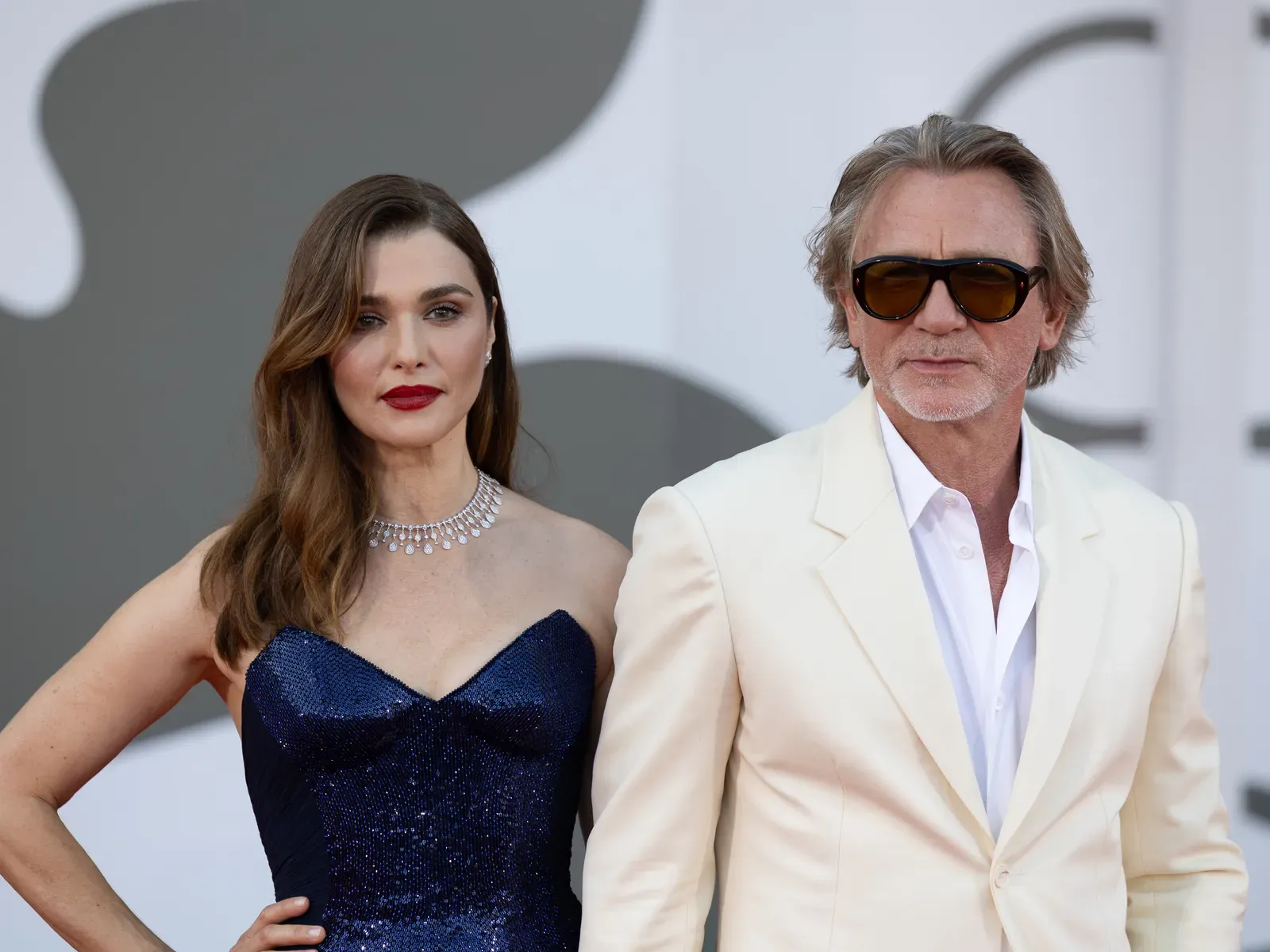
Rachel Weisz has kept a famously low digital profile, and her reasoning leans more toward personality than principle. The Oscar-winning actress has said she wants to keep her private life as private as possible. Unlike some of her peers who frame their absence as a stand against online negativity, Weisz has offered a more self-deprecating explanation.
In a 2023 interview with PORTER, she admitted she is not very technologically savvy and would be really bad at running an account. It is a rare instance of a celebrity treating the decision less as a statement and more as a simple mismatch between her personality and the format itself. Either way, she has managed to sustain a decades-long career without ever needing a verified badge.
Olivia Colman
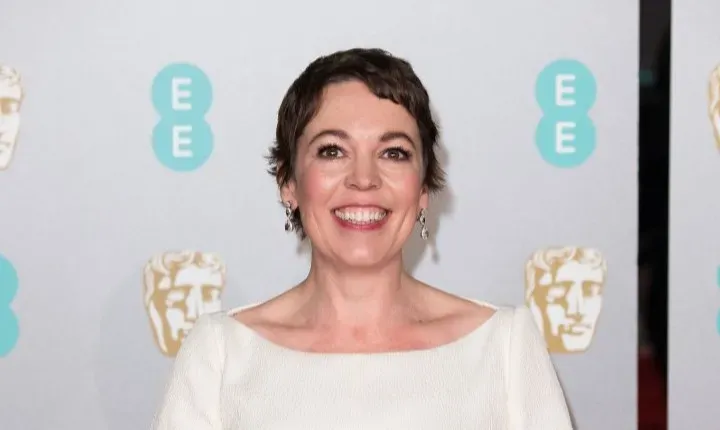
Olivia Colman’s reason for staying offline is tied directly to how she processes criticism of her own work. In a February 2024 interview with Sky News, she stated she has no interest in having social media because of her fear of reading negative comments about her work. It is an unusually candid admission from an actress with an Academy Award and a string of celebrated performances behind her.
She has been direct about how deeply that fear runs. She has said she is not brave enough, that she knows negative comments would hurt, that she is not very thick skinned, and that she would rather pretend no one ever sees the films she makes. It is a rare bit of vulnerability from someone whose work is constantly reviewed in public, and it explains why she has never felt the pull to open an account just to see what people think.
Joaquin Phoenix
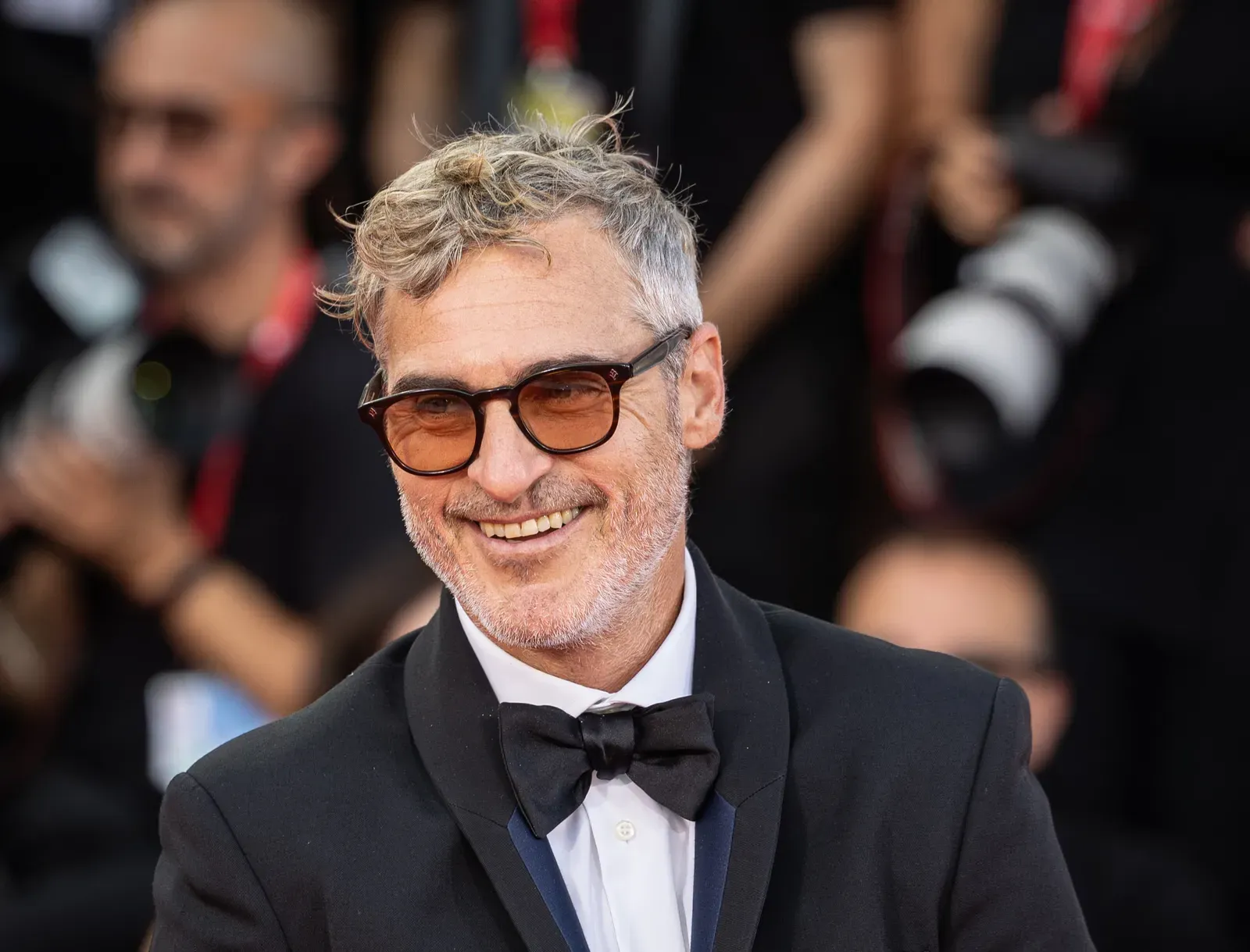
Joaquin Phoenix has spent years cultivating a public image defined almost entirely by his absence online. Even as major projects like Joker: Folie à Deux generated behind-the-scenes buzz on other people’s accounts, Phoenix has remained offline, never participating in the kind of digital self-promotion that surrounded the film’s release, even when director Todd Phillips shared behind-the-scenes shots on Instagram. His absence is not framed as technophobia so much as a deliberate boundary.
Partner offer
He remains untagged and unfetched by celebrity culture’s usual algorithms and snapshots, and by most accounts he is not against technology itself but against the exposure that typically comes with fame. That distinction matters. Phoenix still gives interviews and shows up for press tours, he simply does it without ever inviting cameras into the in-between moments that social media usually demands. For all six of these performers, the choice to stay offline has not slowed their careers or dimmed their visibility. If anything, it has become part of their public identity, a quiet signal that not every famous person needs to be reachable at all hours. Whether the reason is anxiety, privacy, self-control, or simply disinterest, their absence from the feed has become its own kind of statement in an industry that rarely stops posting.
Partner offer
Planning a trip to Vegas?
Compare hotel rates and show tickets on VEGAS.com.