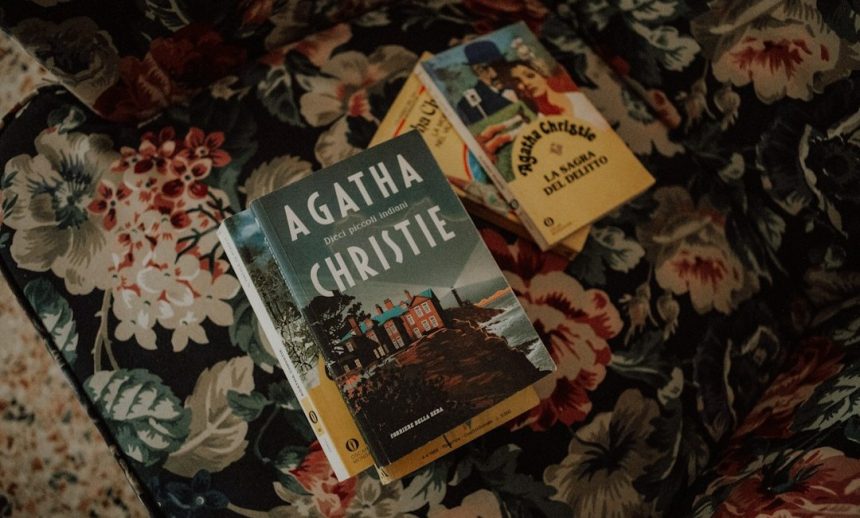
Publishing history is full of manuscripts that were turned away and later became household names. The stories below are well documented, and they show how uneven the road to a first bestseller can be. Many of these rejections came from experienced editors who simply didn’t see what readers would later love.
None of these cases prove that rejection is a good sign. Still, they do show that a no from a publisher is rarely the final word on a book.
J.K. Rowling
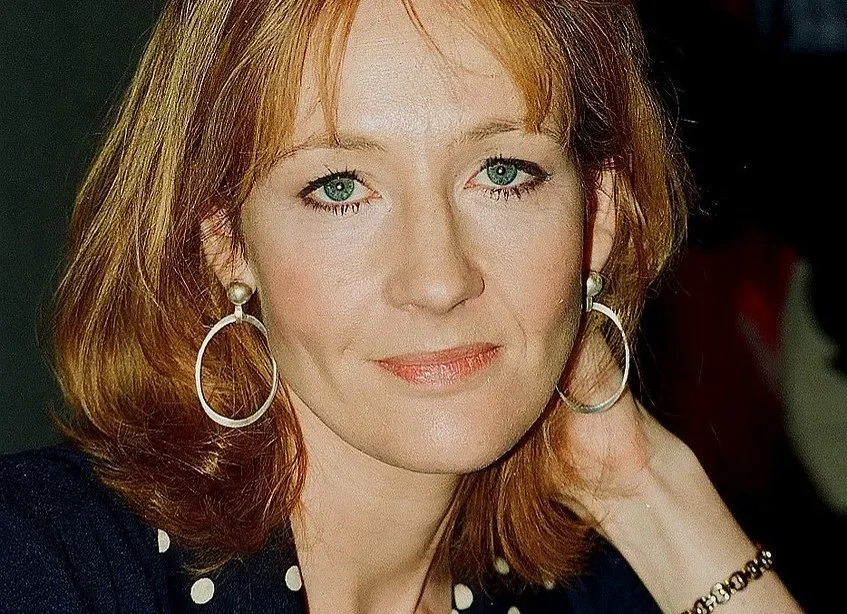
Rowling’s first Harry Potter manuscript was reportedly turned down by around a dozen publishers before Bloomsbury accepted it. The editor who took it on was influenced by the enthusiasm of his young daughter, who read the opening chapter. The book came out in 1997 with a modest first print run.
It went on to become one of the best selling book series ever. Sales of the series have been reported at over 500 million copies worldwide, and the books remain in print in dozens of languages.
Stephen King
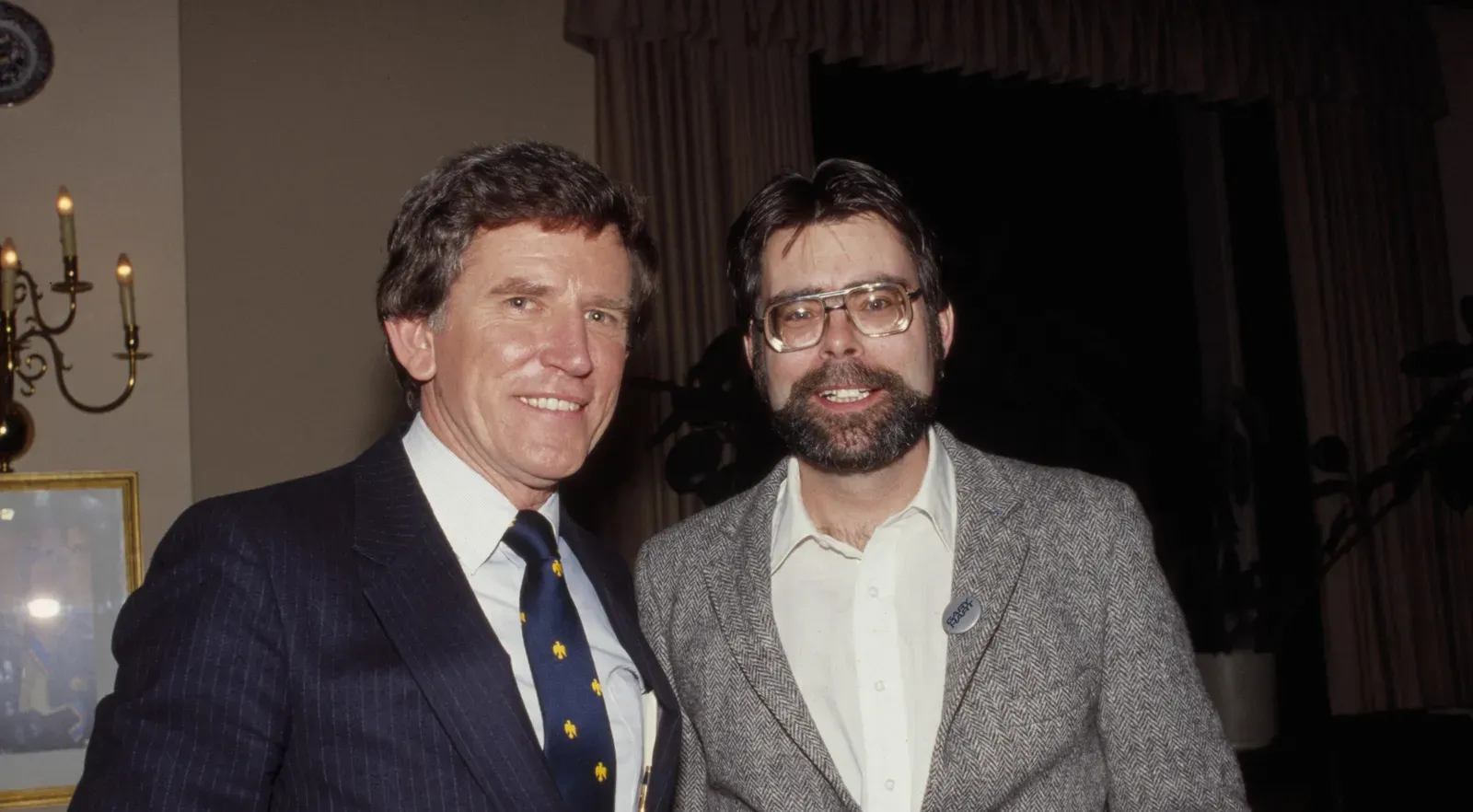
King’s debut novel, Carrie, was rejected by multiple publishers before Doubleday accepted it. He has often described how he once got discouraged enough to throw the draft in the trash, and his wife Tabitha pulled it out and encouraged him to finish it. That detail is among the best known in modern publishing lore.
Doubleday published Carrie in 1974, and the paperback rights sale soon after gave King financial breathing room. He has since written dozens of bestselling novels and become one of the most widely read authors alive.
Agatha Christie
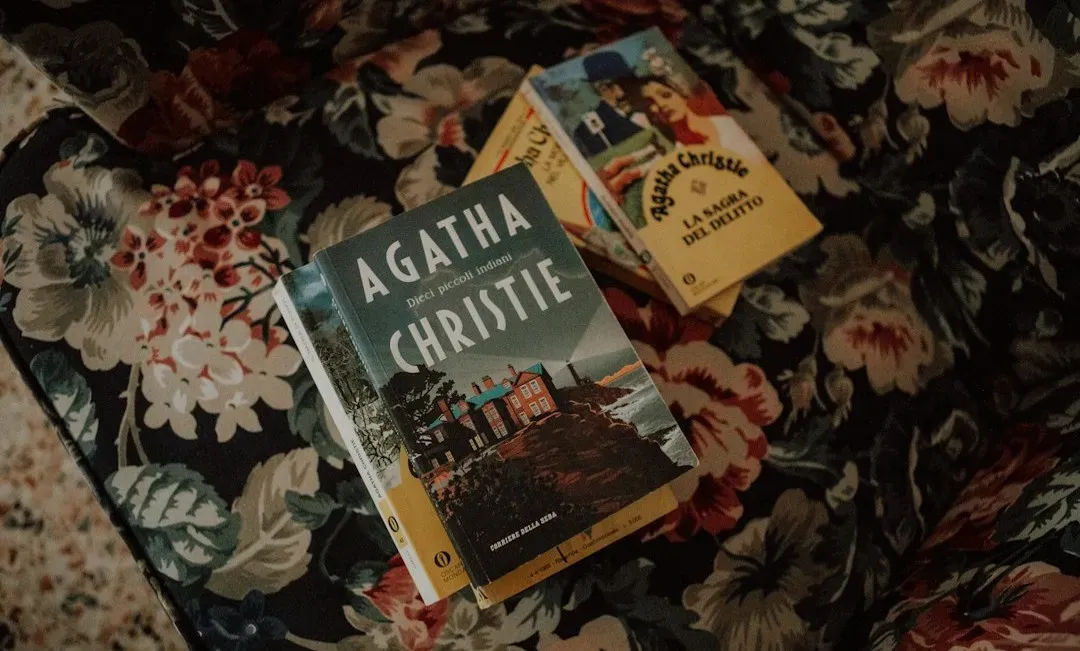
Christie’s first detective novel, The Mysterious Affair at Styles, was turned down by several publishers. It sat for a long time before John Lane at The Bodley Head accepted it. The book was published in 1920 and introduced the Belgian detective Hercule Poirot.
Her early contract was famously unfavorable, which is a reminder that acceptance wasn’t the end of her struggles. Even so, she became the best selling novelist of all time by most accounts, with sales commonly estimated at around two billion copies.
John Grisham

Grisham, a practicing lawyer in Mississippi, wrote A Time to Kill in the late 1980s. Many agents and publishers passed on it, and a small publisher, Wynwood Press, printed a modest first run of about five thousand copies in 1989. It didn’t sell widely at first.
His second novel, The Firm, became a major hit in 1991, and A Time to Kill was later reissued to bestseller success. His path shows that a first book can fail quietly and still gain a large audience afterward.
Madeleine L’Engle
L’Engle’s A Wrinkle in Time was rejected by a large number of publishers, often reported as around two dozen. Editors found it unusual, difficult to categorize, and perhaps too strange for children. John Farrar of Farrar, Straus and Giroux eventually agreed to publish it in 1962.
The book won the Newbery Medal in 1963 and has stayed in print for decades. It has been adapted for the screen more than once, including a major film in 2018.
Dr. Seuss
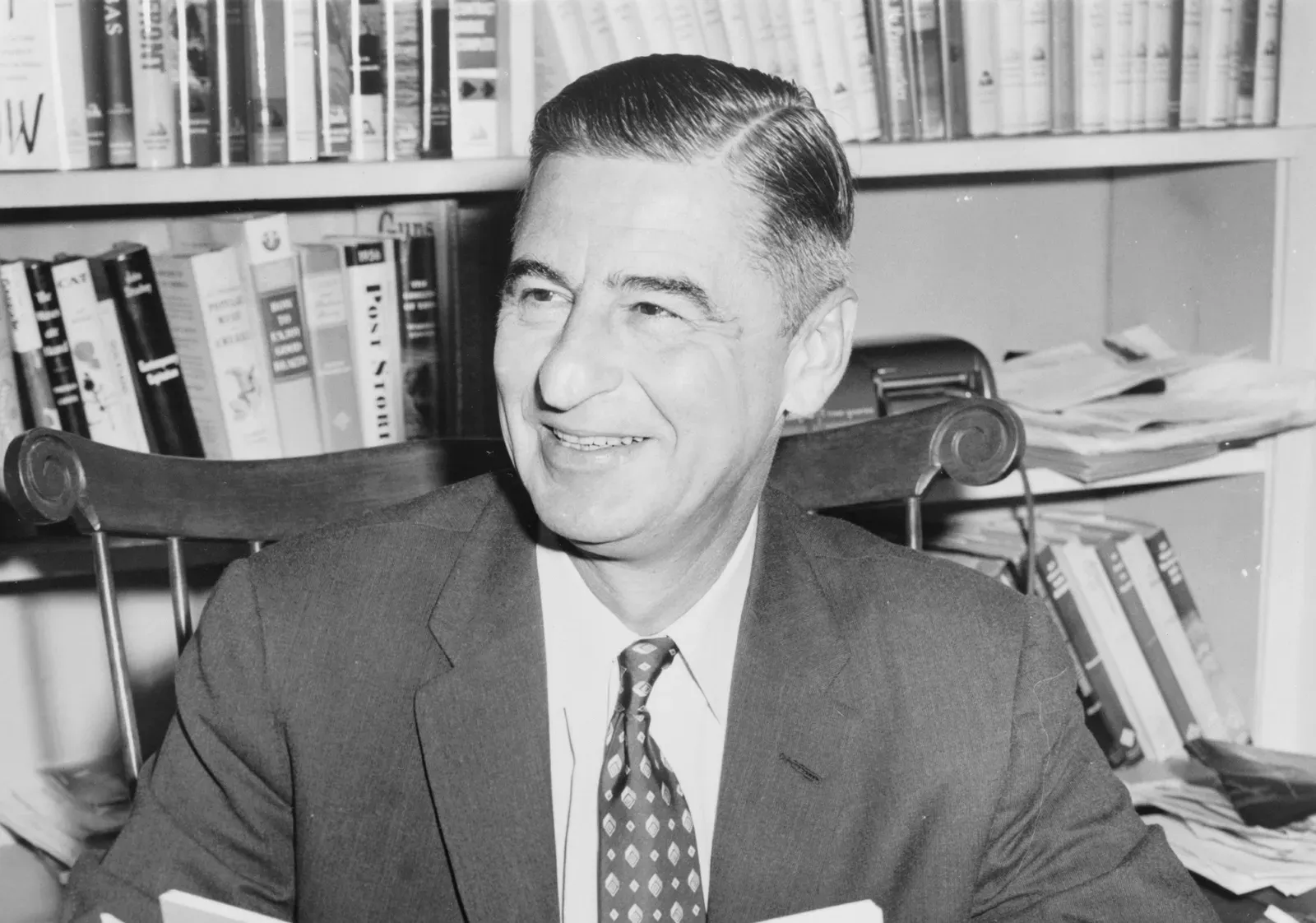
Theodor Geisel’s first children’s book, And to Think That I Saw It on Mulberry Street, is widely reported to have been rejected by many publishers, with the count often given as around two dozen or more. Legend says he was about to burn the manuscript when he ran into an old college friend who had just become a children’s book editor at Vanguard Press. The book was published in 1937.
It was not an instant blockbuster, but it launched his career. The Cat in the Hat, released in 1957, later became a landmark in children’s literature, and his books have sold hundreds of millions of copies.
Kathryn Stockett
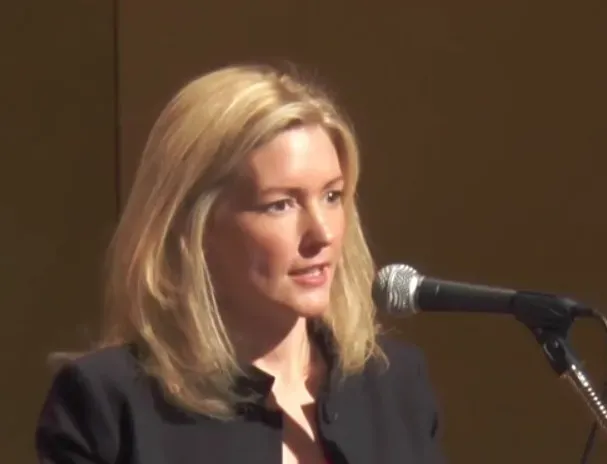
Stockett’s novel The Help was reportedly turned down by dozens of literary agents before an agent finally took it on. She has said the count reached sixty rejections, and the process took several years. Amy Einhorn Books, an imprint of Putnam, published it in 2009.
The novel spent many weeks on the New York Times bestseller list and sold millions of copies. A film adaptation followed in 2011, and it earned an Academy Award for Octavia Spencer.
Each of these writers eventually found an editor who believed in a book others had passed over.