There is a certain kind of traveler who reflexively avoids any restaurant with a line around the block or a name that shows up on every “must-see” list. Honestly, I get it. The logic feels sound: famous means overpriced, packed with tourists, and coasting on reputation. The food? Usually a letdown.
Here’s the thing, though. That logic is wrong more often than you might expect. According to the World Food Travel Association, over four-fifths of travelers research local restaurants before visiting a destination. People show up at these spots in massive numbers, and yet some of them keep earning their reputation year after year, decade after decade. These six restaurants have been called tourist traps. They are not.
1. Katz’s Delicatessen, New York City – Over 130 Years of Pastrami That Actually Delivers

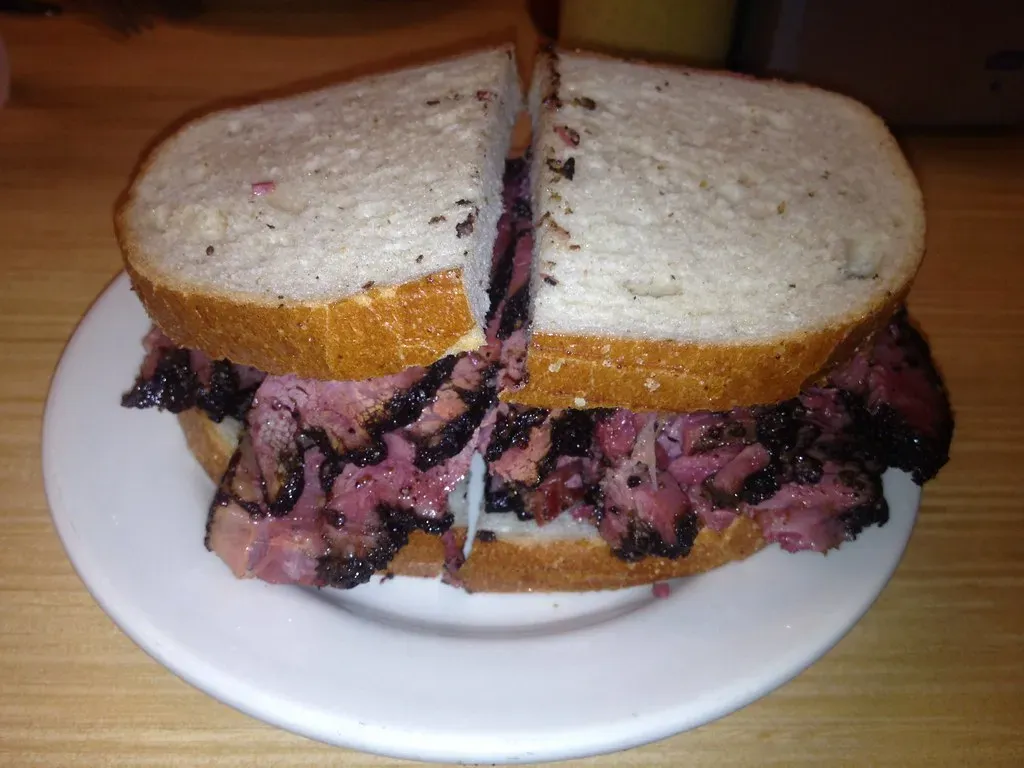
Since its founding in 1888, Katz’s Delicatessen has been popular among locals and tourists alike for its pastrami on rye, which is considered among New York’s best. That is not a marketing claim. That is a track record spanning more than a century, which is rare for any restaurant anywhere in the world.
Each week, Katz’s serves 15,000 pounds of pastrami, 8,000 pounds of corned beef, 2,000 pounds of salami, and 4,000 hot dogs. Those are numbers that tell a story about consistent, relentless demand – not a restaurant surviving on hype alone.
In December 2024, Taste Atlas named Katz’s the most legendary restaurant in New York City and the eighth most iconic eatery in the world. The sandwiches are famously generous. Yes, sandwiches run around $28, but they are piled high with meat, and portions are so generous that one sandwich can easily be shared. Factor that in, and it starts looking much more reasonable.
Katz’s has a secret “dry cure” pickling formula that requires a full month to prepare. That kind of dedication to craft is not something you typically associate with a tourist trap. Skip it once, and you’ll probably spend the rest of your trip regretting it.
2. Le Train Bleu, Paris – A Belle Époque Time Machine That Feeds You Well
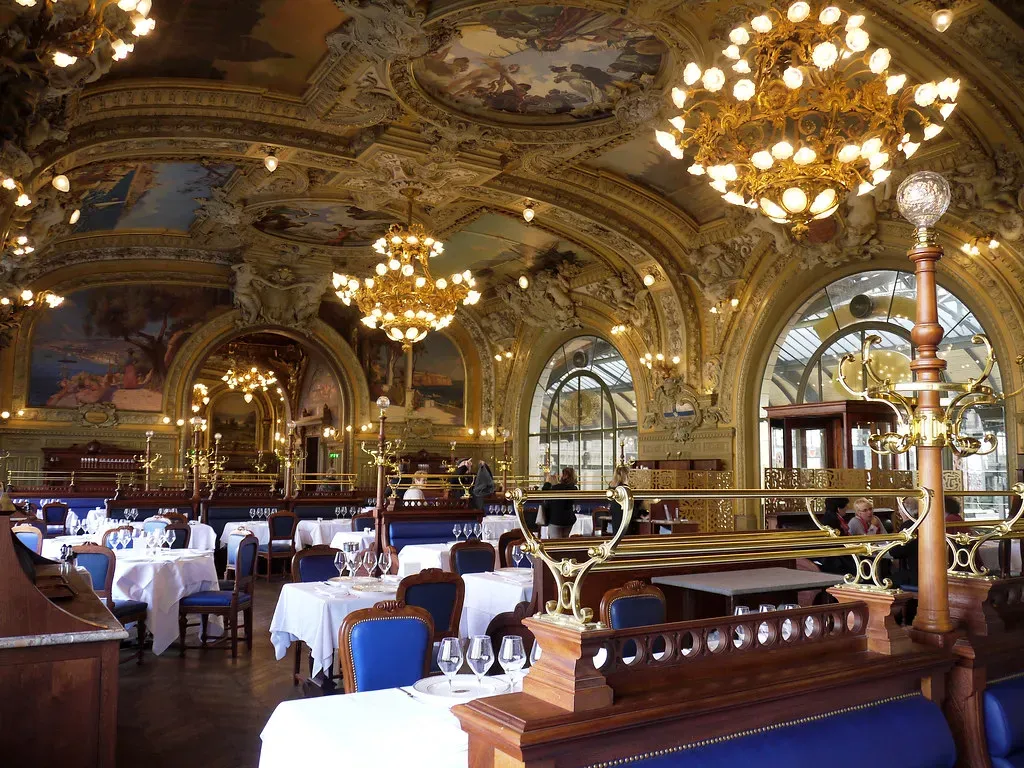
Paris attracts more than 30 million visitors every year, which means nearly every restaurant near a landmark gets hit with the tourist trap label sooner or later. Le Train Bleu, tucked inside the Gare de Lyon train station, gets that label constantly. Situated inside the Gare de Lyon, it has been an indispensable part of the train station’s identity, having been in operation since 1901 when it served as a dining destination for voyagers on the famous “train bleu” express.
Since 2018, Michelin-starred chef Michel Rostang has elevated the cuisine from “tourist trap with pretty walls” to “destination dining that happens to be tourist-friendly,” with a menu that honors the PLM railway’s historic route through dishes inspired by regions the original train served. That is a meaningful upgrade, and it shows on the plate.
The restaurant was originally created for the 1900 Paris Exposition, and each dining room is themed to represent regions of France, decorated with paintings by some of the most popular artists of that time. It could have been a tourist trap, but loyal regulars, enthusiastic staff, and a genuinely good menu of simple classics have spared it from such a reputation.
Critics who dismiss it as an overpriced tourist trap miss the point entirely. This is not a restaurant trying to be a museum – it’s a living museum that happens to serve exceptional food. Few places on earth let you eat lamb carved tableside from silver trolleys under century-old painted ceilings. The price reflects that, and it earns it.
3. Joe’s Stone Crab, Miami Beach – The Highest-Grossing Independent Restaurant in America for a Reason

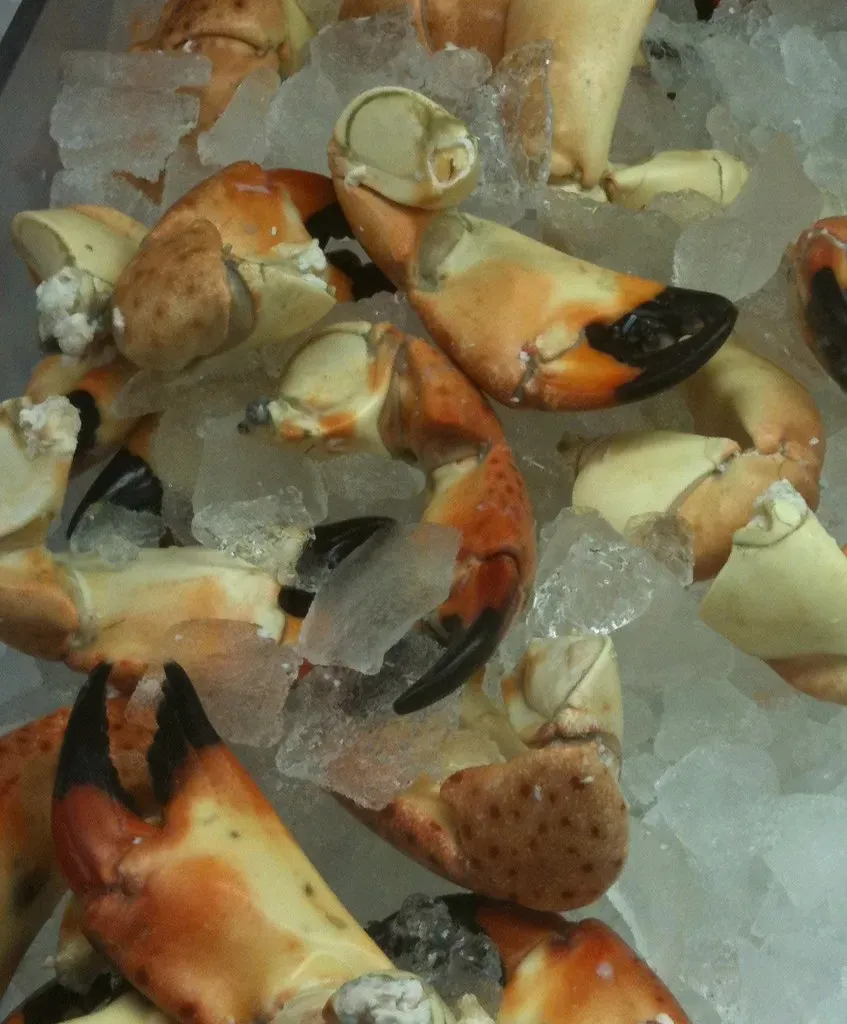
If you are a tourist in Miami Beach, one of the first things Google will tell you to do is visit Joe’s Stone Crab. What started as a lunch counter in 1913 has become a staple restaurant for its history and crab claws. That longevity alone separates it from the average tourist destination feeding on foot traffic.
The numbers are staggering. In 1998, the restaurant won an America’s Classic Award from the James Beard Foundation, and it is consistently among the highest grossing individual restaurants in the United States, with 2024 sales approaching $50 million. Let that sink in for a second. Nearly $50 million in a single year, one restaurant, one location.
Joe’s Stone Crab is the biggest buyer of Florida stone crab claws, and it plays a significant role in the industry, influencing the wholesale price and financing many crabbers. Stone crabs must be cooked the day they are caught – which means freshness is not optional, it is the entire model. The restaurant’s own fisheries and direct sourcing mean what arrives on your plate has been harvested, cooked, and chilled with remarkable care.
Yes, the wait times can be brutal. For over a century, Joe’s did not take reservations, and weekend waits were notoriously painful. Today they do accept reservations, so plan accordingly. The stone crabs are genuinely worth experiencing at least once.
4. The Olde Pink House, Savannah, Georgia – Southern Food Inside an 18th-Century Ghost-Haunted Mansion

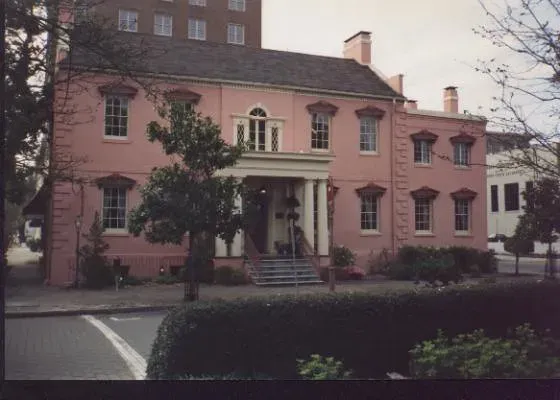
Savannah is one of those cities where nearly everything claims to be haunted, charming, or historic. At The Olde Pink House, all three are actually true. Construction on the Georgian colonial-style building began in 1771 and was completed in 1789. Since then, it has been many things: a family home, a bank, a Union army headquarters during the Civil War, and now one of the most unique dining establishments in Savannah.
The Olde Pink House, one of Savannah’s most iconic dining destinations, offers unforgettable experiences in a beautifully preserved 18th-century mansion. Whether you are enjoying an intimate dinner for two in the Planters Tavern Wine Vault or hosting a grand celebration, the team specializes in creating memorable Southern dining experiences with elegance and charm.
The Old Pink House, along with The Grey and Husk, is one of the restaurants you will need to book the furthest out, usually at least two months in advance. The Olde Pink House was constructed in the late 1780s and has been operating as a restaurant since 1971, and it is popular among tourists and a decent number of locals. When locals brave the tourist crowds to eat somewhere, that tells you something important.
The tab is a bit pricey, but people are obviously willing to pay the going rate since the place stays booked solid for weeks, if not months, in advance. That is not a tourist trap. That is demand driven by quality. The crispy scored flounder and the shrimp and grits are frequently singled out as standout dishes by diners who eat at fine restaurants regularly.
5. Brennan’s Restaurant, New Orleans – The Birthplace of Bananas Foster and the Art of the Long Breakfast

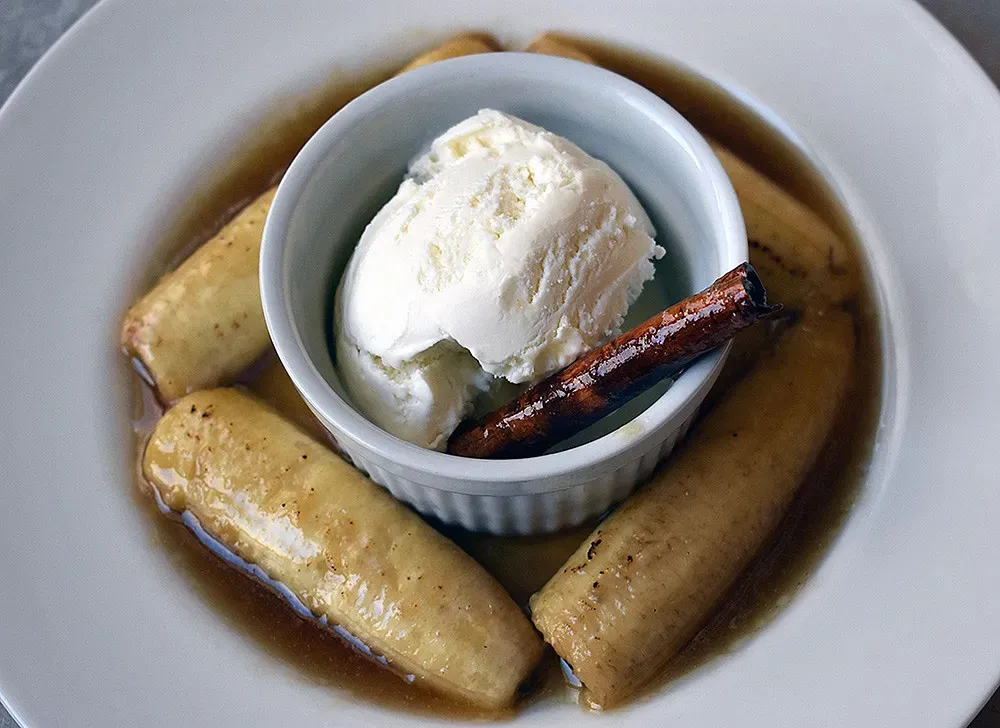
New Orleans has no shortage of overhyped restaurants that live on reputation while the kitchen sleeps. Brennan’s is not one of them. For over 70 years, visitors and locals alike have considered Brennan’s Restaurant one of the French Quarter’s top dining locations. In 1946, New Orleans native Owen Brennan founded the restaurant, and since then, Brennan’s has specialized in fine Creole dining.
Brennan’s in New Orleans is best known for inventing Bananas Foster, a world-famous dessert created right in their kitchen in 1951. As the original home of Bananas Foster, Brennan’s goes through 35,000 pounds of bananas per year. That is the kind of detail that makes the whole “tourist trap” accusation feel a little thin.
After a brief closure and renovation in the early 2010s, Brennan’s reopened in 2014, keeping its well-loved menu but updating the interiors. Today, Brennan’s remains one of the crown jewels of fine dining in New Orleans. It was also named to the New York Times list of 50 best American restaurants, which is not a ranking that goes to coasting institutions.
In New Orleans, one restaurant is synonymous with breakfast: Brennan’s. “Breakfast at Brennan’s” has become shorthand for a quintessential Big Easy ritual – a big, boisterous meal of Creole-influenced egg dishes and other classic New Orleans fare, washed down with a cocktail or three and finished with a tableside flambé of Bananas Foster. You are not just eating. You are participating in a living tradition of the city itself.
6. Pike Place Chowder, Seattle – 17 First-Place Awards and Still Making Chowder in Small Batches Every Morning

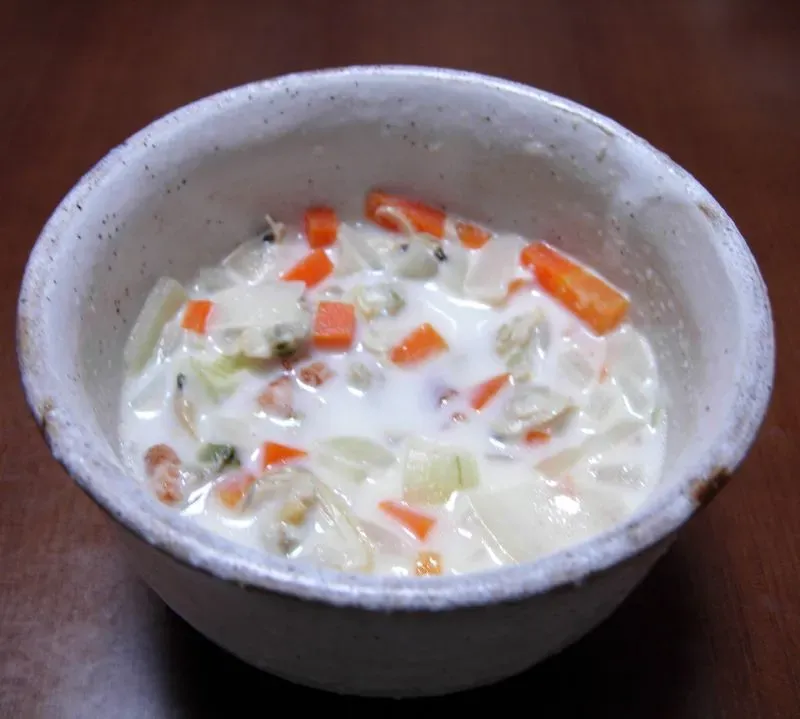
There are few things more suspicious-looking to the seasoned traveler than a small restaurant inside a world-famous market with a line stretching out the door and tourists clutching phones. Pike Place Chowder looks exactly like that. While some attribute the long lines at Pike Place Chowder to the tourist presence in the nearby market, those who have tried it can contest that the chowder is indeed worth the wait.
Opened in 2003, Pike Place Chowder has been a fixture in Pike Place Market for years now. The goal of the restaurant is to make delicious chowder, and its simplistic and straightforward approach has helped make it successful, allowing the team to refine their craft with no frills to distract them. There is something almost admirable about a restaurant that does one thing and refuses to deviate.
Out of all the chowder flavors, the New England clam chowder has quite the reputation, not just in Seattle but across the country. It has won several awards, including 17 first-place awards in some of the biggest chowder competitions in the country. This chowder also earned the accolade of Yelp’s Most Popular Dish in America in 2018.
Despite all the hype and constant touristy atmosphere of the market, Pike Place Chowder remains humble and dedicated as ever to its niche. To this day, its beloved chowder is made in small batches each and every day using sustainably sourced ingredients. It also holds the TripAdvisor Travelers’ Choice Award 2024. Awards and consistency over more than two decades are not the hallmarks of a tourist trap. They are the hallmarks of something genuinely good.
Why the “Tourist Trap” Label Gets It Wrong So Often

Here’s the thing about the tourist trap label: it gets applied lazily, often to any restaurant that is famous, expensive, or surrounded by a crowd. The global restaurant industry generated over $1 trillion in U.S. sales in 2024, according to the National Restaurant Association. Within that enormous market, the places that survive for 50, 100, or even 130 years are not doing so by deceiving visitors. They are doing so by earning repeat business.
International tourism recovered strongly after the pandemic, with the United Nations World Tourism Organization reporting that international tourism receipts reached roughly $1.4 trillion in 2023, and international arrivals recovered to approximately 88% of pre-pandemic levels by 2024. More travelers means more scrutiny of restaurant quality, not less. Restaurants that are genuinely bad get filtered out fast in the age of instant reviews and social media.
The real tourist trap is often the place nobody warned you about – the generic spot on a side street with no line, no history, and a menu designed to look local without being local at all. The restaurants on this list have been pressure-tested by millions of visitors and survived. That is not an accident. So the next time someone tells you to skip these places because they are “too touristy,” ask yourself: too touristy, or just too popular to ignore?