There’s a particular kind of pleasure in returning to a film you already know. The dialogue lands differently, the visual choices feel more deliberate, and moments you once skipped past suddenly carry real weight. Classic cinema offers something that most contemporary releases simply can’t replicate: the accumulated meaning of decades.
Classic films have an enduring charm that continues to captivate both nostalgic viewers and new generations of movie lovers, and often made decades ago, they still evoke strong emotions and remain deeply relevant in today’s world. At CinemaCon 2026 in Las Vegas, one clear message rang across studio presentations: the theatrical experience is leaning into both nostalgia and reinvention, with audiences drawn to the familiar reimagined for a new era. These six films are worth clearing an evening for, whether you’re seeing them for the first time or the fifth.
Casablanca (1942): The One That Defined the Love Story
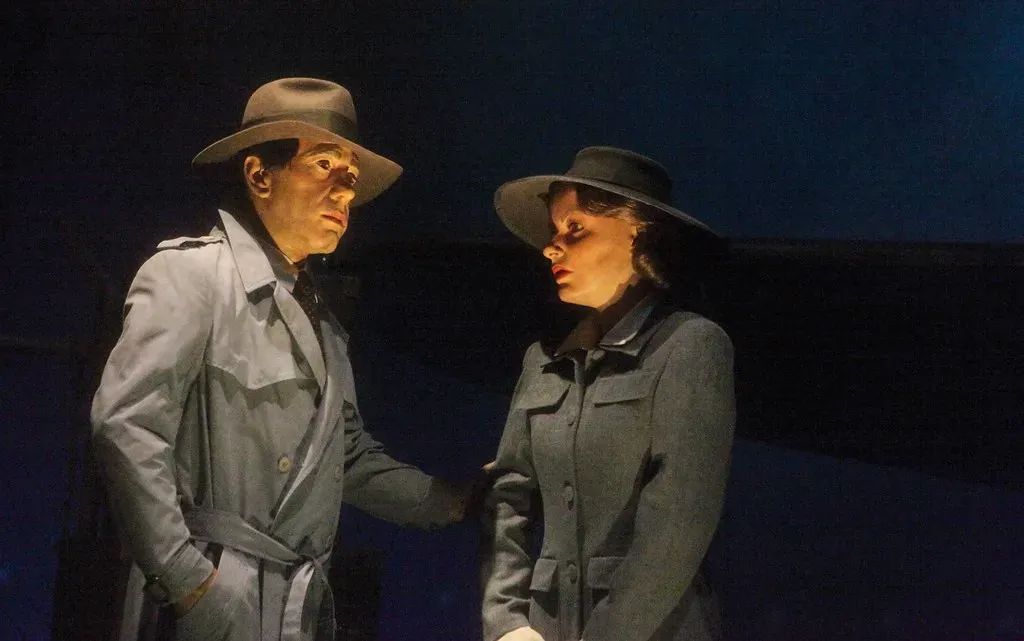
Casablanca is a timeless romantic drama set in World War II-era Morocco, known for its iconic lines, unforgettable characters, and unforgettable music, with Humphrey Bogart and Ingrid Bergman’s electrifying chemistry and a gripping story of love and sacrifice making it a beloved classic and cultural icon for decades. The film operates on a scale that feels intimate despite its wartime backdrop, and that tension between the personal and the political is precisely what keeps it magnetic.
Casablanca is one of the most popular films ever made because it’s about a man and a woman in love who sacrifice that love for a higher purpose, allowing the viewer to imagine not only winning the affection of Bogart or Bergman, but unselfishly renouncing it as a contribution to defeating the Nazis. The musical confrontation between French and German patrons at Rick’s nightclub during the “La Marseillaise” sequence stands as an illustration of how potent and emotionally charged cinema can be. Few scenes in all of film history communicate collective defiance so effortlessly.
Citizen Kane (1941): The Film That Rewrote the Rules
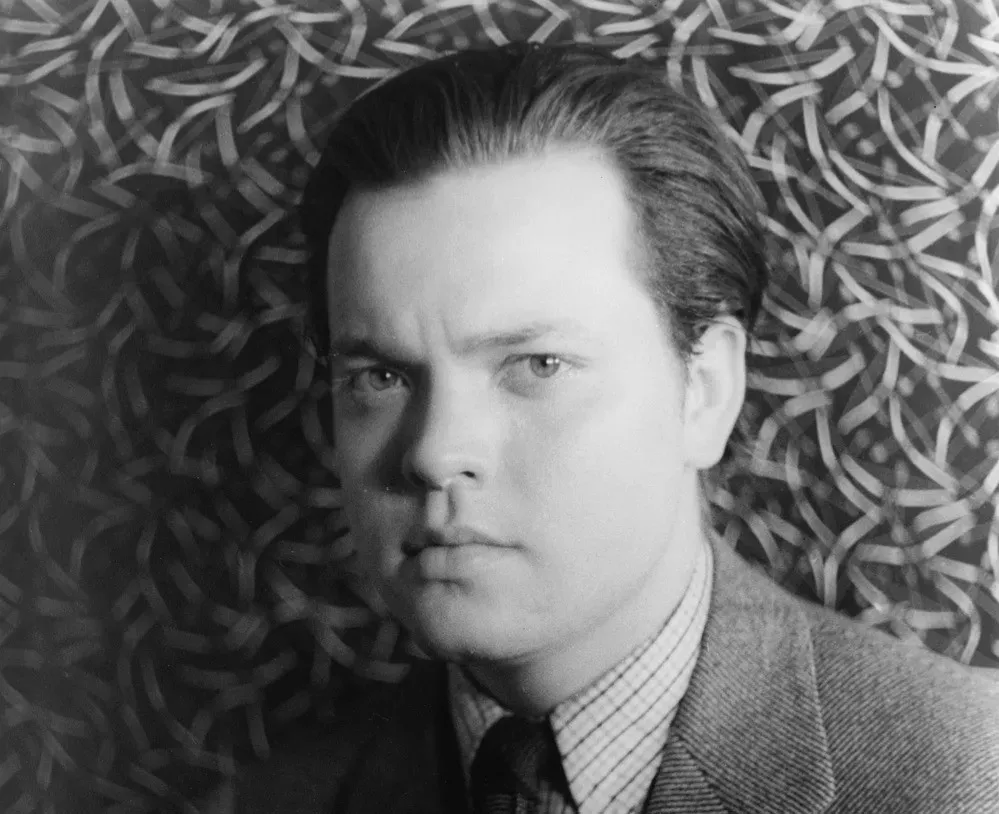
Often hailed as the greatest film ever made, Citizen Kane shattered storytelling conventions with its non-linear narrative and groundbreaking cinematography, and Orson Welles’ exploration of power, ambition, and loneliness still resonates with audiences today, with the film’s structure, use of flashbacks, and deep-focus shots being truly revolutionary. What’s remarkable is how thoroughly watchable it remains despite bearing the weight of its own reputation.
Welles was just 26 at the time, and Citizen Kane completely revolutionized filmmaking techniques and language like arguably no film had before it, yet the innovation wouldn’t matter without a great narrative, and watching it today it’s easy to be blown away by how prescient and socially intelligent it is in showing how history repeats itself. For forty consecutive years, Citizen Kane topped the Critics’ Poll of the British Film Institute. That’s not a number that ages quickly.
Vertigo (1958): Hitchcock at His Most Unsettling
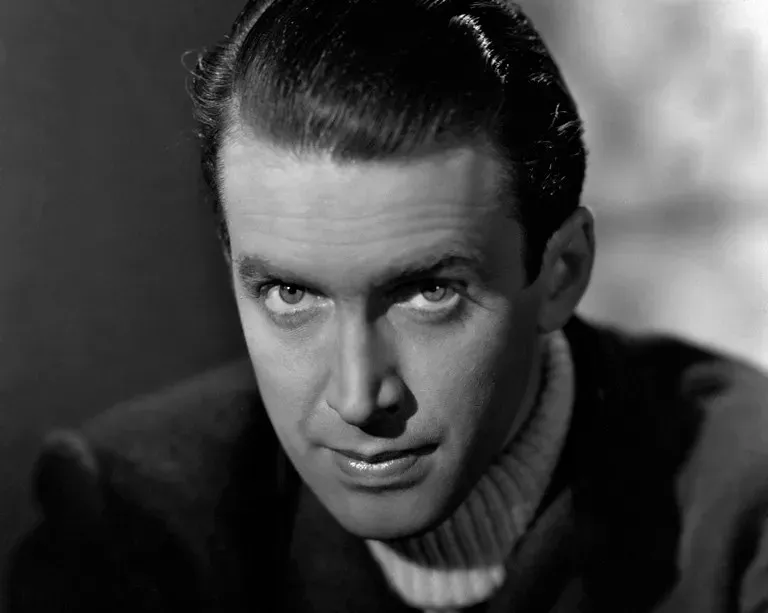
In their 2012 international film critics poll, Sight and Sound named Alfred Hitchcock’s Vertigo the single greatest film ever made. It’s a film built around obsession and constructed identity, and it becomes stranger, richer, and more uncomfortable the more closely you pay attention to it. The film follows retired police detective John “Scottie” Ferguson, played by James Stewart, as he is hired to investigate the strange behavior of his friend’s wife, Madeleine, played by Kim Novak.
Hitchcock’s visual control here is extraordinary. Every framing choice serves the psychological undercurrent of the story rather than simply guiding the eye. Vertigo was loosely adapted from the French novel D’entre les morts and starred James Stewart, cast against type, as a private eye tasked with following a mysterious blonde. That casting choice, against audience expectation, gives the film its peculiar unease, and it’s something no summary or reputation quite prepares you for.
Sunset Boulevard (1950): Hollywood Turning the Lens on Itself

Sunset Boulevard follows an unsuccessful screenwriter, Joe Gillis, played by William Holden, whom a past movie star, Norma Desmond, played by Gloria Swanson, hires to help her return to the big screen. Billy Wilder’s cynical study of decadence has long been regarded as one of the definitive films of the 1950s. It’s savage and funny in equal measure, and the opening shot, a body floating face-down in a pool while the dead man narrates his own story, remains one of the boldest gambits in film history.
Classic Hollywood films provide a window into the past and continue to influence contemporary cinema, with many contemporary filmmakers inspired by the era’s works paying homage to them in their own work. Sunset Boulevard earns its place in that lineage especially, as almost every film about the cost of fame draws something from it. In 2026, Danny Boyle’s Trainspotting returned to theaters in a newly restored 4K version as a theatrical event, a sign that the industry recognizes the power of revisiting the raw energy of certain films in the way they were meant to be seen. Sunset Boulevard deserves the same treatment.
Singin’ in the Rain (1952): Pure Cinema Joy, With Teeth
Watching Singin’ in the Rain introduces audiences to the vibrant Hollywood of the 1950s. The film is a musical comedy set during the industry’s transition from silent films to talkies, and it manages something genuinely rare: it’s both a warm celebration of moviemaking and a sharp satire of it. Singin’ in the Rain employs the device of movies-within-movies, making it the ultimate paean to movie-making.
The film was made as a response to the successful musical An American in Paris, also starring Gene Kelly, and although it has now exceeded its predecessor in popularity, at the time of release Singin’ in the Rain was actually seen as inferior to it. History has settled that debate decisively. Yet it is not a naive tribute, as Singin’ in the Rain portrays the Hollywood ethos as resting on dissimulation. That honesty underneath the spectacle is what keeps it from feeling sentimental.
Rear Window (1954): The Cinema of Watching
Alfred Hitchcock appears twice in this list, and it’s hard to argue against it. Rear Window is perhaps the most elegant film ever made about the act of observation itself. A photographer confined to a wheelchair watches his neighbors through his apartment window and slowly convinces himself he has witnessed a murder. The film never leaves that single vantage point, and the constraint is its genius.
Hitchcock bought back the rights to Rear Window and left the film in his daughter’s possession after his death, which meant it was unavailable for decades, along with four other titles including Vertigo, Rope, and The Trouble With Harry. That period of absence did nothing to diminish its stature. One of the core reasons classic films endure is their exploration of universal themes that transcend time, culture, and place, such as love, betrayal, loss, and the nature of human curiosity. Rear Window distills all of those into a single, immaculate frame.
What these six films share is a quality that goes beyond craft or historical importance. Over the last several decades, cinema has produced gems that don’t announce their greatness out loud, instead quietly growing richer with every revisit. The same is true of these older titles. Returning to them now, with fresh eyes and a different life behind you, is rarely the same experience twice.